


Primary sourceBook
Statesman
Plato
A late dialogue by Plato in which an unnamed philosopher from Elea tries to define the true statesman.
A dialogue written by Plato himself, showing the development of his political philosophy in his later years.
About this source
What it is
The Statesman (Greek: Politikós) is a Socratic dialogue written by Plato. It follows a conversation among Socrates, the mathematician Theodorus, a younger man also called Socrates, and an unnamed philosopher known as 'the Stranger.' It continues directly from Plato's dialogue the Sophist.
Why it matters
The dialogue tries to define what makes someone a true statesman, as opposed to a sophist or philosopher, arguing that ruling well requires a special kind of knowledge. Scholars see it as showing how Plato's political thinking changed between his earlier work the Republic and his later work the Laws. It reflects Plato's lasting concern, after the trial of his teacher Socrates, with who should hold power and why.
Look closer
- Why does Plato use a method of dividing ideas step by step rather than stating a direct definition?
- What does the dialogue suggest about the difference between a real statesman and someone who only appears wise?
- Why might Plato never have finished writing a companion dialogue about the philosopher?
This book is part of the curated material that grounds the AI version of Plato on Humy.ai — when students ask about related events, the AI can quote it and cite it.
More Plato sources
Meet the AI Plato →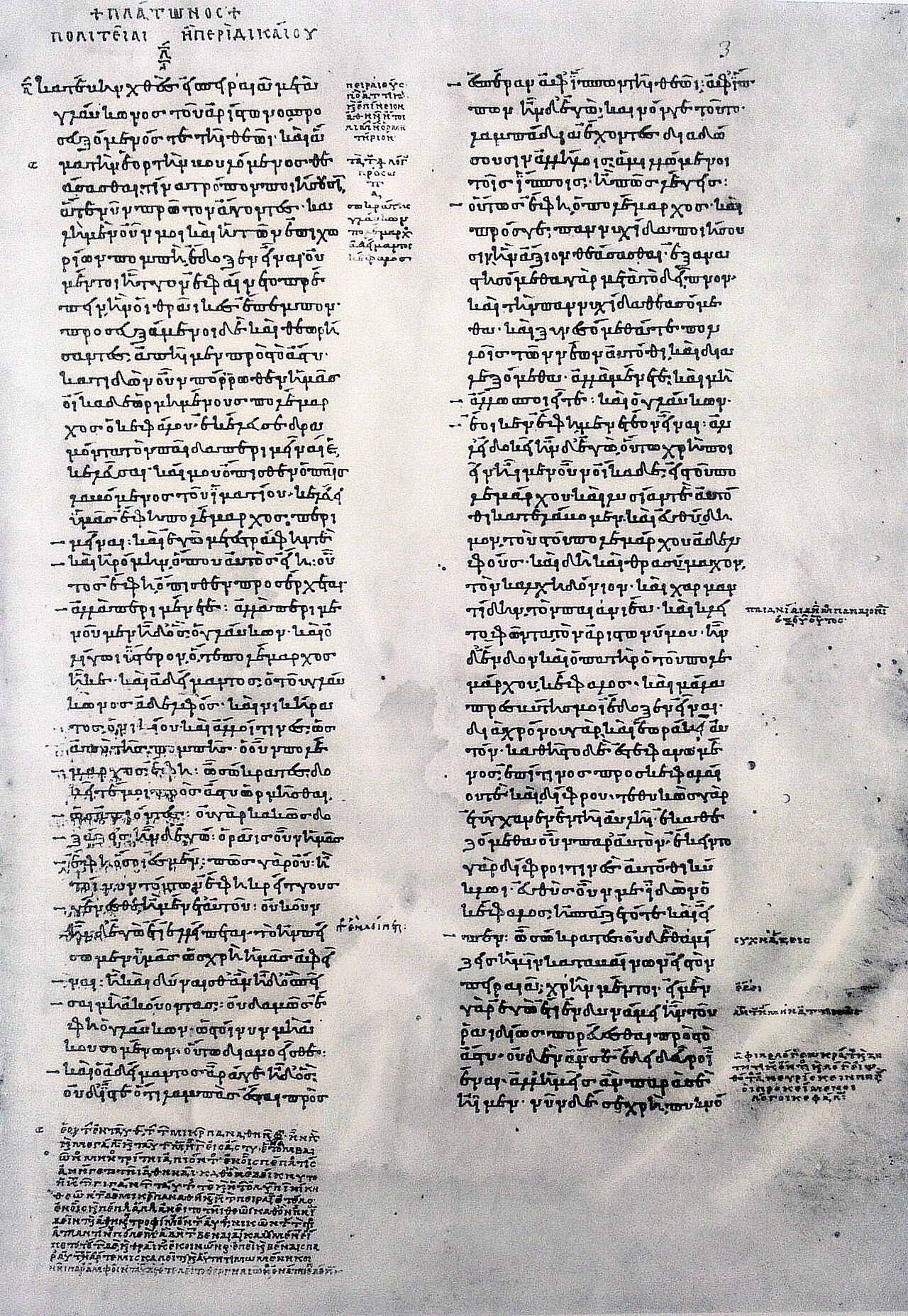 Book
Secondary source
The Republic
Plato · c. 375 BC
 Book
Primary source
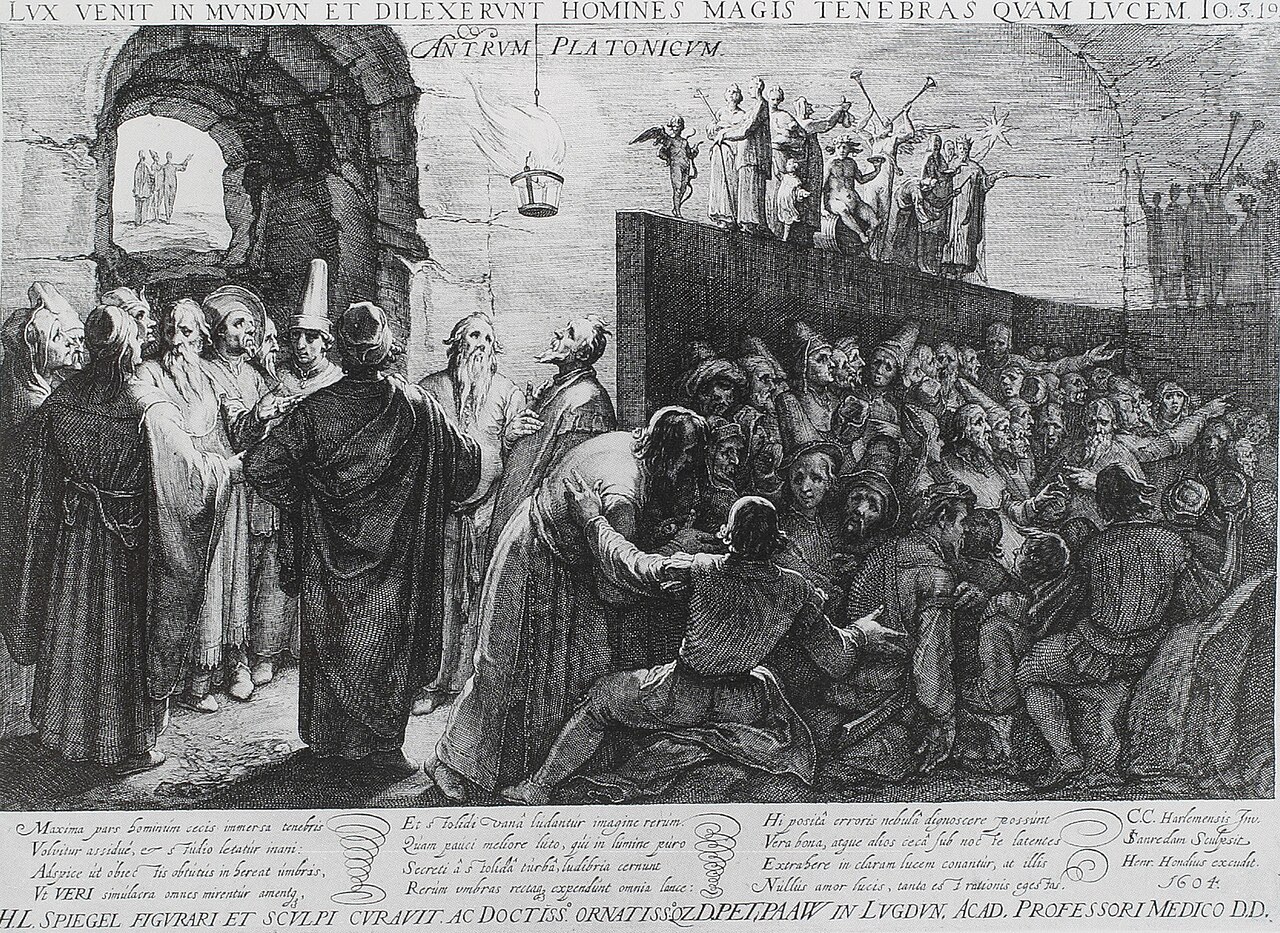
Allegory of the Cave
Plato · c. 400 BC
Secondary source
Apology
Plato · c. 395 BC
 Sculpture
Secondary source
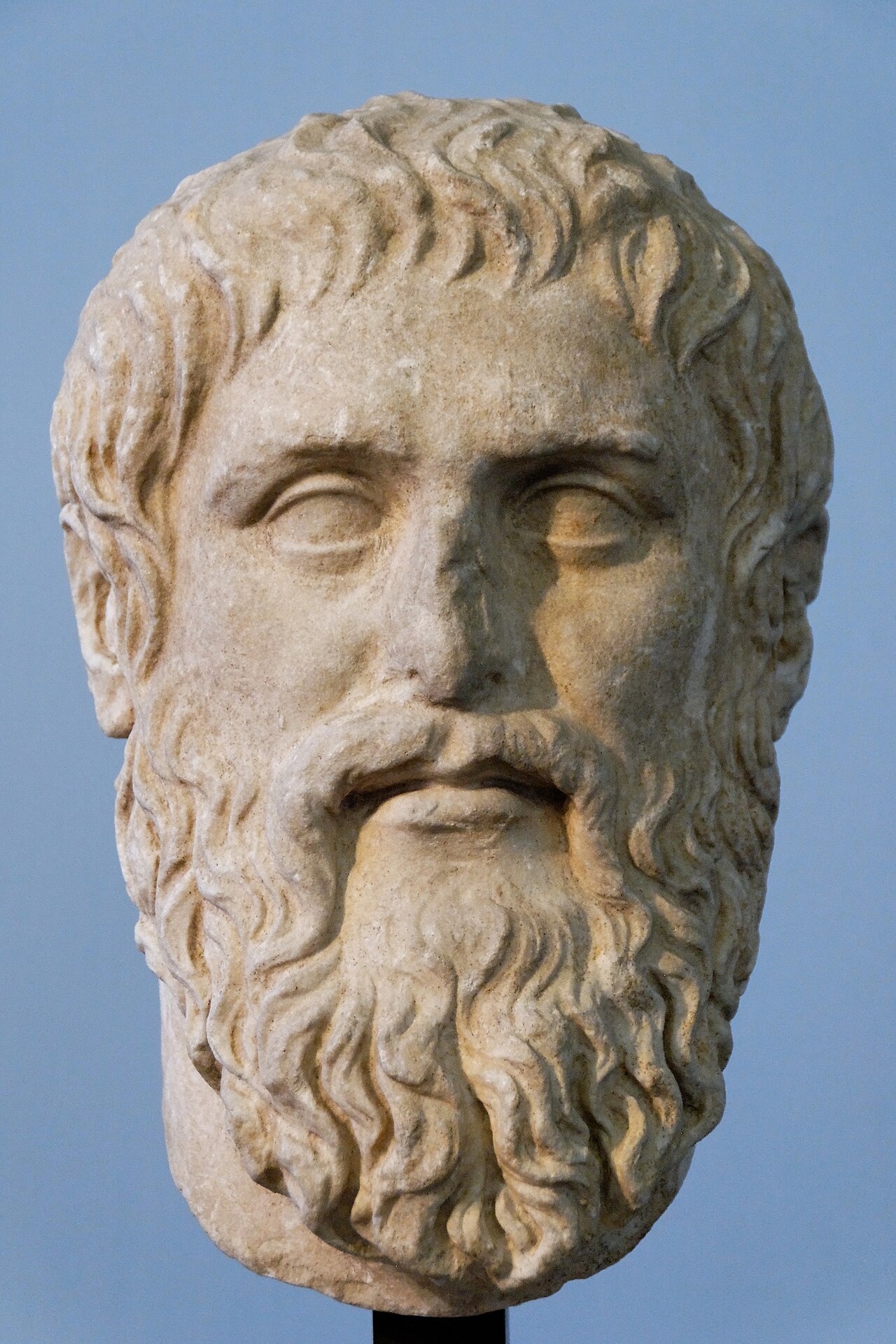
Portrait of Plato
Silanion (original type) · ca. 370 BC (original type); this copy Roman era
 Book
Secondary source
Phaedo
Plato · c. 360 BC
Ready when you are
Start chatting with Plato now.
20 messages free · No credit card · Available in 50+ languages.