


Primary sourceSculpturec. 1400 BCE
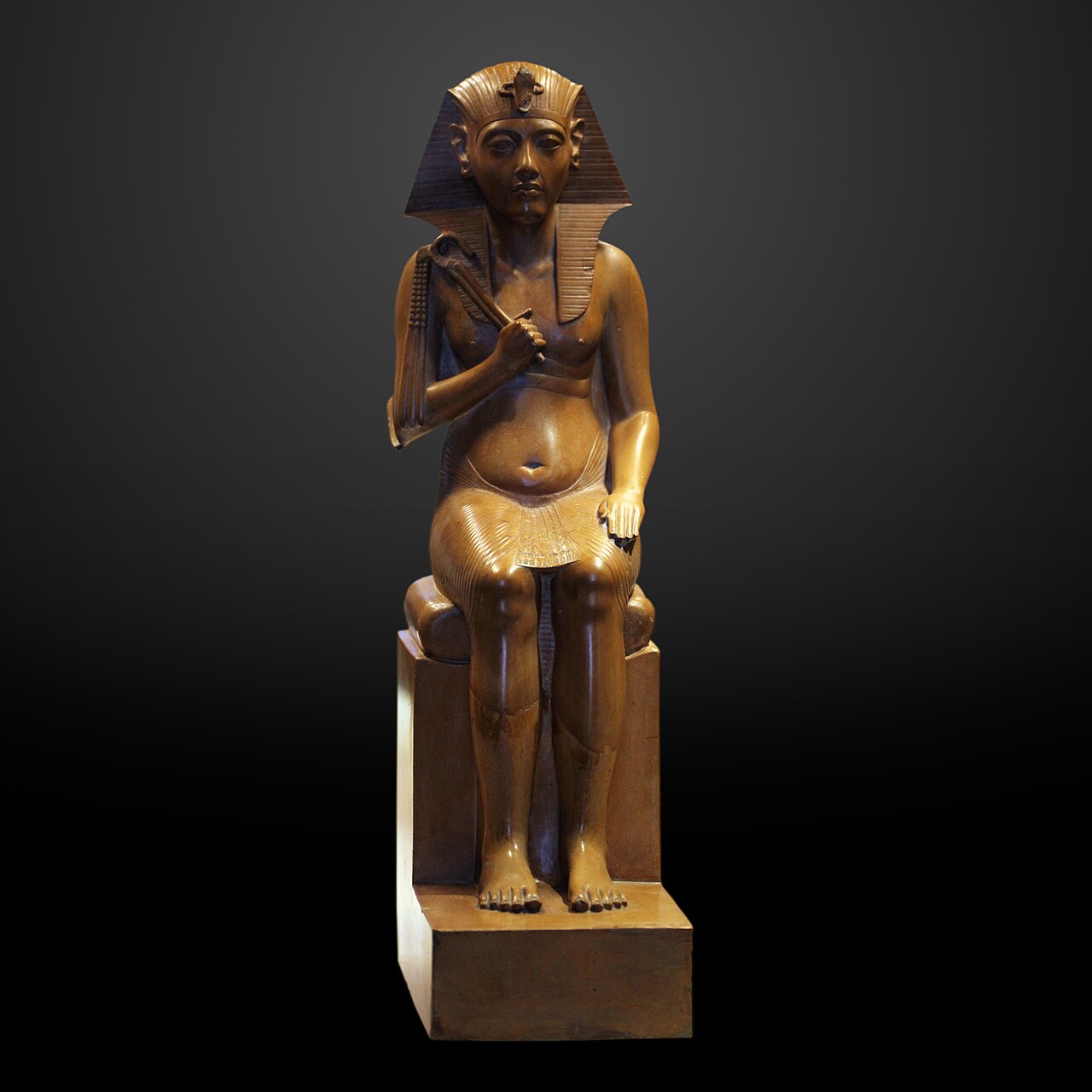
Statue Fragment of Akhenaten and Nefertiti
c. 1400 BCE
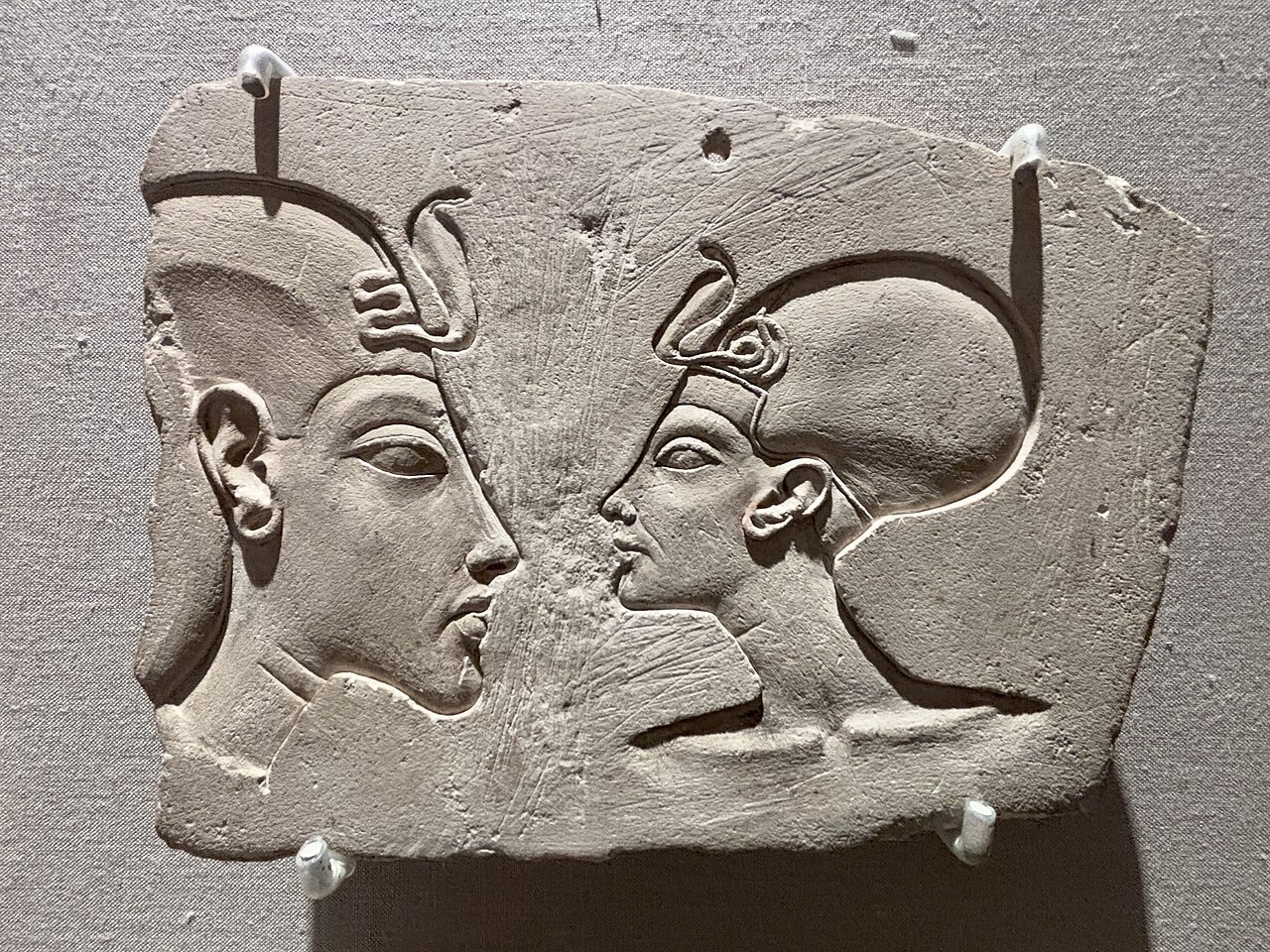
A fragment of a group statue showing Akhenaten, part of the paired royal-couple imagery that placed him beside Queen Nefertiti.
A fragment of a group statue showing Akhenaten paired with Nefertiti, reflecting his royal and religious imagery.
About this source
What it is
This is a fragment of a group sculpture showing the royal couple from the reign of Akhenaten, dated to around 1400 BCE. It is held in the Department of Egyptian Antiquities of the Louvre.
Why it matters
The piece reflects how Akhenaten and his queen Nefertiti were shown together in statues and reliefs, a paired royal-couple imagery that gave Nefertiti a prominent place in cult and state imagery alongside the king. Such statues help historians understand how the royal pair presented their rule and religion to their people.
Look closer
- Why might the king and queen have been shown together rather than separately?
- What does the pharaoh's crook and flail suggest about how he wanted to be seen?
- What has been lost from this statue, and how might that change our understanding of it?
This sculpture is part of the curated material that grounds the AI version of Akhenaten on Humy.ai — when students ask about related events, the AI can quote it and cite it.
More Akhenaten sources
Browse all 99 →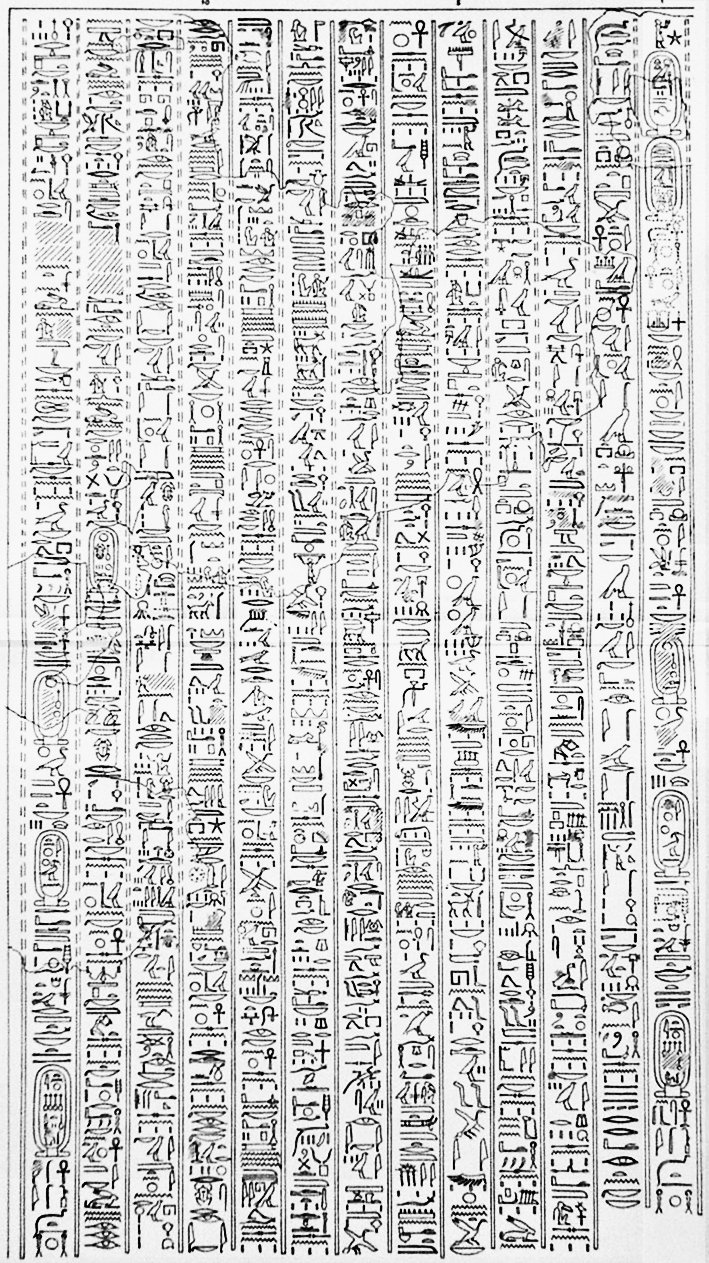 Document
Primary source
Great Hymn to the Aten
Akhenaten · c. 1350 BC
 Document
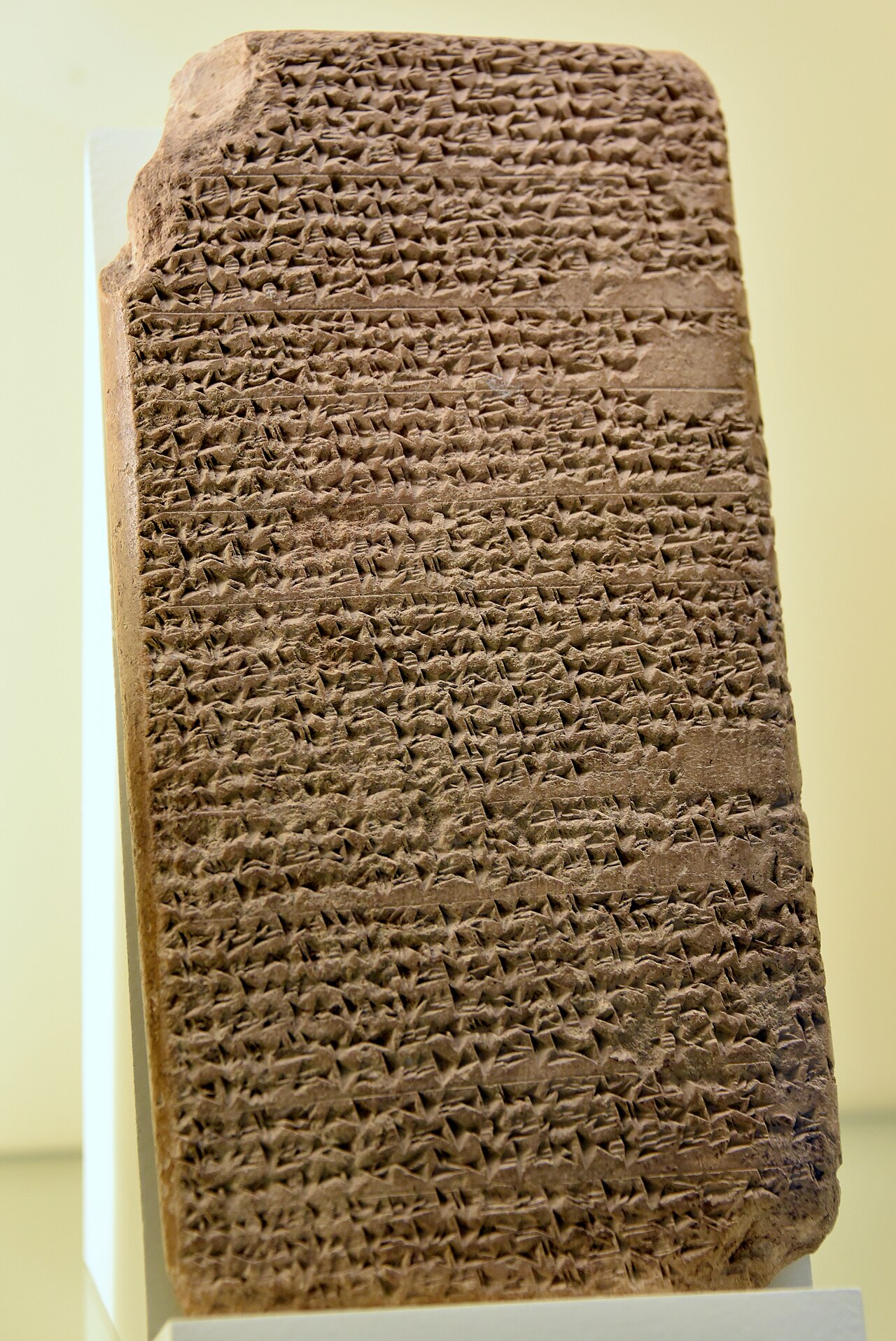
Primary source
Amarna letters
Foreign rulers and vassals of Egypt; Egyptian chancery · c. 1360–1332 BCE
 Sculpture
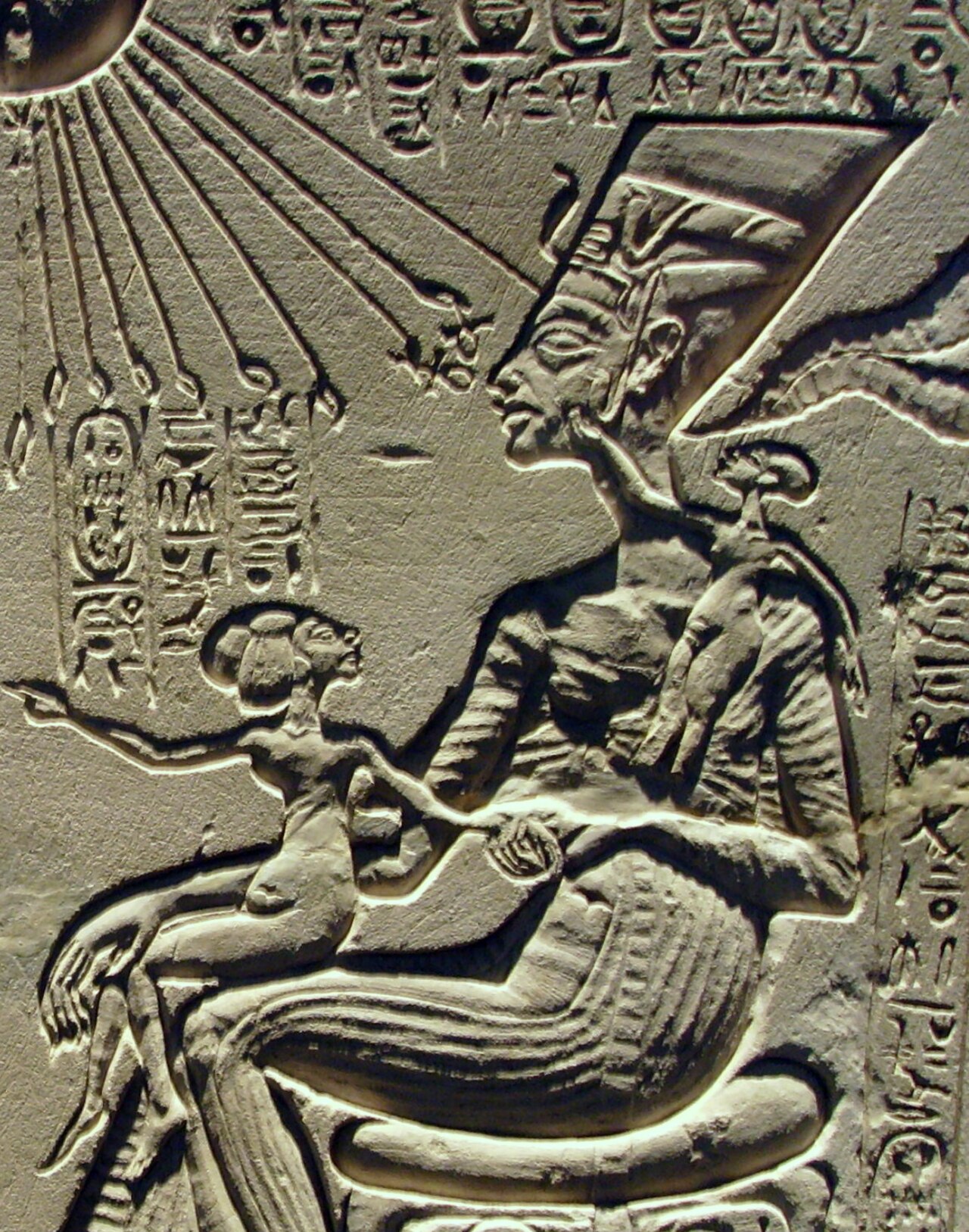
Primary source
Akhenaten and His Family
c. 1352 BC
 Sculpture
Primary source
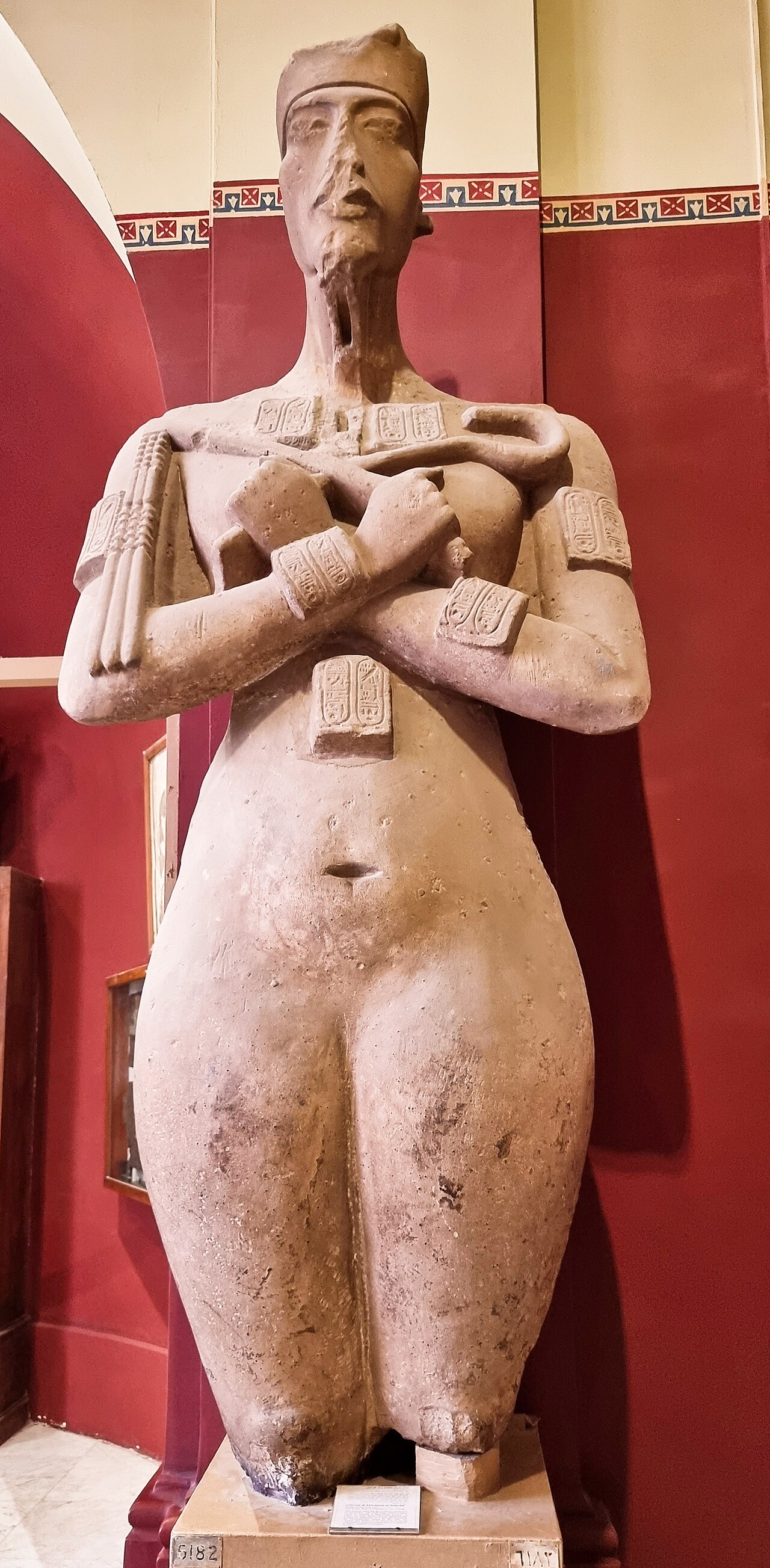
Colossal Statue of Akhenaten or Nefertiti
Free account
Read every Akhenaten source
Sign up free →
Ready when you are
Start chatting with Akhenaten now.
20 messages free · No credit card · Available in 50+ languages.