


Primary sourceSculpturec. 1336-1327 BCE
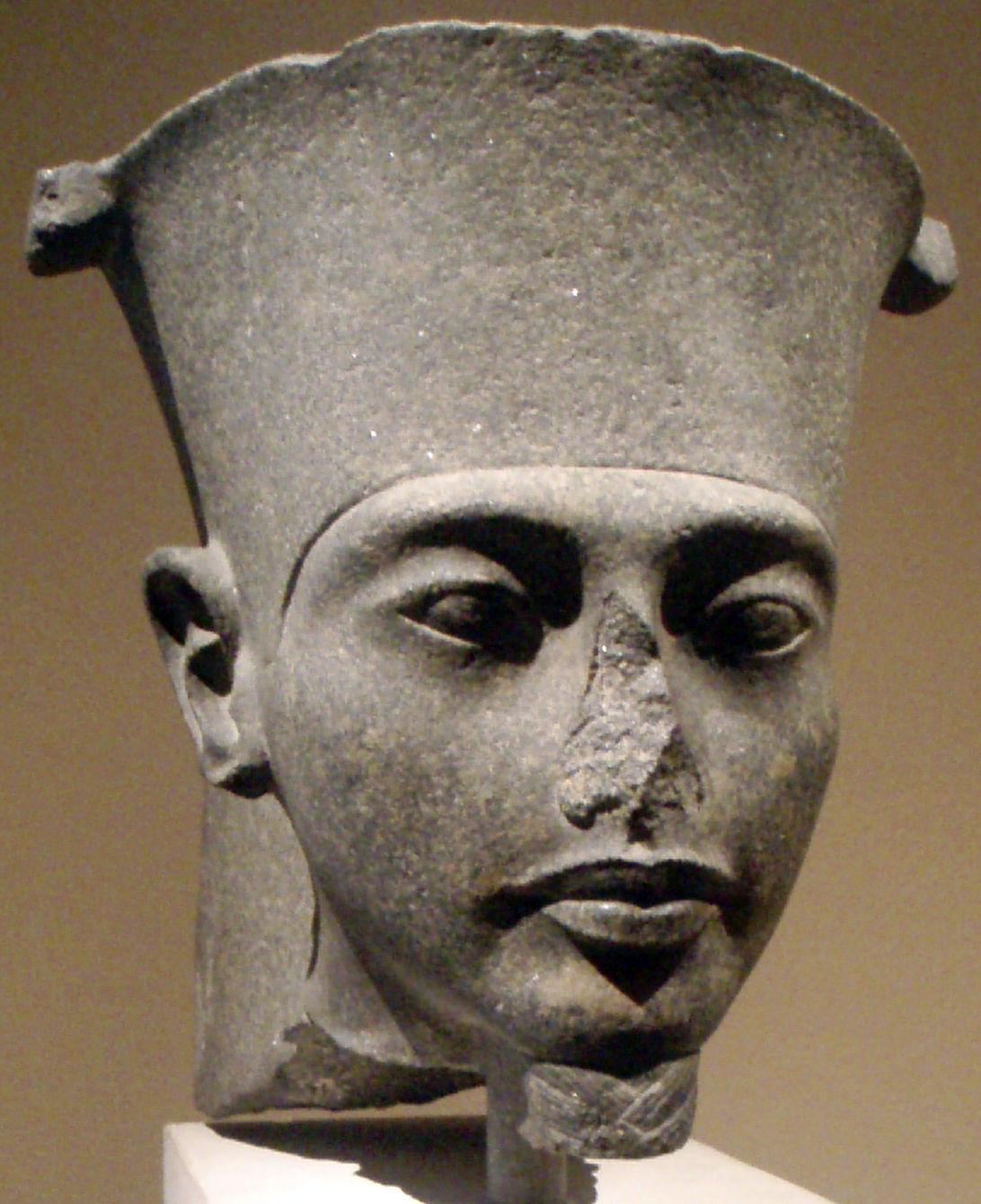
Statue Head of Amun, Thought to be Tutankhamun
c. 1336-1327 BCE
An 18th Dynasty stone statue head of the god Amun, believed by some to be a portrait likeness of Tutankhamun.
This statue head of the god Amun is thought by some scholars to be a portrait likeness of Tutankhamun.
About this source
What it is
This stone statue head depicts the god Amun wearing a tall flat-topped crown. It dates to the 18th Dynasty, around the time of Tutankhamun's reign, and some scholars believe its face is a likeness of the young king himself. It is held by the Metropolitan Museum.
Why it matters
Egyptian pharaohs were often shown with the features of gods to link royal and divine power. If this head really does show Tutankhamun's face, it is a rare type of evidence for what he may have looked like, beyond the famous golden mask.
Look closer
- Why might an artist give a god the face of a living king?
- What features of the head make scholars think it could be Tutankhamun?
- How reliable do you think a statue is as evidence of what someone really looked like?
This sculpture is part of the curated material that grounds the AI version of Tutankhamun on Humy.ai — when students ask about related events, the AI can quote it and cite it.
More Tutankhamun sources
Meet the AI Tutankhamun →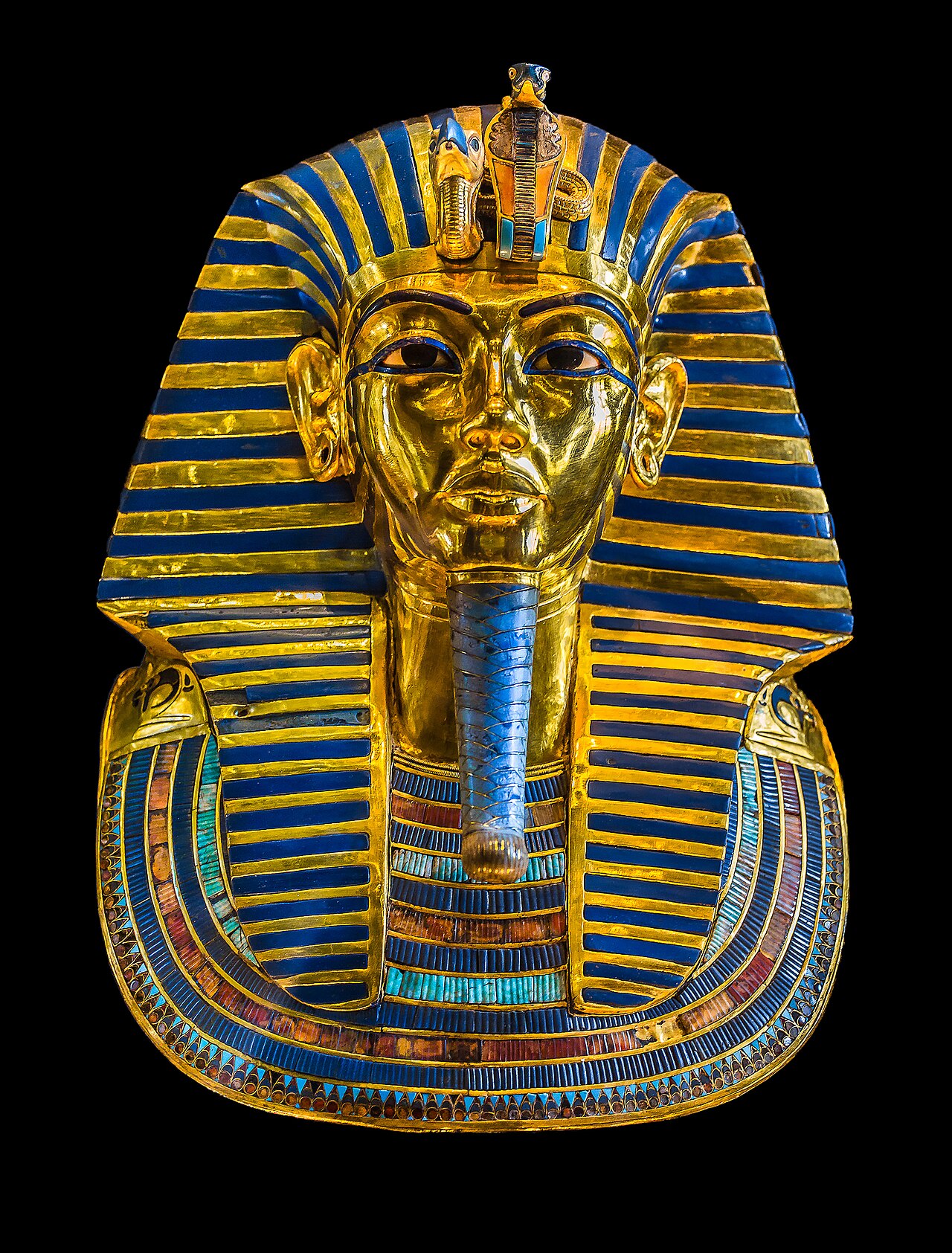 Artifact
Primary source
Mask of Tutankhamun
c. 1333 BCE
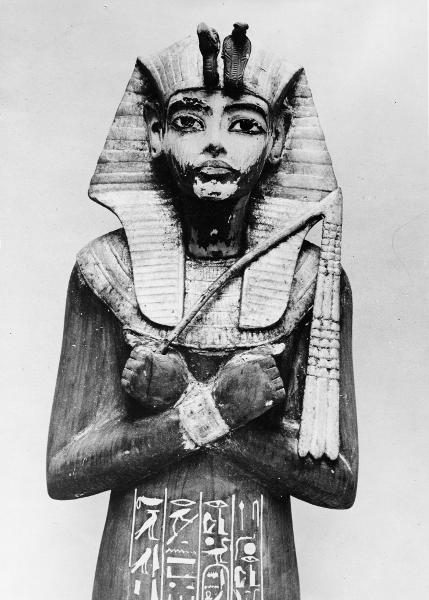 Photograph
Primary source
Photograph of Tutankhamun's Shawabti Figure
Harry Burton · 1920s
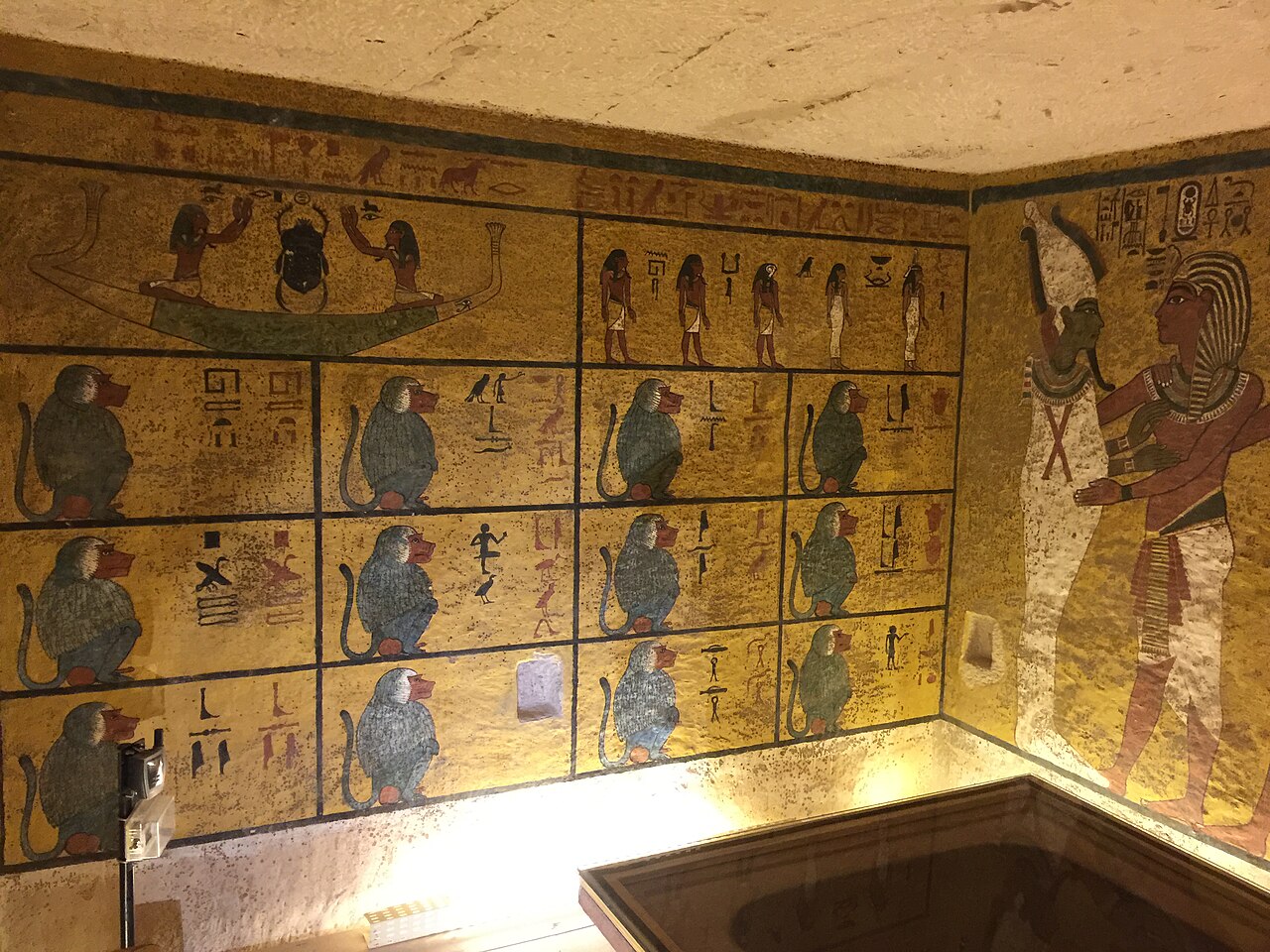 Artifact
Primary source
Tomb of Tutankhamun
14th century BCE
 Photograph
Primary source
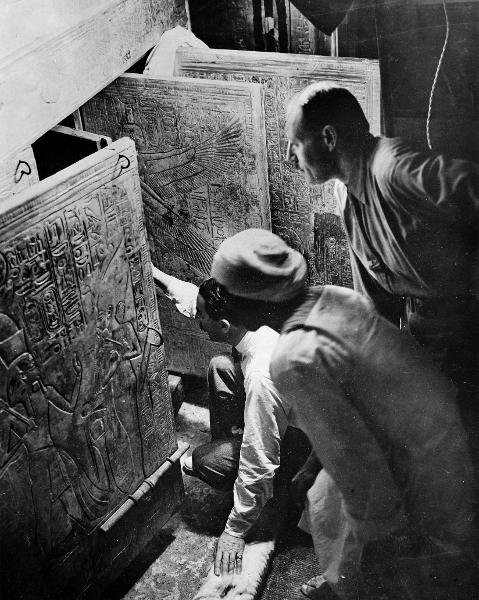
Opening the Doors of the Fourth Shrine in Tutankhamun's Tomb
Harry Burton · 1920s
 Document
Primary source
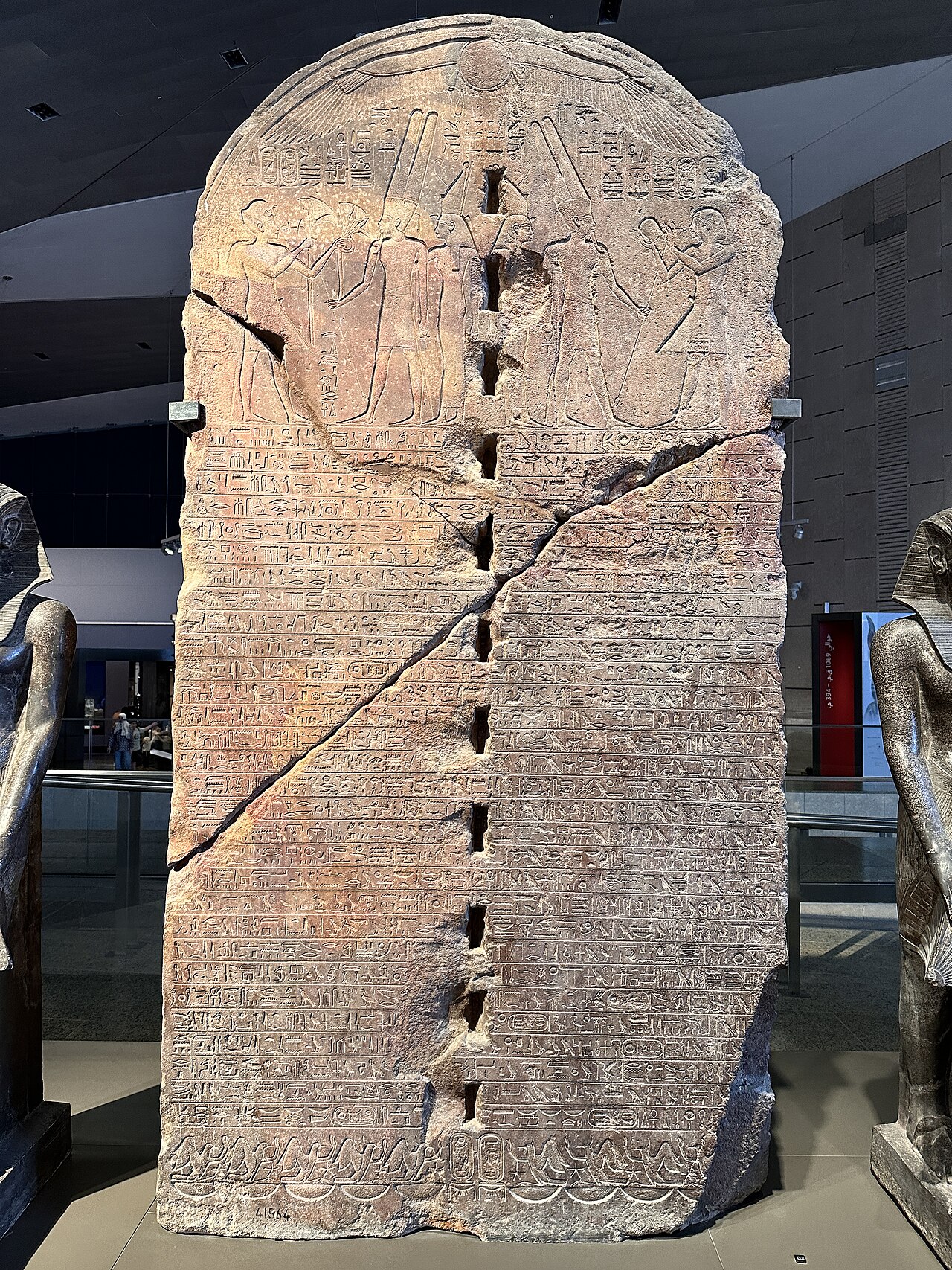
Restoration Stela
Tutankhamun · c. 1326 BCE
Ready when you are
Start chatting with Tutankhamun now.
20 messages free · No credit card · Available in 50+ languages.