


Primary sourceSculpture
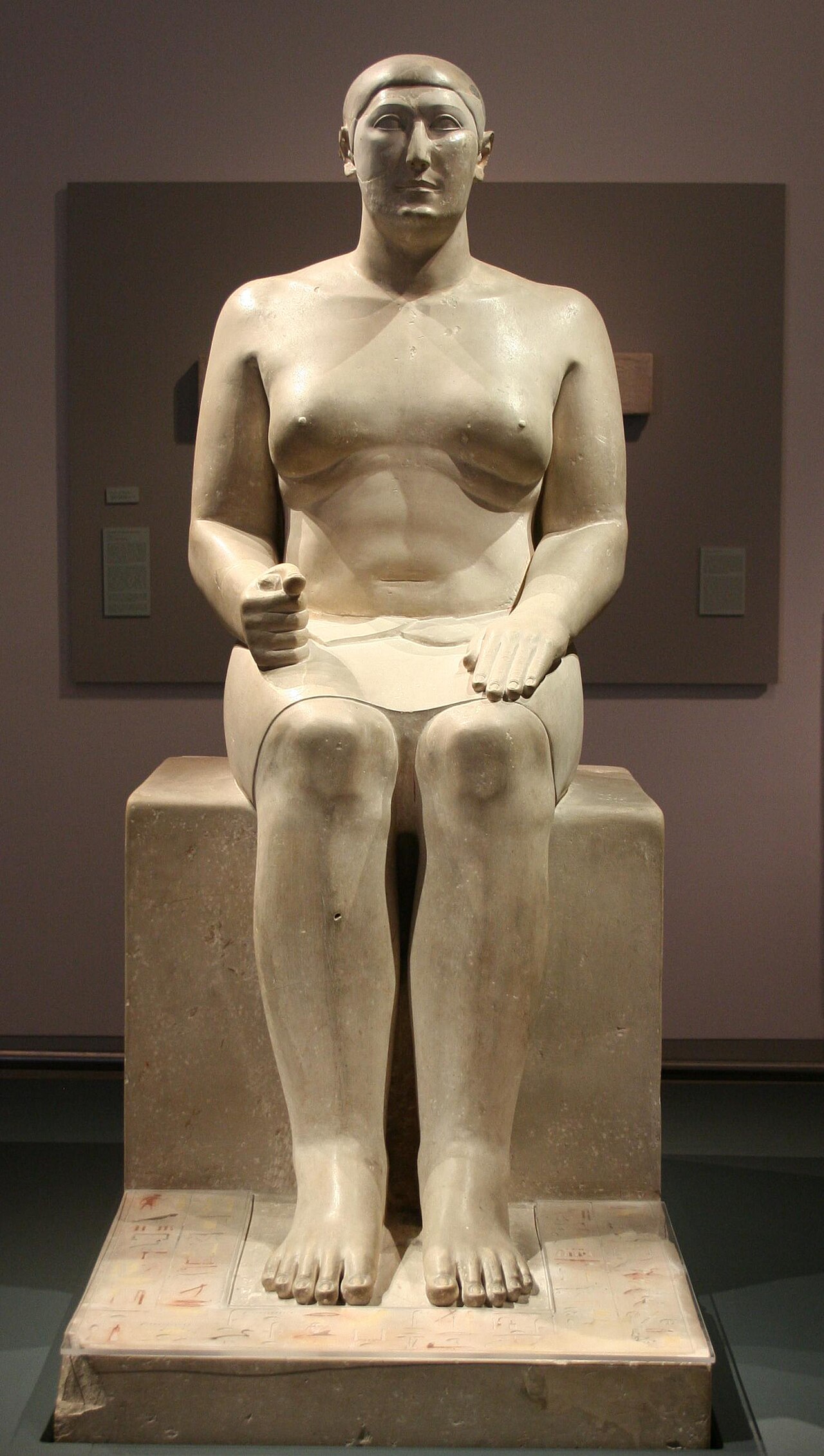
Statue of Hemiunu
A limestone statue of Hemiunu, Khufu's vizier and likely architect of the Great Pyramid, from his tomb at Giza.
Hemiunu served as Khufu's vizier and likely designed the Great Pyramid, placing him within Khufu's close court.
About this source
What it is
This limestone statue, from the reign of Khufu, shows Hemiunu, a high official believed to have designed the Great Pyramid. It was found in his tomb at Giza and is now kept at the Roemer- und Pelizaeusmuseum in Hildesheim. Hieroglyphs are painted at the statue's base.
Why it matters
Hemiunu worked closely with Khufu and may have been responsible for planning the Great Pyramid itself. This statue reveals the importance given to top officials in Khufu's court and shows how ancient Egyptians honored the people who served their king.
Look closer
- What does the pose and clothing of the statue suggest about Hemiunu's status?
- Why might a vizier be given such an elaborate tomb and statue?
- What does this object tell us about teamwork behind building the pyramids?
This sculpture is part of the curated material that grounds the AI version of Pharaoh Khufu (Cheops) on Humy.ai — when students ask about related events, the AI can quote it and cite it.
More Pharaoh Khufu (Cheops) sources
Meet the AI Pharaoh Khufu (Cheops) →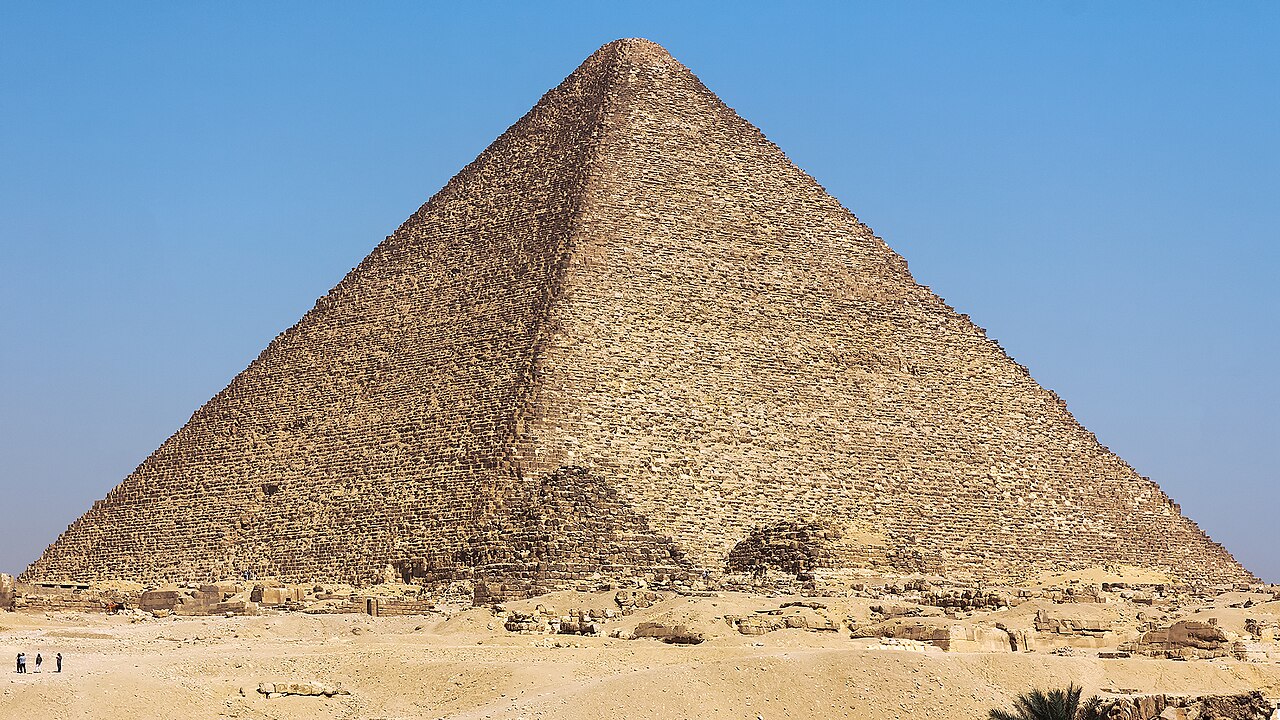 Artifact
Primary source
Great Pyramid of Giza
c. 2560 BCE
 Photograph
Secondary source
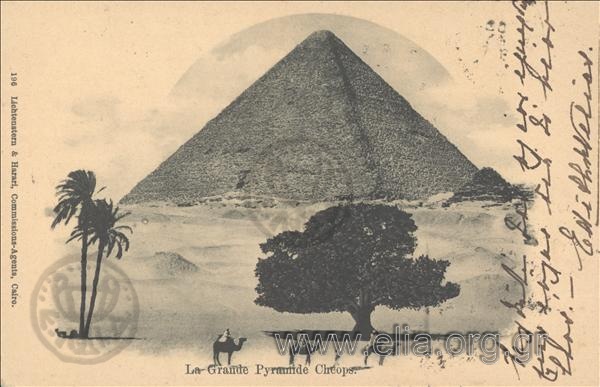
La Grande Pyramide Cheops
1903
 Sculpture
Primary source
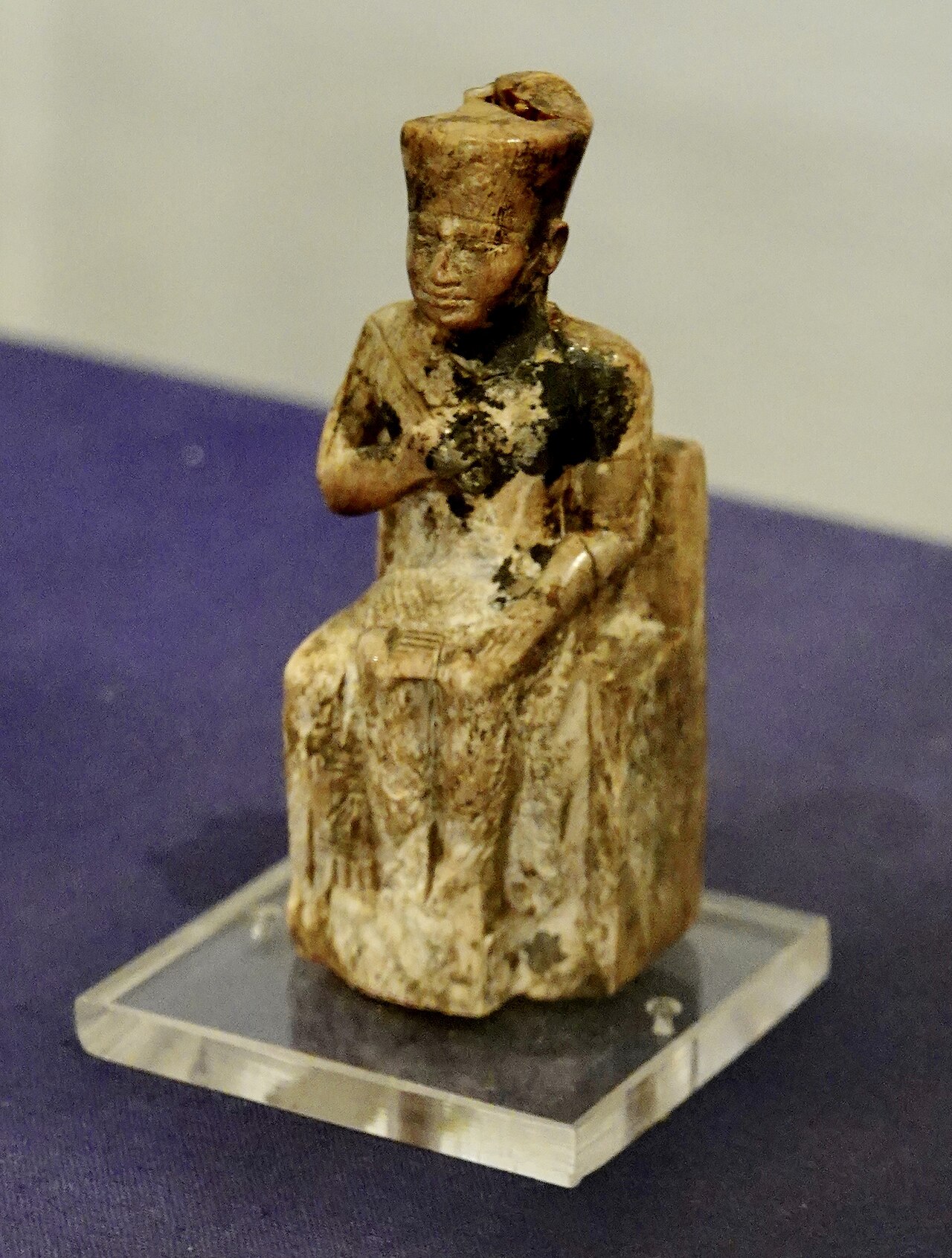
Khufu Statuette
c. 2600–2494 BCE (possibly later, 664–525 BCE)
 Photograph
Secondary source
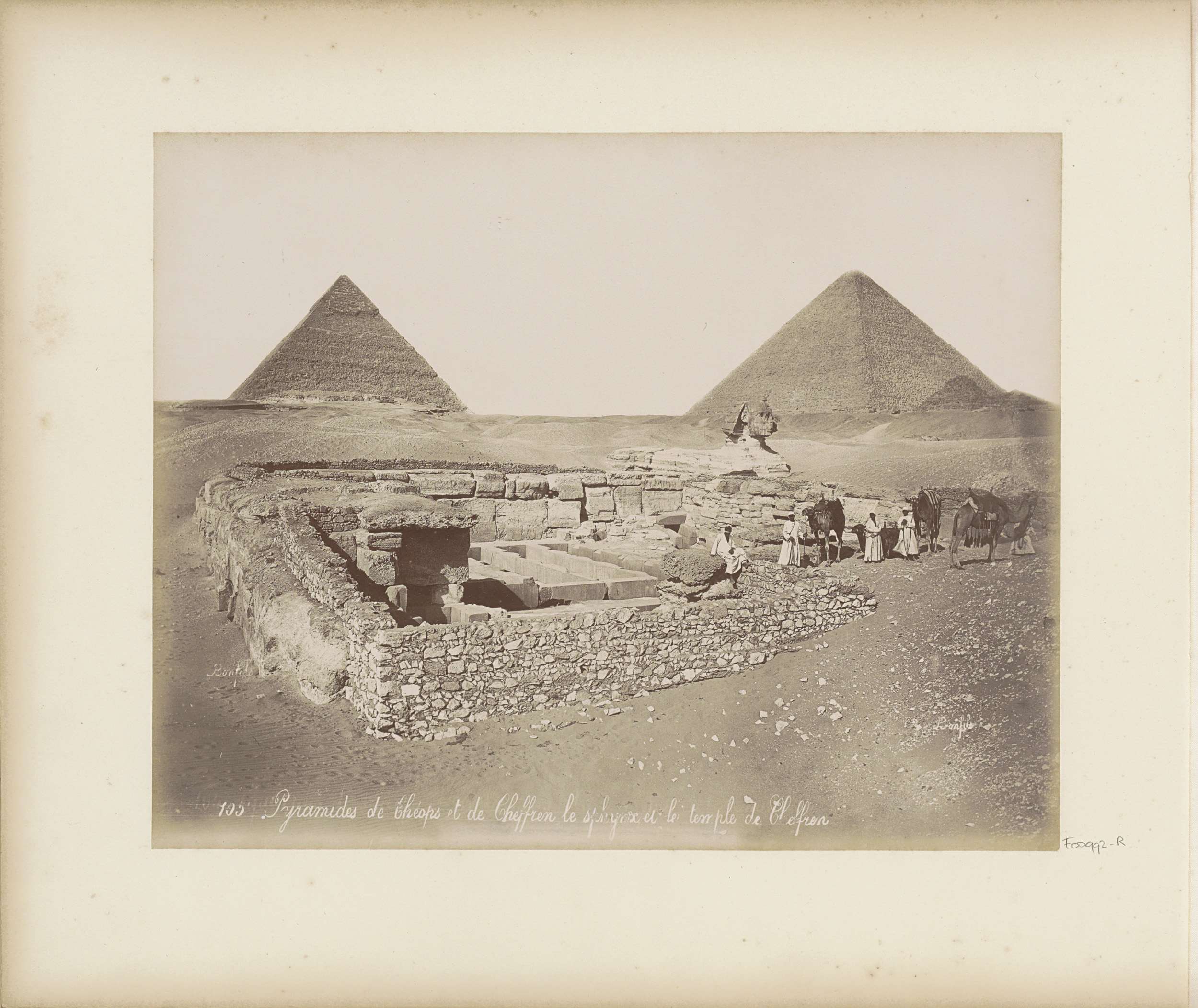
Pyramids of Cheops and Chephren and the Sphinx at Giza
 Artifact
Primary source
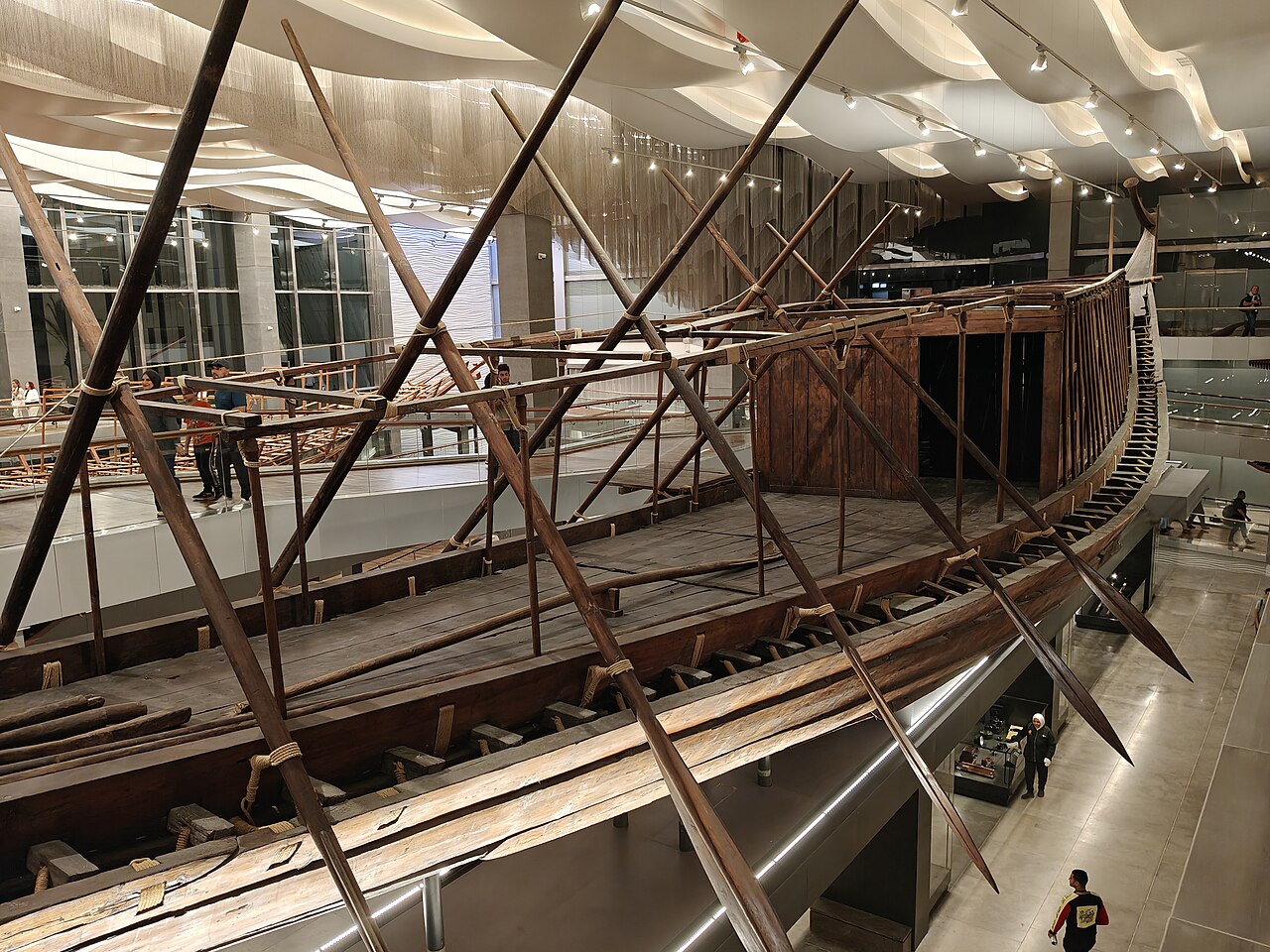
Khufu ship
Royal shipwrights of Khufu · c. 2566 BCE
Ready when you are
Start chatting with Pharaoh Khufu (Cheops) now.
20 messages free · No credit card · Available in 50+ languages.