


Secondary sourceSculpture1880
Statue of Pushkin
Alexander Opekushin · 1880
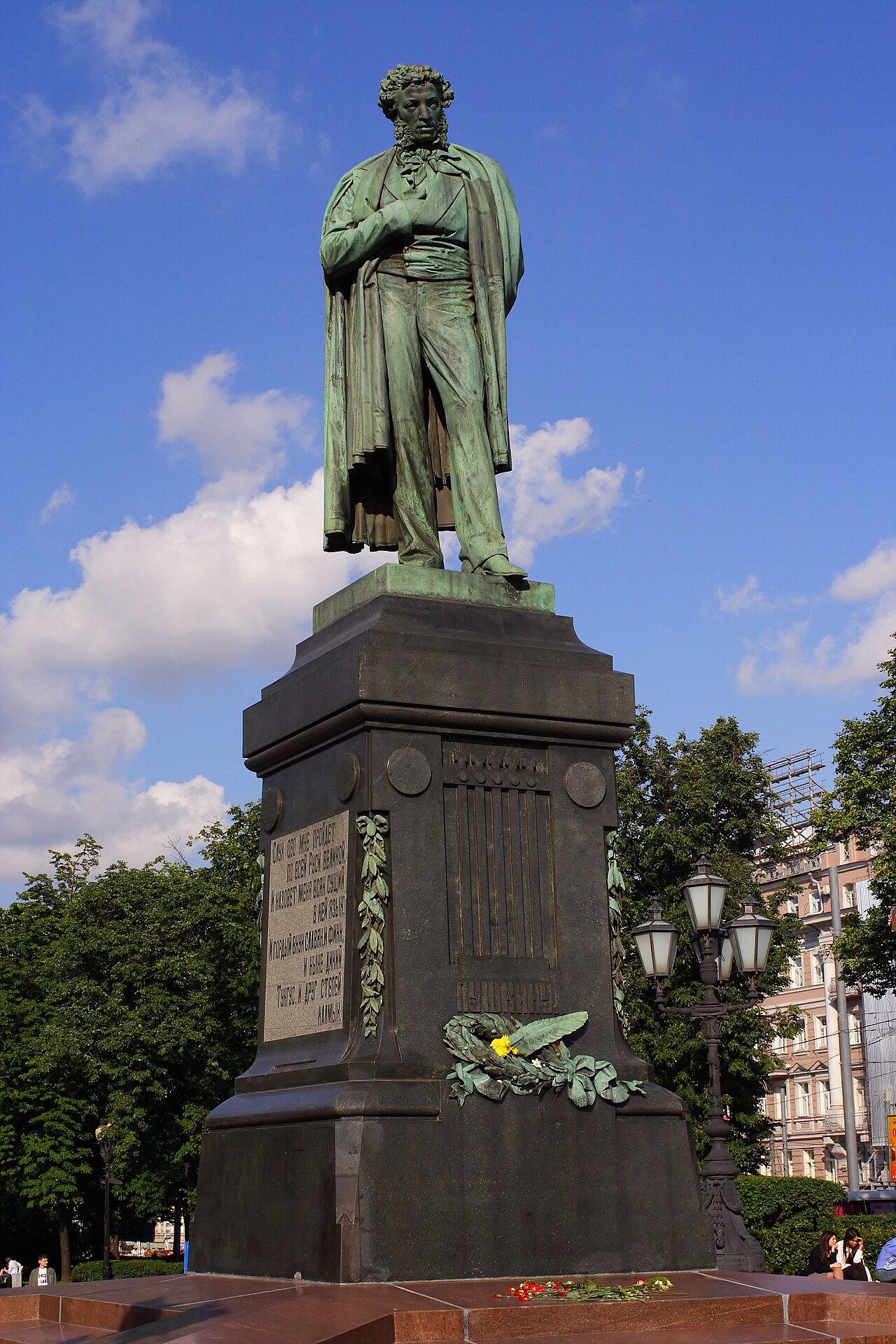
A bronze statue of Alexander Pushkin in Moscow, unveiled in 1880. It was the first national monument to the poet and the occasion for Dostoyevsky's speech.
This statue commemorates Pushkin in Moscow and marks how his reputation grew after his death.
About this source
What it is
This is a bronze statue of Alexander Pushkin by the sculptor Alexander Opekushin. It stands on Pushkin Square in Moscow and was opened on 6 June 1880. The statue shows a man with curly hair and sideburns, wearing a long cloak, with one hand on his chest. It stands on a tall dark stone pedestal with a plaque and a bronze wreath. The facts describe it as a later monument, so it shows how Pushkin was remembered rather than how he looked to his contemporaries.
Why it matters
The monument was the first national monument to the poet. Its unveiling led to Dostoyevsky's speech, which connected the statue to ideas about Russian identity. Pushkin Square and the statue became places where Russians gathered to honour their national poet.
Look closer
- What pose does the statue show, and what might a hand on the chest suggest?
- Why did people in 1880 want a public monument to a poet who had died in 1837?
- Who is missing from this monument, and whose story does it leave out?
This sculpture is part of the curated material that grounds the AI version of Alexander Pushkin on Humy.ai — when students ask about related events, the AI can quote it and cite it.
More Alexander Pushkin sources
Meet the AI Alexander Pushkin →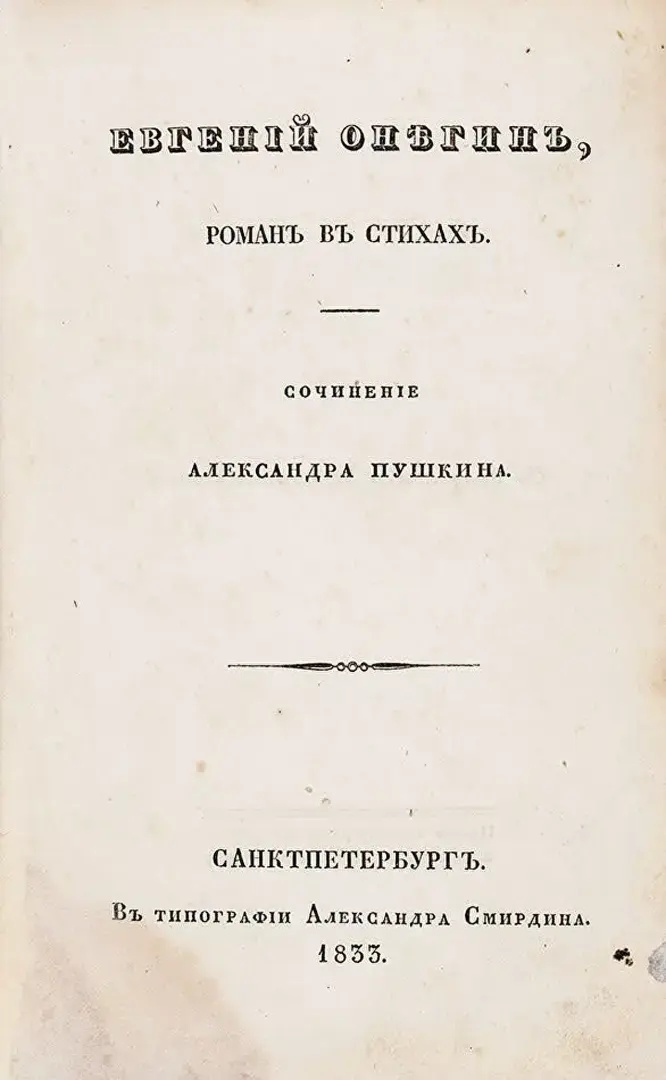 Book
Primary source
Eugene Onegin
Alexander Pushkin · 1823-1831
Primary source
Boris Godunov
Alexander Pushkin · 1825
 Book
Primary source
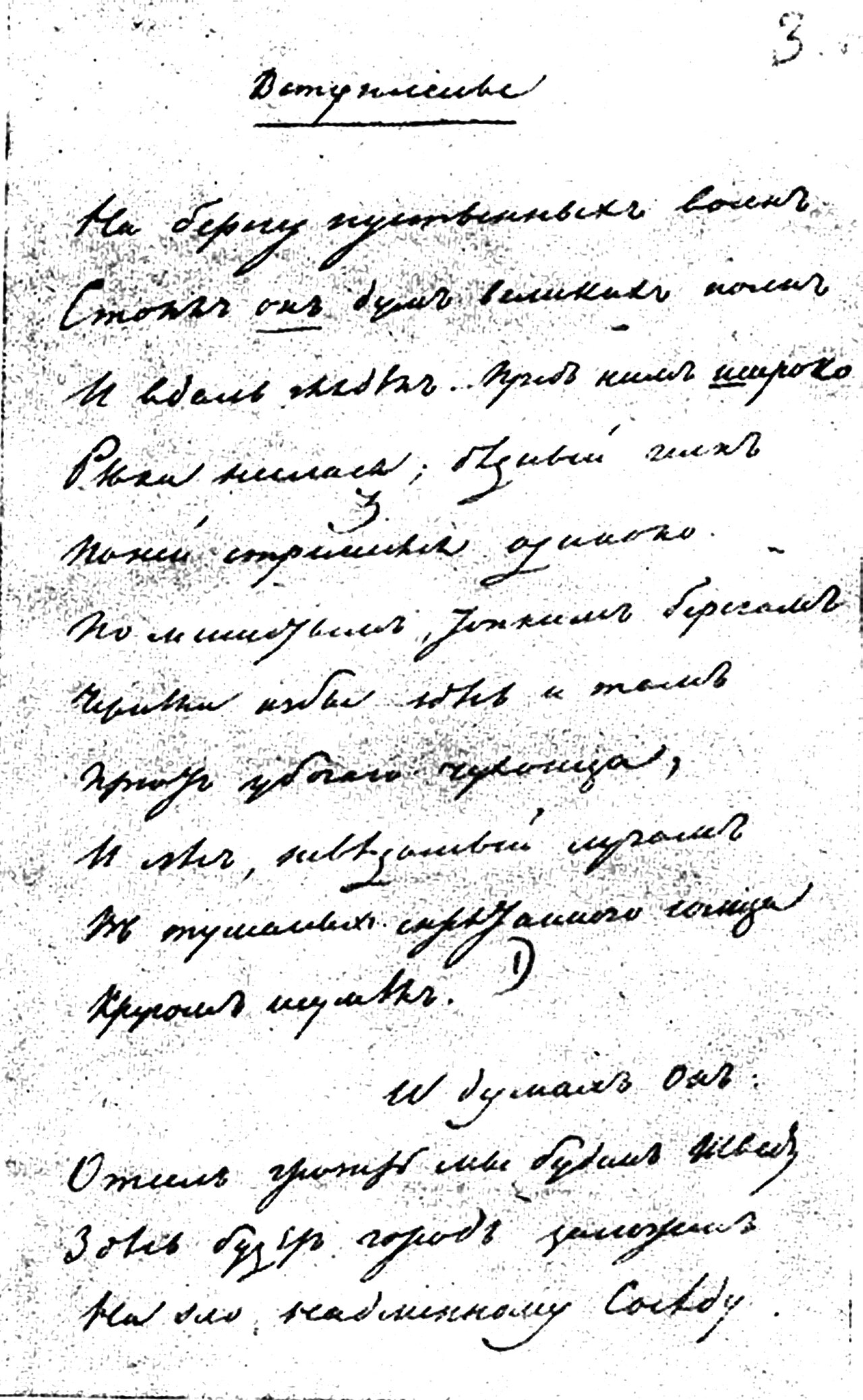
The Bronze Horseman
Alexander Pushkin · 1833
 Book
Primary source
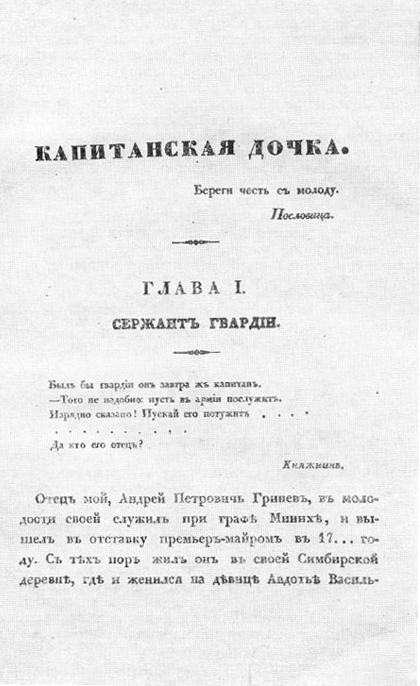
The Captain's Daughter
Alexander Pushkin · 1836
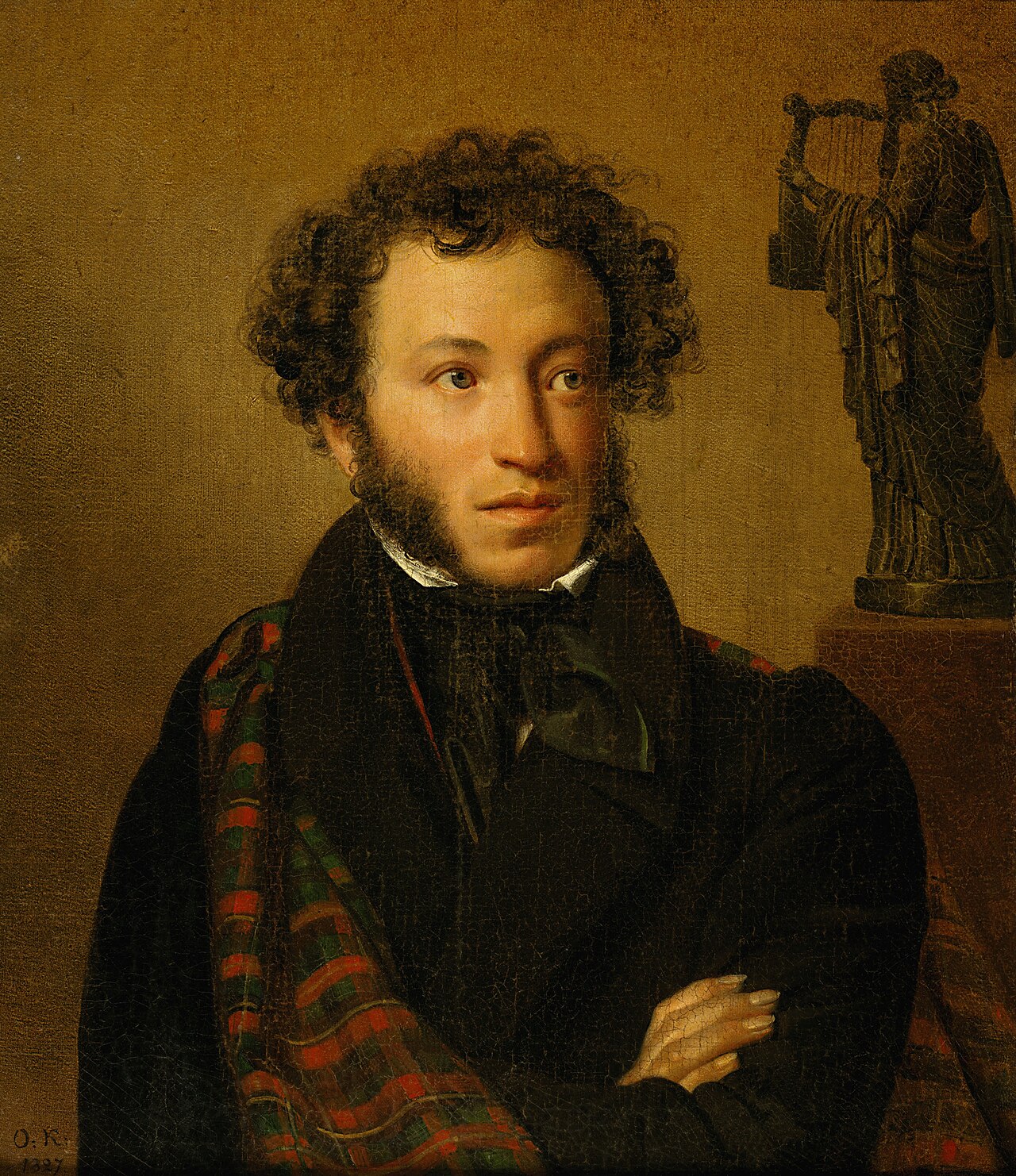 Painting
Primary source
Alexander Pushkin
Orest Kiprensky · 1827
Ready when you are
Start chatting with Alexander Pushkin now.
20 messages free · No credit card · Available in 50+ languages.