


Primary sourceSculpturec. 2600 BCE
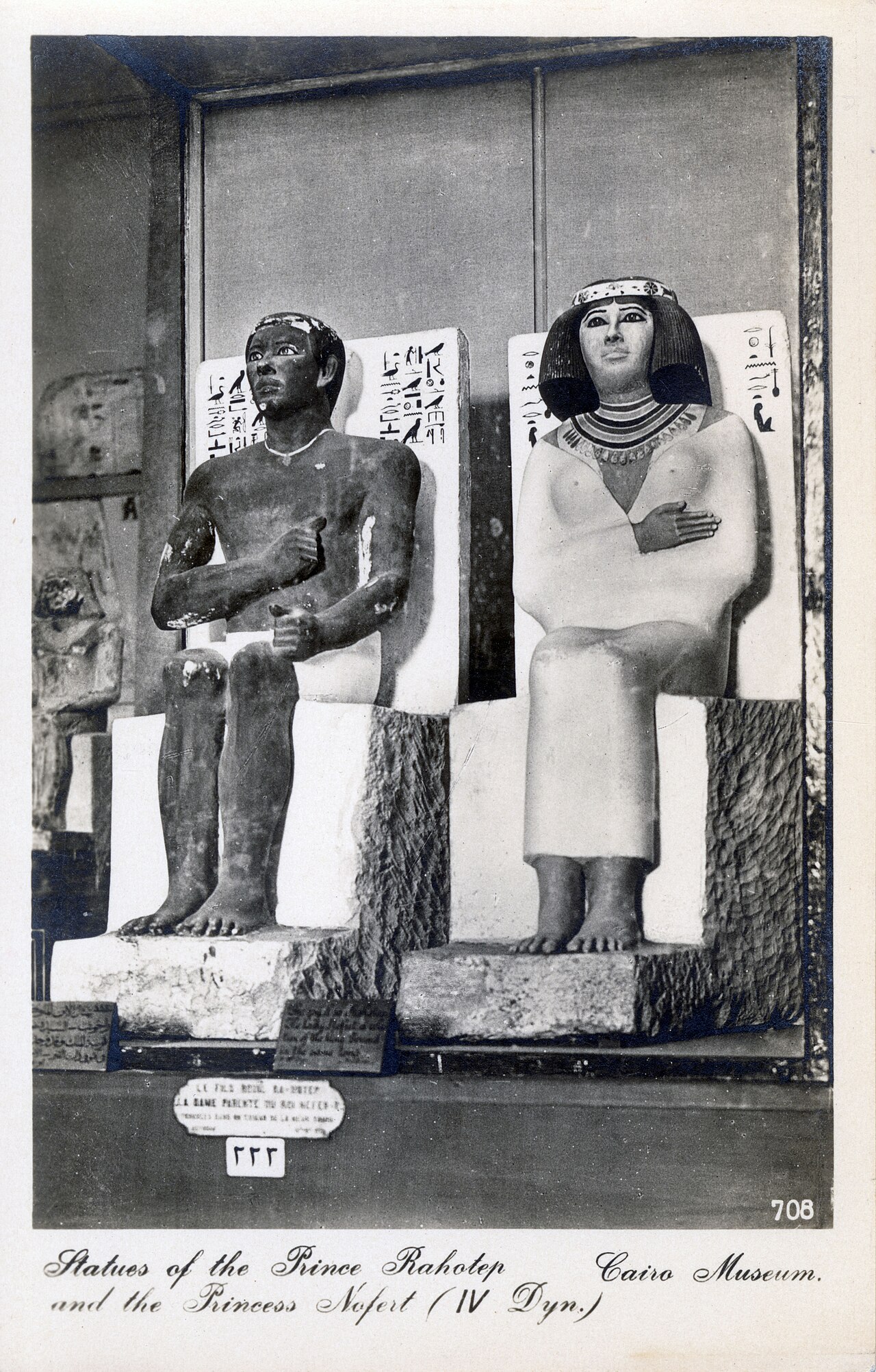
Statue of Rahotep and Nofret
Unknown Egyptian sculptor · c. 2600 BCE
A painted double statue of Prince Rahotep, said to be Khufu's half-brother, and his wife Nofret, a masterpiece of early Fourth Dynasty art.
Depicts Rahotep, said to be Khufu's half-brother, giving context to the royal family network around Khufu.
About this source
What it is
This painted limestone statue shows Prince Rahotep and his wife Nofret seated side by side. It was made around 2600 BCE by an unknown Egyptian sculptor and was found in their tomb at Meidum. It is now kept in the Egyptian Museum in Cairo.
Why it matters
Rahotep is said to have been the son of King Sneferu and half-brother of Khufu, making this statue part of the royal family's visual record. The careful painting and lifelike detail of the figures show the skill of Old Kingdom sculptors and how Egypt's elite wanted to be remembered. It also illustrates the family connections surrounding Khufu's rise to the throne.
Look closer
- What details of clothing, color, and pose tell you about the status of these two people?
- Why might a sculptor paint the man's skin differently from the woman's?
- What does this statue suggest about how Khufu's extended family presented itself?
This sculpture is part of the curated material that grounds the AI version of Pharaoh Khufu (Cheops) on Humy.ai — when students ask about related events, the AI can quote it and cite it.
More Pharaoh Khufu (Cheops) sources
Meet the AI Pharaoh Khufu (Cheops) →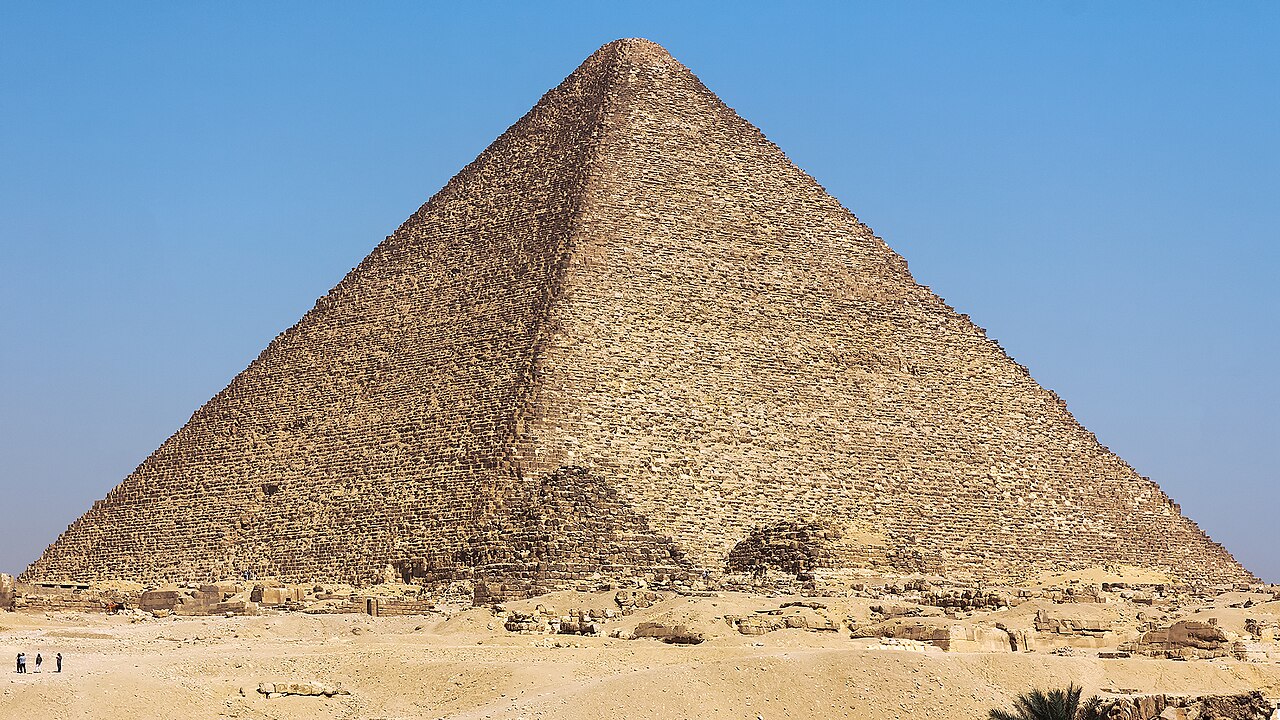 Artifact
Primary source
Great Pyramid of Giza
c. 2560 BCE
 Photograph
Secondary source
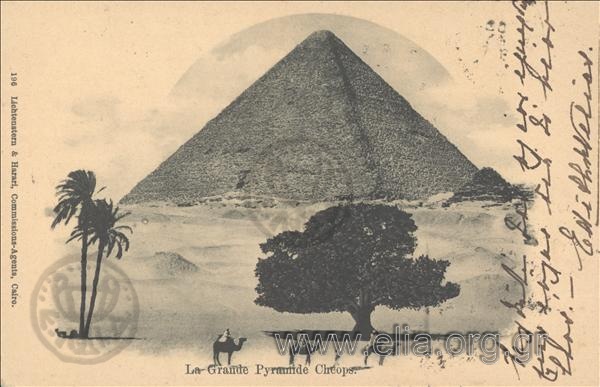
La Grande Pyramide Cheops
1903
 Sculpture
Primary source
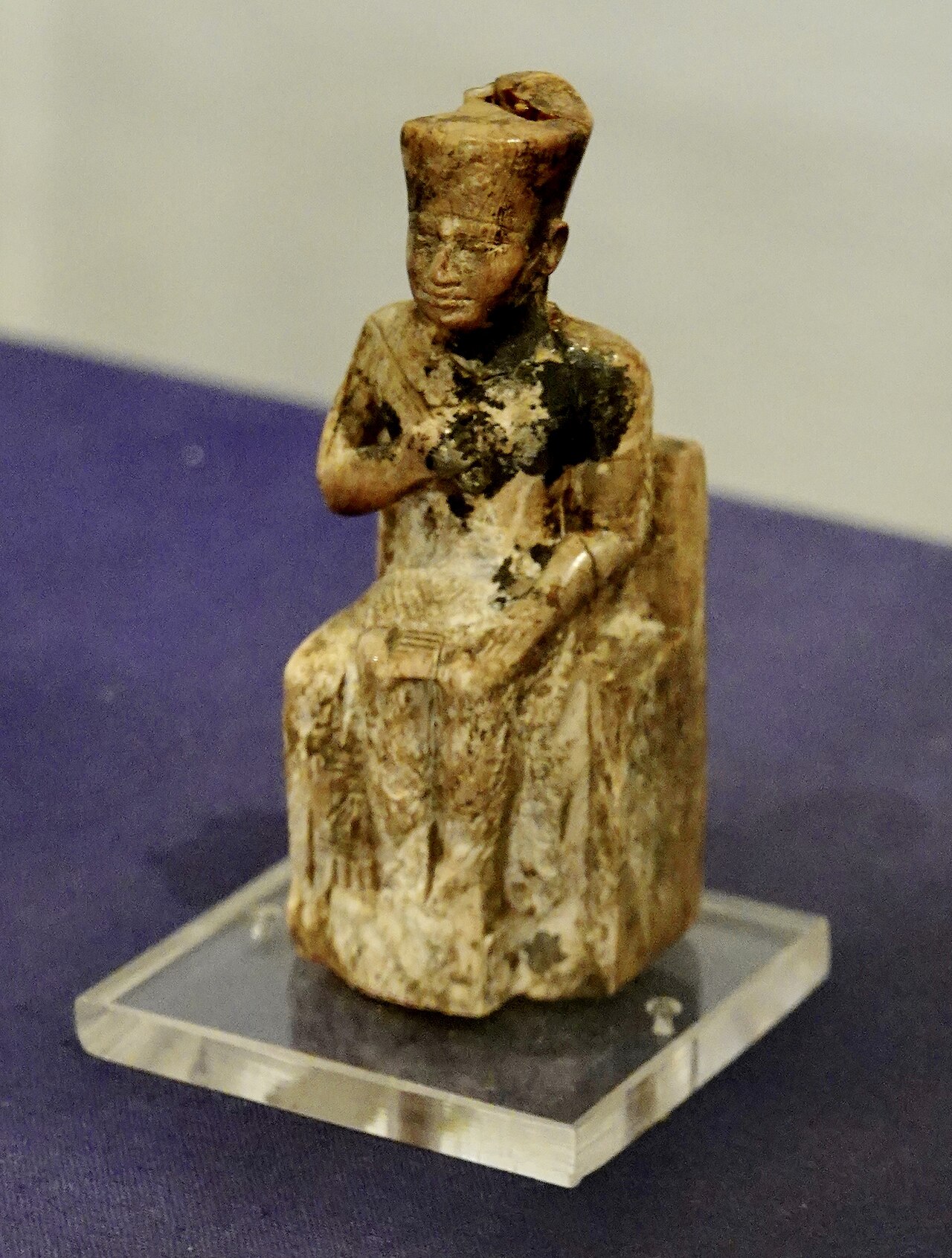
Khufu Statuette
c. 2600–2494 BCE (possibly later, 664–525 BCE)
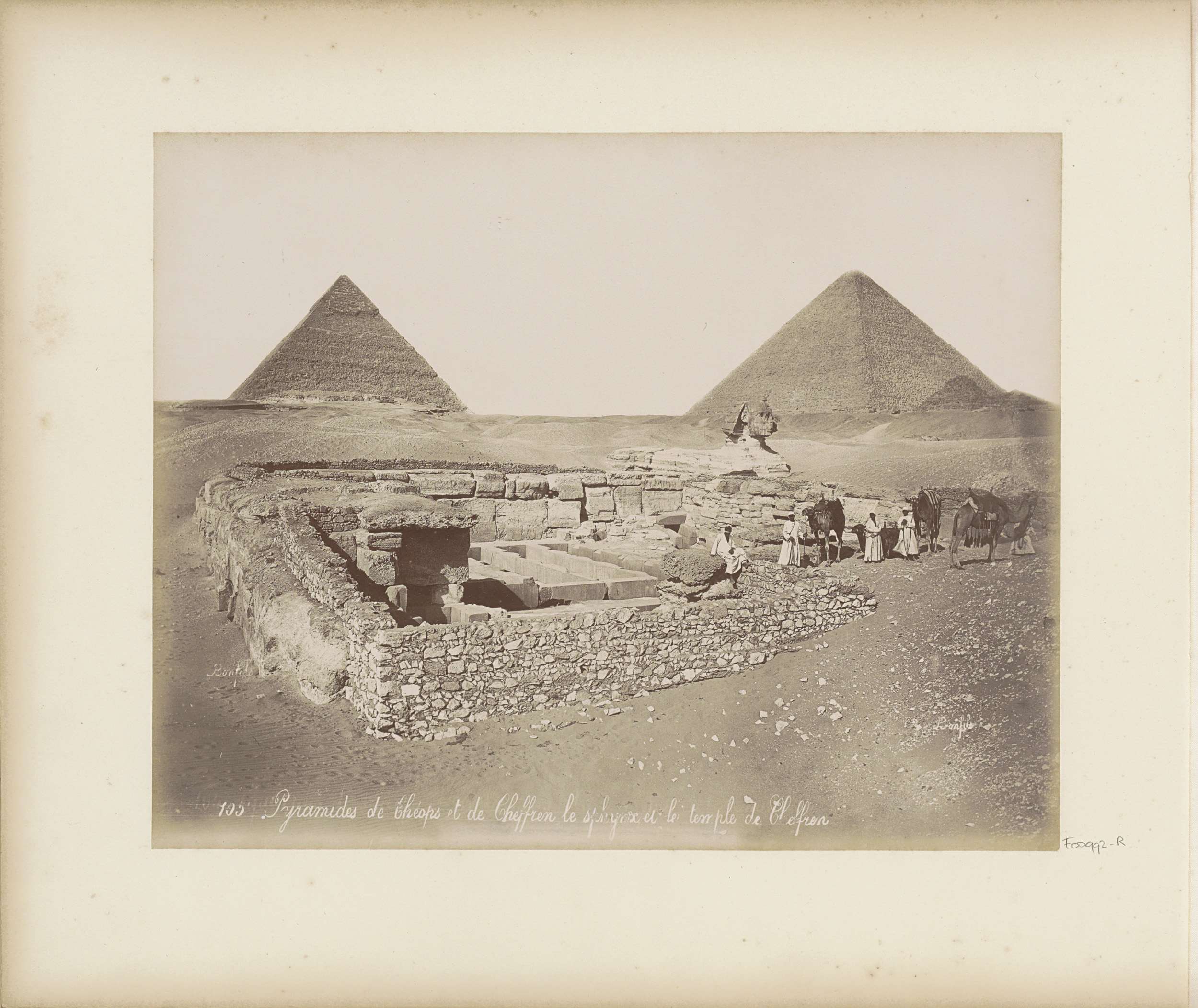 Photograph
Secondary source
Pyramids of Cheops and Chephren and the Sphinx at Giza
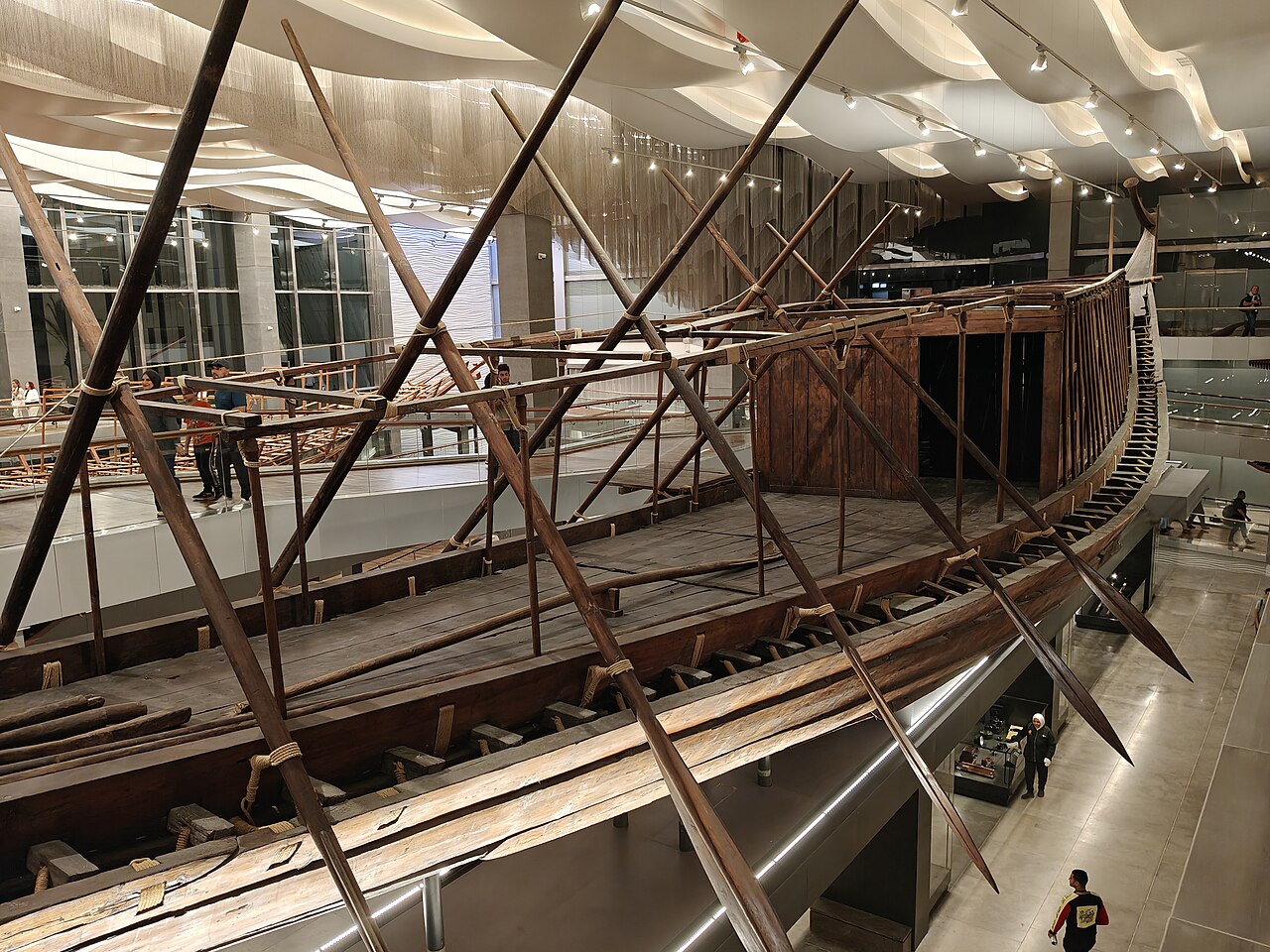 Artifact
Primary source
Khufu ship
Royal shipwrights of Khufu · c. 2566 BCE
Ready when you are
Start chatting with Pharaoh Khufu (Cheops) now.
20 messages free · No credit card · Available in 50+ languages.