


Primary sourceSculpture14th century BCE
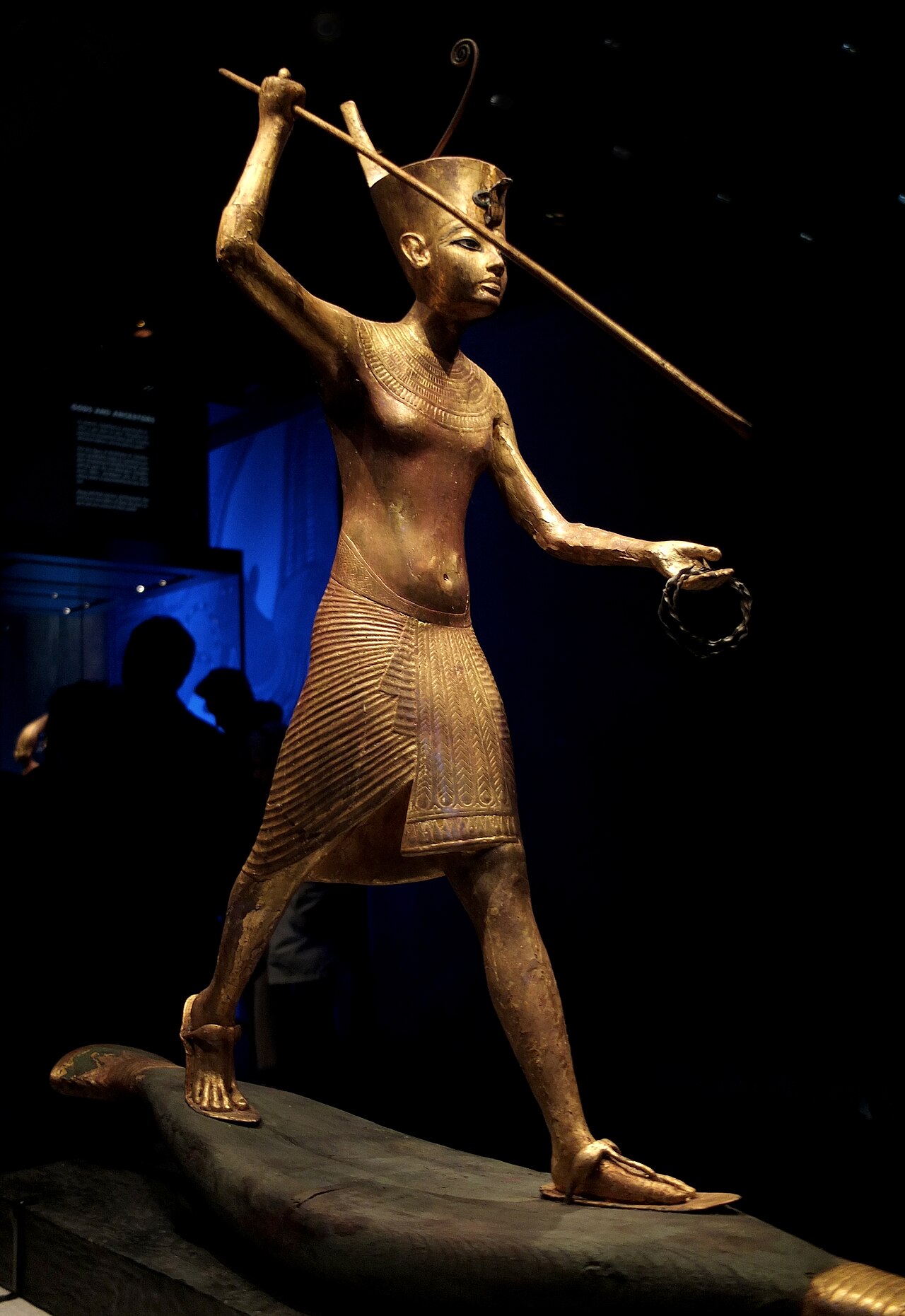
Statue of Tutankhamun on a Reed Float
14th century BCE
A gilded statue from the tomb showing Tutankhamun as a harpooner on a papyrus raft, a ritual image of the king defeating chaos.
This statue, buried with Tutankhamun, depicts him in a ritual pose symbolising his power over chaos.
About this source
What it is
This gold-covered wooden statue, found among Tutankhamun's tomb goods, shows the king striding forward and raising a harpoon, standing on a float meant to represent a papyrus raft. It is now held at the Egyptian Museum in Cairo.
Why it matters
The image of the king as harpooner was a ritual pose connected to myths of overcoming chaos and enemies, linking the pharaoh to divine power. It shows how Egyptian royal art combined everyday imagery, like hunting on the Nile, with deep religious meaning about kingship and order.
Look closer
- Why might a king want to be shown hunting rather than seated on a throne?
- What does the raised harpoon suggest about the pose's symbolic meaning?
- What is missing from the statue that would tell us more about the actual event it may represent, if any?
This sculpture is part of the curated material that grounds the AI version of Tutankhamun on Humy.ai — when students ask about related events, the AI can quote it and cite it.
More Tutankhamun sources
Meet the AI Tutankhamun →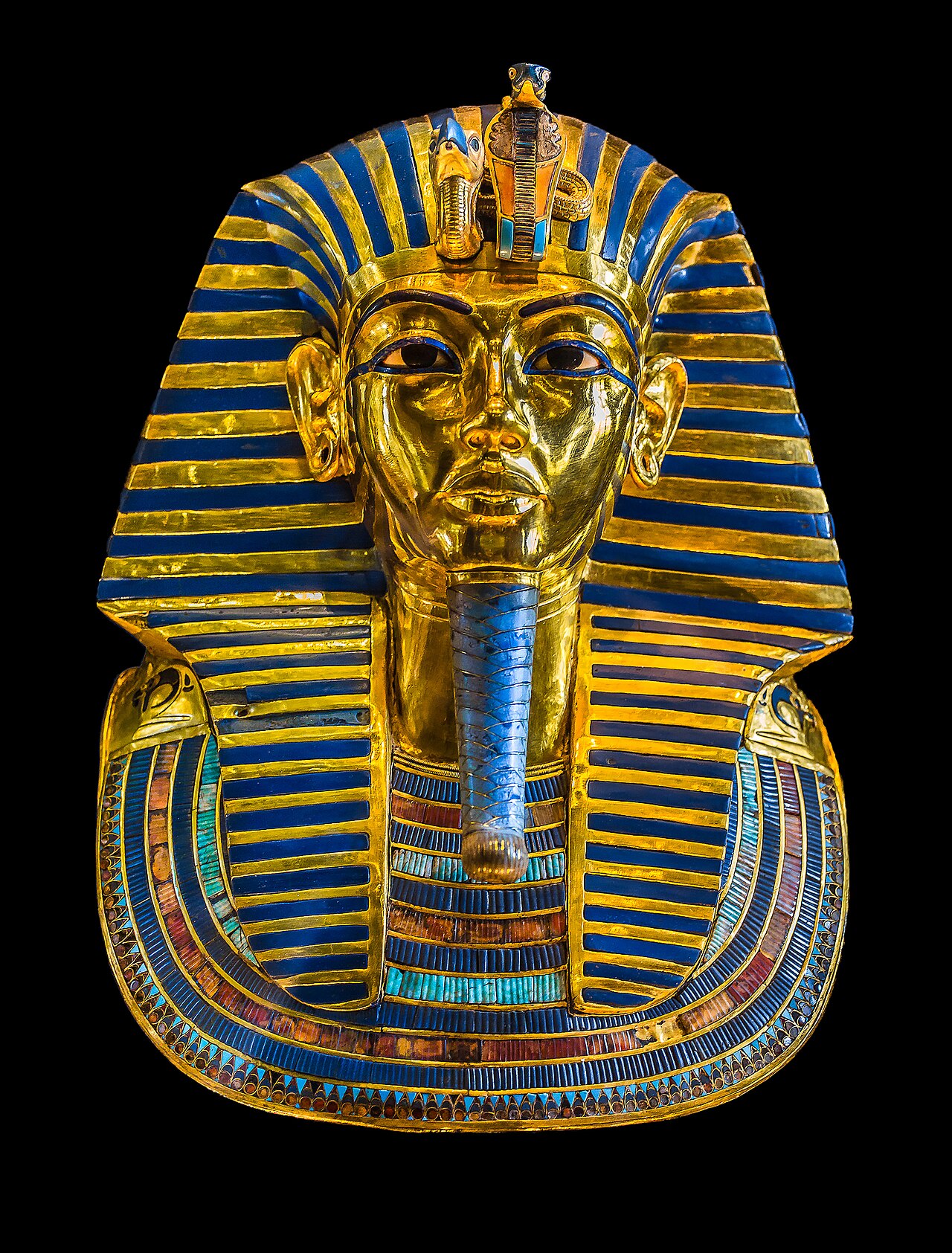 Artifact
Primary source
Mask of Tutankhamun
c. 1333 BCE
 Photograph
Primary source
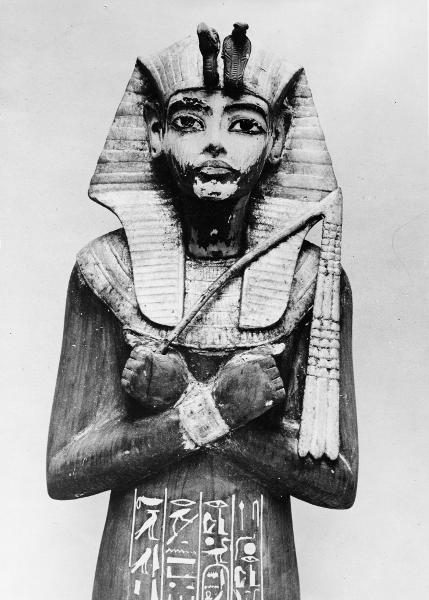
Photograph of Tutankhamun's Shawabti Figure
Harry Burton · 1920s
 Artifact
Primary source
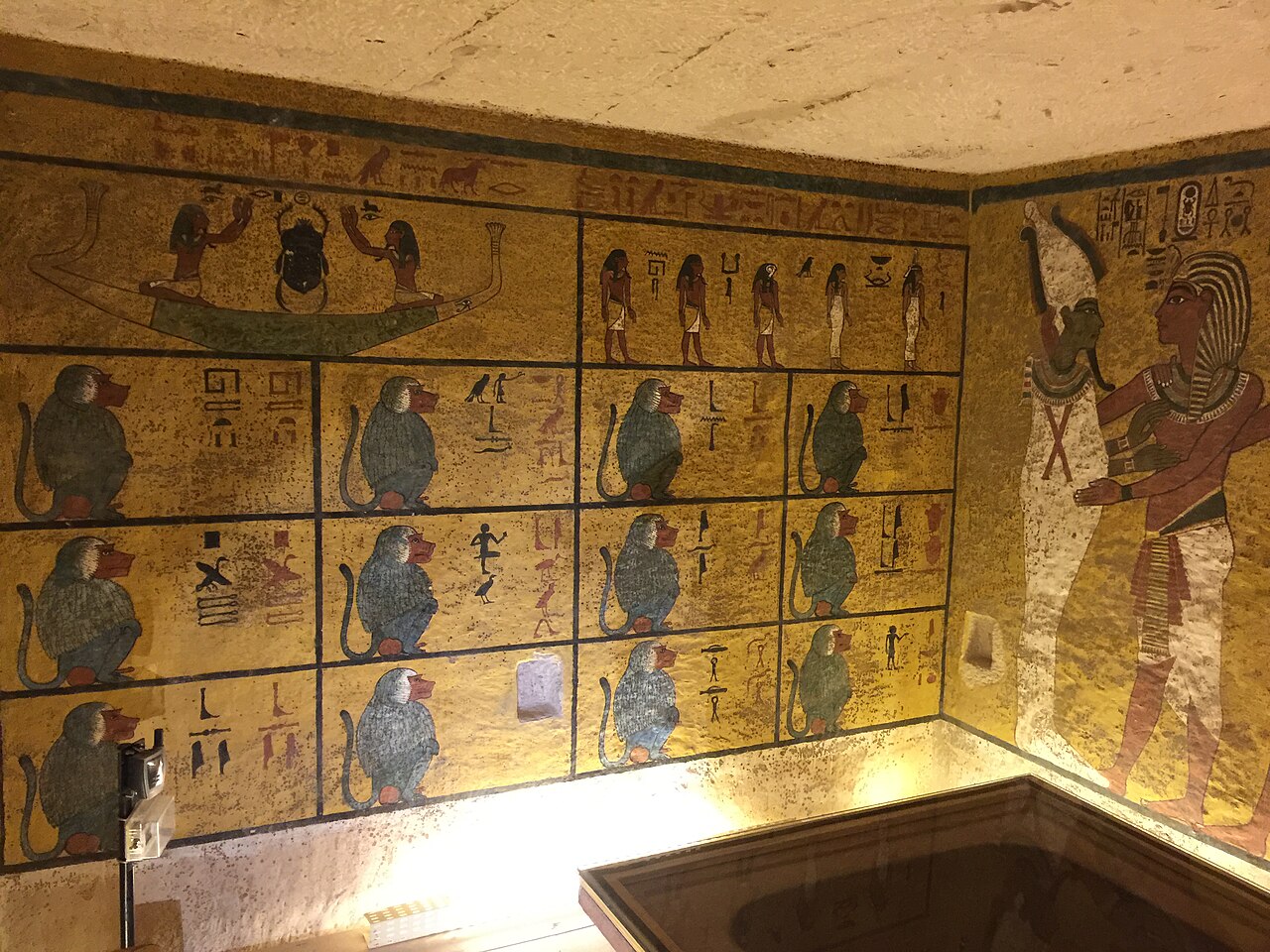
Tomb of Tutankhamun
14th century BCE
 Photograph
Primary source
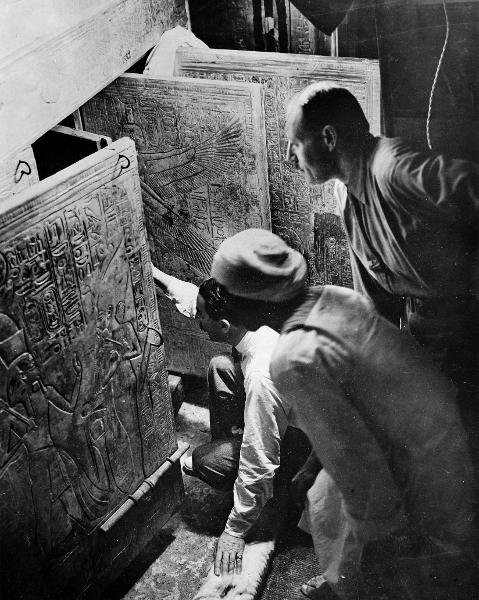
Opening the Doors of the Fourth Shrine in Tutankhamun's Tomb
Harry Burton · 1920s
 Document
Primary source
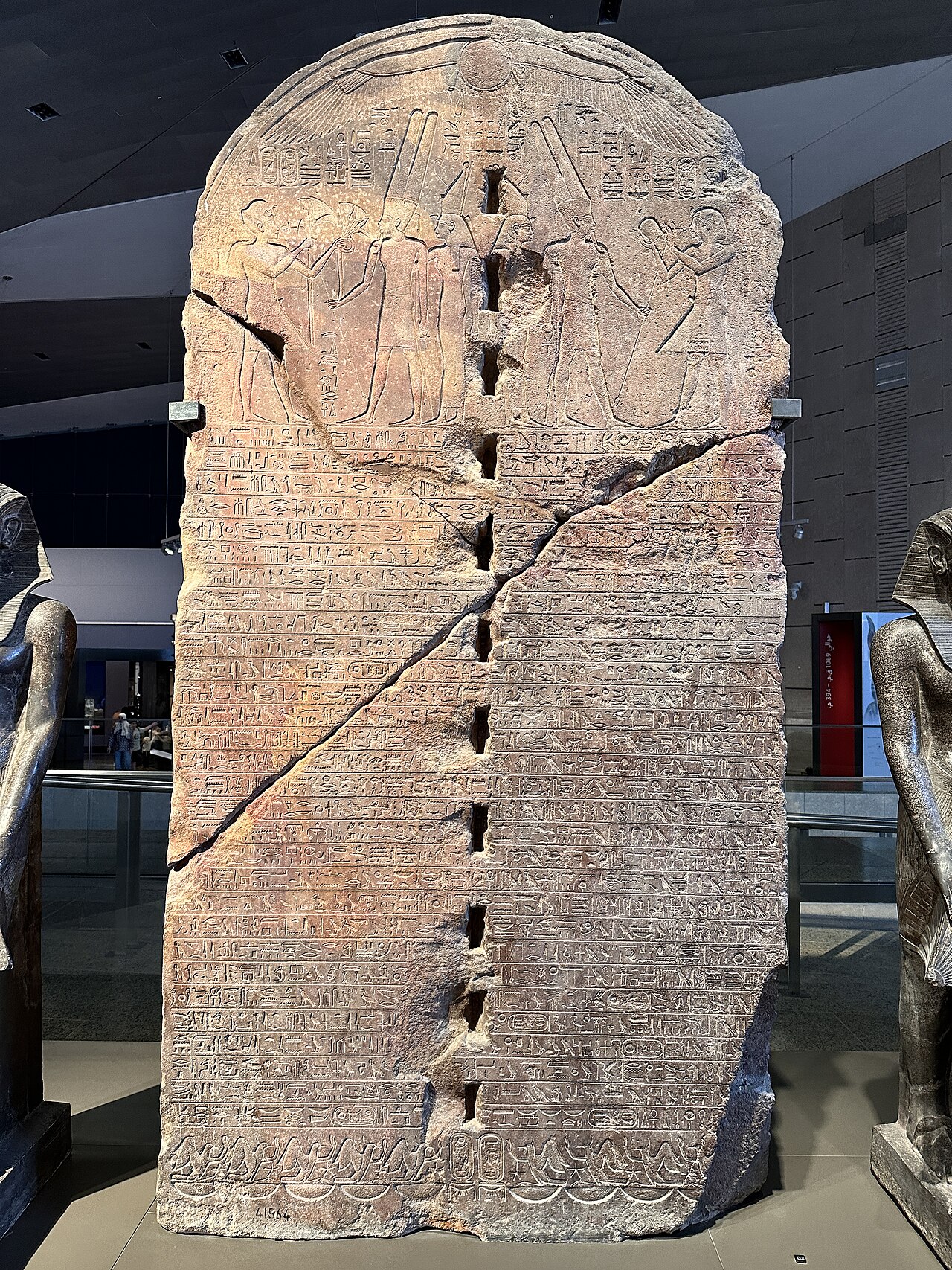
Restoration Stela
Tutankhamun · c. 1326 BCE
Ready when you are
Start chatting with Tutankhamun now.
20 messages free · No credit card · Available in 50+ languages.