


Primary sourceSculpturec. 1320 BCE
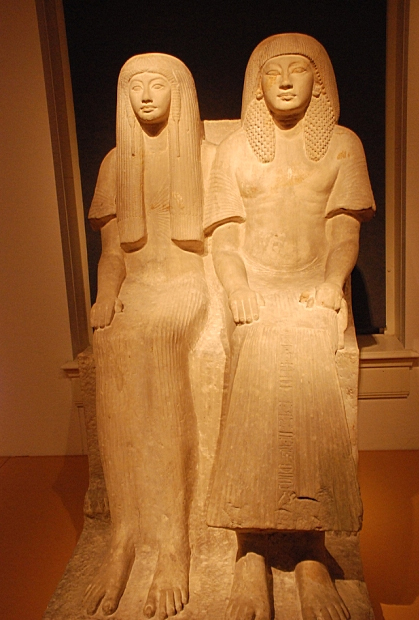
Statues of Maya and Merit
c. 1320 BCE
A pair statue of Maya, Tutankhamun's treasurer who helped oversee his burial, and his wife Merit, now in the Rijksmuseum van Oudheden, Leiden.
Maya, shown here, was the official who helped bury Tutankhamun and later restored his tomb, linking this statue to the pharaoh's afterlife story.
About this source
What it is
This limestone statue, made around 1320 BCE, shows the official Maya and his wife Merit seated together on a shared throne. It has been on display at the Rijksmuseum van Oudheden in Leiden since 1823.
Why it matters
Maya was a treasurer who helped supervise Tutankhamun's burial and later restored the king's tomb after it was robbed. This statue shows the powerful officials who managed the pharaoh's government and funeral, revealing how royal power depended on a network of trusted administrators.
Look closer
- What does the pose of the couple, close together on one throne, suggest about how they wanted to be remembered?
- Why might an official like Maya be honoured with his own statue rather than only appearing in texts?
- What does this statue not tell us about Maya's actual work overseeing Tutankhamun's burial?
This sculpture is part of the curated material that grounds the AI version of Tutankhamun on Humy.ai — when students ask about related events, the AI can quote it and cite it.
More Tutankhamun sources
Meet the AI Tutankhamun →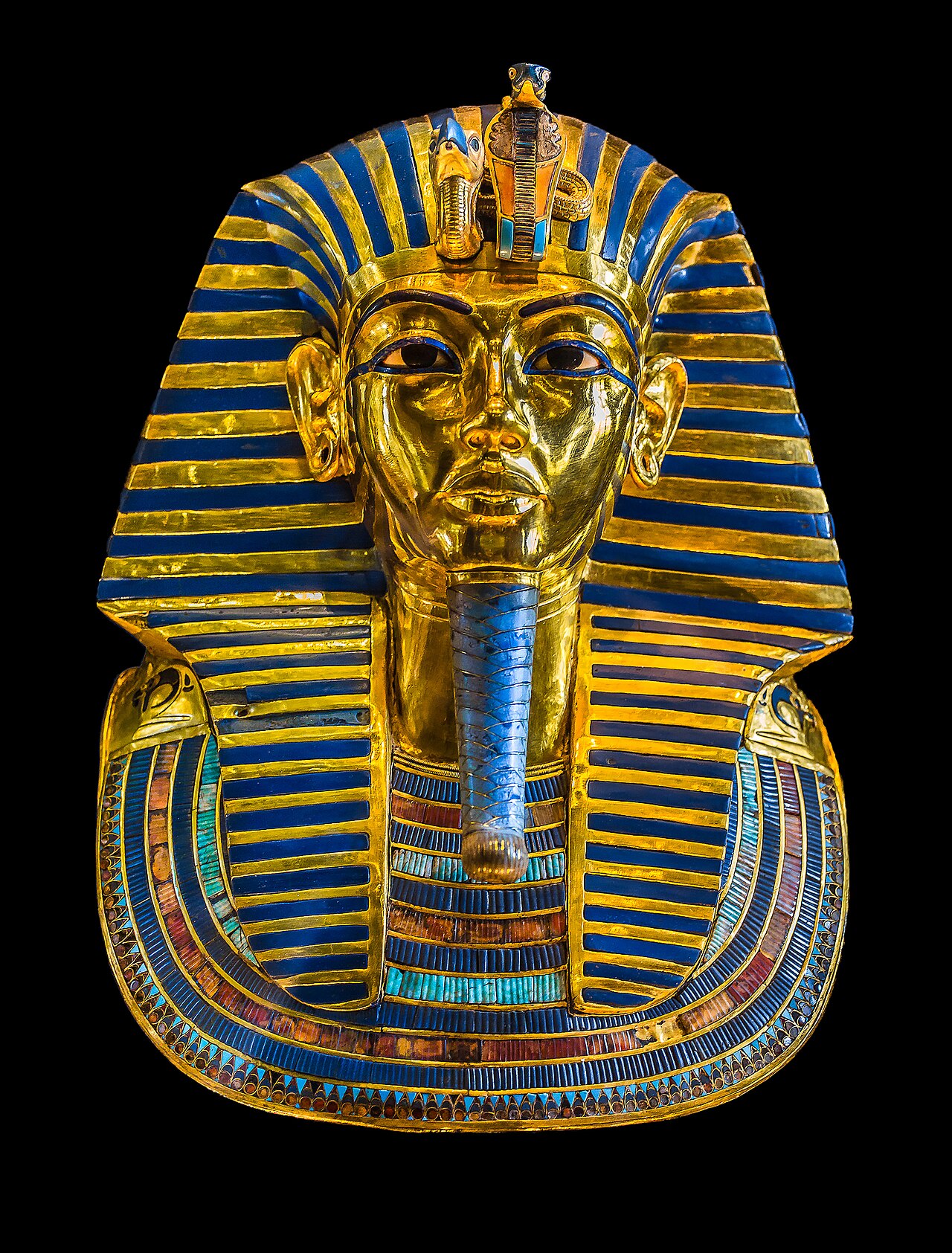 Artifact
Primary source
Mask of Tutankhamun
c. 1333 BCE
 Photograph
Primary source
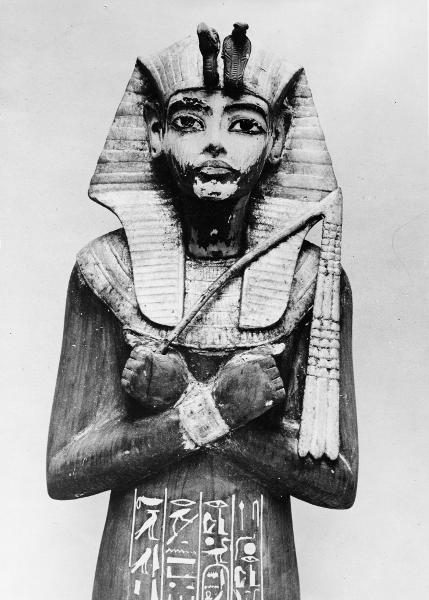
Photograph of Tutankhamun's Shawabti Figure
Harry Burton · 1920s
 Artifact
Primary source
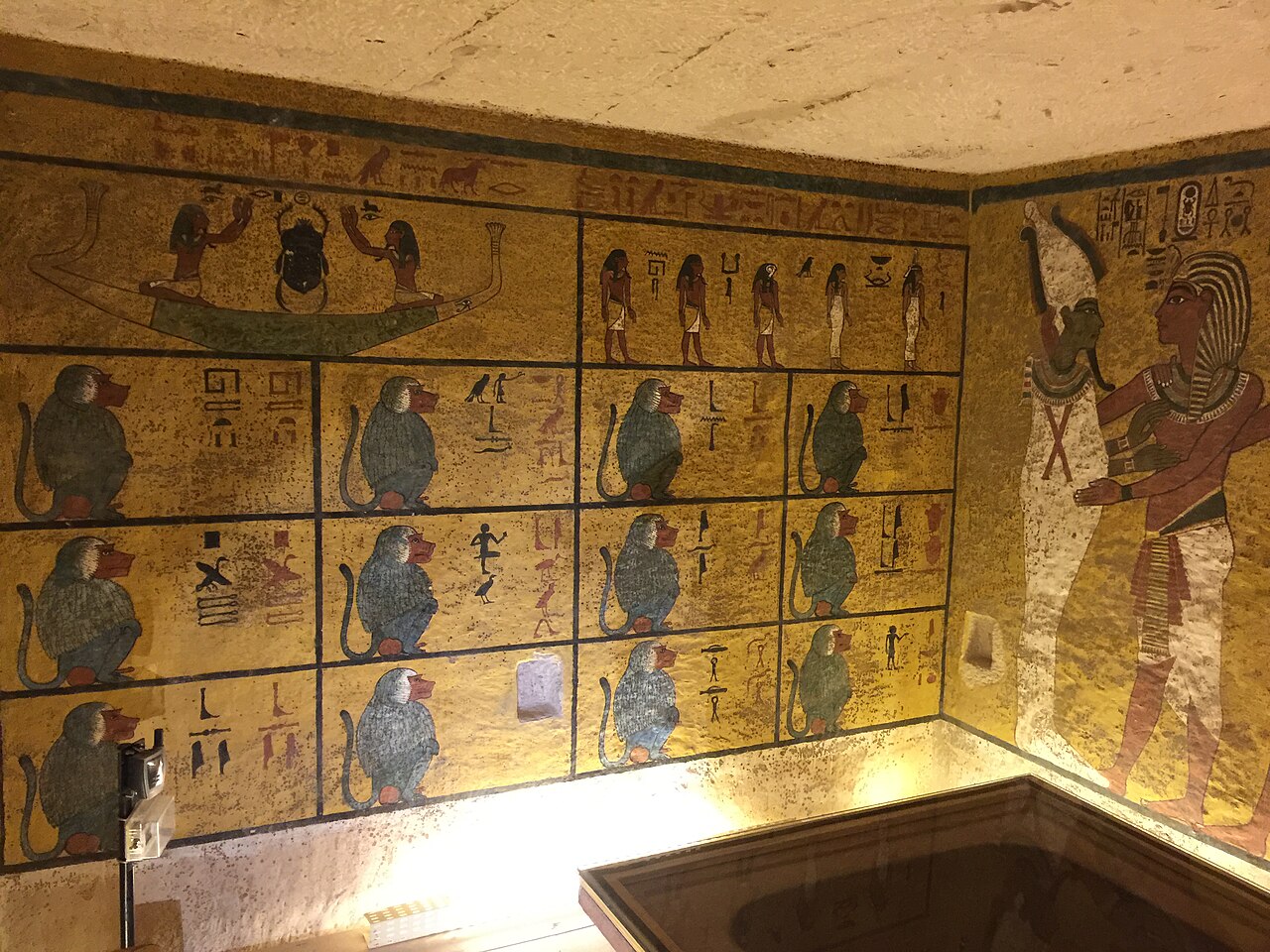
Tomb of Tutankhamun
14th century BCE
 Photograph
Primary source
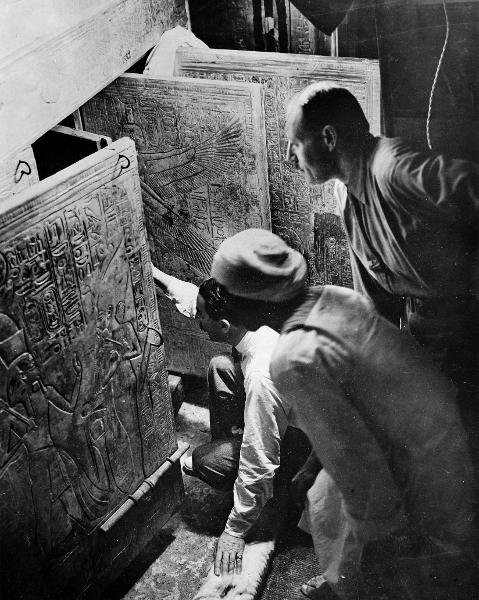
Opening the Doors of the Fourth Shrine in Tutankhamun's Tomb
Harry Burton · 1920s
 Document
Primary source
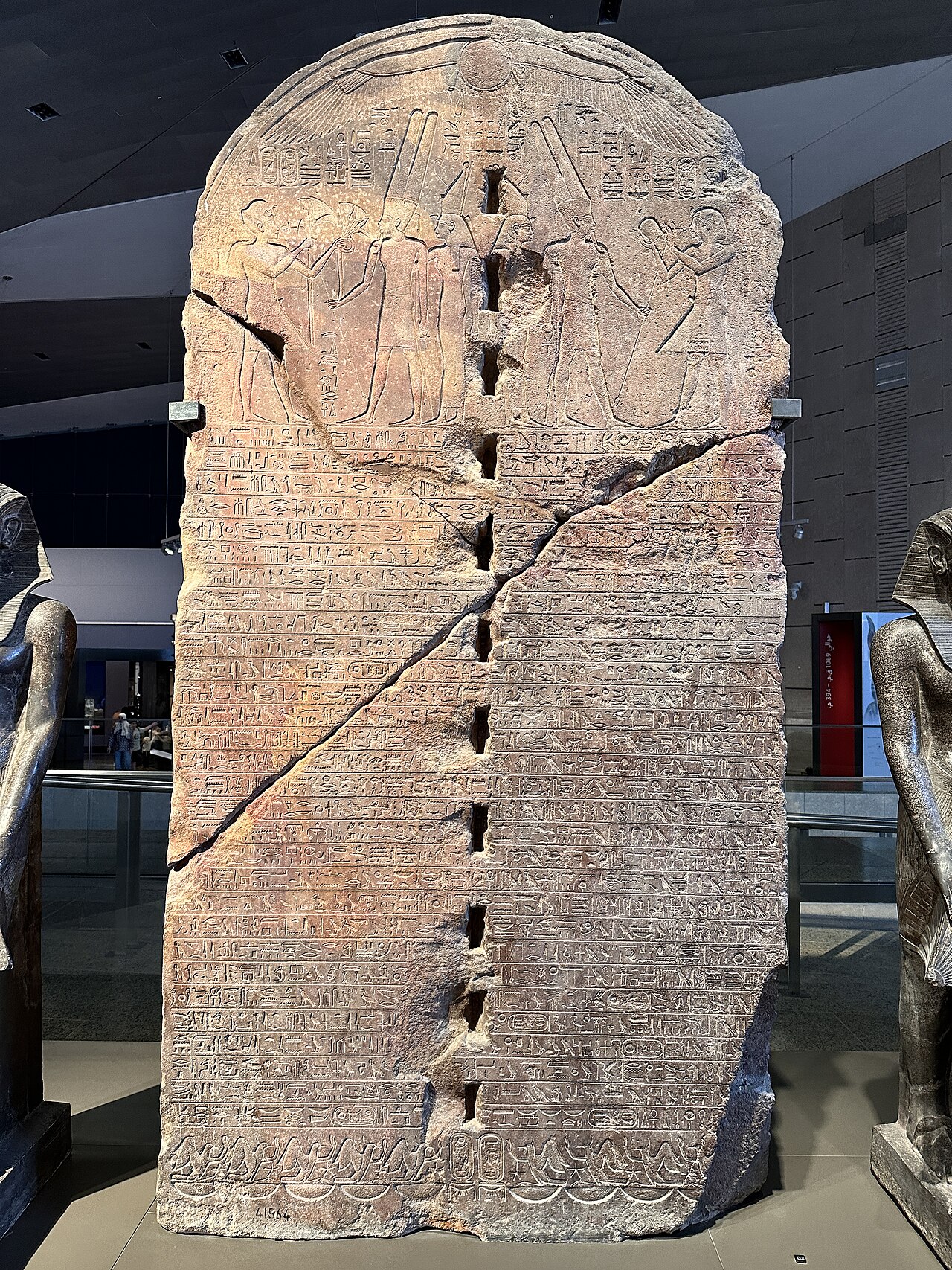
Restoration Stela
Tutankhamun · c. 1326 BCE
Ready when you are
Start chatting with Tutankhamun now.
20 messages free · No credit card · Available in 50+ languages.