


Primary sourceSculpturec. 1344 BCE
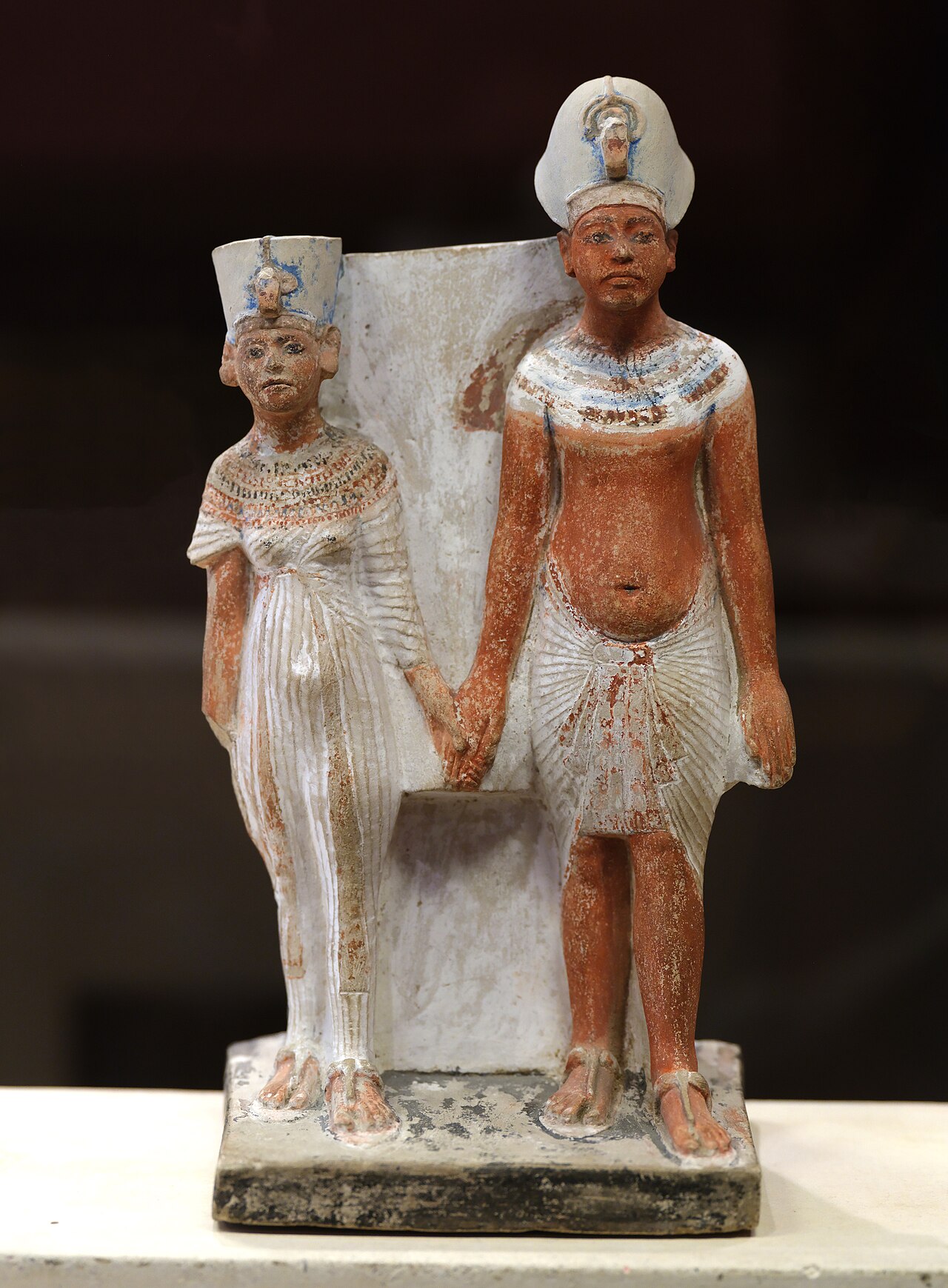
Statuette of Akhenaten and Nefertiti
c. 1344 BCE
A painted limestone statuette of Akhenaten and Nefertiti standing hand in hand, showing the unusual closeness of the royal couple in Amarna art.
This statuette shows Nefertiti standing hand in hand with Akhenaten, emphasising her role as his royal partner.
About this source
What it is
This painted limestone statuette shows King Akhenaten and Queen Nefertiti standing side by side, holding hands, both wearing tall crowns and broad collars. It dates from around 1344 BCE and is held by the Department of Egyptian Antiquities of the Louvre.
Why it matters
Pair statues showing a pharaoh and queen holding hands, as equals and partners, were a striking novelty of the Amarna period. This piece reflects the new emphasis Akhenaten and Nefertiti placed on their joint rule and shared religious role in worship of the Aten.
Look closer
- What does the hand-holding pose suggest about the relationship the sculptor wanted to show?
- Why might the artist have painted the statuette, and what might the original colours have meant?
- What details are missing that would tell us who commissioned this piece and why?
This sculpture is part of the curated material that grounds the AI version of Queen Nefereti on Humy.ai — when students ask about related events, the AI can quote it and cite it.
More Queen Nefereti sources
Meet the AI Queen Nefereti →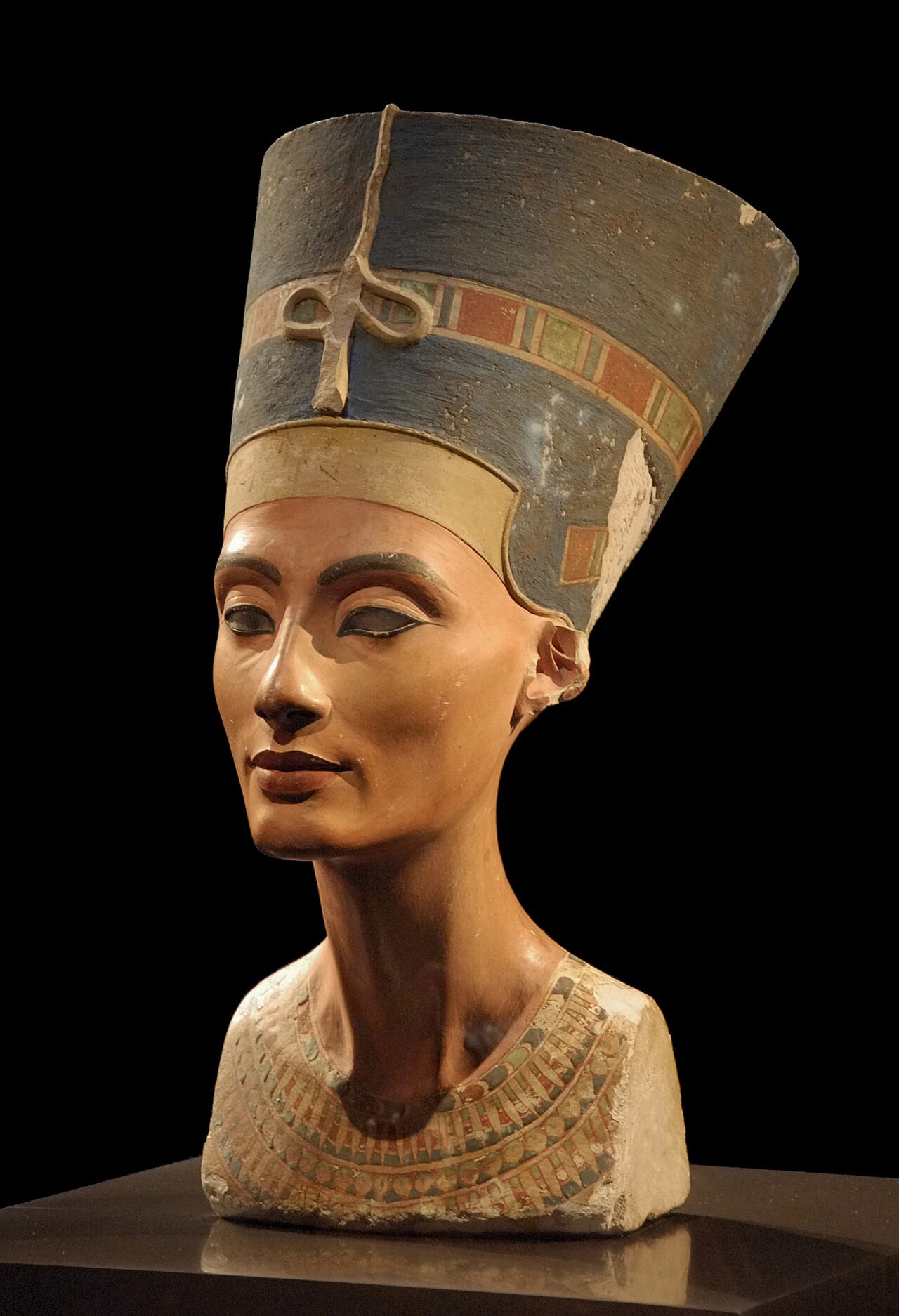 Sculpture
Primary source
Bust of Queen Nefertiti
Thutmose · c. 1345 BC
 Sculpture
Primary source
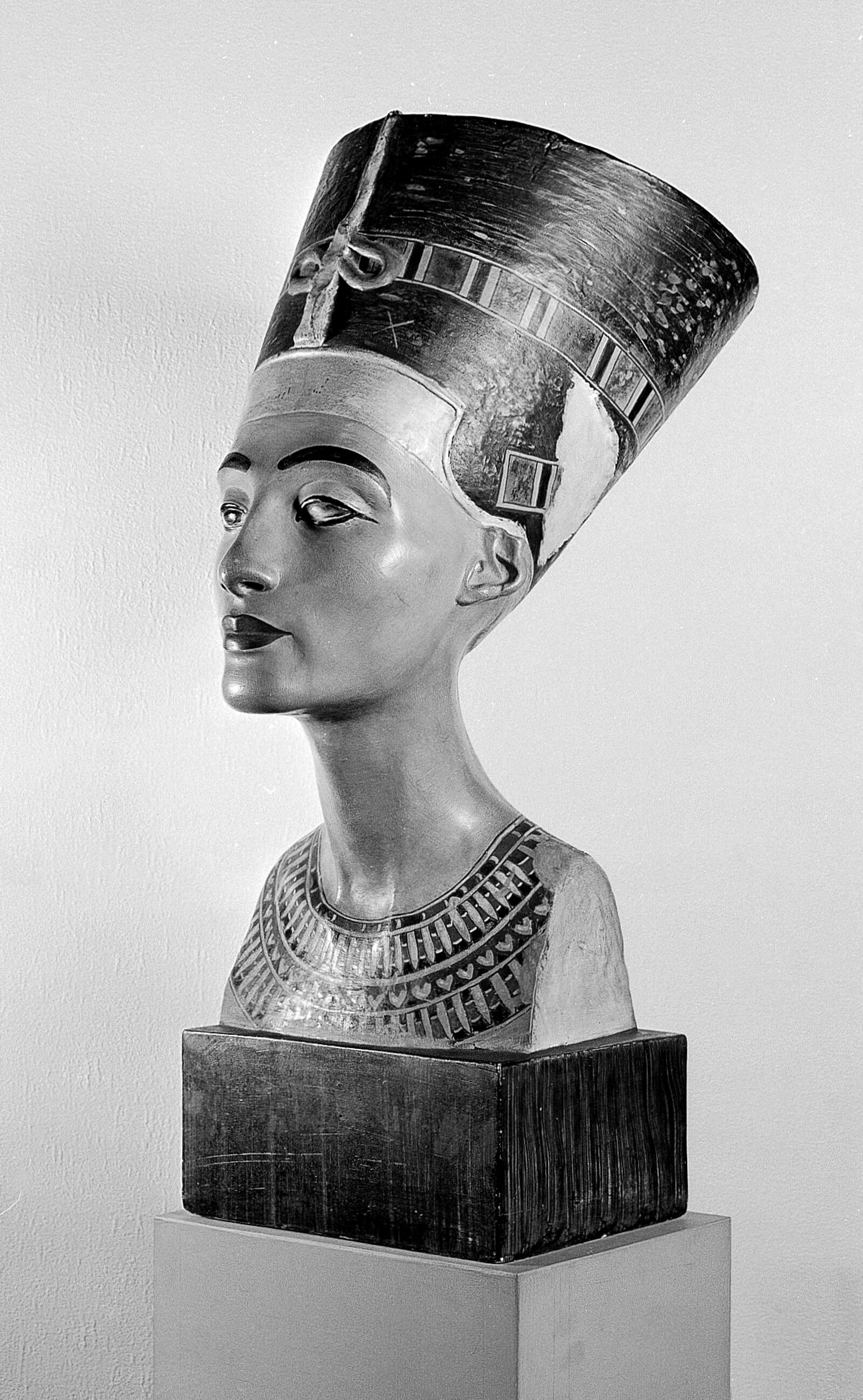
Figure of Nefertiti
 Sculpture
Primary source
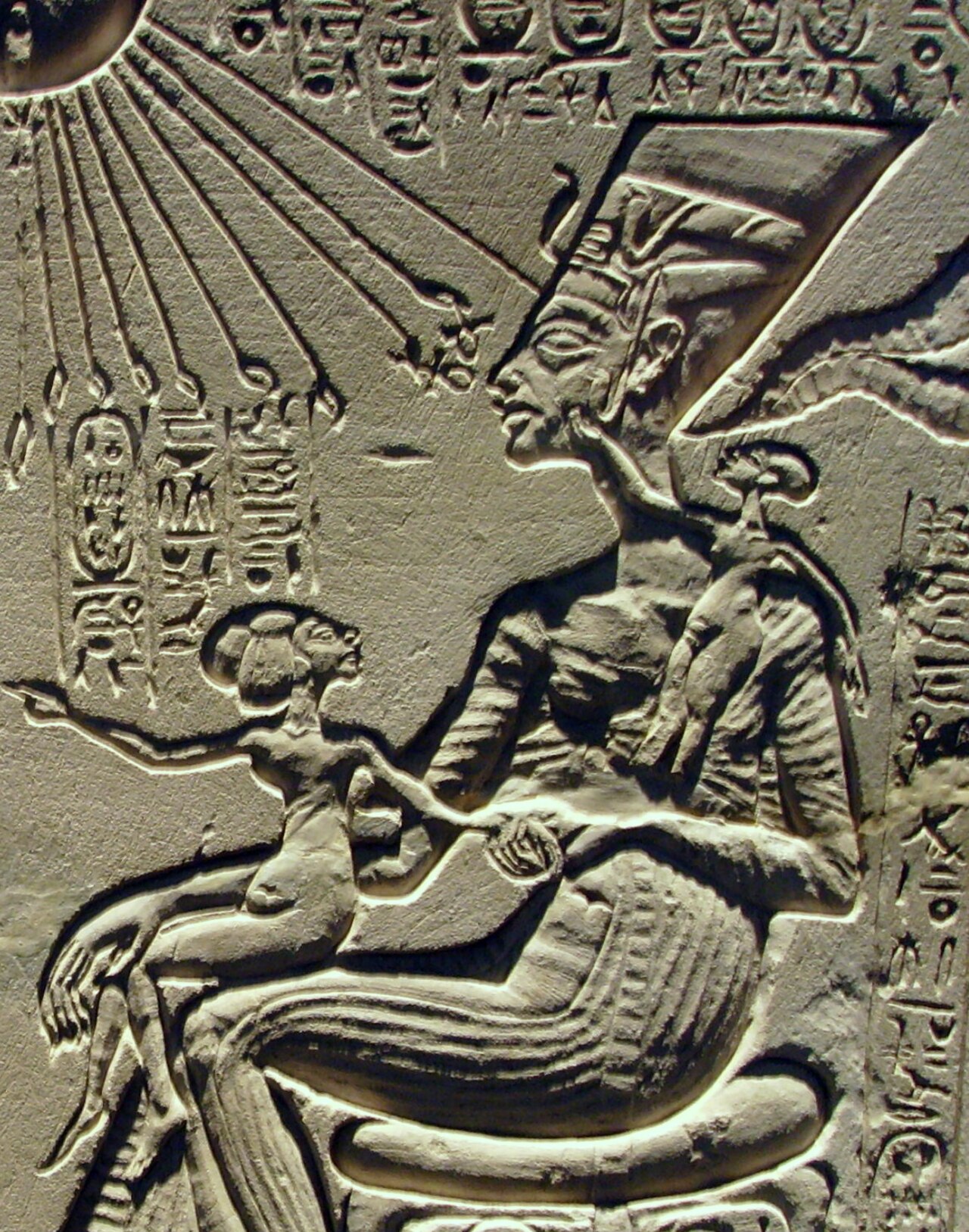
Akhenaten and His Family
c. 1352 BC
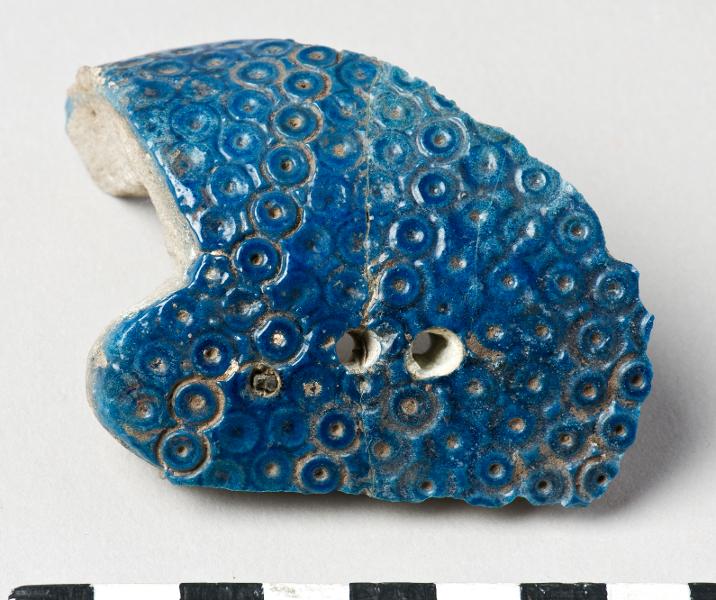 Sculpture
Primary source
Relief Fragment Showing the Blue Crown of Nefertiti
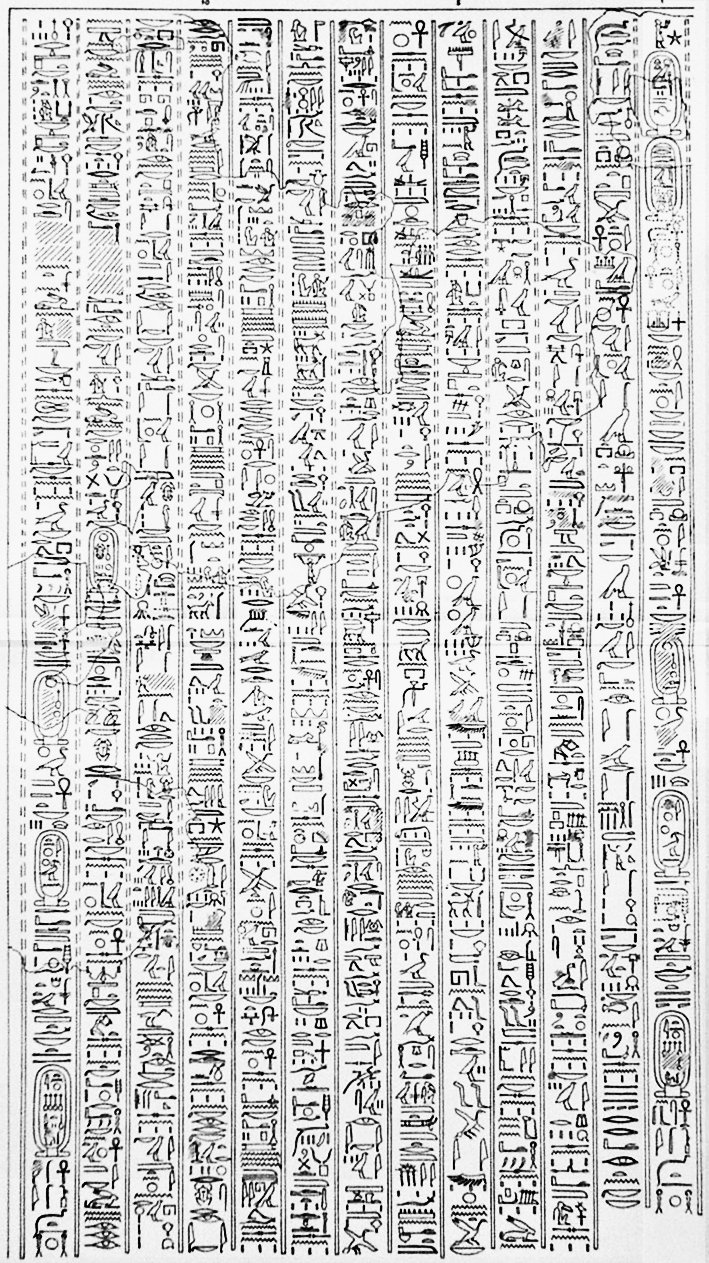 Document
Primary source
Great Hymn to the Aten
Akhenaten · c. 1350 BC
Ready when you are
Start chatting with Queen Nefereti now.
20 messages free · No credit card · Available in 50+ languages.