


Primary sourceArtifact1777
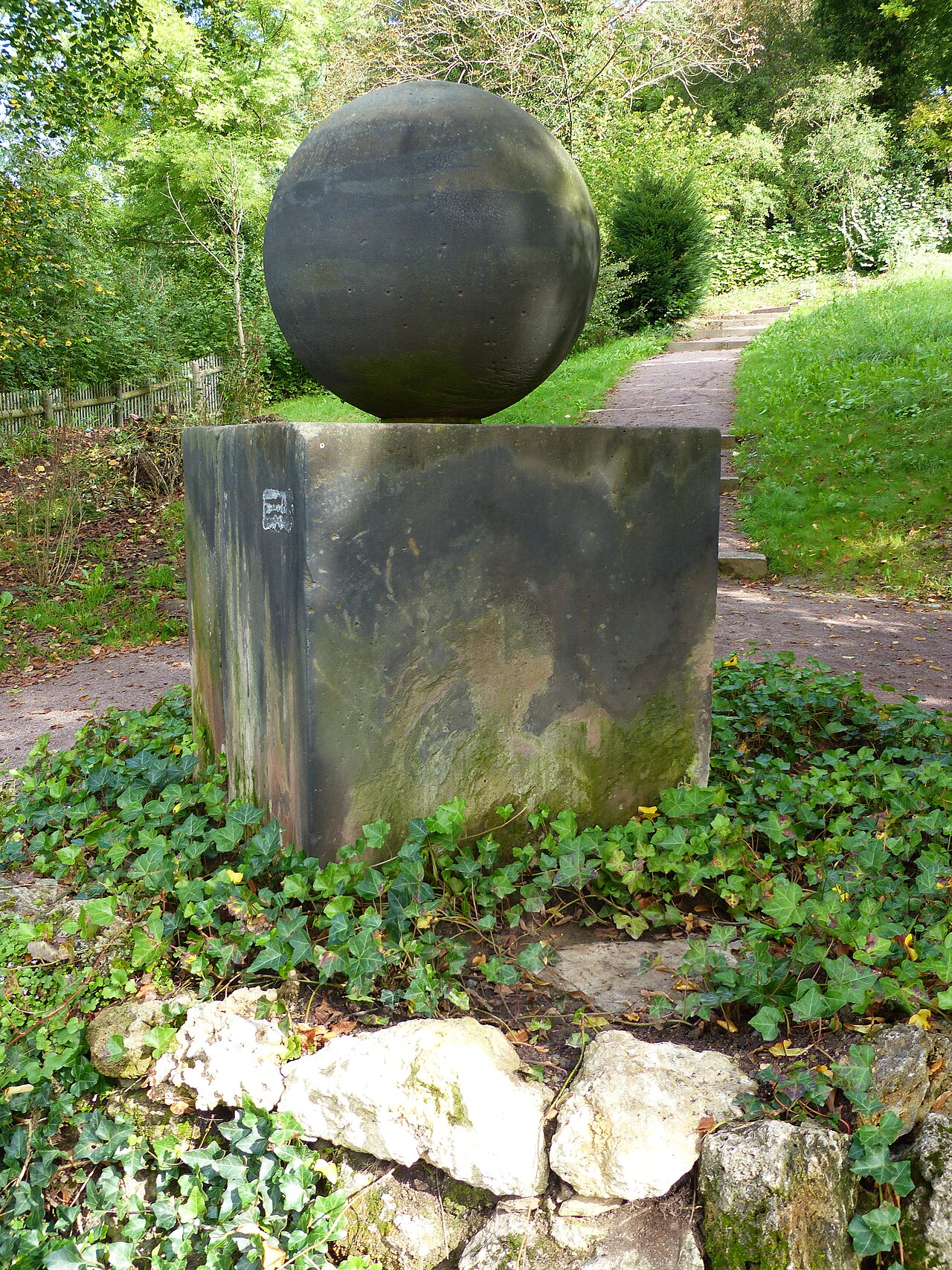
Stein des guten Glücks
Johann Wolfgang von Goethe · 1777
A stone monument designed by Goethe in 1777 for his garden in Weimar, one of the earliest non-figurative monuments in Germany.
Goethe designed this abstract garden monument himself, reflecting his personal artistic and symbolic interests.
About this source
What it is
This is the 'Stein des guten Glücks' (Stone of Good Fortune), a large stone cube topped with a sphere, created in 1777 and associated with Johann Wolfgang von Goethe's garden house in Weimar, now part of the Park an der Ilm.
Why it matters
Unlike most monuments of its time, which showed people or allegorical figures, this piece is purely abstract: a cube and a sphere. It reflects Goethe's interest in simple geometric forms and symbolism, and stands as one of the first non-figurative monuments in Germany, connecting his literary mind to ideas about art and design.
Look closer
- Why might Goethe have chosen a cube and a sphere instead of a statue of a person?
- What feelings or ideas do simple geometric shapes create compared to a figurative statue?
- How has time and weather changed the appearance of the stone, and what does that tell us about monuments outdoors?
This artifact is part of the curated material that grounds the AI version of Johann Wolfgang von Goethe on Humy.ai — when students ask about related events, the AI can quote it and cite it.
More Johann Wolfgang von Goethe sources
Meet the AI Johann Wolfgang von Goethe →Primary source
Faust
Johann Wolfgang von Goethe · drafted 1770s-1831
 Painting
Primary source
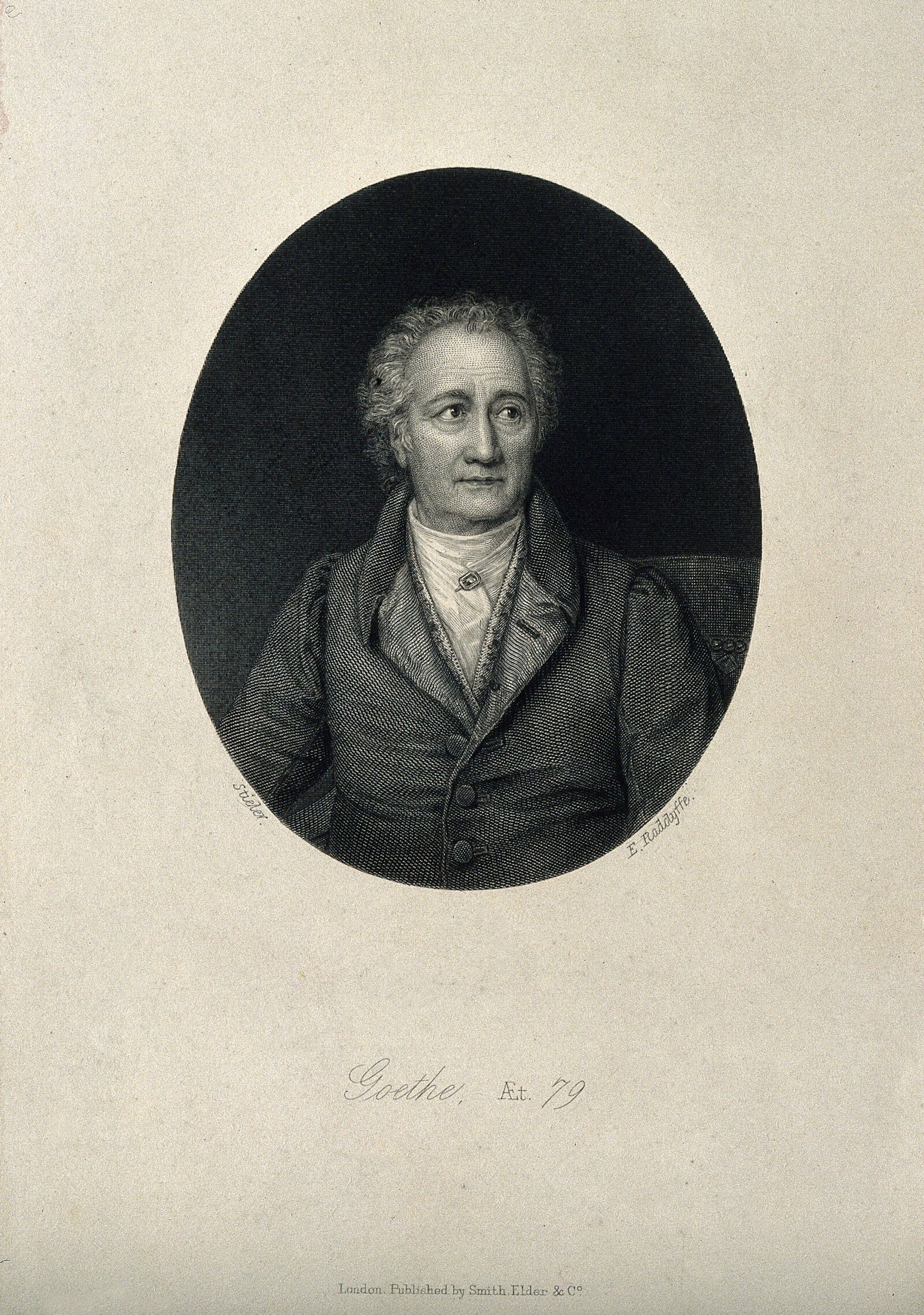
Goethe Line Engraving by Radclyffe after Stieler
E. Radclyffe after J. K. Stieler · 1828
 Book
Primary source
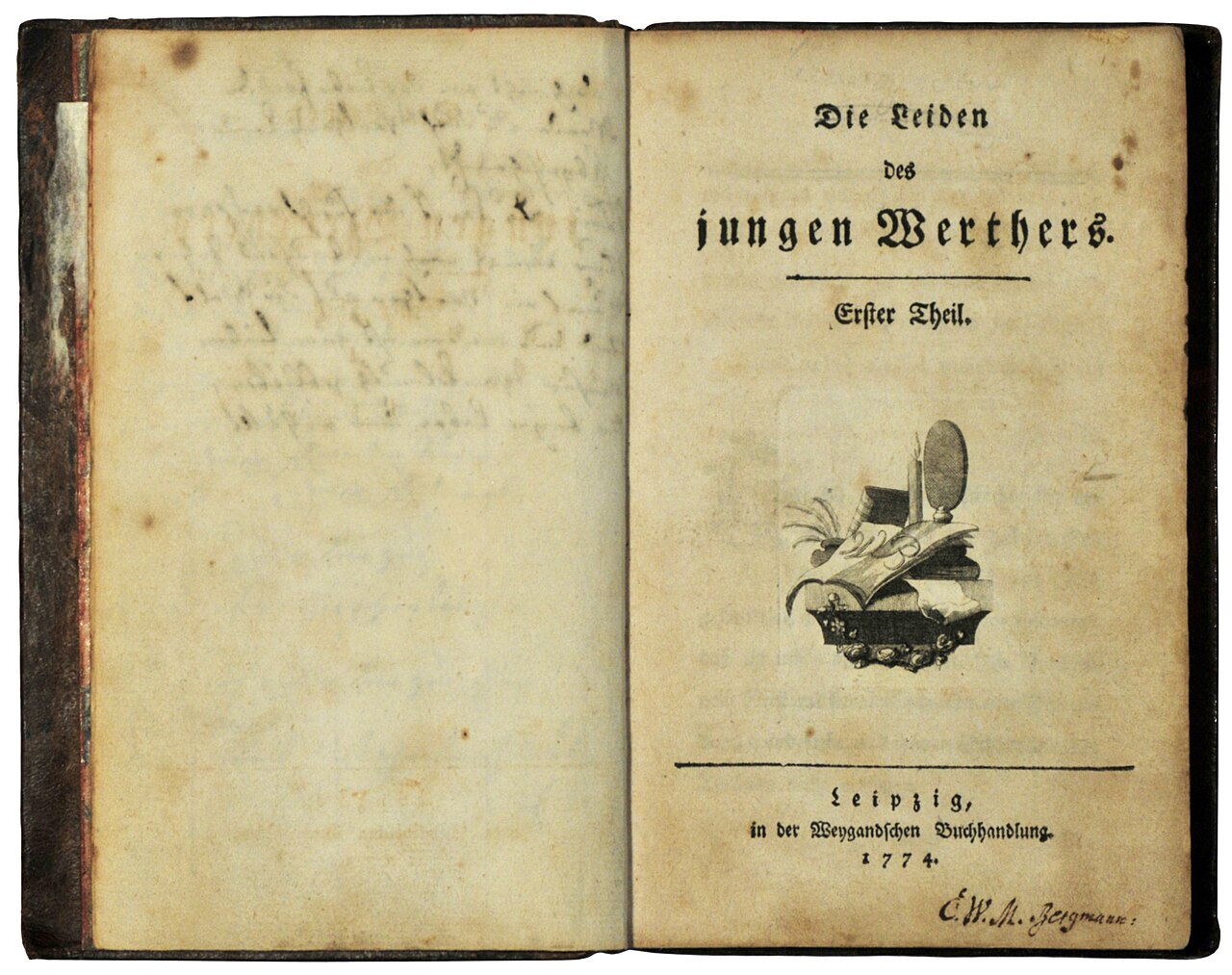
The Sorrows of Young Werther
Johann Wolfgang von Goethe · 1774
 Painting
Primary source
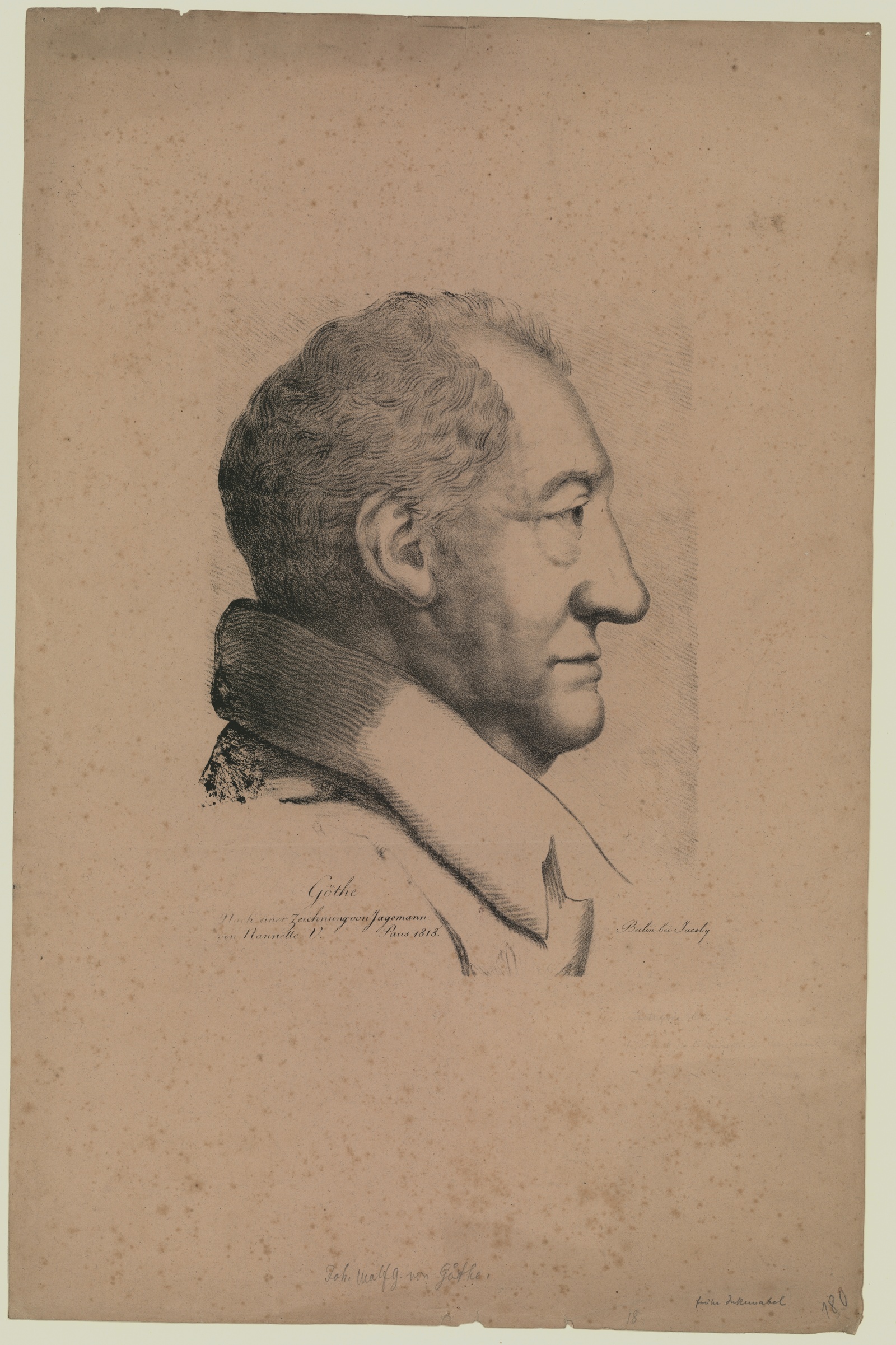
Lithograph Portrait of Goethe by Jagemann and Nanette
F. Jagemann and Nanette · c. 1818
Primary source
Der Erlkönig
Johann Wolfgang von Goethe · 1782
Ready when you are
Start chatting with Johann Wolfgang von Goethe now.
20 messages free · No credit card · Available in 50+ languages.