


Primary sourceSculpturec. 1340 BCE
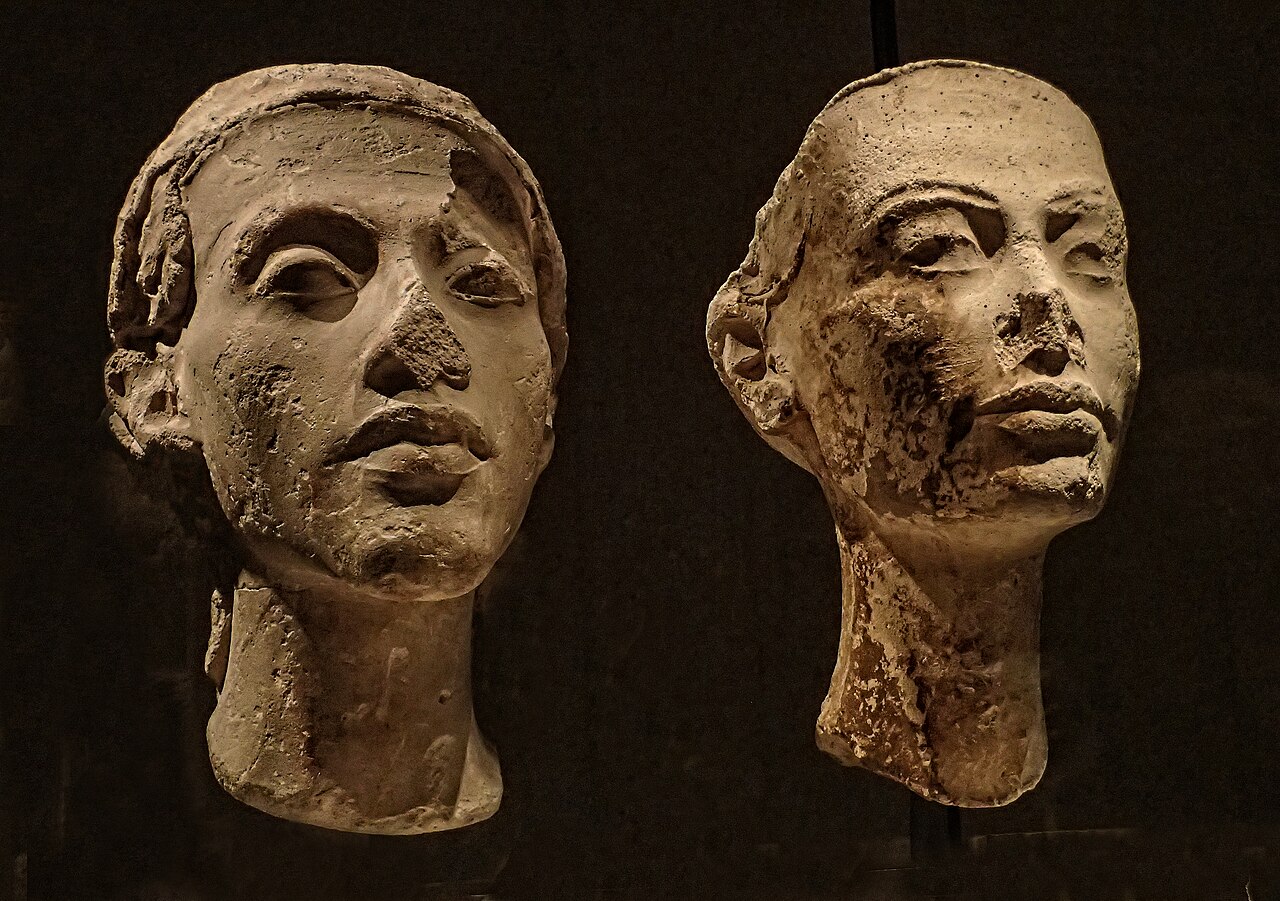
Stucco heads of Akhenaten and Nefertiti from Amarna
c. 1340 BCE
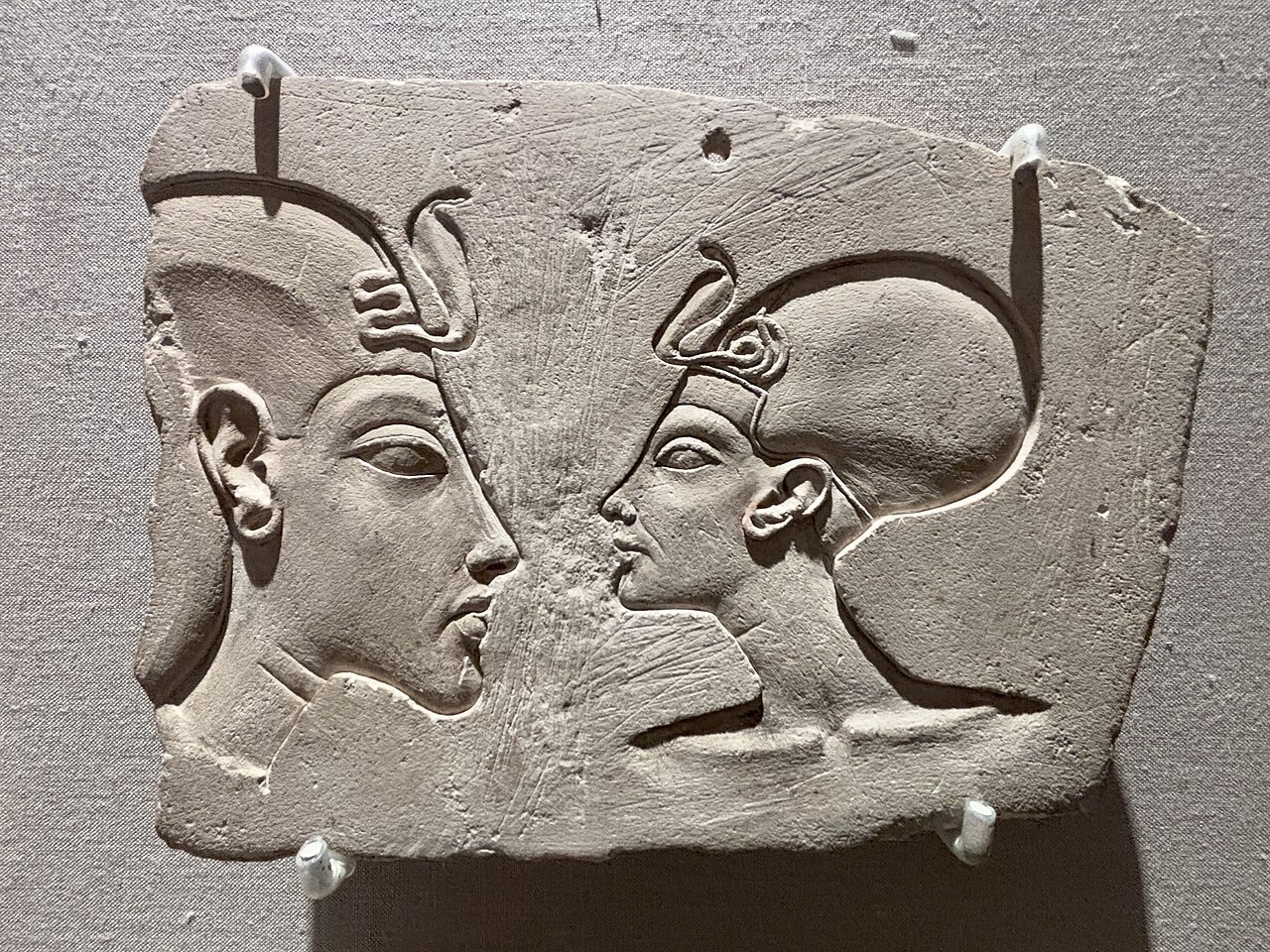
Two stucco sculpted heads from Amarna thought to depict Akhenaten and his queen Nefertiti, showing the distinctive Amarna art style.
These stucco heads from Amarna are identified as portraying Akhenaten alongside his queen Nefertiti.
About this source
What it is
These two stucco heads, dated to around the 18th Dynasty, come from Amarna, the capital city Akhenaten founded for the worship of the Aten. They are identified as depicting Akhenaten and his queen Nefertiti.
Why it matters
The Amarna period produced a distinctive art style, more naturalistic and stylised than earlier Egyptian royal art, often used to show Akhenaten and Nefertiti together. These heads are evidence of that style and of the importance given to the royal couple in the art of the new capital.
Look closer
- What differences can you see between the two heads in terms of condition and features?
- Why might Akhenaten and Nefertiti be shown together so often in Amarna art?
- What might be lost in identifying weathered or damaged sculptures with specific historical people?
This sculpture is part of the curated material that grounds the AI version of Akhenaten on Humy.ai — when students ask about related events, the AI can quote it and cite it.
More Akhenaten sources
Browse all 99 →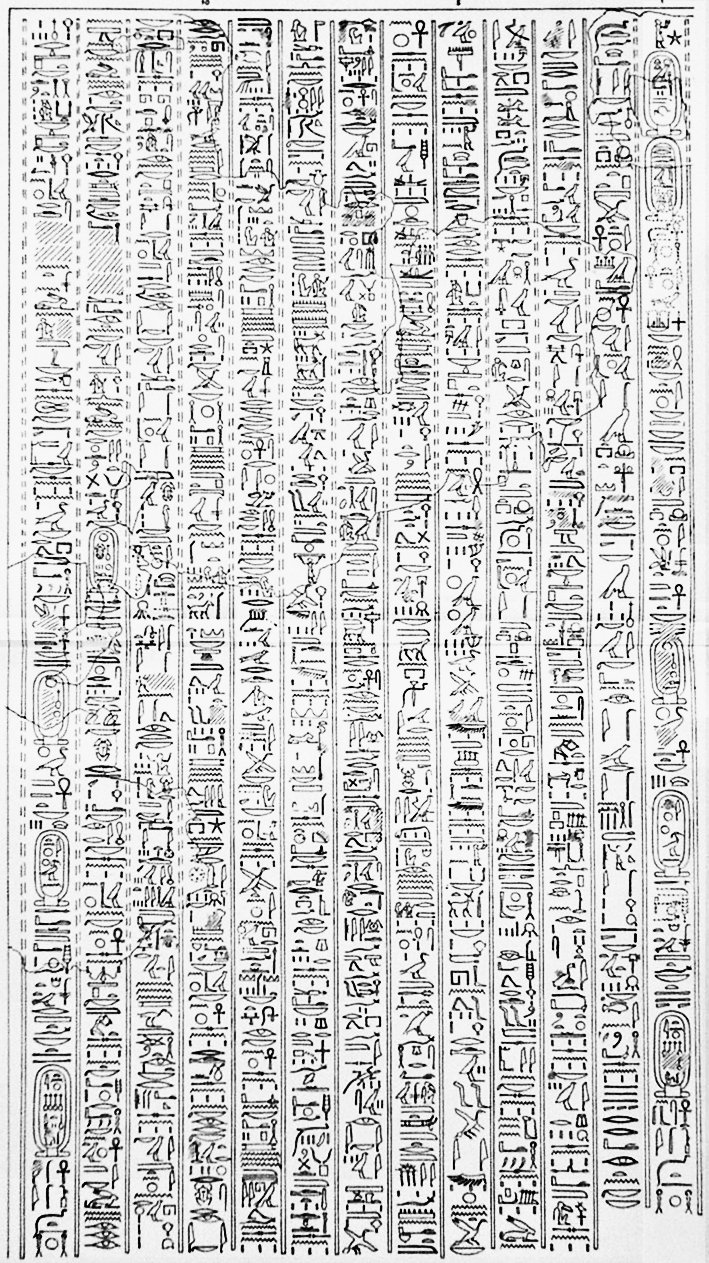 Document
Primary source
Great Hymn to the Aten
Akhenaten · c. 1350 BC
 Document
Primary source
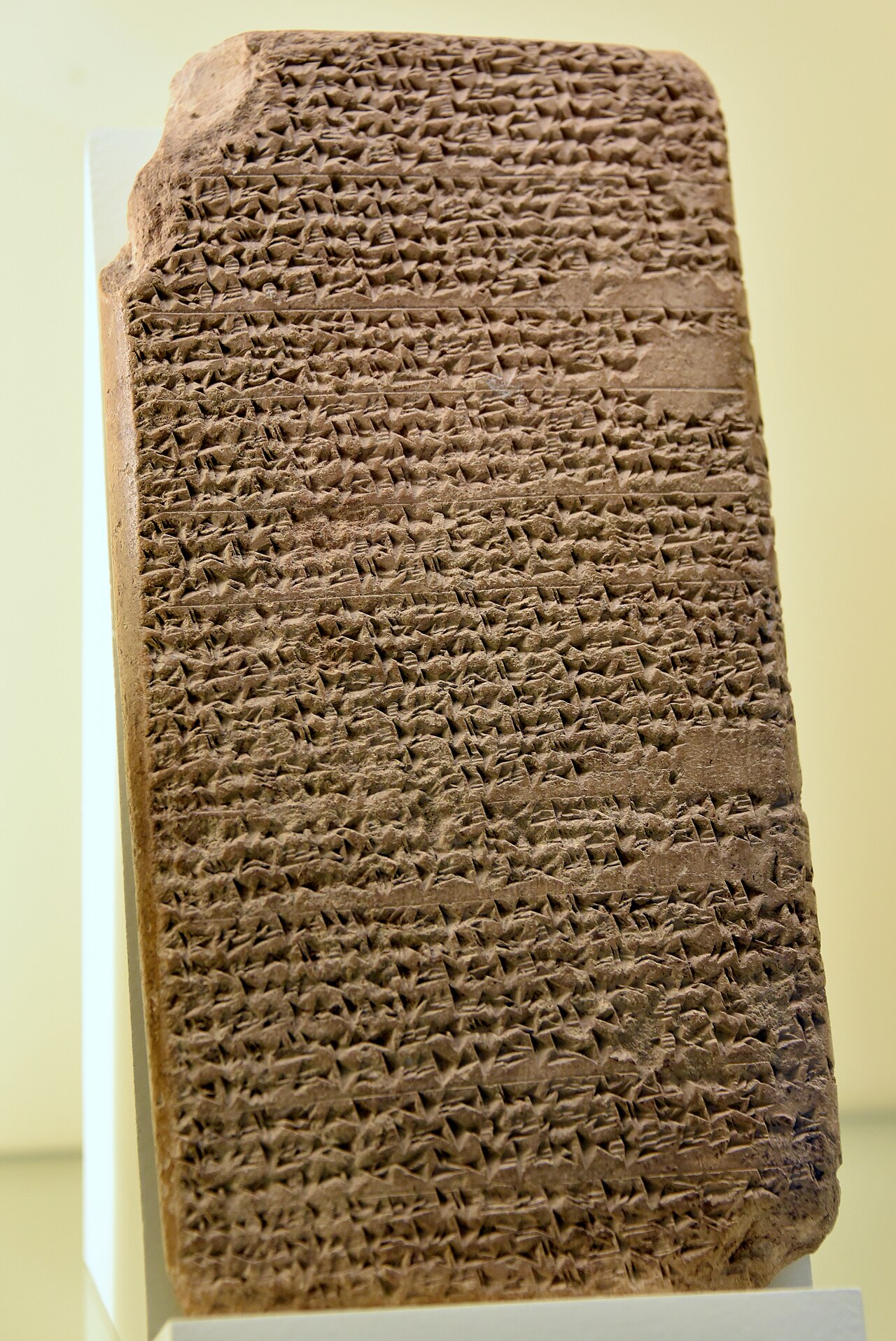
Amarna letters
Foreign rulers and vassals of Egypt; Egyptian chancery · c. 1360–1332 BCE
 Sculpture
Primary source
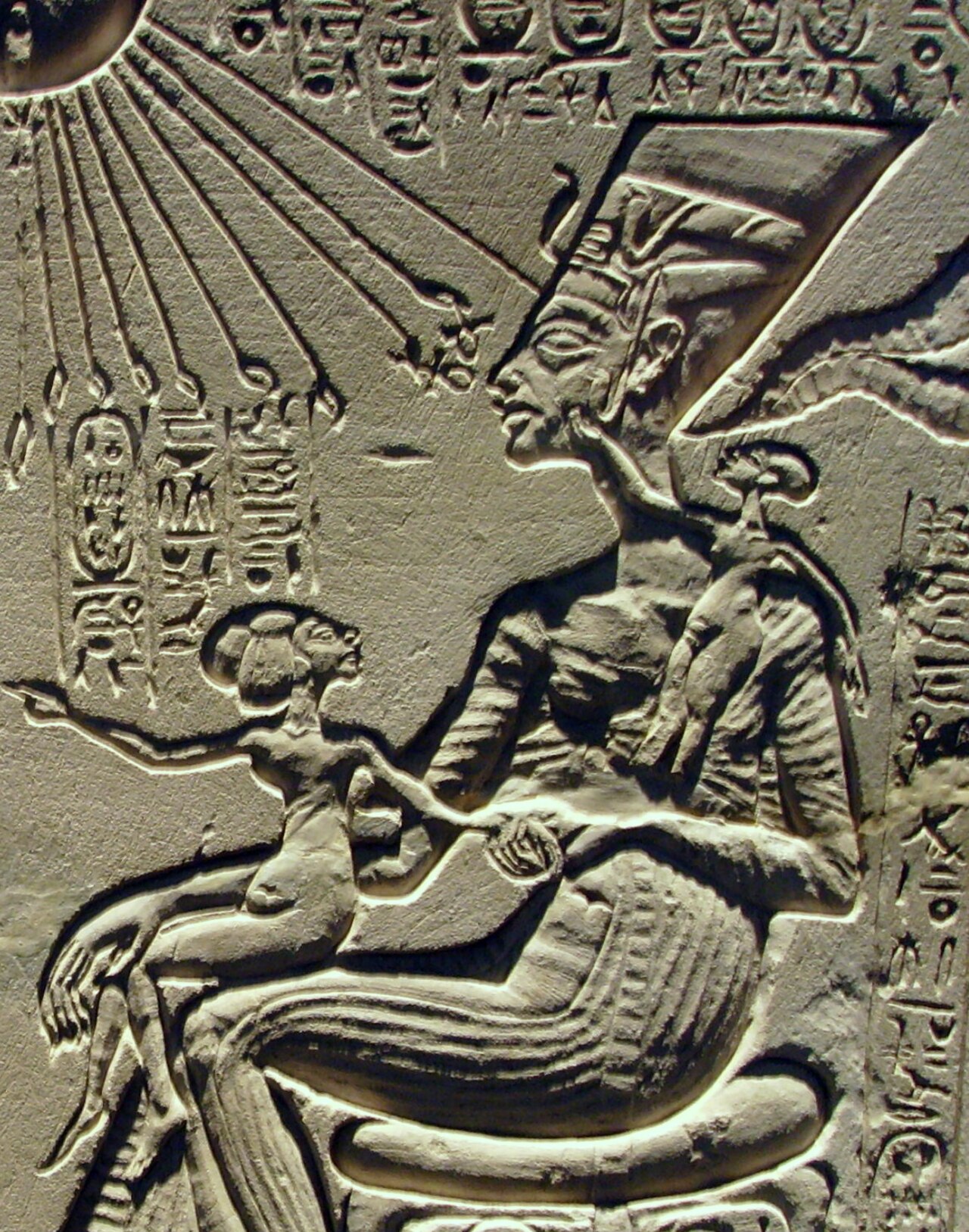
Akhenaten and His Family
c. 1352 BC
 Sculpture
Primary source
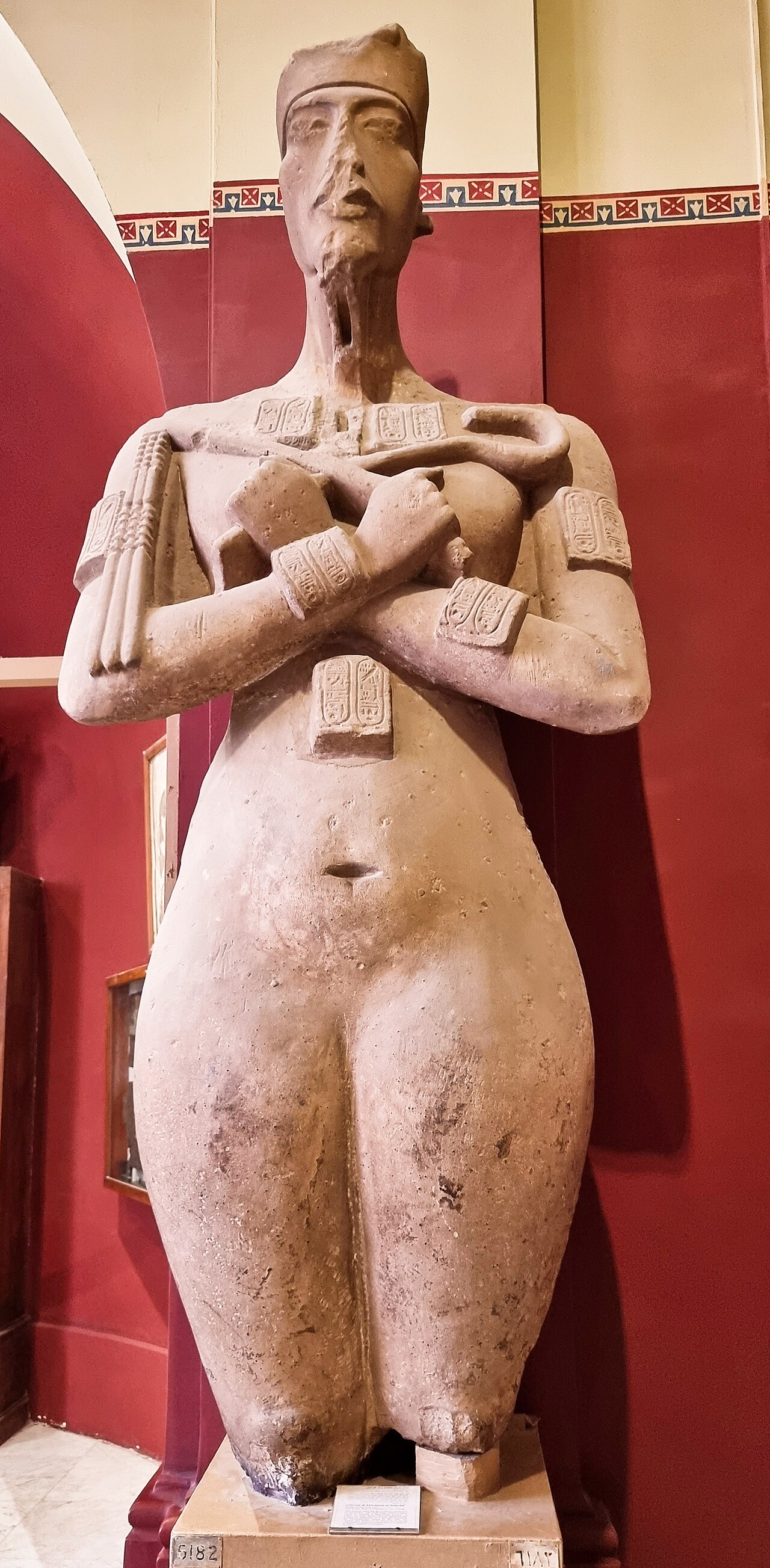
Colossal Statue of Akhenaten or Nefertiti
Free account
Read every Akhenaten source
Sign up free →
Ready when you are
Start chatting with Akhenaten now.
20 messages free · No credit card · Available in 50+ languages.