


Primary sourceDocument1801-1802
Symphony No. 2
Ludwig van Beethoven · 1801-1802
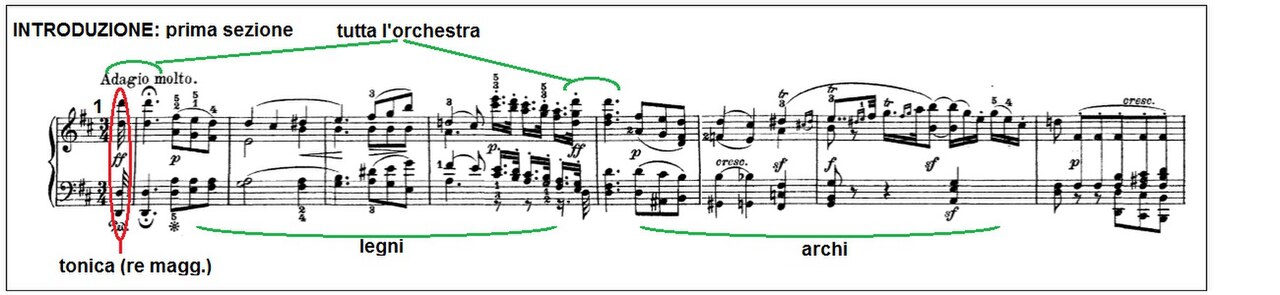
An exuberant symphony Beethoven largely composed at Heiligenstadt in 1801–02, the same period as his despairing Heiligenstadt Testament.
Beethoven composed this symphony himself during the same months he wrote his despairing Heiligenstadt Testament.
About this source
What it is
Symphony No. 2 in D major is a four-movement orchestral work by Ludwig van Beethoven, written mostly in 1801–02 and dedicated to Prince Karl Alois Lichnowsky. It premiered in Vienna in 1803, conducted by Beethoven himself.
Why it matters
Beethoven wrote much of this cheerful, energetic symphony while staying at Heiligenstadt, at the very time his hearing loss was worsening and he feared it might be permanent. The contrast between the symphony's high spirits and his private despair, expressed in the Heiligenstadt Testament, shows how his art and his personal crisis unfolded side by side. One critic at the time found its humour and energy shocking rather than pleasing.
Look closer
- Does knowing about Beethoven's hearing crisis change how you listen to this 'exuberant' music?
- Why might a composer hide personal suffering behind a joyful public work?
- What does the annotated score tell you about how musicians analyze a piece long after it was written?
This document is part of the curated material that grounds the AI version of Ludwig van Beethoven on Humy.ai — when students ask about related events, the AI can quote it and cite it.
More Ludwig van Beethoven sources
Meet the AI Ludwig van Beethoven →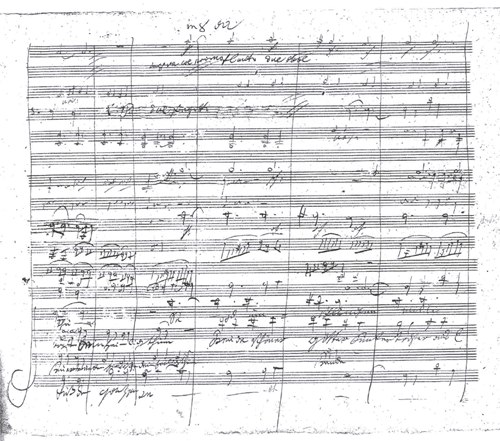 Document
Primary source
Symphony No. 9
Ludwig van Beethoven · 1824
 Sculpture
Secondary source
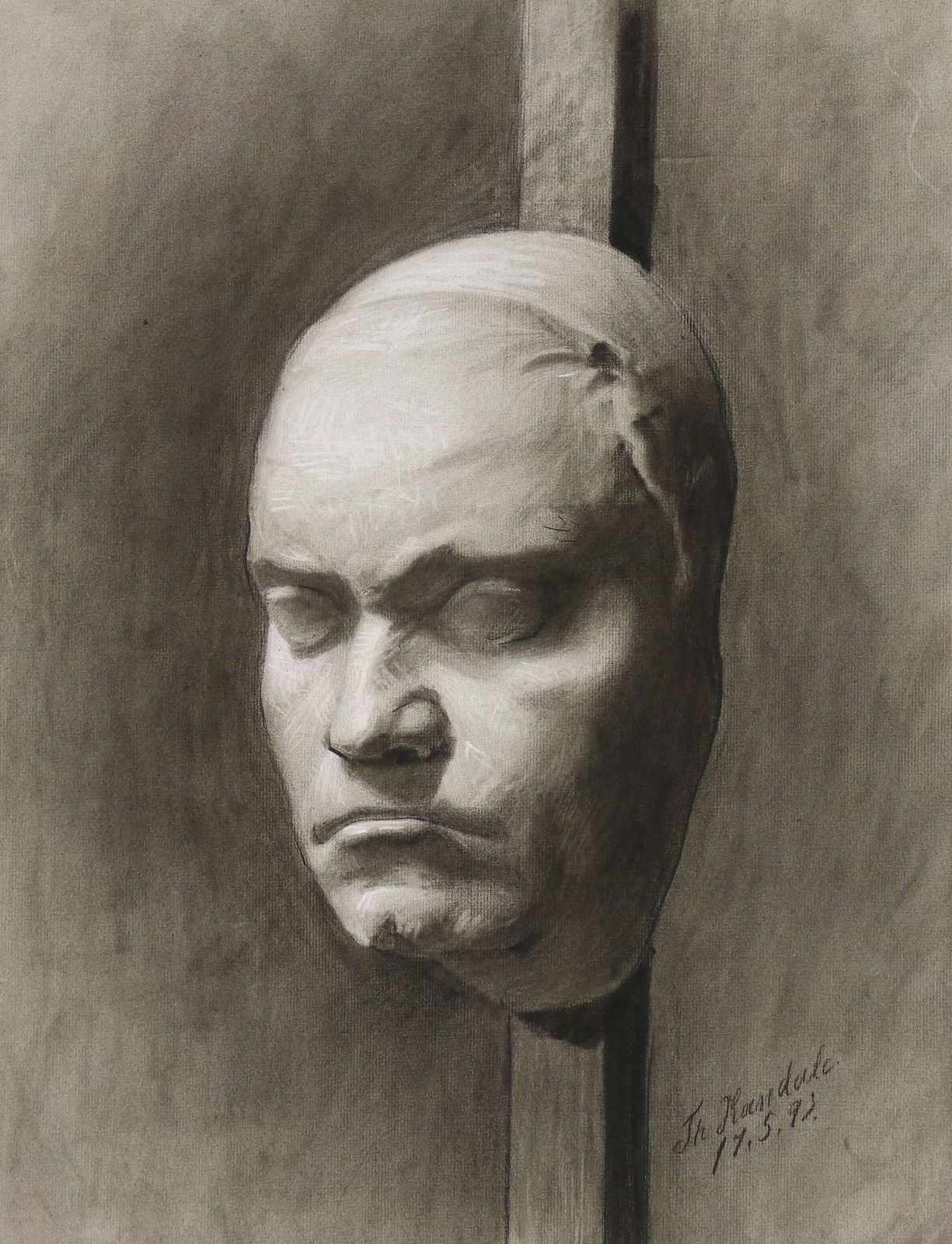
Death of Ludwig van Beethoven
Theodor Kandale (after Josef Danhauser) · 1827 (mask); drawing 1893
 Sculpture
Secondary source
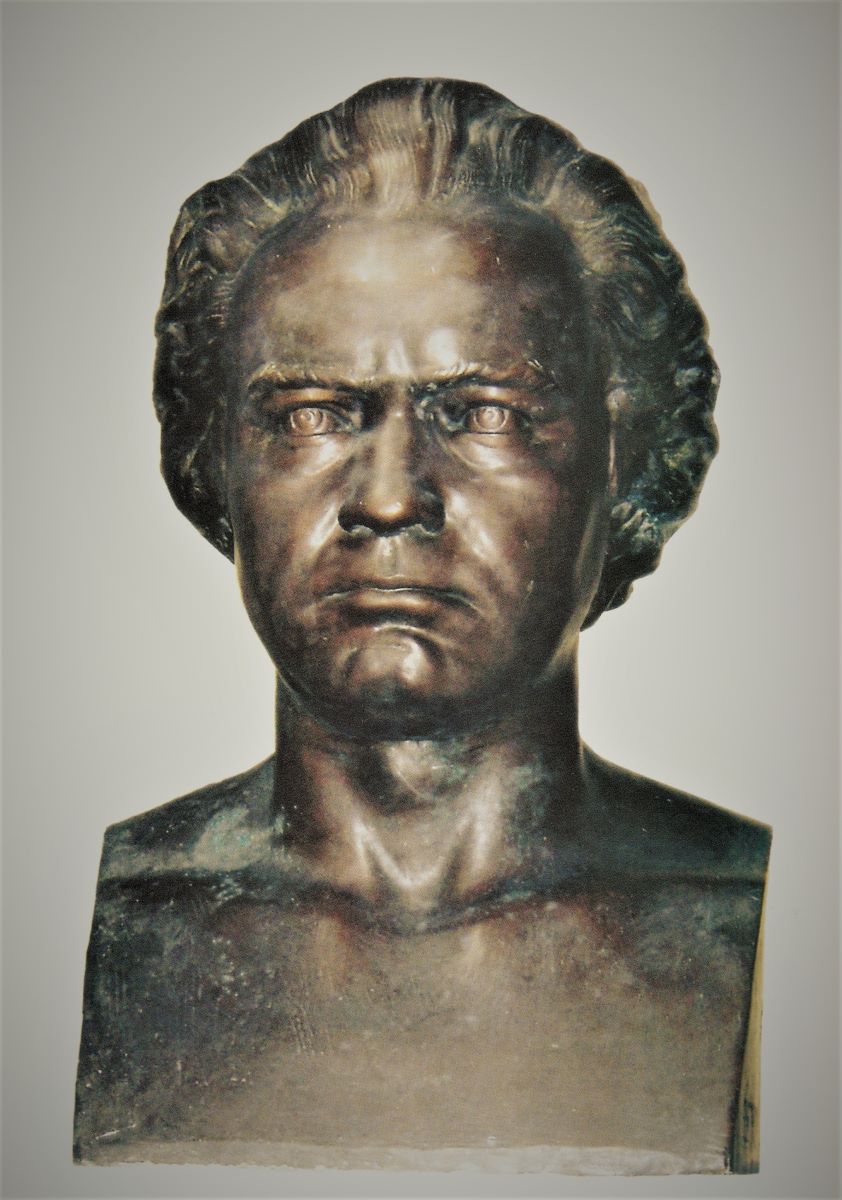
Bust of Ludwig van Beethoven by Frederic Storck
Frederic Storck · 1930
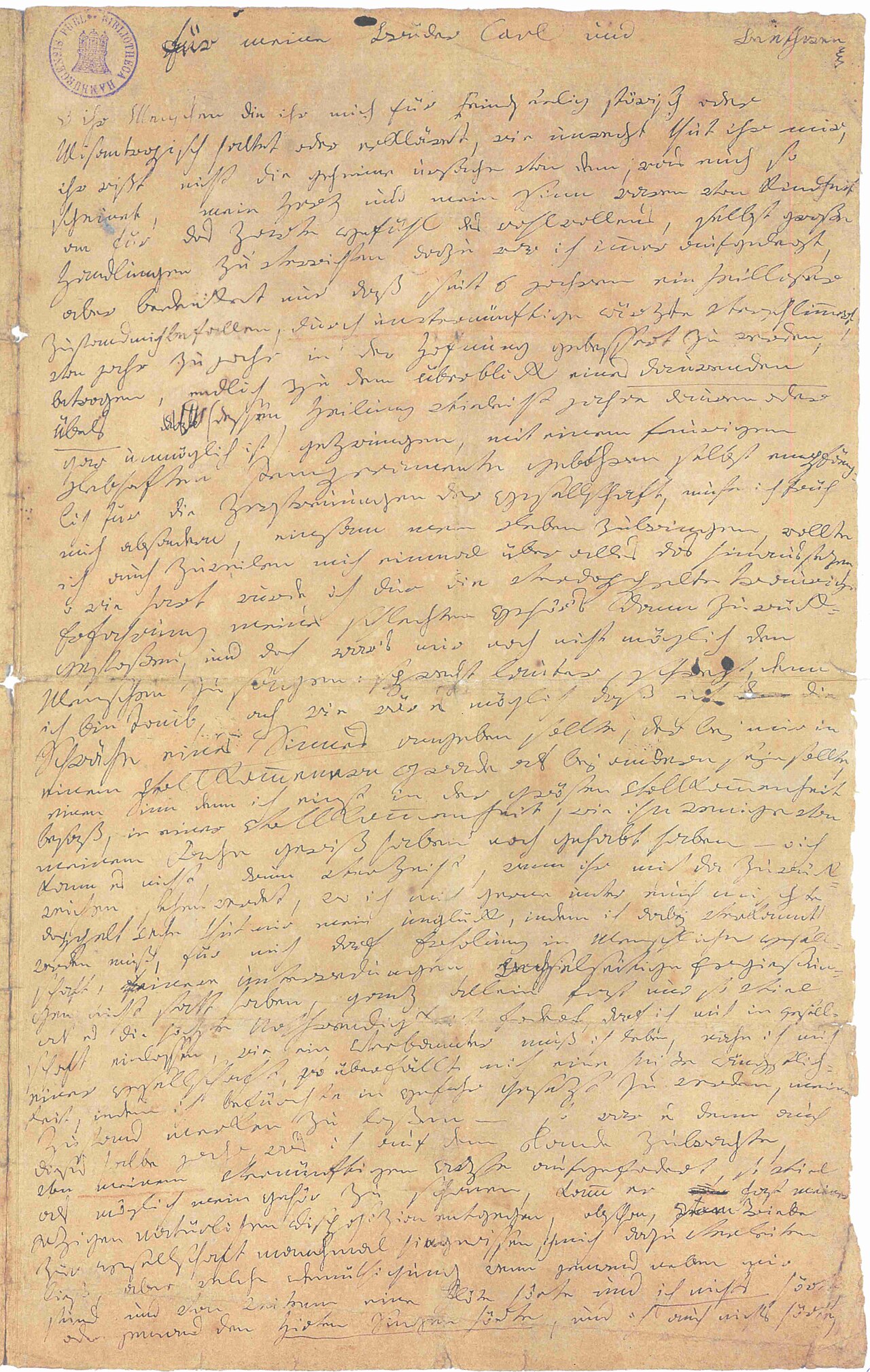 Letter
Primary source
Heiligenstadt Testament
Ludwig van Beethoven · 6 October 1802
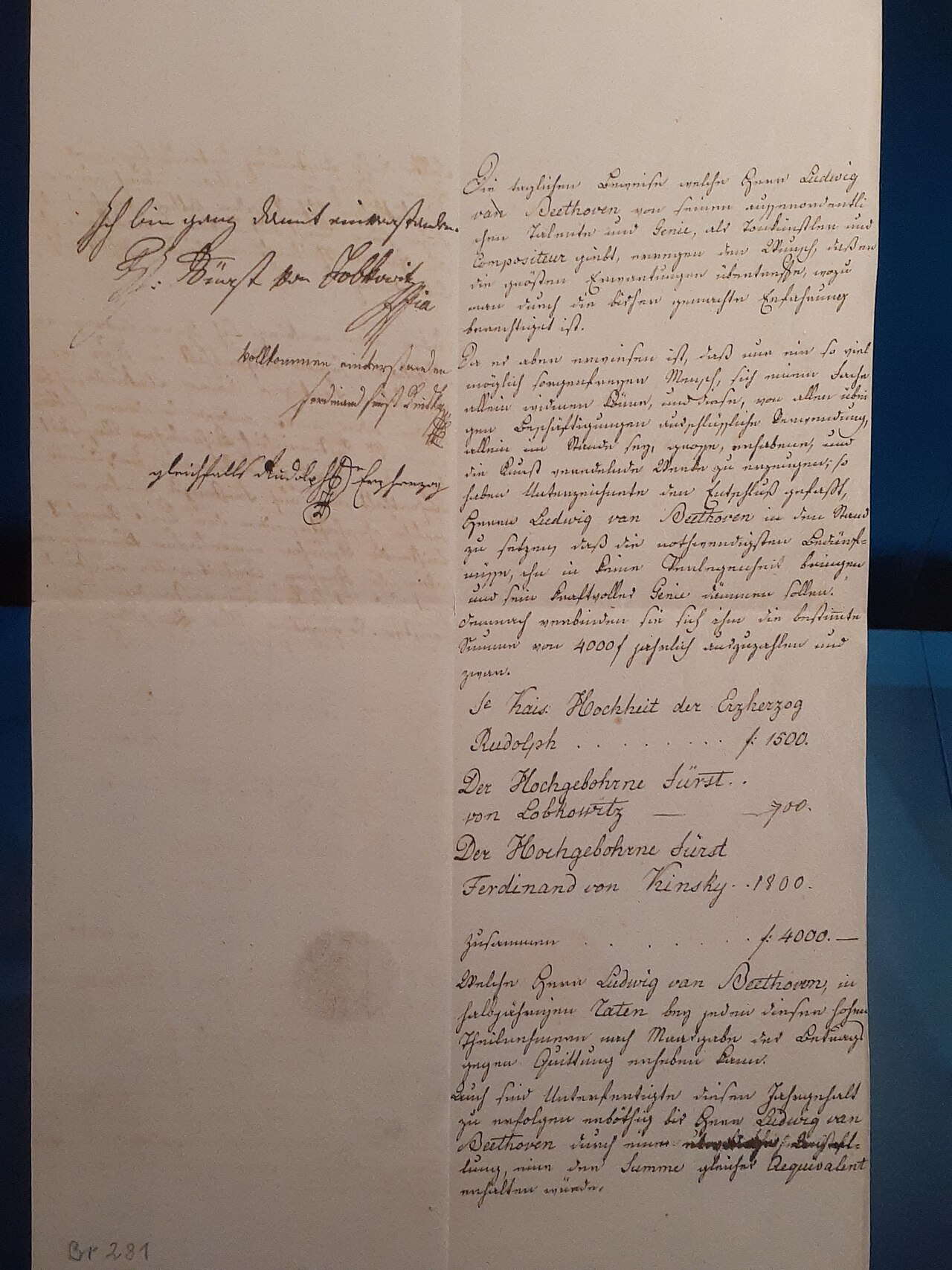 Document
Primary source
Agreement between Beethoven and Archduke Rudolph, Prince Kinsky and Prince Lobkowitz
1 March 1809
Ready when you are
Start chatting with Ludwig van Beethoven now.
20 messages free · No credit card · Available in 50+ languages.