


Primary sourceSculpturec. 1353–1347 BCE
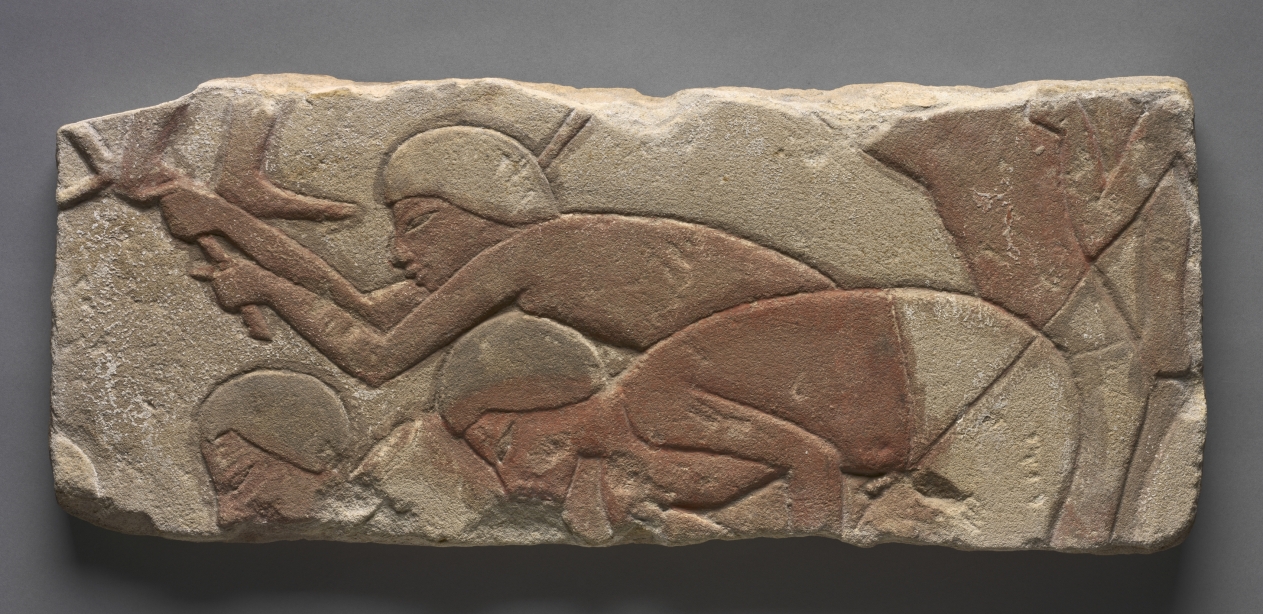
Talatat relief: Men hoeing the earth
c. 1353–1347 BCE
A painted sandstone block from Akhenaten's Aten temple at Karnak, showing workmen hoeing the ground. It shows how the temple was built with small, easily moved blocks.
This block shows the building method of Akhenaten's Aten temple, the project that shaped his early reign at Karnak.
About this source
What it is
This is a painted sandstone talatat block from the temple to the Aten at Karnak. It shows two workmen in profile, one bent forward with a hoe raised. The Cleveland Museum of Art catalogue says the block once formed part of a larger scene of mud brick production. It dates to about 1353–1347 BCE.
Why it matters
The record explains that talatat blocks were small and regular, so one man could carry and place them, unlike the huge stones usually used in temples. This made it faster to build the Aten temple that Akhenaten, then called Amenhotep IV, constructed early in his reign. The scene also shows that not all of the temple was built of stone, since mud bricks were part of the work.
Look closer
- What tools are the workmen using, and how are their bodies positioned?
- Why might the builders be shown at work on the ground rather than the king or gods?
- What does this fragment leave out about the rest of the building scene?
This sculpture is part of the curated material that grounds the AI version of Akhenaten on Humy.ai — when students ask about related events, the AI can quote it and cite it.
More Akhenaten sources
Browse all 99 →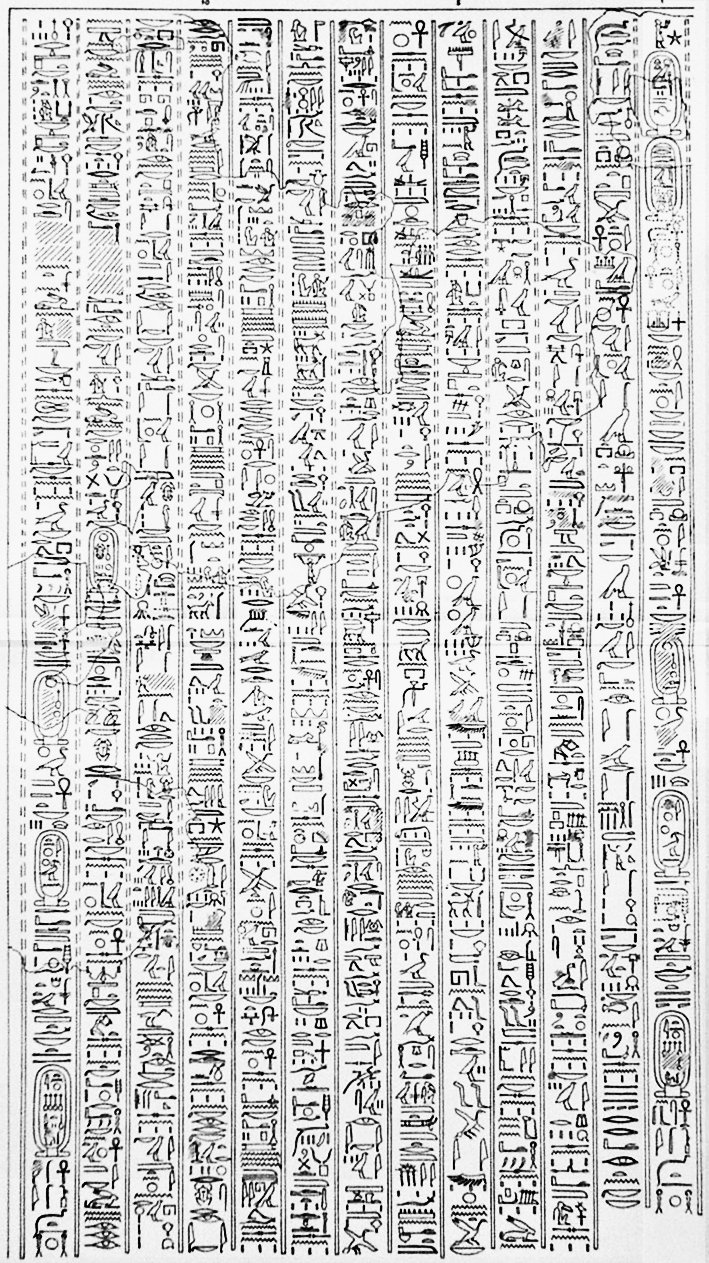 Document
Primary source
Great Hymn to the Aten
Akhenaten · c. 1350 BC
 Document
Primary source
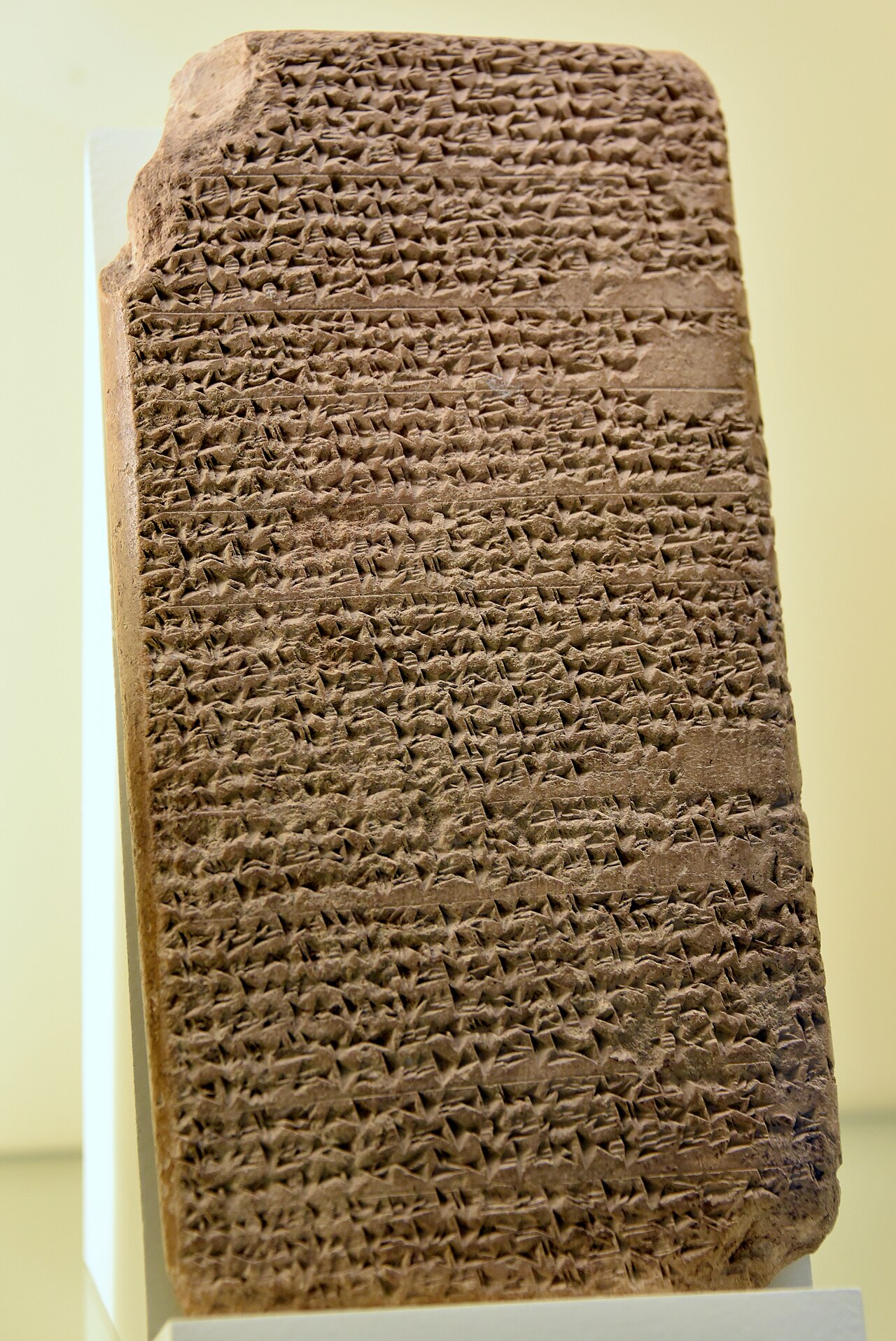
Amarna letters
Foreign rulers and vassals of Egypt; Egyptian chancery · c. 1360–1332 BCE
 Sculpture
Primary source
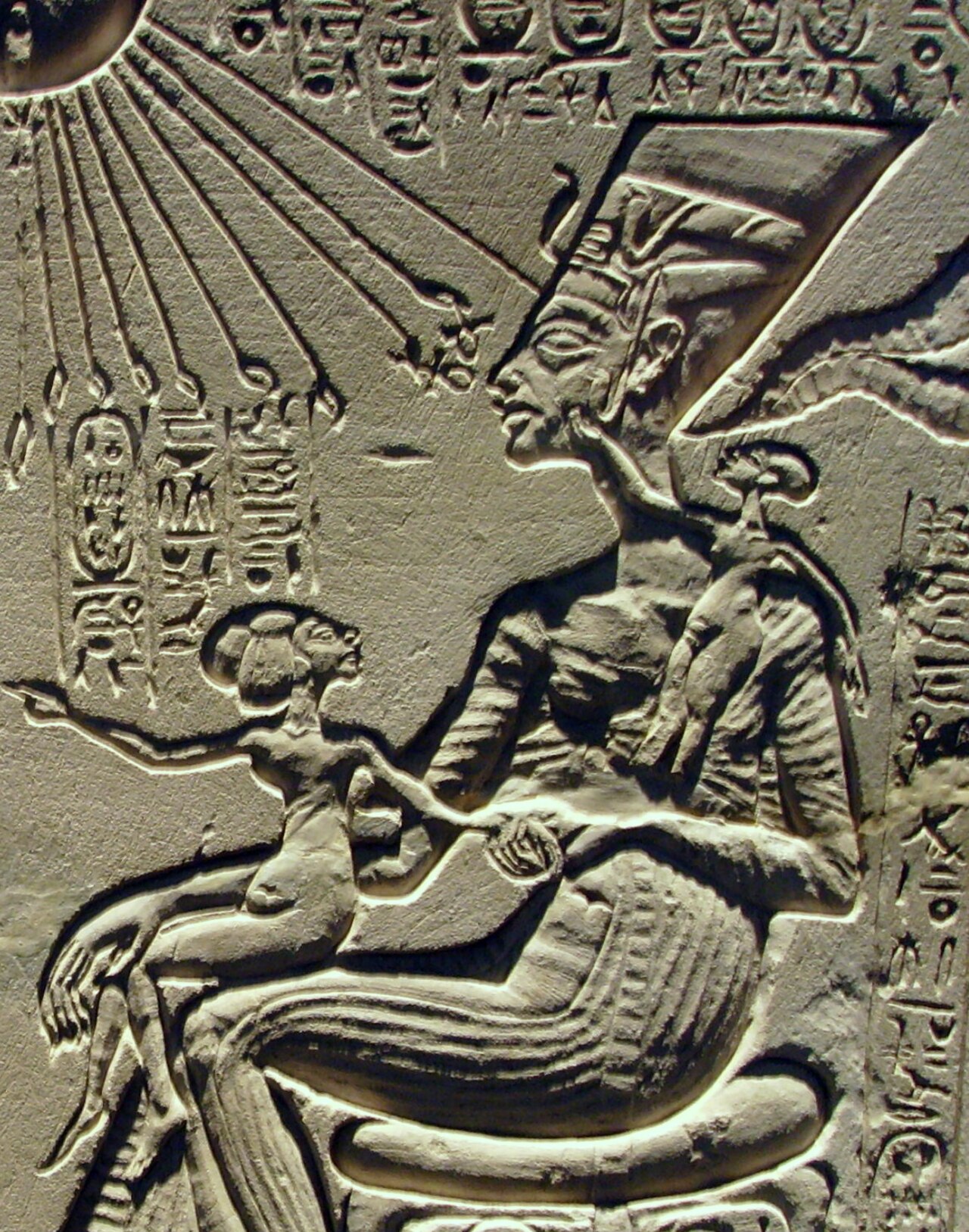
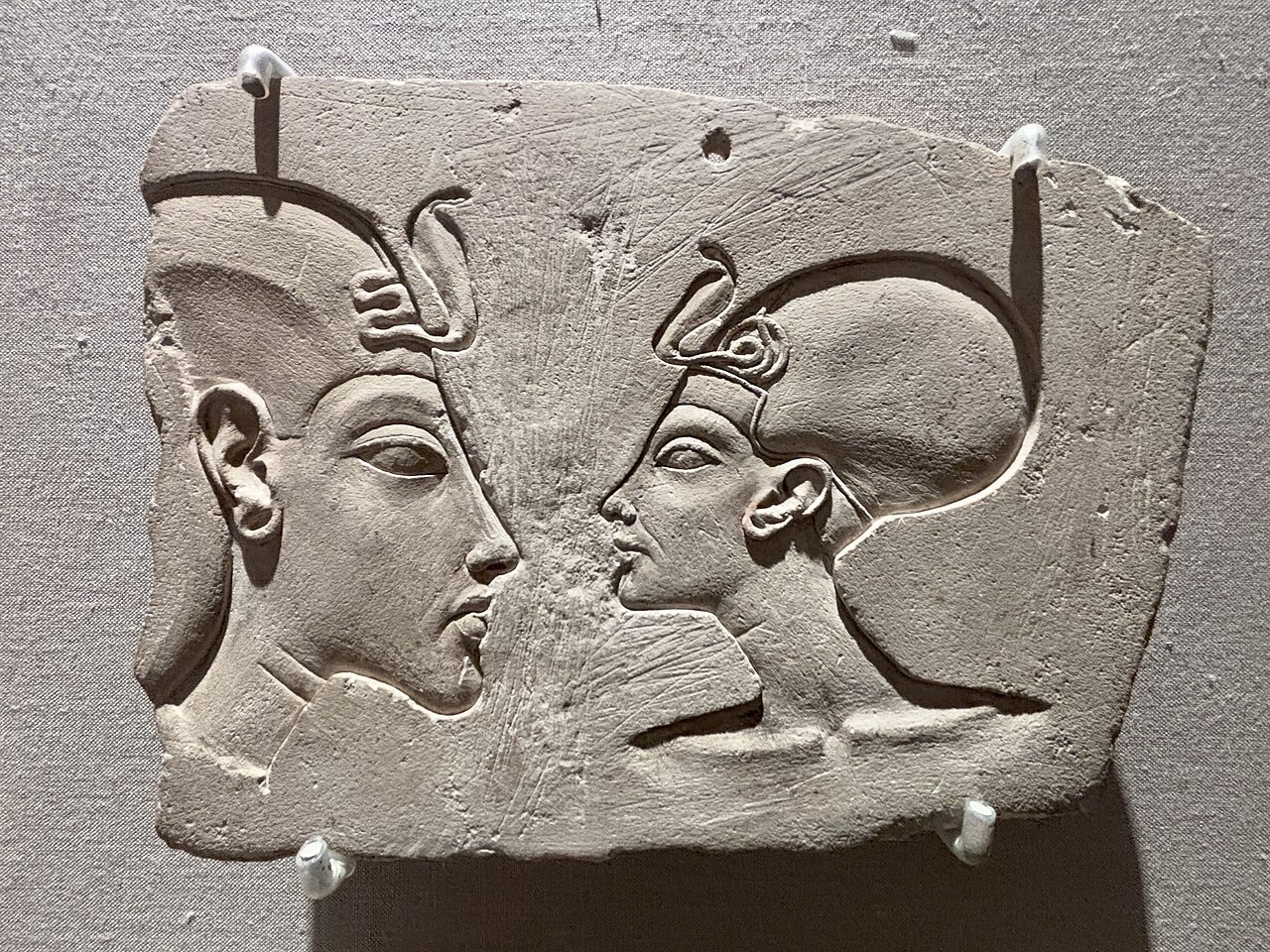
Akhenaten and His Family
c. 1352 BC
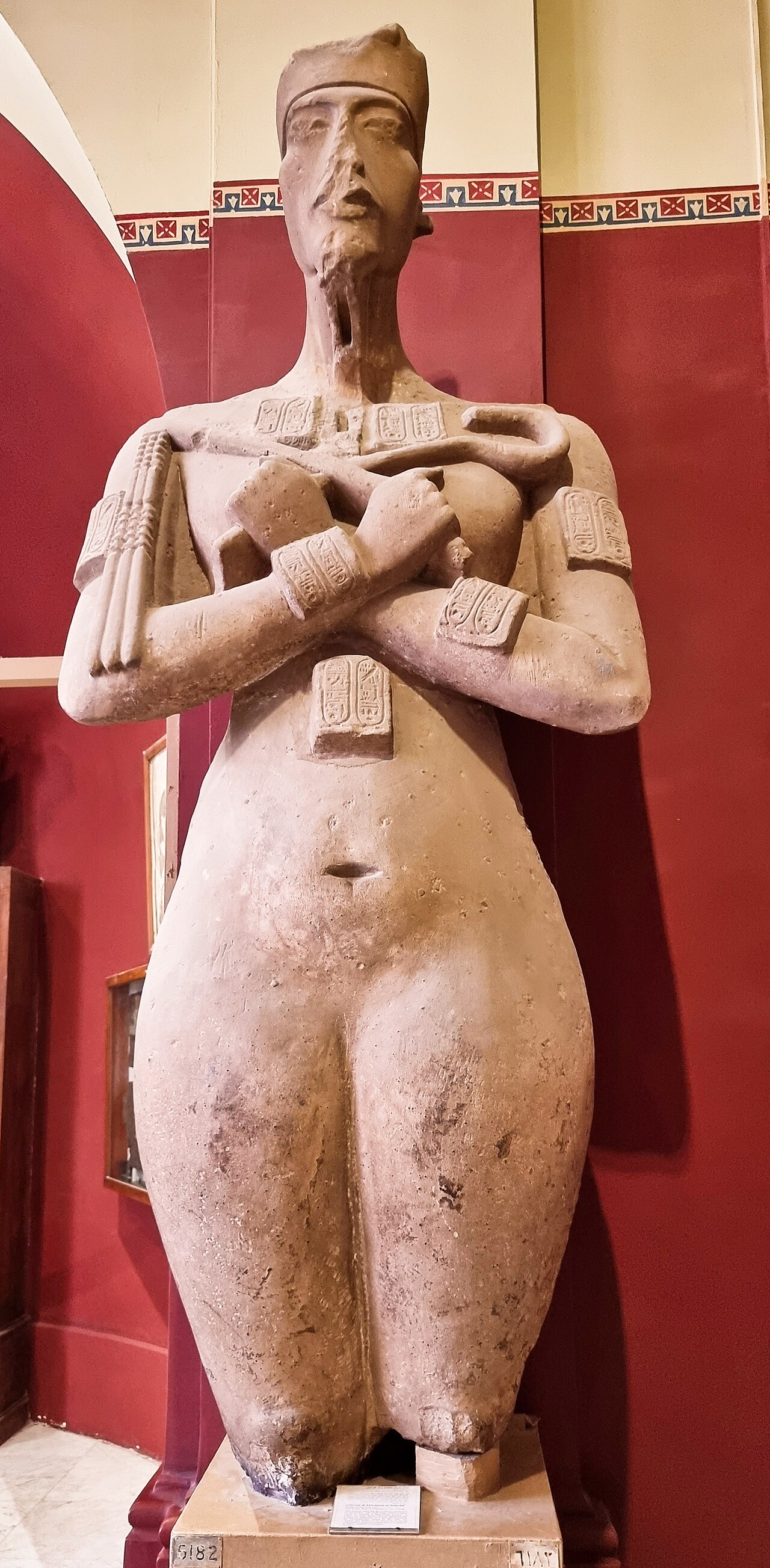 Sculpture
Primary source
Colossal Statue of Akhenaten or Nefertiti
Free account
Read every Akhenaten source
Sign up free →
Ready when you are
Start chatting with Akhenaten now.
20 messages free · No credit card · Available in 50+ languages.