


Primary sourceArtifactc. 1347-1330 BCE
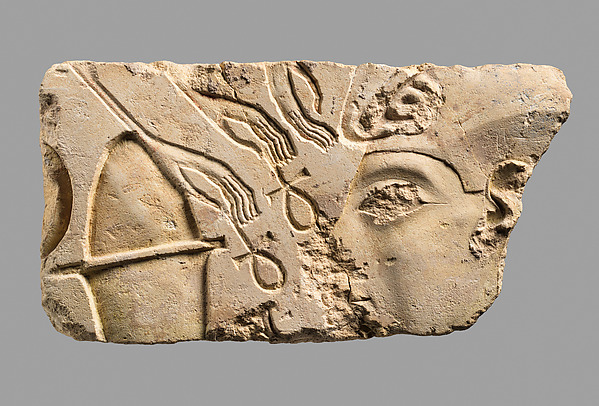
Talatat Relief of the Queen's Face with the Aten
c. 1347-1330 BCE
A carved limestone building block from Akhenaten's temple showing a queen's face, likely Nefertiti, beneath rays of the sun god Aten.
This temple fragment likely shows Nefertiti's face receiving rays from the sun god Aten.
About this source
What it is
This is a talatat, a small standardized limestone building block used to build Akhenaten's temples quickly. It shows a queen's face, probably Nefertiti, with heavy eye paint, part of her headdress, and the sun disk Aten with rays ending in hands reaching toward her. It dates from Akhenaten's reign and is held by the Metropolitan Museum of Art.
Why it matters
Talatat blocks like this were used in Akhenaten's new temples to the sun god Aten, built fast using small stones instead of massive traditional ones. Images of the royal women receiving the Aten's rays were central to this new religion, showing the royal family as uniquely close to the god.
Look closer
- What symbols can you spot, and what might they mean?
- Why do you think the sun's rays are shown ending in hands?
- How can a broken block like this still tell us about a whole temple?
This artifact is part of the curated material that grounds the AI version of Queen Nefereti on Humy.ai — when students ask about related events, the AI can quote it and cite it.
More Queen Nefereti sources
Meet the AI Queen Nefereti →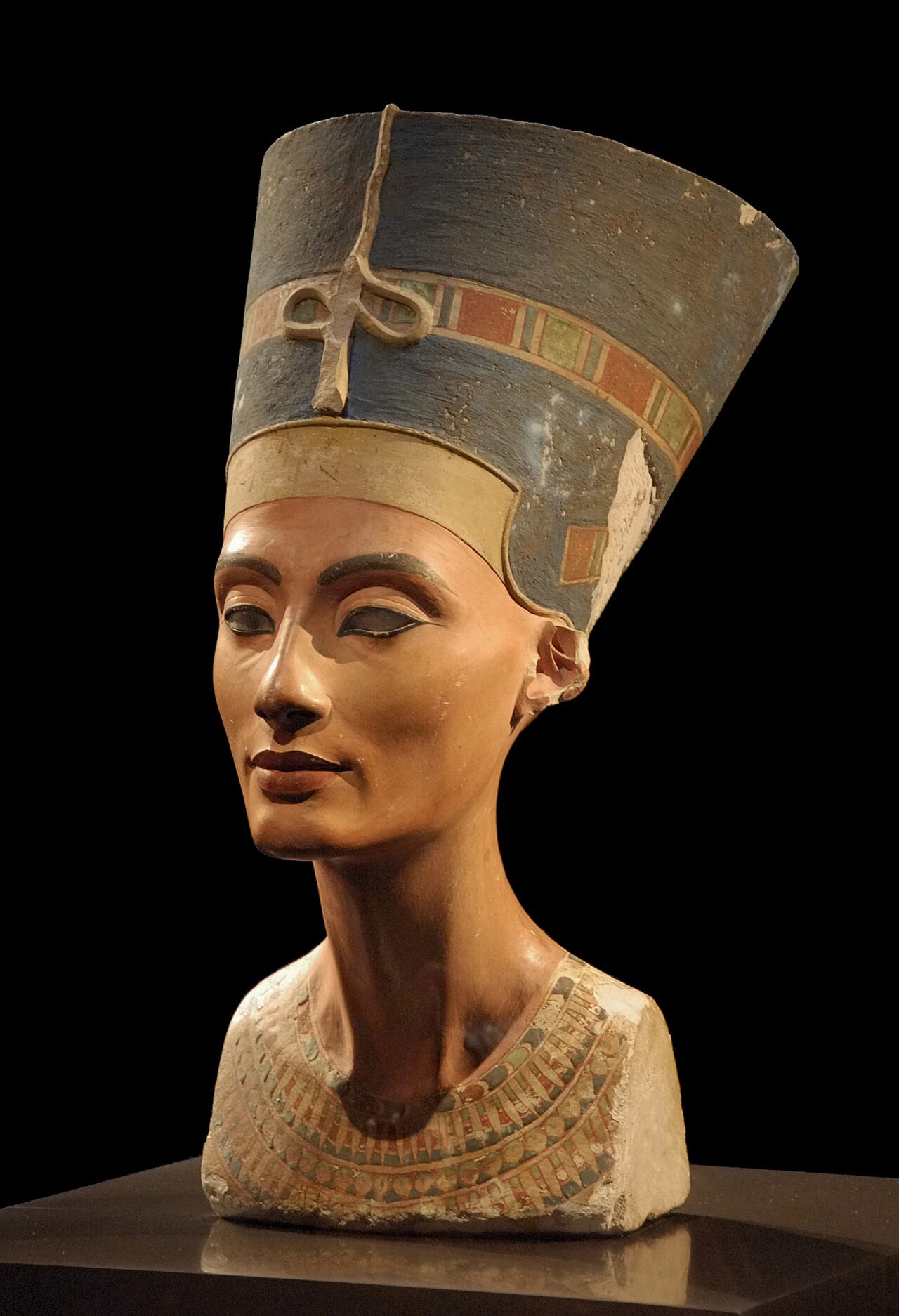 Sculpture
Primary source
Bust of Queen Nefertiti
Thutmose · c. 1345 BC
 Sculpture
Primary source
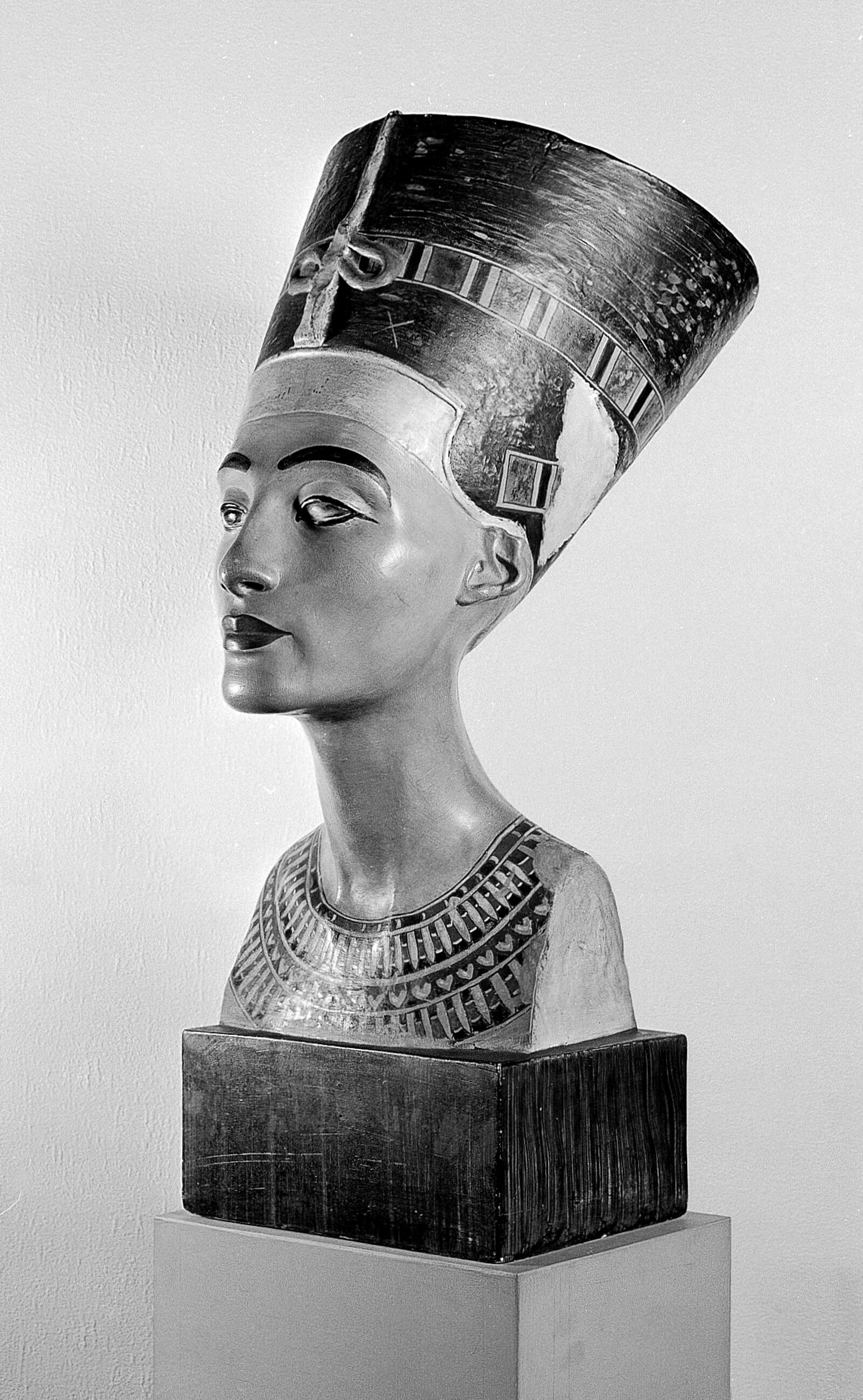
Figure of Nefertiti
 Sculpture
Primary source
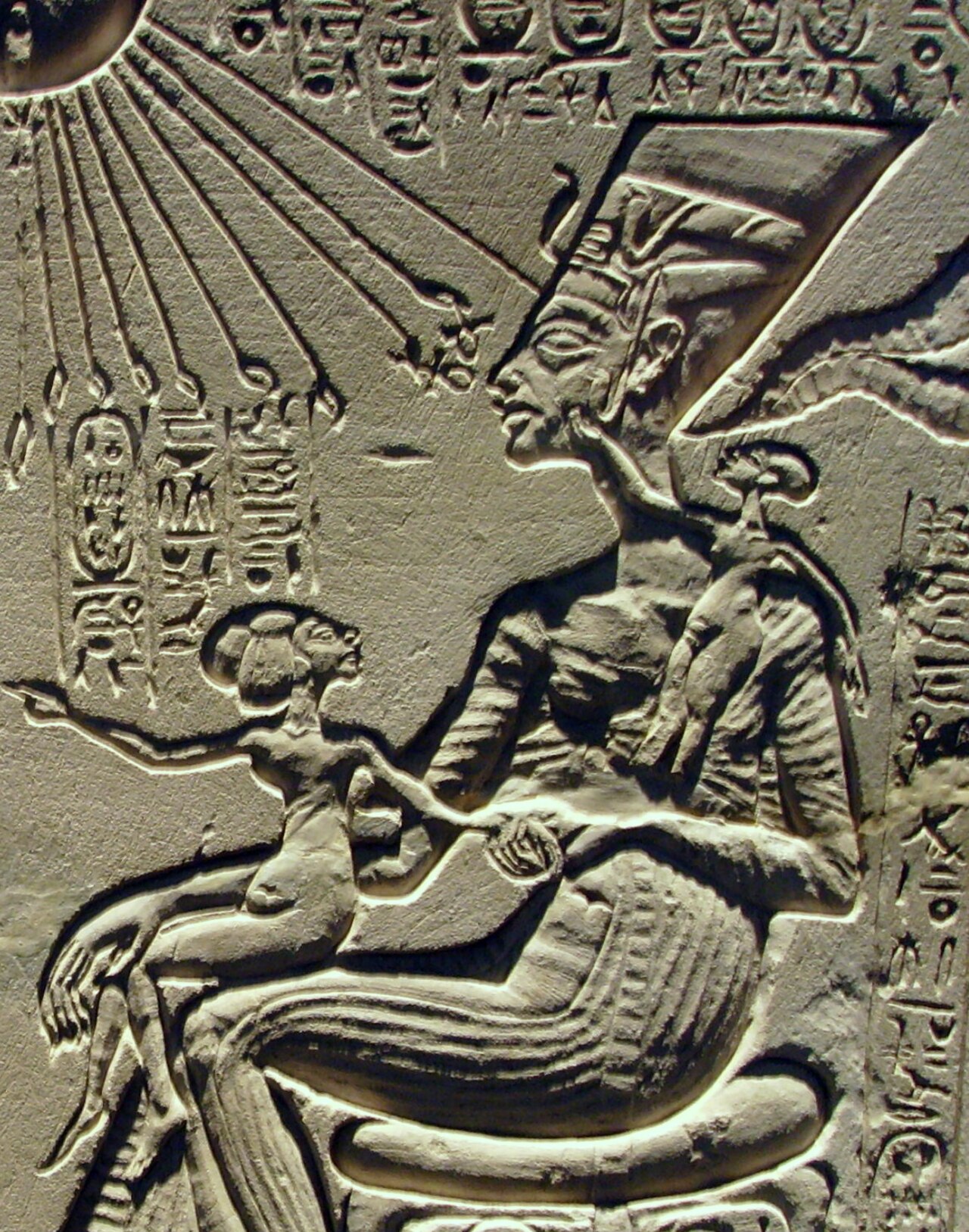
Akhenaten and His Family
c. 1352 BC
 Sculpture
Primary source
Relief Fragment Showing the Blue Crown of Nefertiti
 Document
Primary source
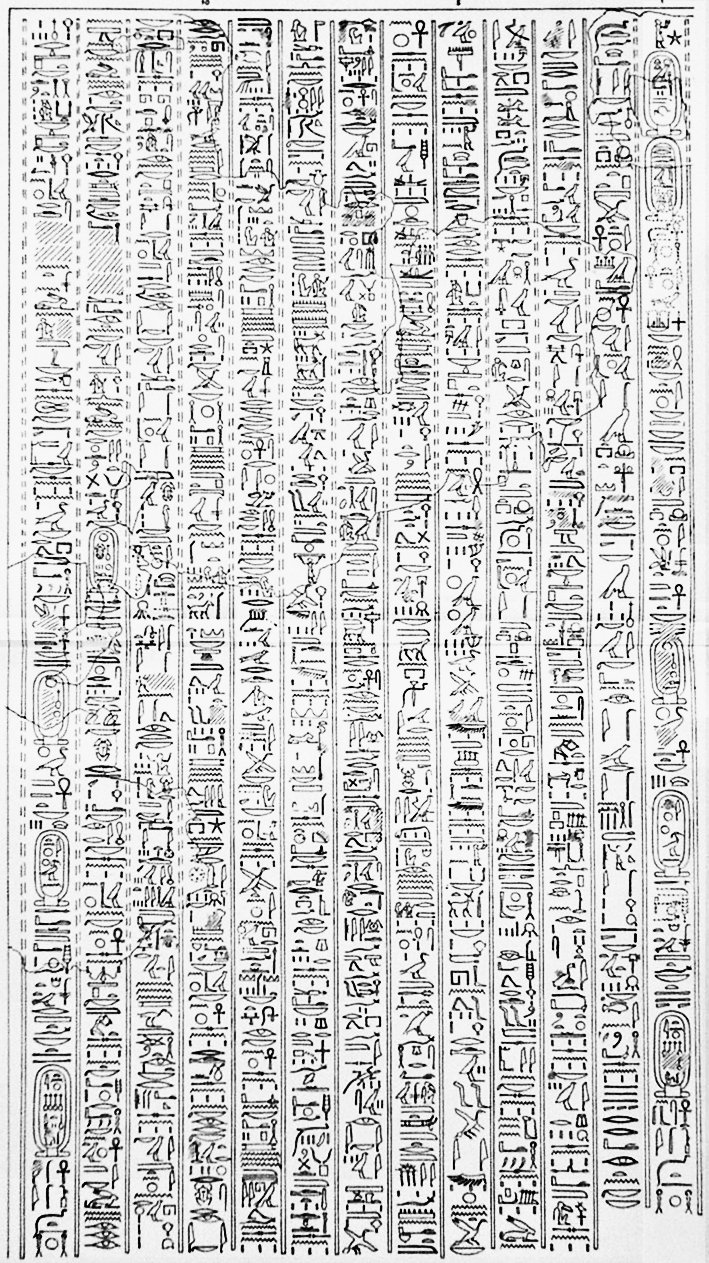
Great Hymn to the Aten
Akhenaten · c. 1350 BC
Ready when you are
Start chatting with Queen Nefereti now.
20 messages free · No credit card · Available in 50+ languages.