


Primary sourceSculpturec. 1353-1347 BCE
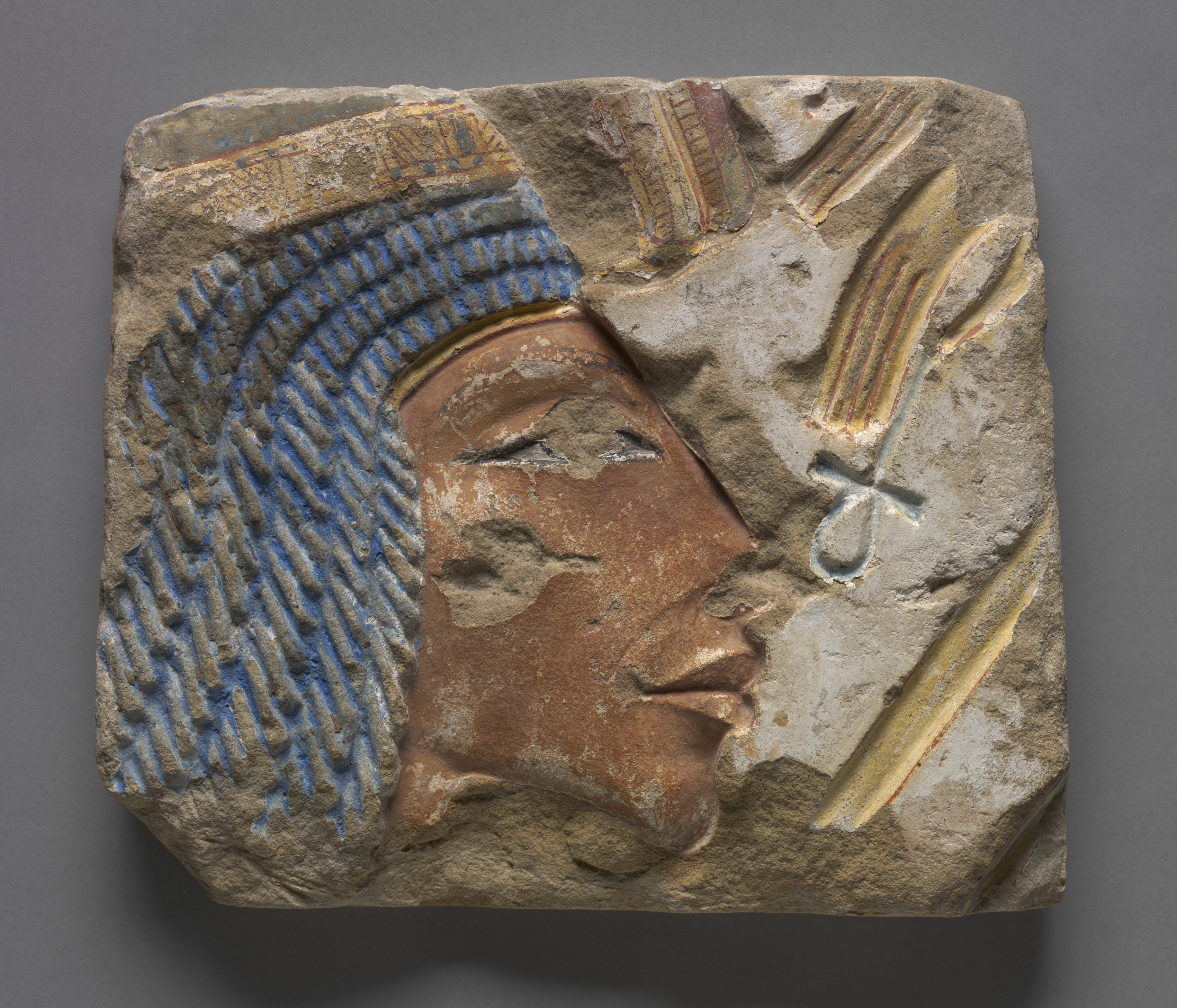
Talatat Relief Portrait of Nefertiti from Karnak
c. 1353-1347 BCE
A carved stone block (talatat) from Akhenaten's Aten temple at Karnak, showing a portrait of Queen Nefertiti.
Nefertiti is the subject of this temple relief, which the museum notes shows her more often than Akhenaten himself.
About this source
What it is
This is a talatat, a small standardized stone block used in building projects of Akhenaten's reign, carved with a portrait of Nefertiti. It comes from the temple complex Akhenaten built to the sun god Aten at Karnak, dating to around 1353-1347 BCE. It is now held at the Cleveland Museum of Art.
Why it matters
Akhenaten built this Aten temple before moving Egypt's capital to Amarna, as part of his religious changes away from the traditional god Amun. According to the museum's record, Nefertiti appears in these temple reliefs far more often than Akhenaten himself, for reasons not fully understood, showing her striking prominence in his religious program. Ironically, the Aten temples were later dismantled and their blocks reused as building material for temples to Amun.
Look closer
- Why might Nefertiti have appeared more often than Akhenaten in these temple scenes?
- What does the reuse of these blocks tell us about the fate of Akhenaten's religious changes after his death?
- What is missing from a single carved block that a full temple might have shown?
This sculpture is part of the curated material that grounds the AI version of Queen Nefereti on Humy.ai — when students ask about related events, the AI can quote it and cite it.
More Queen Nefereti sources
Meet the AI Queen Nefereti →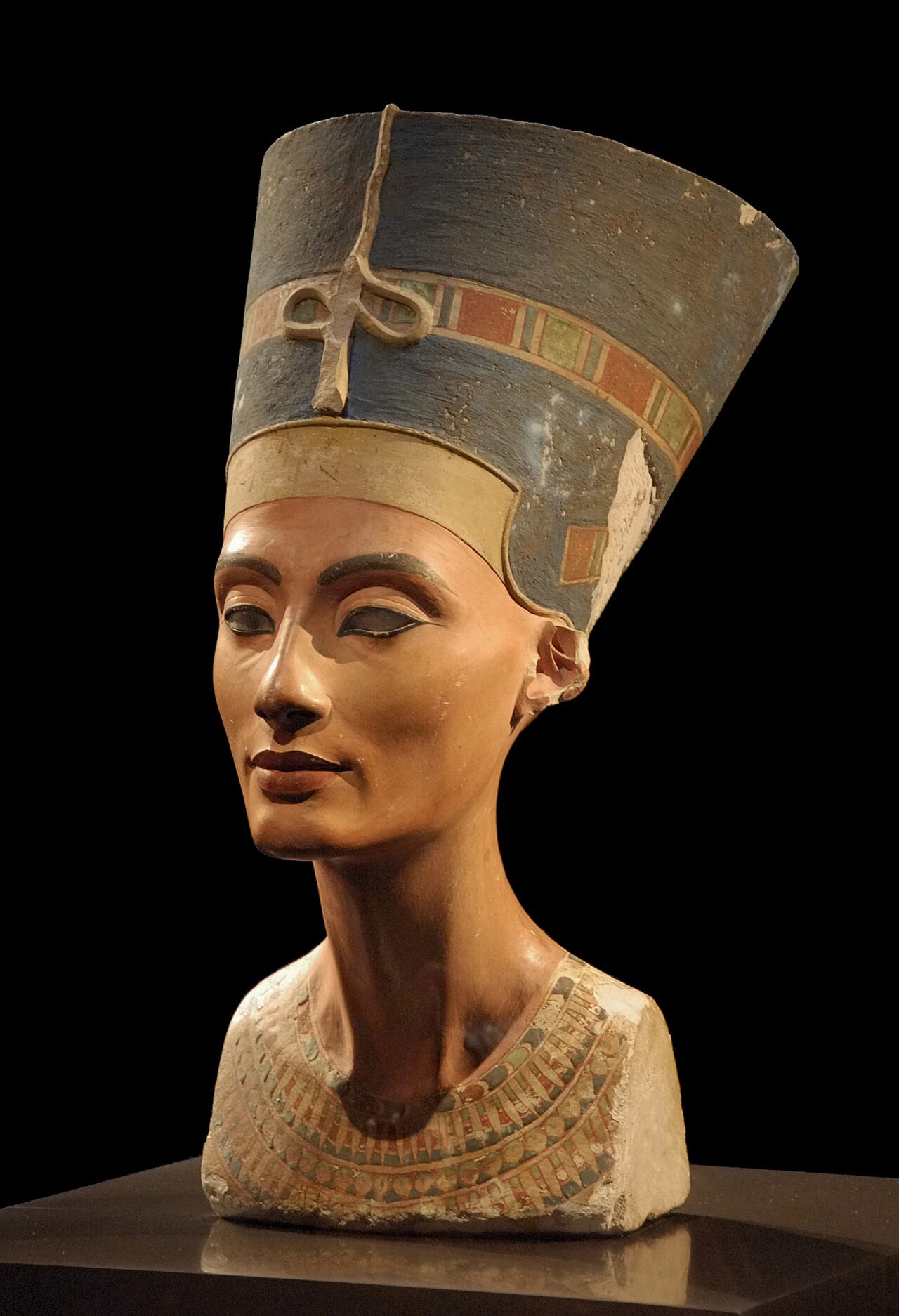 Sculpture
Primary source
Bust of Queen Nefertiti
Thutmose · c. 1345 BC
 Sculpture
Primary source
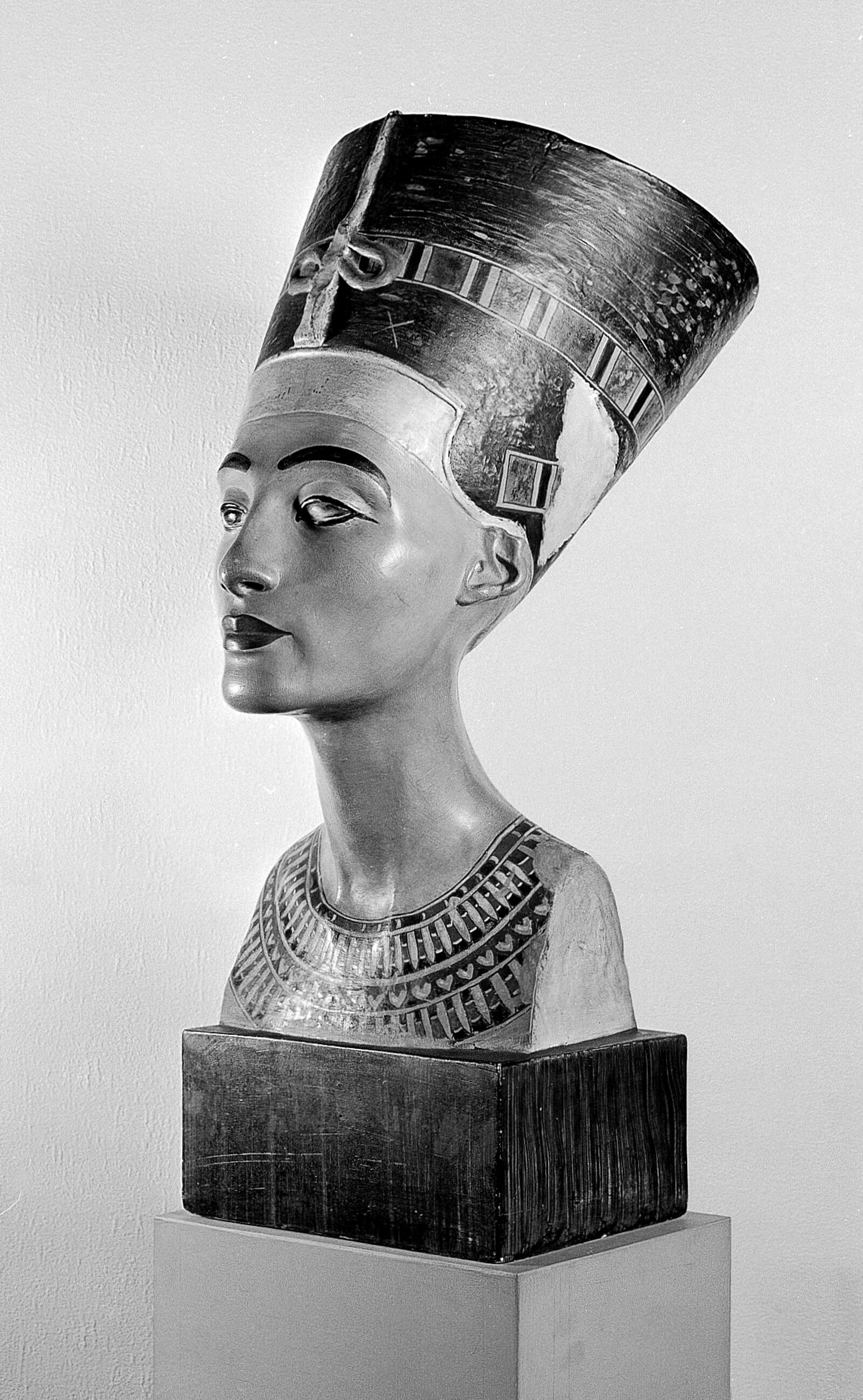
Figure of Nefertiti
 Sculpture
Primary source
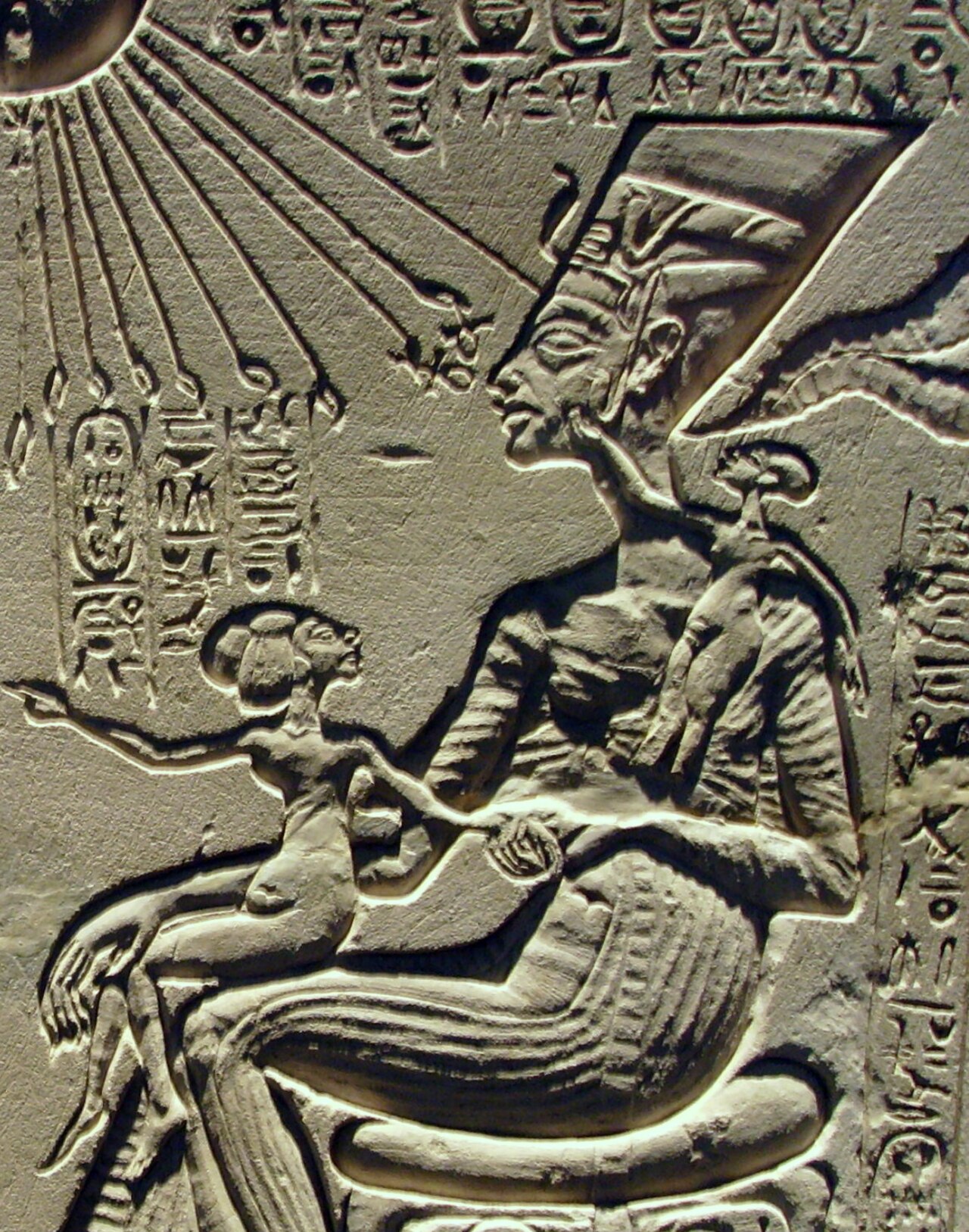
Akhenaten and His Family
c. 1352 BC
 Sculpture
Primary source
Relief Fragment Showing the Blue Crown of Nefertiti
 Document
Primary source
Great Hymn to the Aten
Akhenaten · c. 1350 BC
Ready when you are
Start chatting with Queen Nefereti now.
20 messages free · No credit card · Available in 50+ languages.