


Primary sourceSculpturec. 1353-1336 BCE
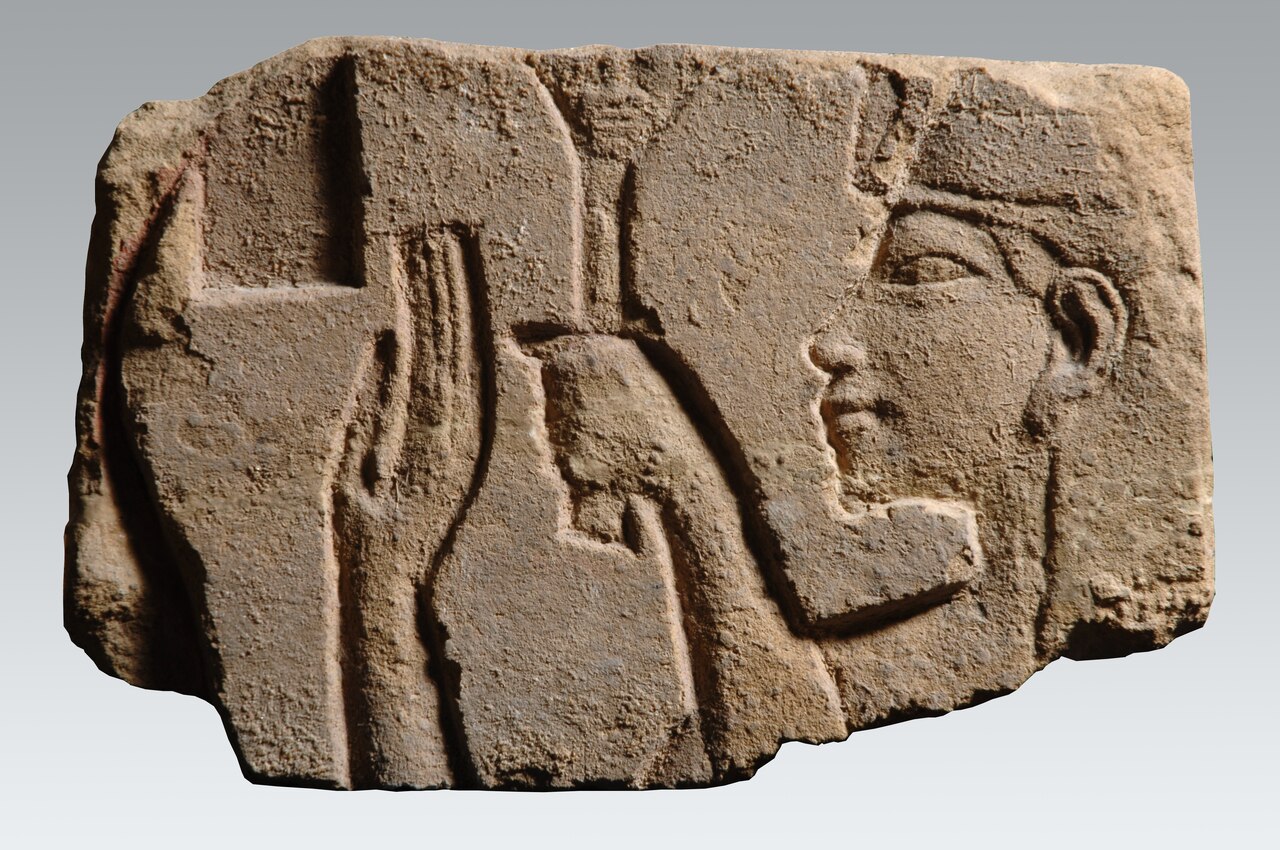
Talatat Showing a Queen Shaking a Sistrum
c. 1353-1336 BCE
A carved sandstone block likely showing Nefertiti shaking a sistrum in a ritual behind Akhenaten, pointing to her priestly role in Aten worship.
Probably shows Nefertiti performing a ritual with a sistrum, pointing to her active religious role.
About this source
What it is
This is a sandstone talatat block from the Eighteenth Dynasty of ancient Egypt, dated around 1353-1336 BCE. It shows a queen, probably Nefertiti, raising a sistrum (a rattling musical instrument used in rituals) behind the back of a figure identified as King Akhenaten. It is held by the Museo Egizio in Turin, Italy.
Why it matters
The sistrum was linked to religious ceremony in ancient Egypt, and this scene suggests Nefertiti took an active ritual role in worship of the Aten, the sun disk promoted by Akhenaten. This supports the idea that Nefertiti was not just a royal wife but a participant in the new religion's rites.
Look closer
- What does the raised hand and sistrum suggest the queen is doing?
- Why might the king be shown only from the back in this scene?
- What does the damage to the stone tell you about how it has survived over time?
This sculpture is part of the curated material that grounds the AI version of Queen Nefereti on Humy.ai — when students ask about related events, the AI can quote it and cite it.
More Queen Nefereti sources
Meet the AI Queen Nefereti →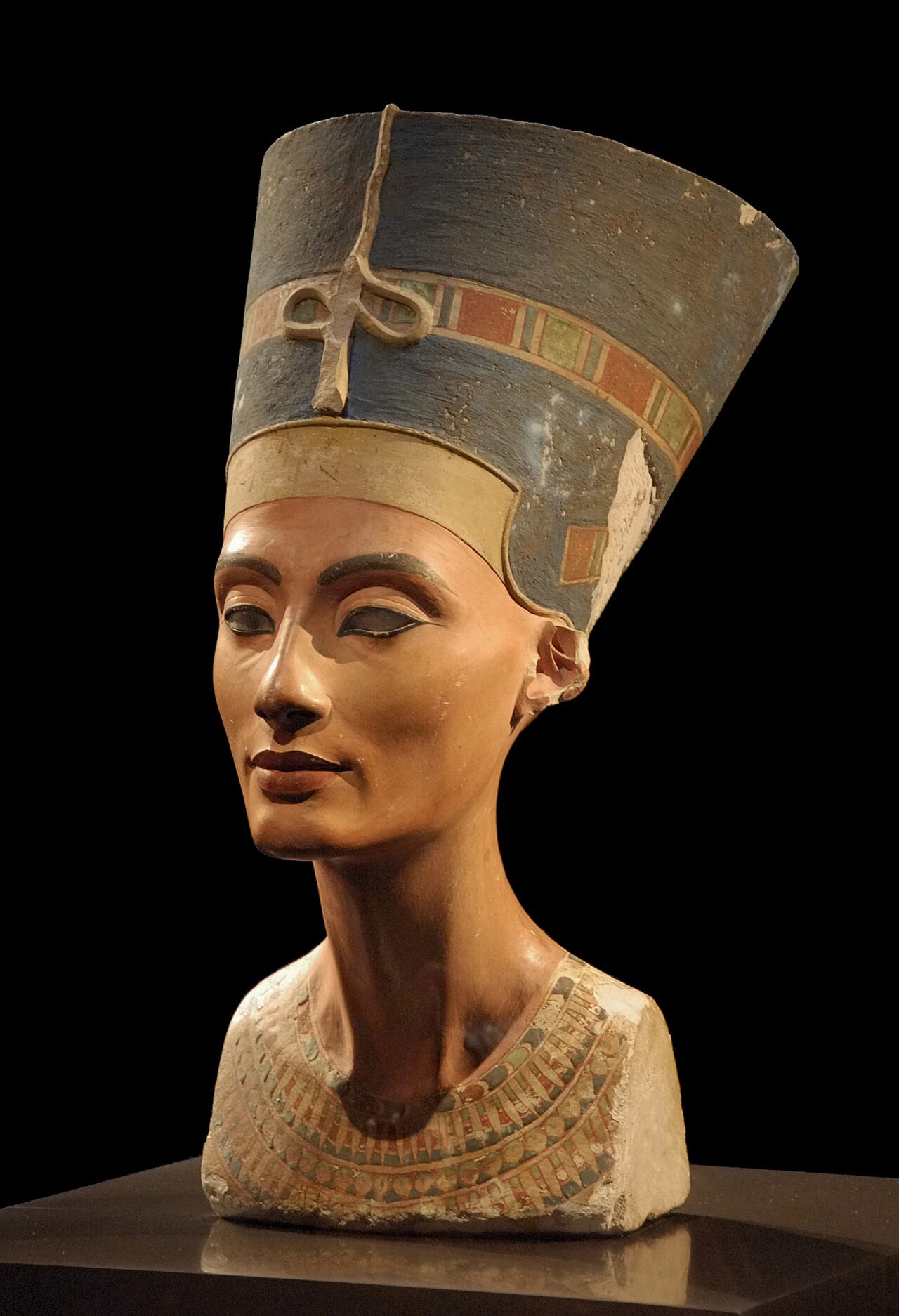 Sculpture
Primary source
Bust of Queen Nefertiti
Thutmose · c. 1345 BC
 Sculpture
Primary source
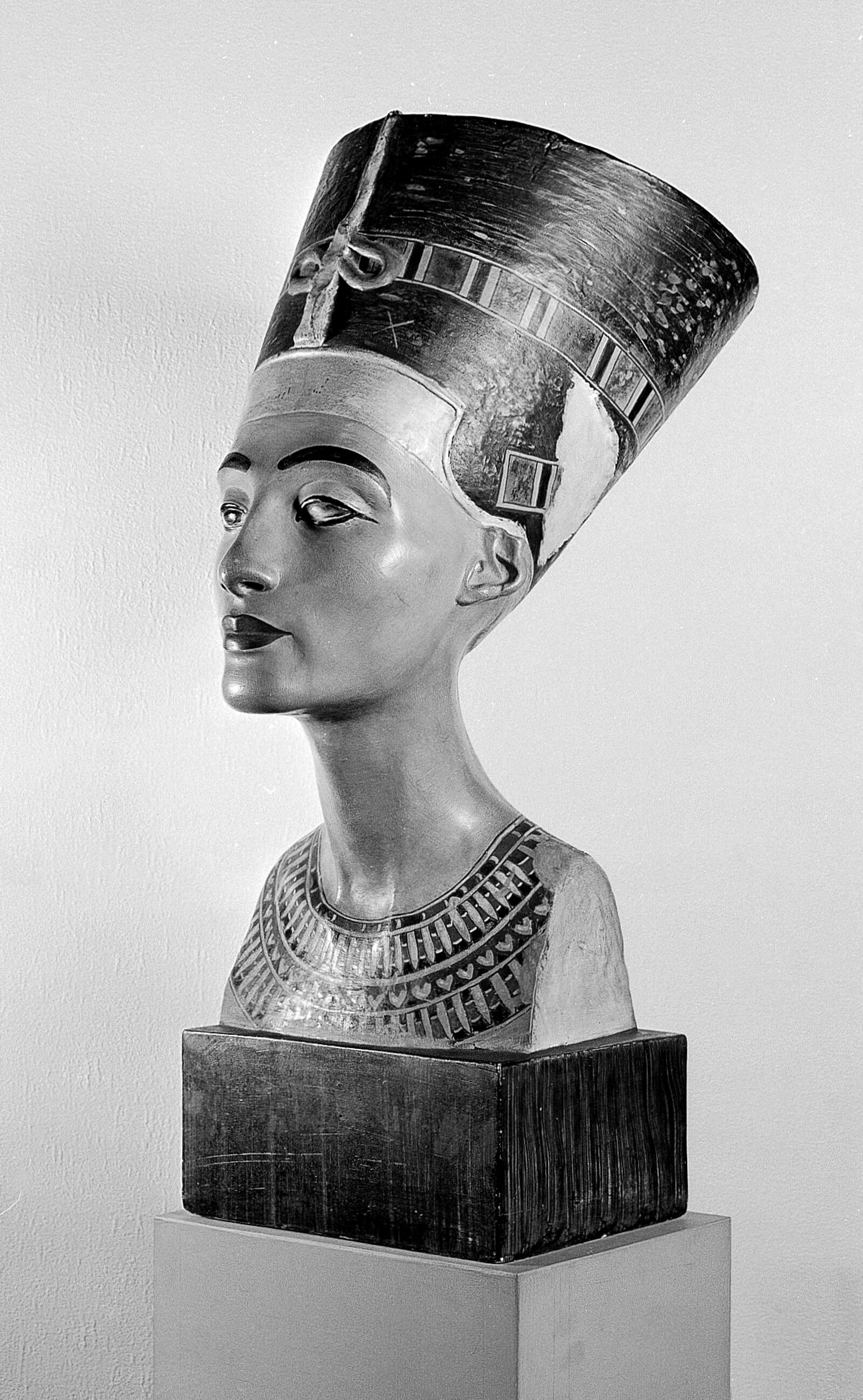
Figure of Nefertiti
 Sculpture
Primary source
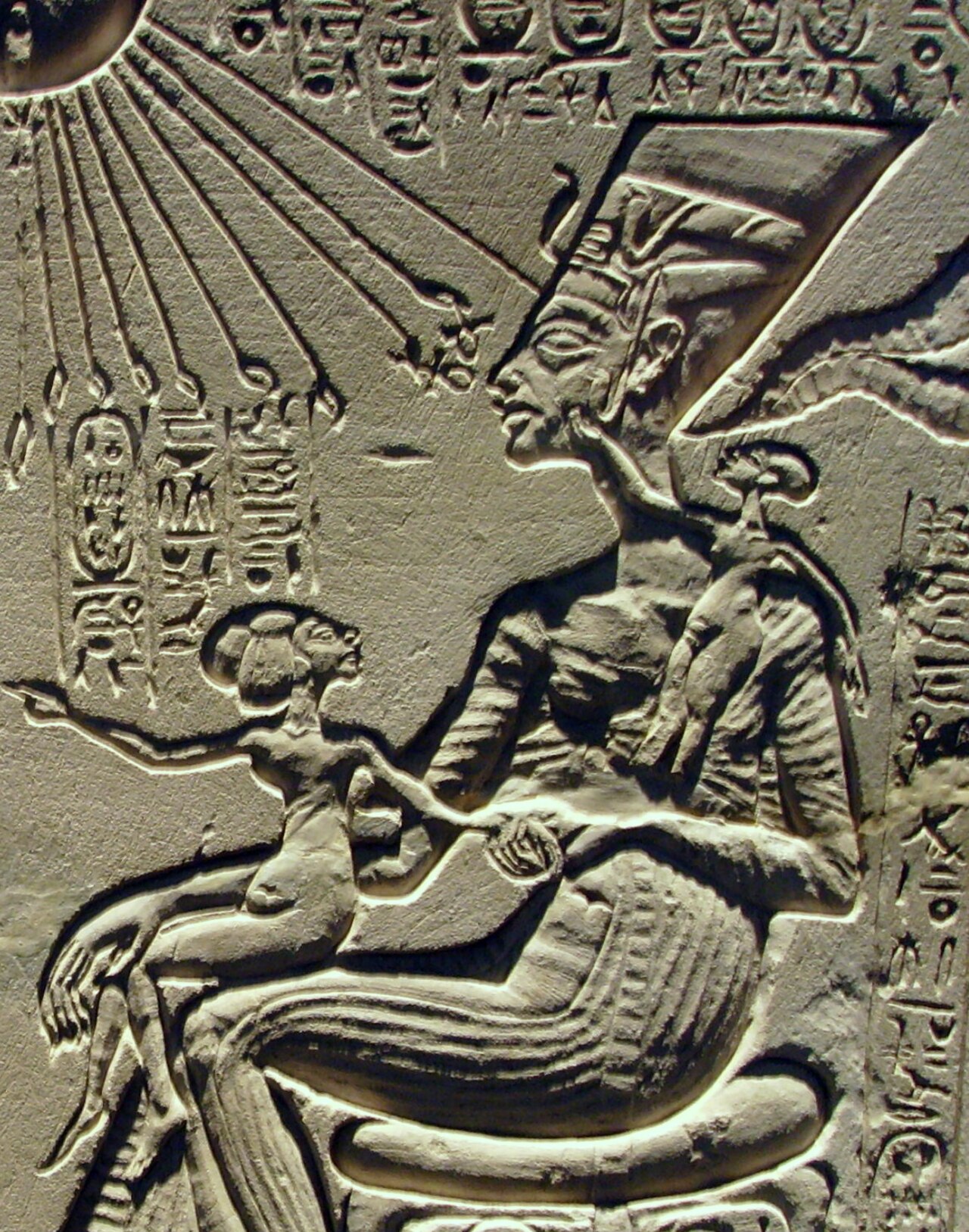
Akhenaten and His Family
c. 1352 BC
 Sculpture
Primary source
Relief Fragment Showing the Blue Crown of Nefertiti
 Document
Primary source
Great Hymn to the Aten
Akhenaten · c. 1350 BC
Ready when you are
Start chatting with Queen Nefereti now.
20 messages free · No credit card · Available in 50+ languages.