


Secondary sourcePhotograph1912
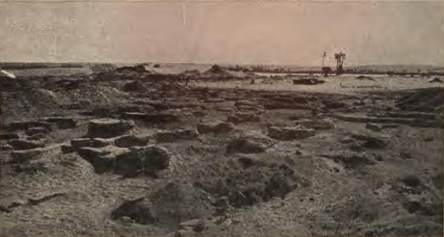
Temple of Tutankhamun's Deified Form at Faras
Francis Llewellyn Griffith · 1912
A 1912 photograph of the excavated Nubian temple at Faras, built to honour Tutankhamun as a living god.
This temple was built to worship Tutankhamun as a living god, showing his religious status beyond Egypt's borders.
About this source
What it is
This is a 1912 photograph of the excavated remains of a temple at Faras in Nubia, dedicated to a divine form of Tutankhamun worshipped during his own lifetime. The photograph was taken by Francis Llewellyn Griffith.
Why it matters
The temple shows that Tutankhamun, like other pharaohs, was honoured as a god even while alive, reflecting how Egyptian kingship extended religious authority beyond Egypt itself into Nubia. The site also shows how little remains physically of such temples today.
Look closer
- What does the scattered, ruined state of the site tell us about the passage of time since Tutankhamun's reign?
- Why might a pharaoh be worshipped as a god while still alive?
- What does the photograph not show about how the temple originally looked or functioned?
This photograph is part of the curated material that grounds the AI version of Tutankhamun on Humy.ai — when students ask about related events, the AI can quote it and cite it.
More Tutankhamun sources
Meet the AI Tutankhamun →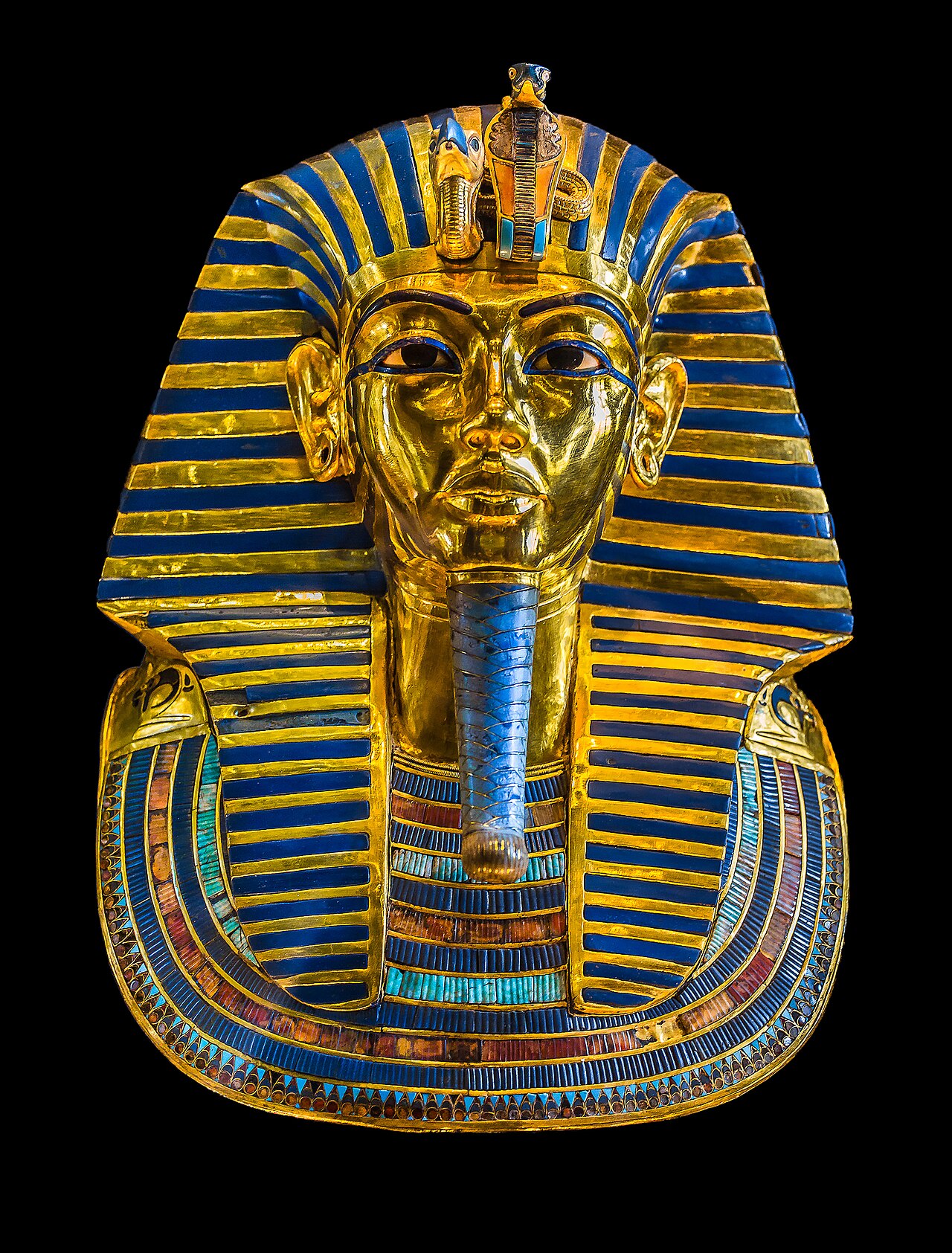 Artifact
Primary source
Mask of Tutankhamun
c. 1333 BCE
 Photograph
Primary source
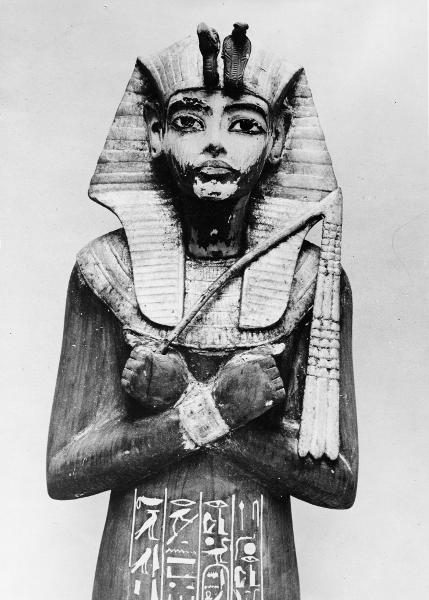
Photograph of Tutankhamun's Shawabti Figure
Harry Burton · 1920s
 Artifact
Primary source
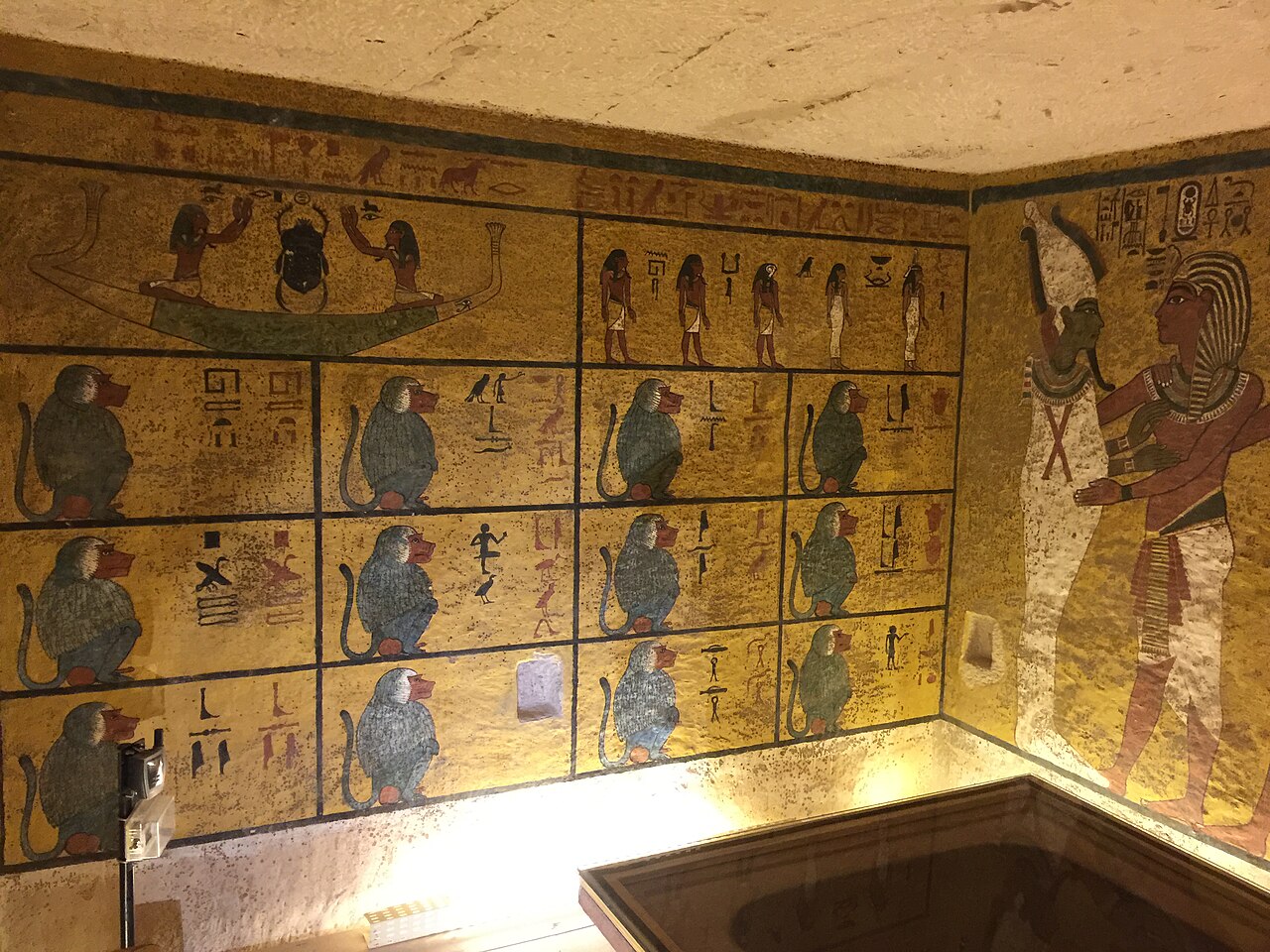
Tomb of Tutankhamun
14th century BCE
 Photograph
Primary source
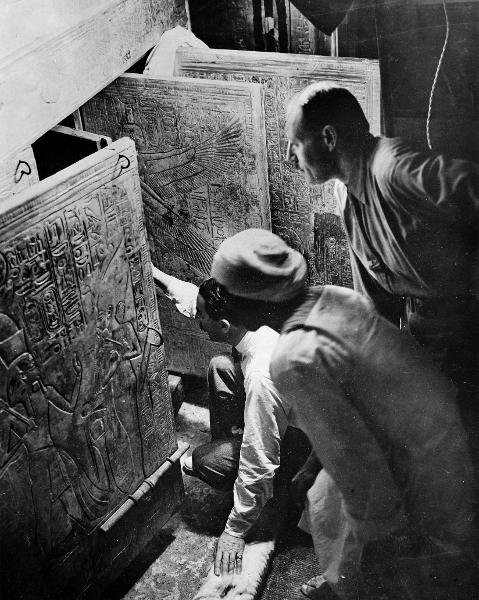
Opening the Doors of the Fourth Shrine in Tutankhamun's Tomb
Harry Burton · 1920s
 Document
Primary source
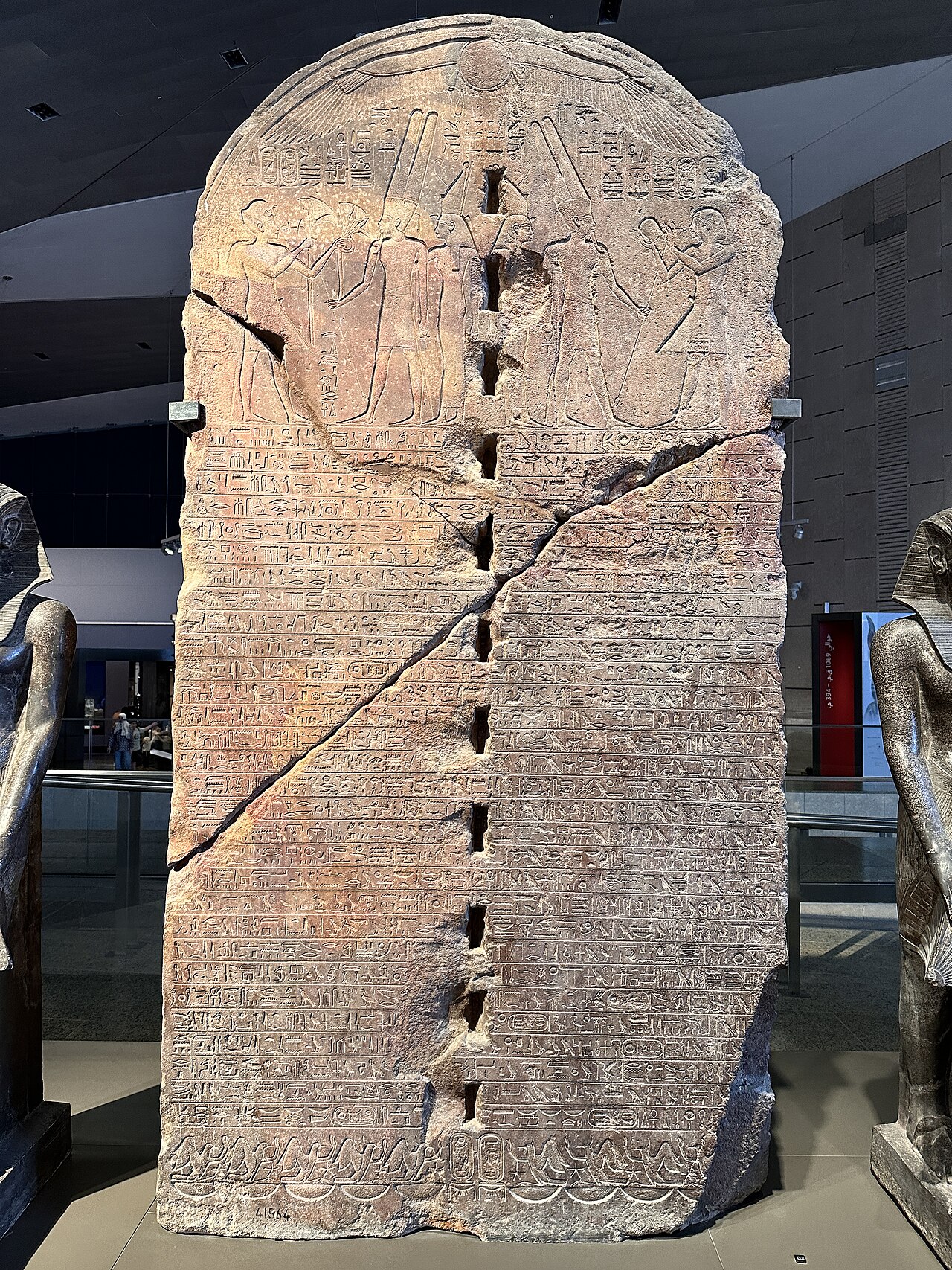
Restoration Stela
Tutankhamun · c. 1326 BCE
Ready when you are
Start chatting with Tutankhamun now.
20 messages free · No credit card · Available in 50+ languages.