


Secondary sourceBook1621
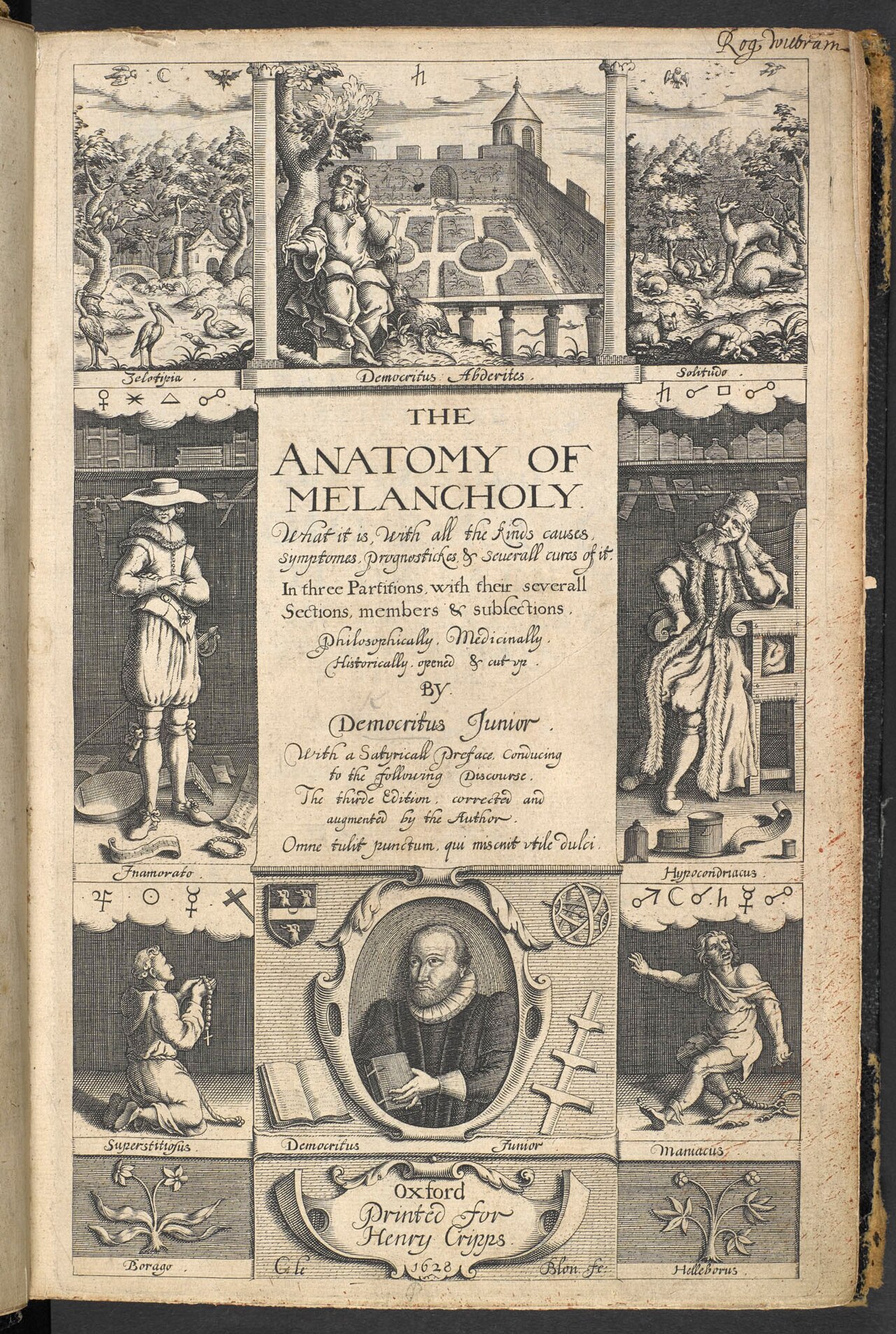
The Anatomy of Melancholy
Robert Burton · 1621
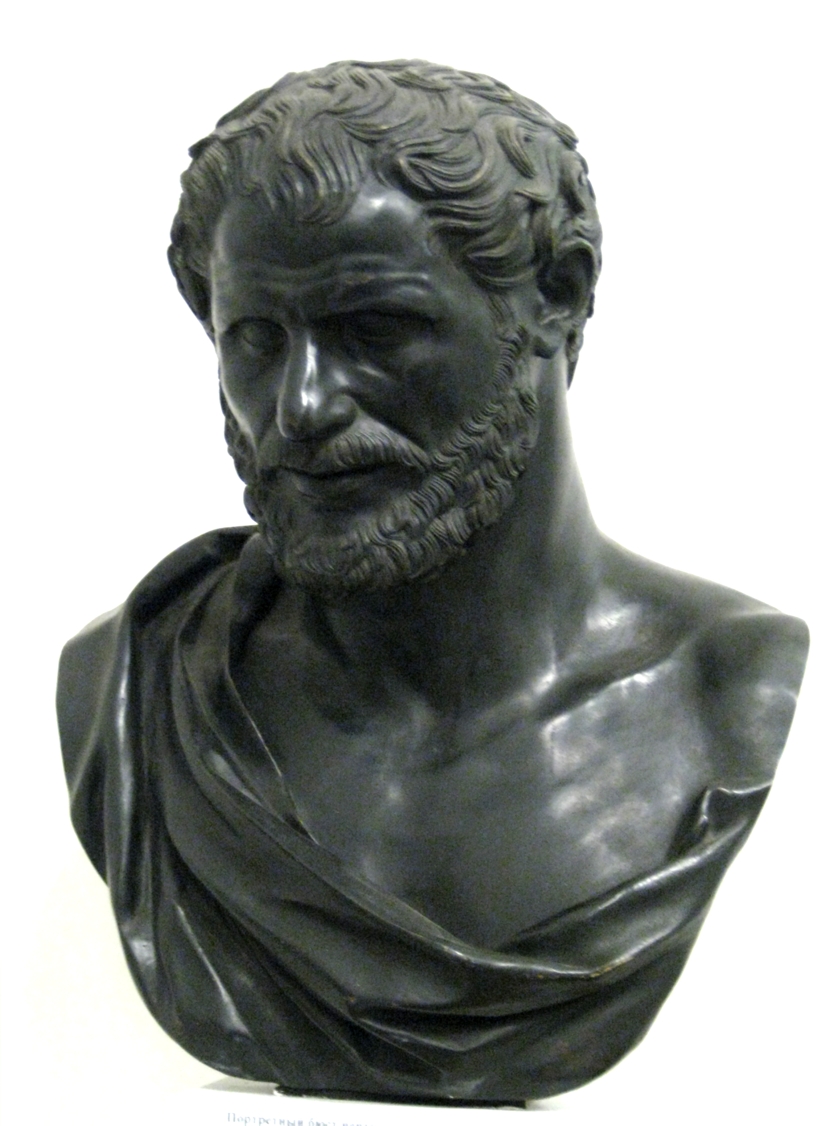
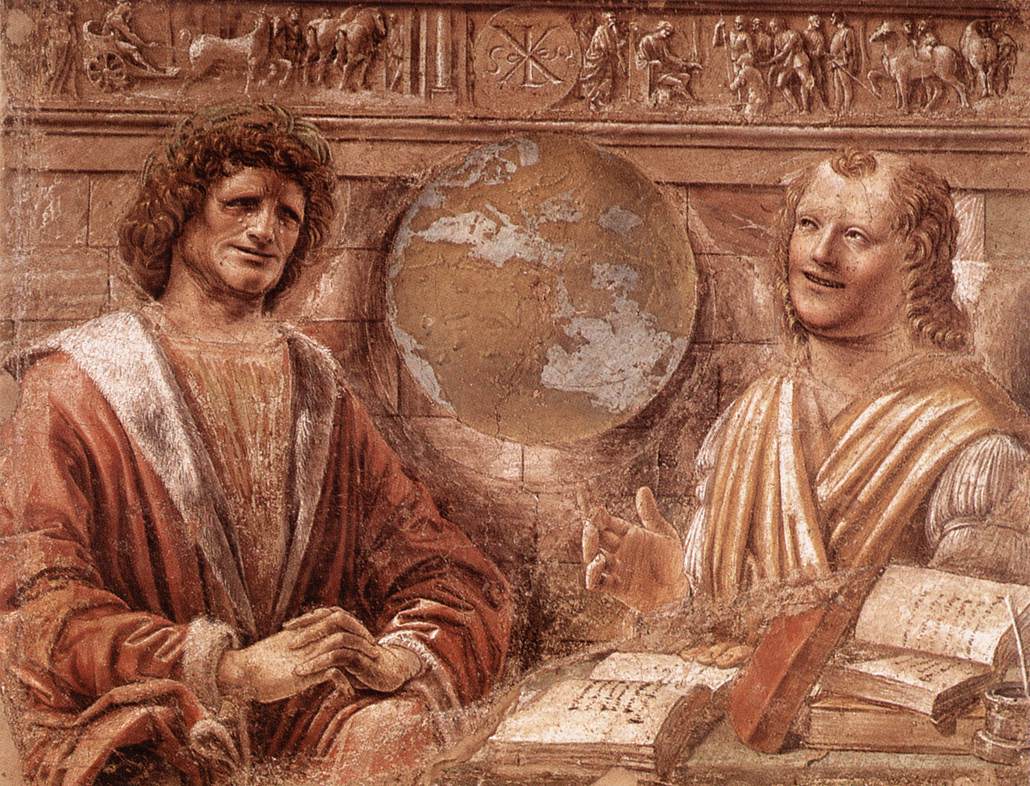
Robert Burton's 1621 book written under the pen name 'Democritus Junior,' opening with the ancient story of Democritus and Hippocrates.
Burton took on Democritus' name and reputation as the 'laughing philosopher' to frame his own study of melancholy.
Free Humy account · No credit card · 120,912 sources to read
About this source
What it is
Written by Robert Burton and first published in 1621, this long treatise on melancholy (depression) was reprinted several times with major additions. Burton published it under the pseudonym Democritus Junior, directly invoking the ancient Greek 'laughing philosopher' Democritus, and opened the book with a long introduction, 'Democritus to the Reader.'
Why it matters
By adopting Democritus' name and persona, Burton linked his own exploration of human sadness and folly to the old image of Democritus as the philosopher who laughed at the world's troubles. The book quotes many ancient authorities, including Hippocrates, and shows how Democritus' reputation still shaped serious scholarly and literary works nearly two thousand years after his life. It later influenced writers such as Samuel Johnson and John Keats.
Look closer
- Why might Burton have chosen to write as 'Democritus Junior' rather than under his own name?
- What does the choice tell us about Democritus' lasting reputation?
- How does humour mix with serious medical and philosophical discussion in the opening pages?
This book is part of the curated material that grounds the AI version of Democritus on Humy.ai — when students ask about related events, the AI can quote it and cite it.
More Democritus sources
Browse all 93 →

Ready when you are
Start chatting with Democritus now.
20 messages free · No credit card · Available in 50+ languages.