


Secondary sourceSculpture1790-1792
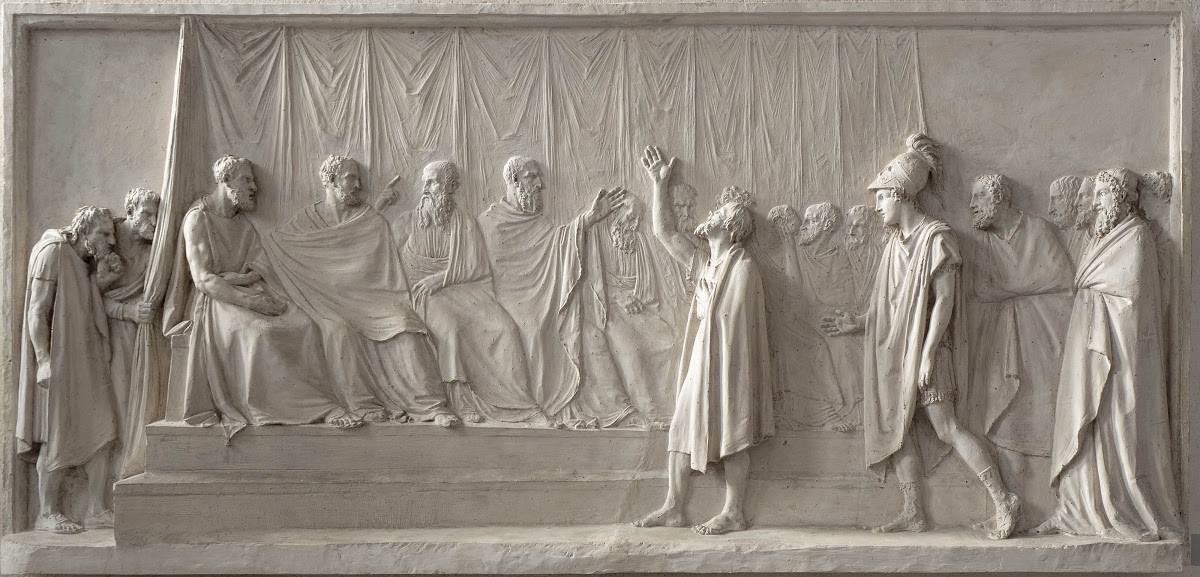
The Apology of Socrates before the Judges
Antonio Canova · 1790-1792
A plaster relief by sculptor Antonio Canova showing Socrates defending himself at his trial before the judges of Athens.
Depicts Socrates's trial and defense speech, a pivotal event that led to his execution.
About this source
What it is
This relief, made between 1790 and 1792 by the sculptor Antonio Canova, shows a courtroom scene from ancient Athens with robed figures seated and standing, imagining Socrates's defense speech at his trial.
Why it matters
Socrates's trial and his defense speech, recorded by Plato in the 'Apology', became a famous example of standing by one's beliefs even when facing punishment. Canova, a leading Neoclassical sculptor, used the subject to connect his own era to the ideals of ancient Greek philosophy and justice.
Look closer
- Who seems to be the central figure in the relief, and how can you tell?
- What does the setting tell you about how the artist imagined an ancient Greek trial?
- What is missing from this image that we only know from written accounts of the trial?
This sculpture is part of the curated material that grounds the AI version of Socrates on Humy.ai — when students ask about related events, the AI can quote it and cite it.
More Socrates sources
Meet the AI Socrates →Secondary source
Apology
Plato · c. 395 BC
 Painting
Secondary source
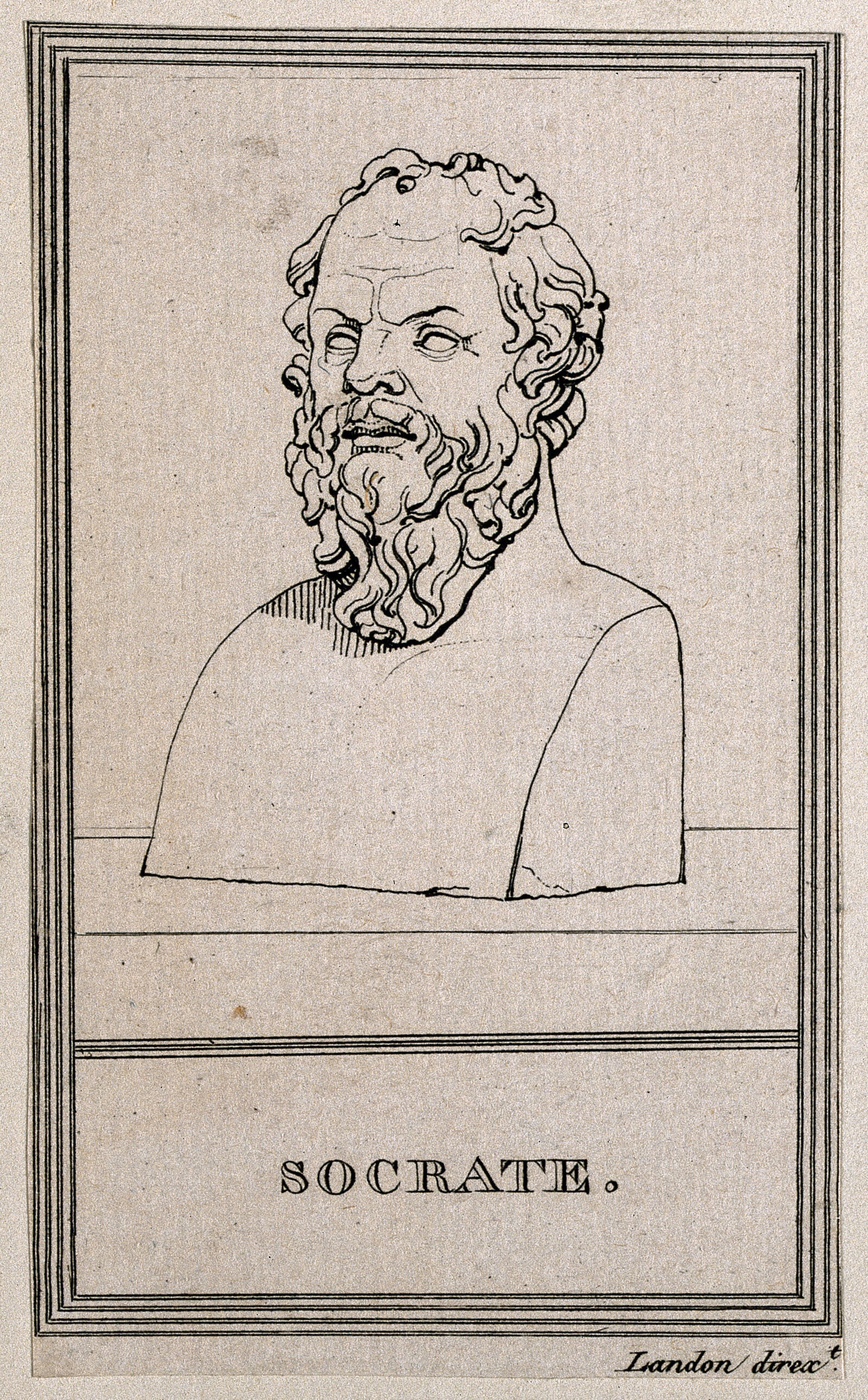
Line Engraving of Socrates by Landon
Charles Paul Landon
 Book
Secondary source
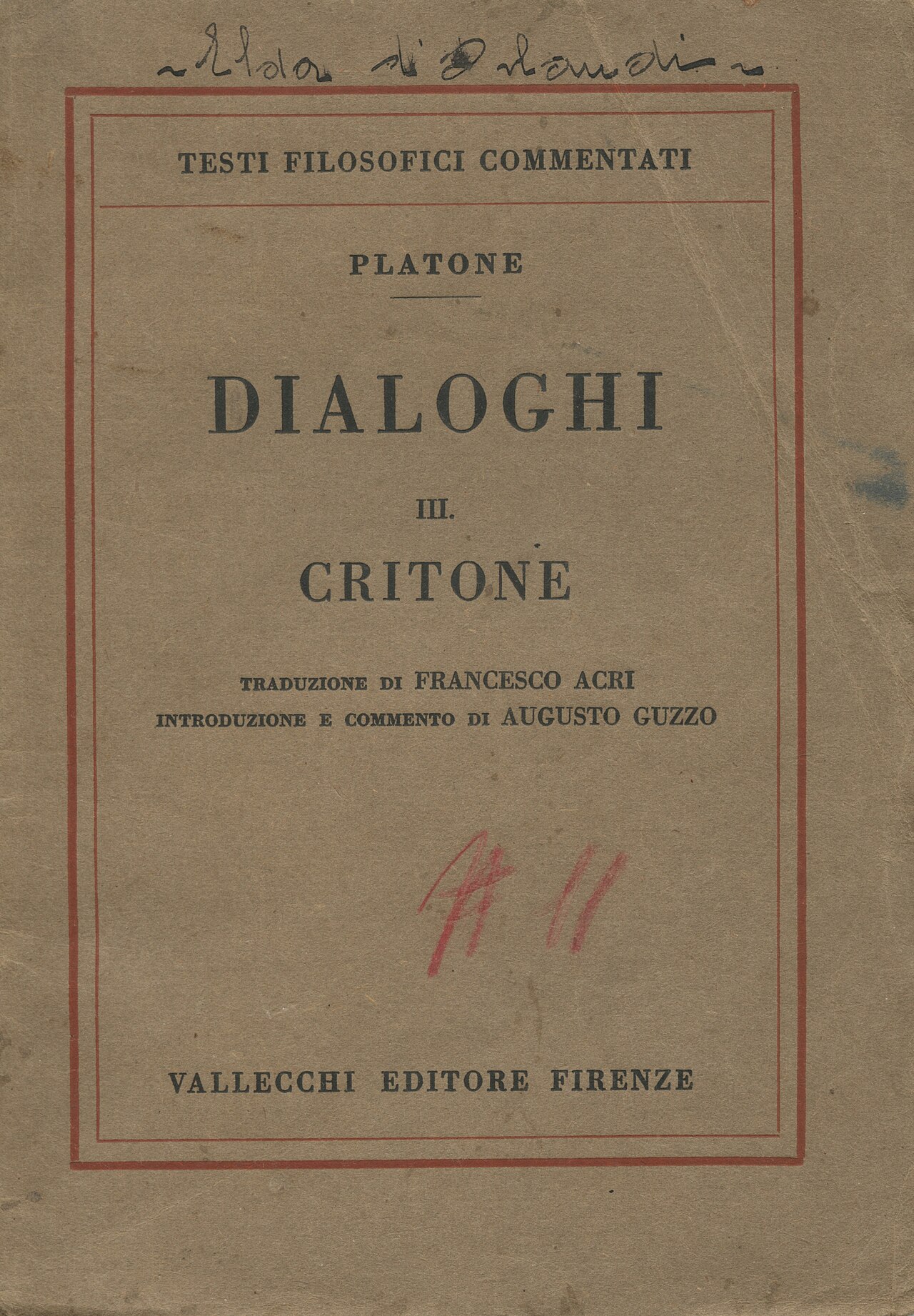
Crito
Plato · c. 400 BC
 Painting
Secondary source
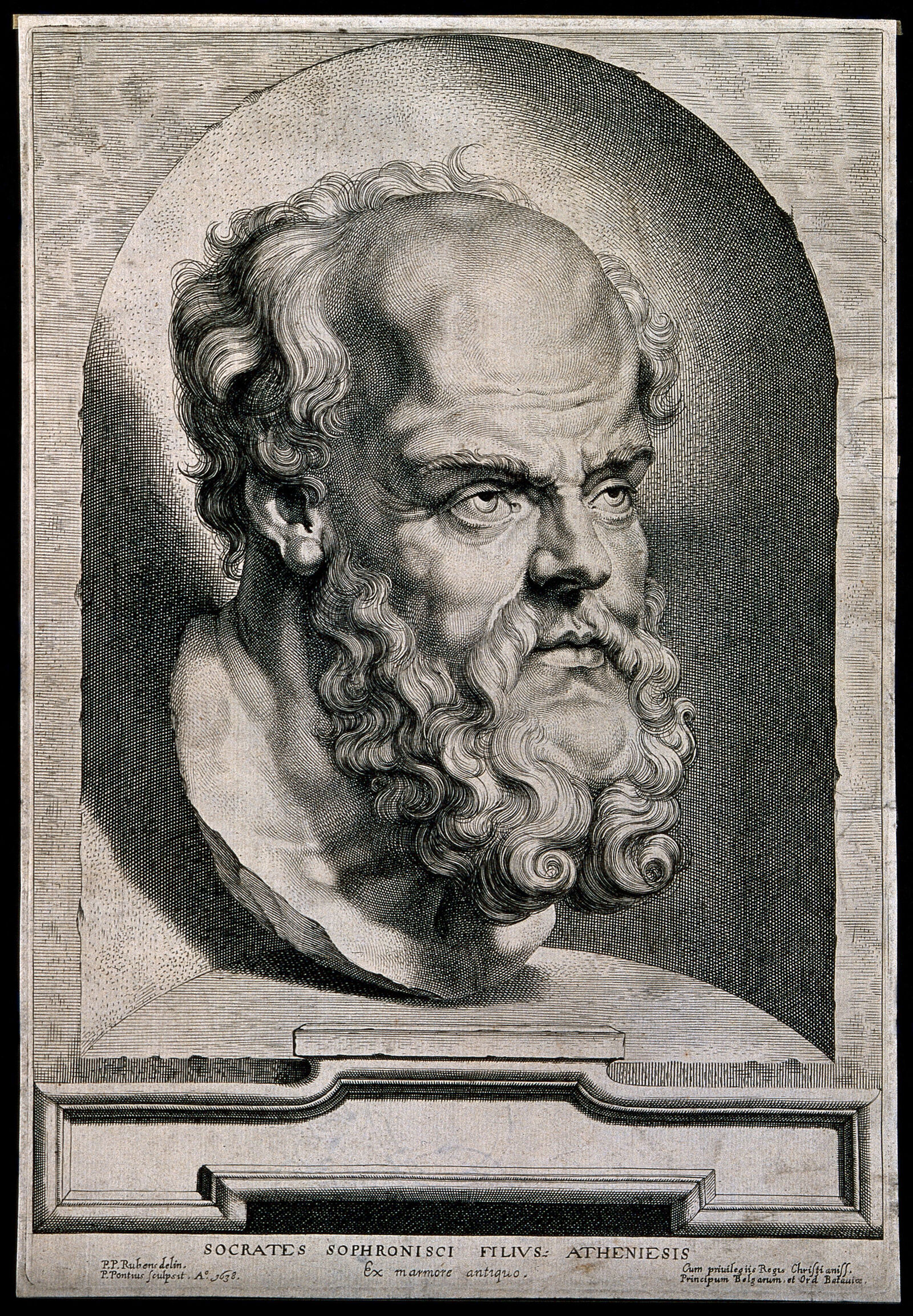
Socrates Engraving after Rubens by Pontius
Peter Paul Rubens · 1638
 Photograph
Secondary source
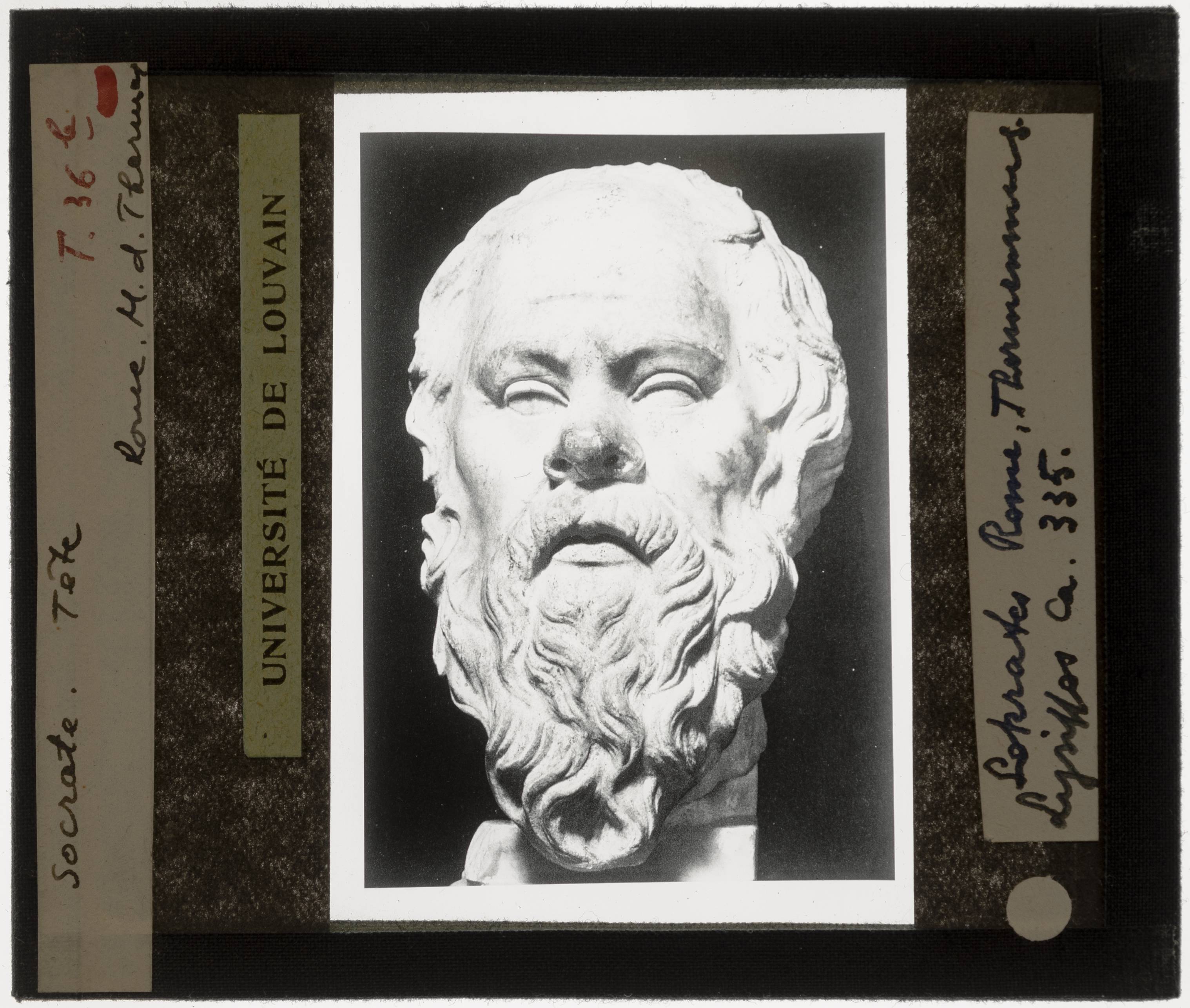
Roman Marble Bust of Socrates
between 1839 and 1939
Ready when you are
Start chatting with Socrates now.
20 messages free · No credit card · Available in 50+ languages.