


Secondary sourcePainting1763-1764
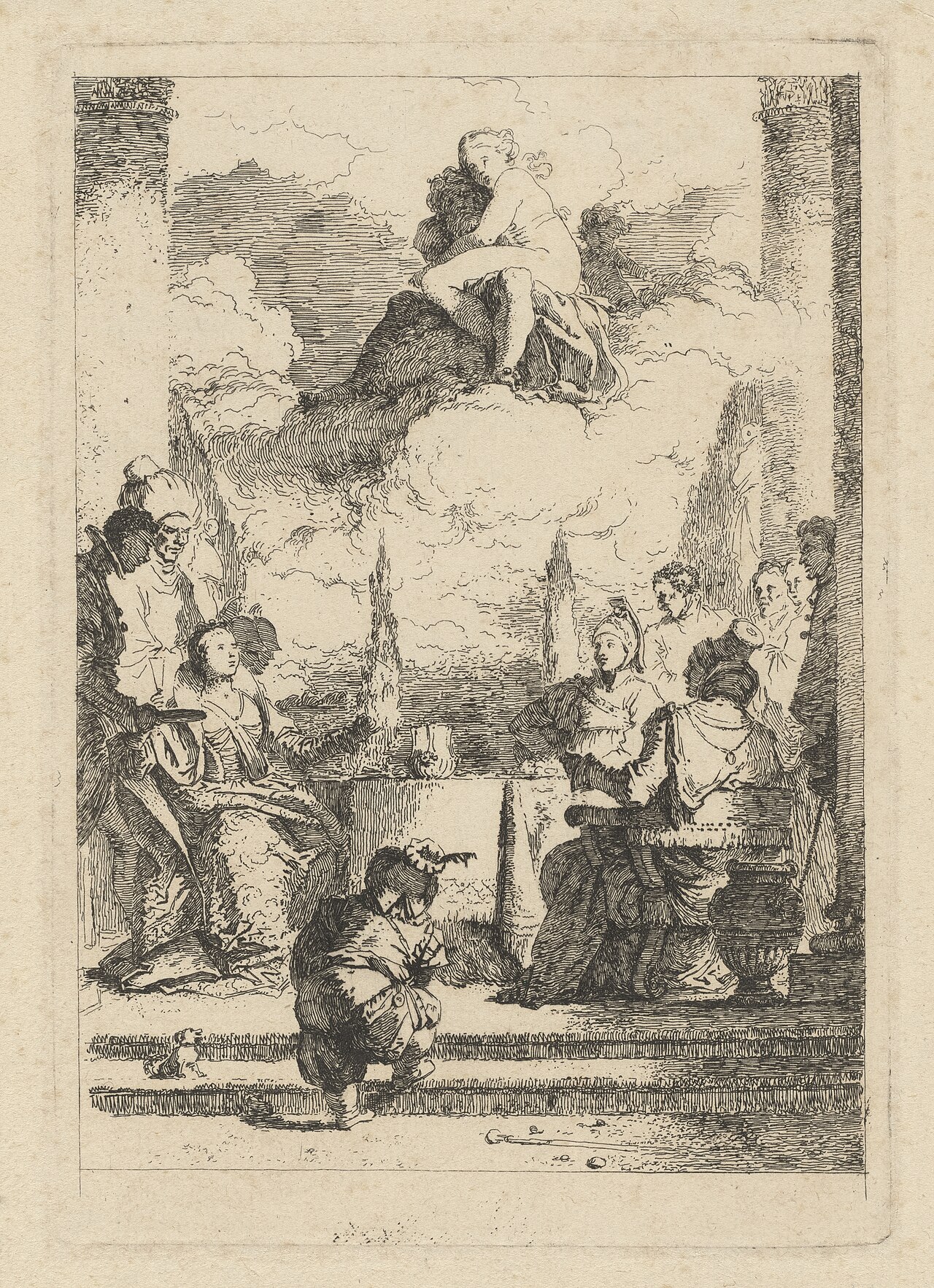
The Banquet of Antony and Cleopatra
Jean-Honoré Fragonard after Giovanni Battista Tiepolo · 1763-1764
An 18th-century etching by Fragonard after Tiepolo, showing a banquet scene with Antony and Cleopatra.
A later artistic retelling of the legendary banquet between Cleopatra and Mark Antony.
About this source
What it is
This etching was made by Jean-Honoré Fragonard after a composition by Giovanni Battista Tiepolo, around 1763-1764. It shows a banquet in a classical colonnaded hall, with a seated woman in an elaborate headdress reclining beside a standing man, another woman seated at a table with attendants, and figures in the clouds above.
Why it matters
This image reflects a famous legendary banquet between Cleopatra and the Roman general Mark Antony, a story retold often in art and literature. Made by one artist copying another's design centuries after Cleopatra's lifetime, it shows how her story was passed down and reshaped through generations of European artists.
Look closer
- What details suggest wealth and luxury in this scene?
- Why might this legendary banquet have appealed to artists across different centuries?
- What does copying another artist's composition tell us about how images circulate?
This painting is part of the curated material that grounds the AI version of Cleopatra on Humy.ai — when students ask about related events, the AI can quote it and cite it.
More Cleopatra sources
Meet the AI Cleopatra →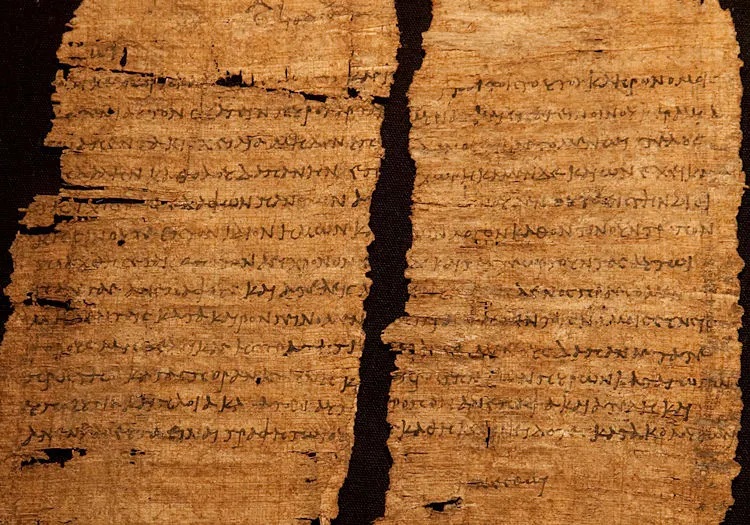 Document
Primary source
Papyrus with Signature of Cleopatra VII
Ptolemaic scribe; possibly countersigned by Cleopatra VII · February 33 BCE
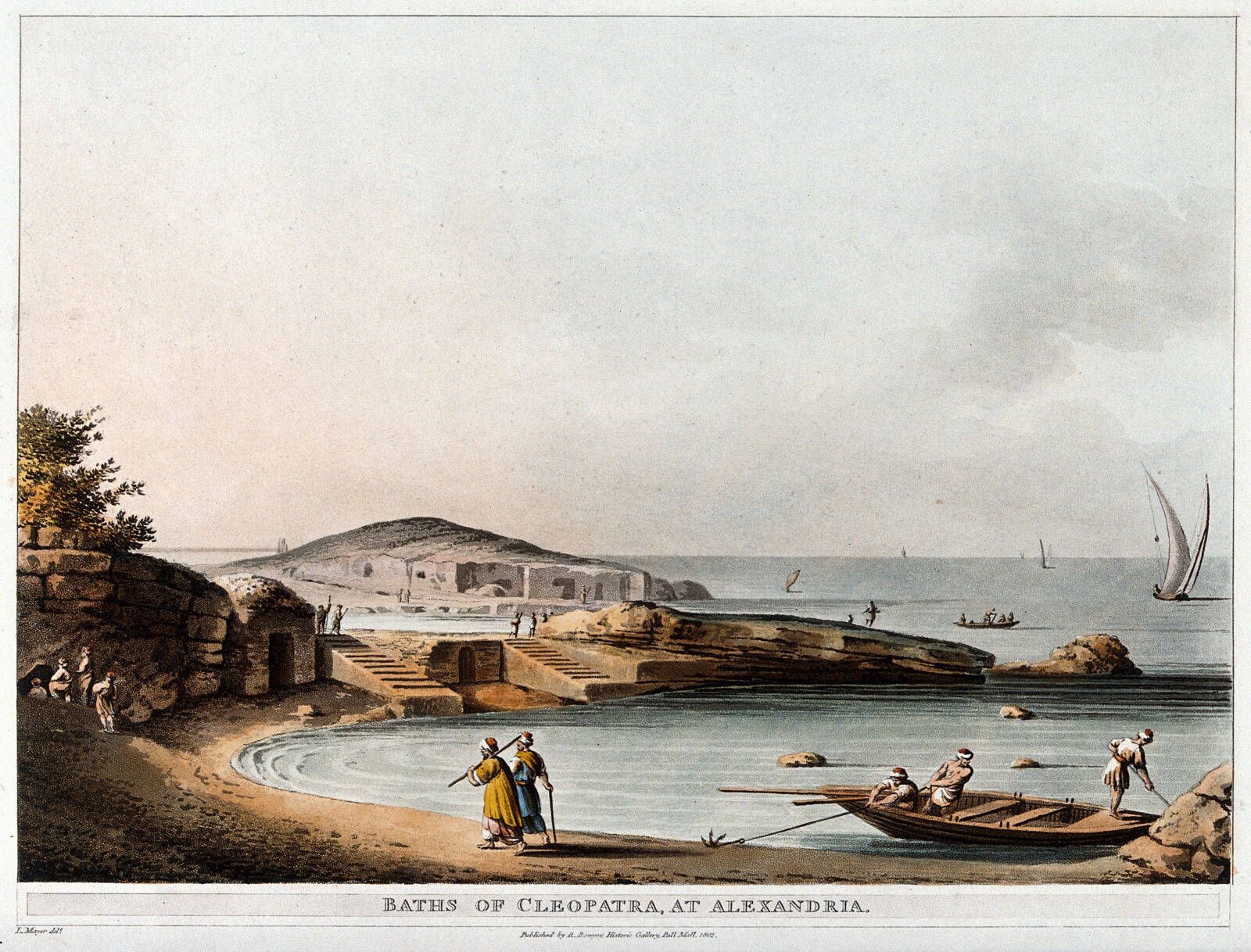 Painting
Secondary source
Baths of Cleopatra, at Alexandria
Luigi Mayer · 1802
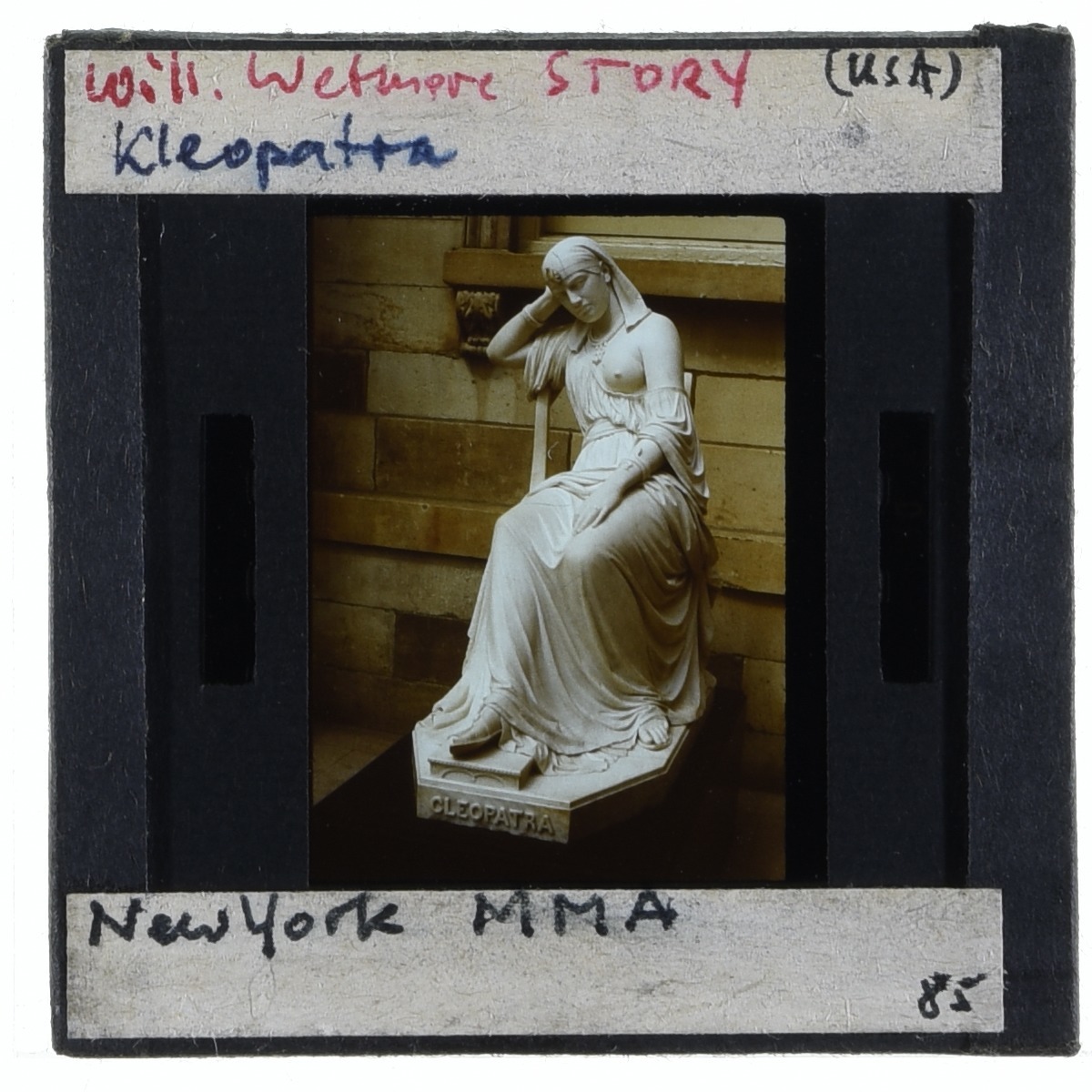 Sculpture
Secondary source
Cleopatra
William Wetmore Story
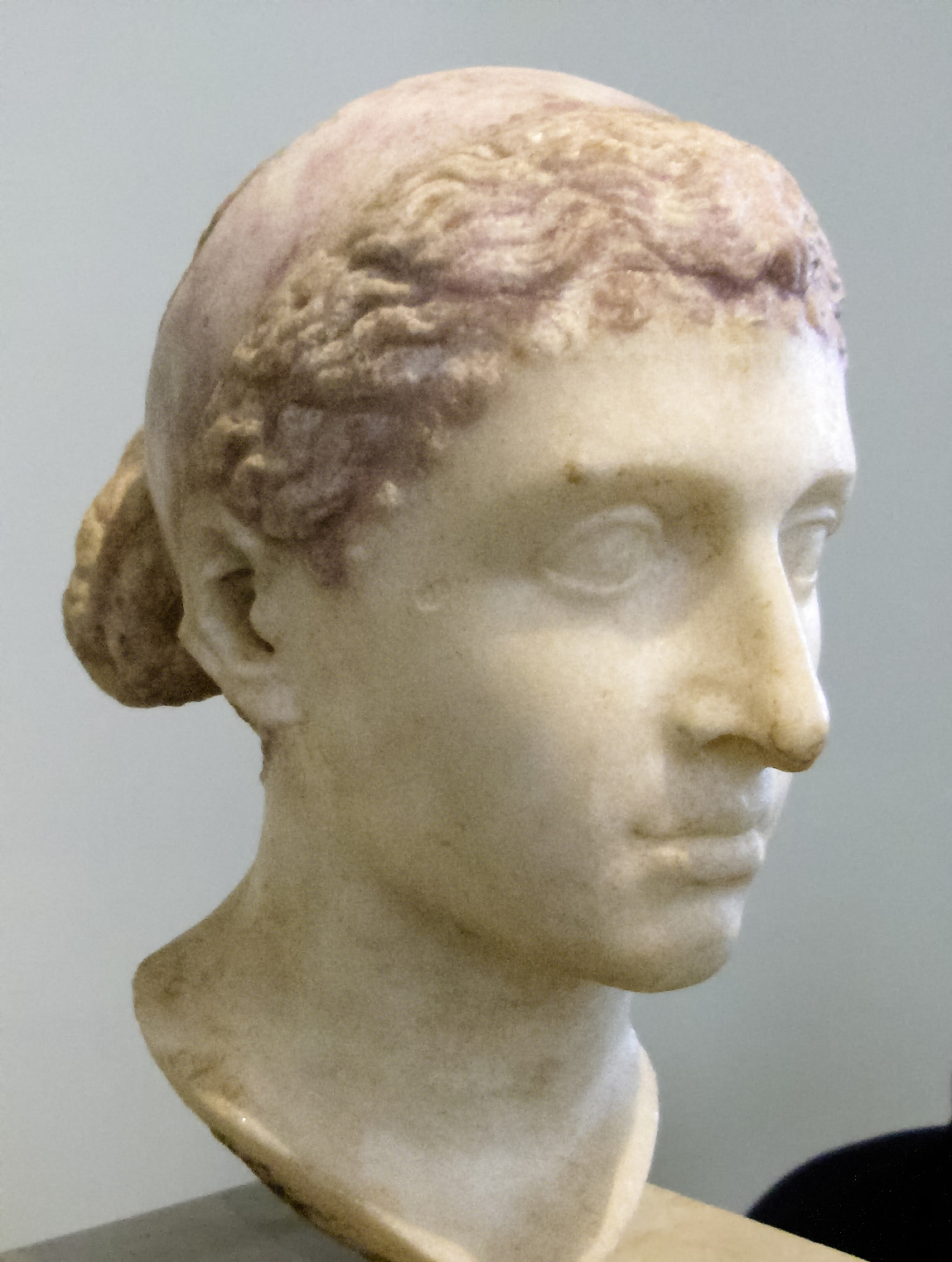 Sculpture
Primary source
Portrait of Cleopatra (Berlin Bust)
c. 40-30 BCE
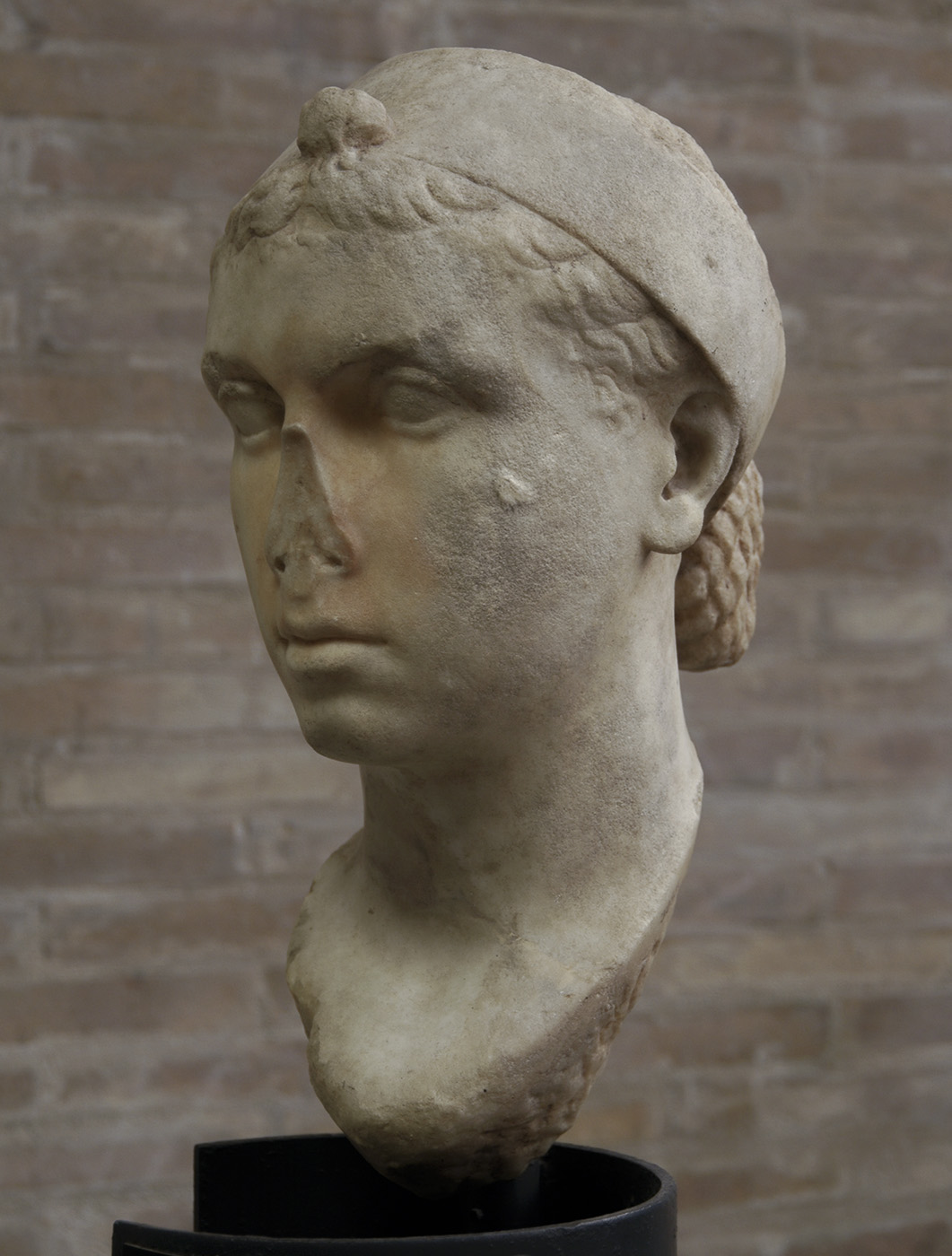 Sculpture
Primary source
Head-Portrait of Cleopatra VII (Vatican Bust)
c. 40-30 BCE
Ready when you are
Start chatting with Cleopatra now.
20 messages free · No credit card · Available in 50+ languages.