


Secondary sourcePainting1742
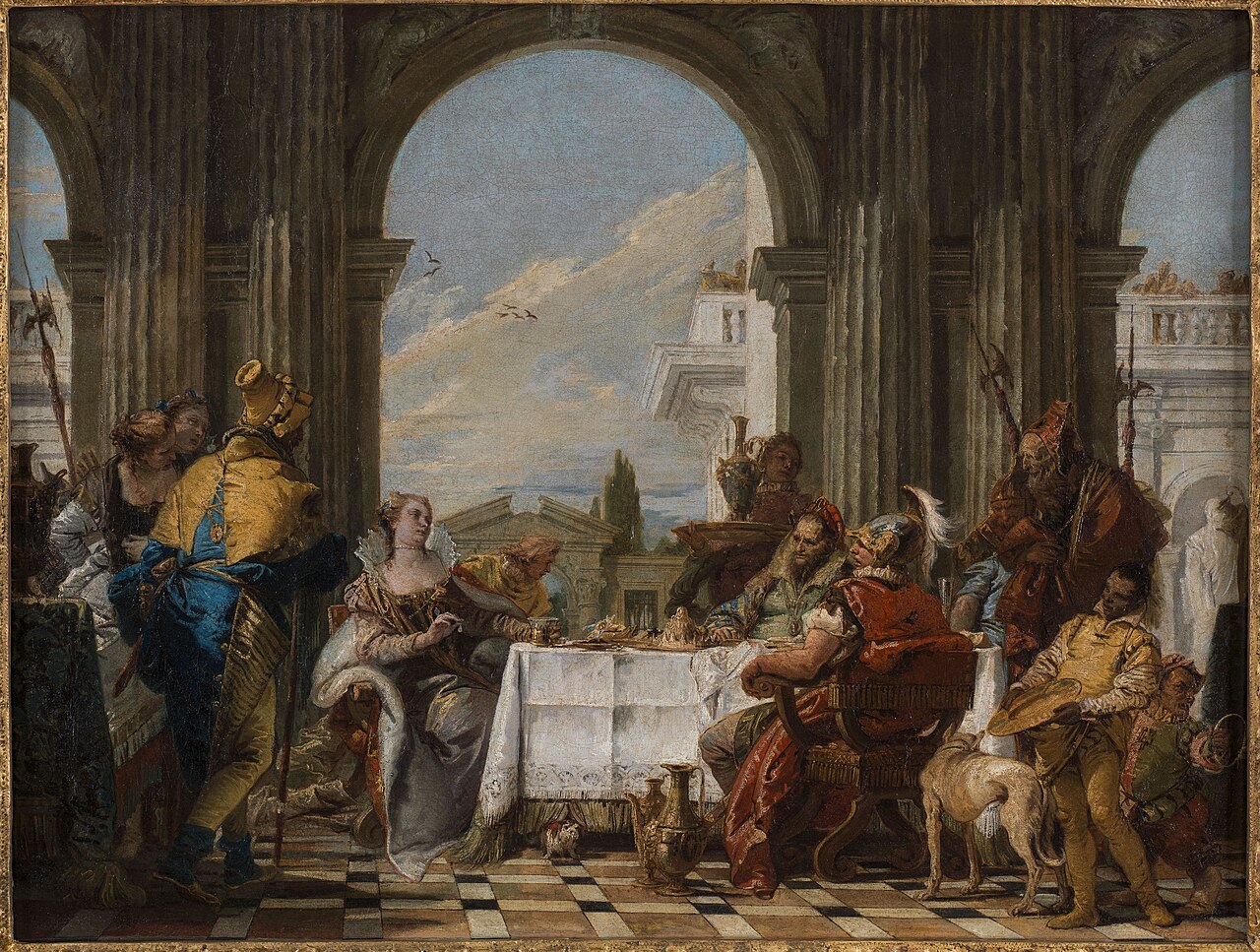
The Banquet of Cleopatra
Giovanni Battista Tiepolo · 1742
A painting by Tiepolo showing the legendary banquet where Cleopatra reputedly dissolved a pearl in vinegar to prove her wealth.
Depicts a famous ancient legend about Cleopatra's wealth, as retold in 18th-century art.
About this source
What it is
This painting was created by the Venetian artist Giovanni Battista Tiepolo in 1742. It is held today at the Musée Cognacq-Jay. It depicts a famous ancient story about Cleopatra's extravagance at a banquet.
Why it matters
The painting shows how an old legend about Cleopatra, first told by the Roman writer Pliny, was still being retold and reimagined artistically over a thousand years later. It helps students see how myths about historical figures spread and change.
Look closer
- What details suggest this is an imagined scene rather than a historical record?
- Why might 18th-century audiences have been fascinated by a story about extravagance?
- What does the painting tell us about Tiepolo's time rather than Cleopatra's own?
This painting is part of the curated material that grounds the AI version of Cleopatra on Humy.ai — when students ask about related events, the AI can quote it and cite it.
More Cleopatra sources
Meet the AI Cleopatra →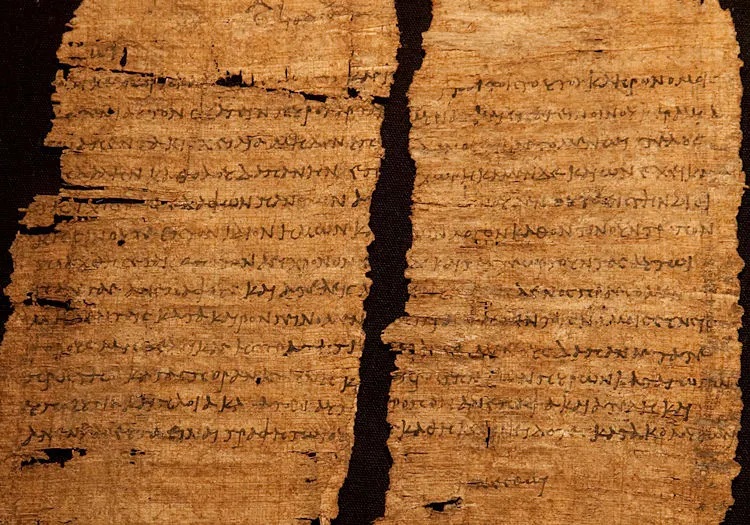 Document
Primary source
Papyrus with Signature of Cleopatra VII
Ptolemaic scribe; possibly countersigned by Cleopatra VII · February 33 BCE
 Painting
Secondary source
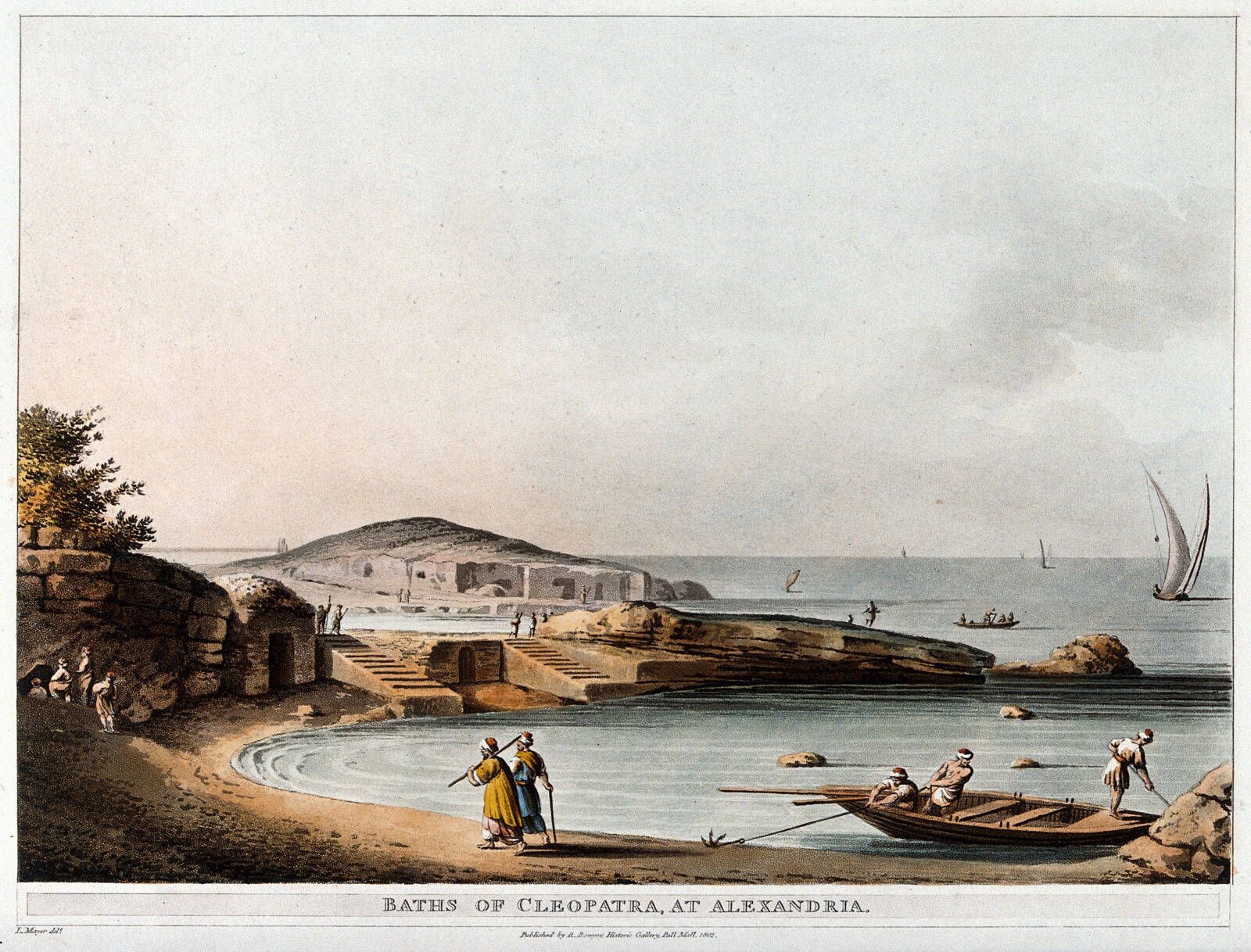
Baths of Cleopatra, at Alexandria
Luigi Mayer · 1802
 Sculpture
Secondary source
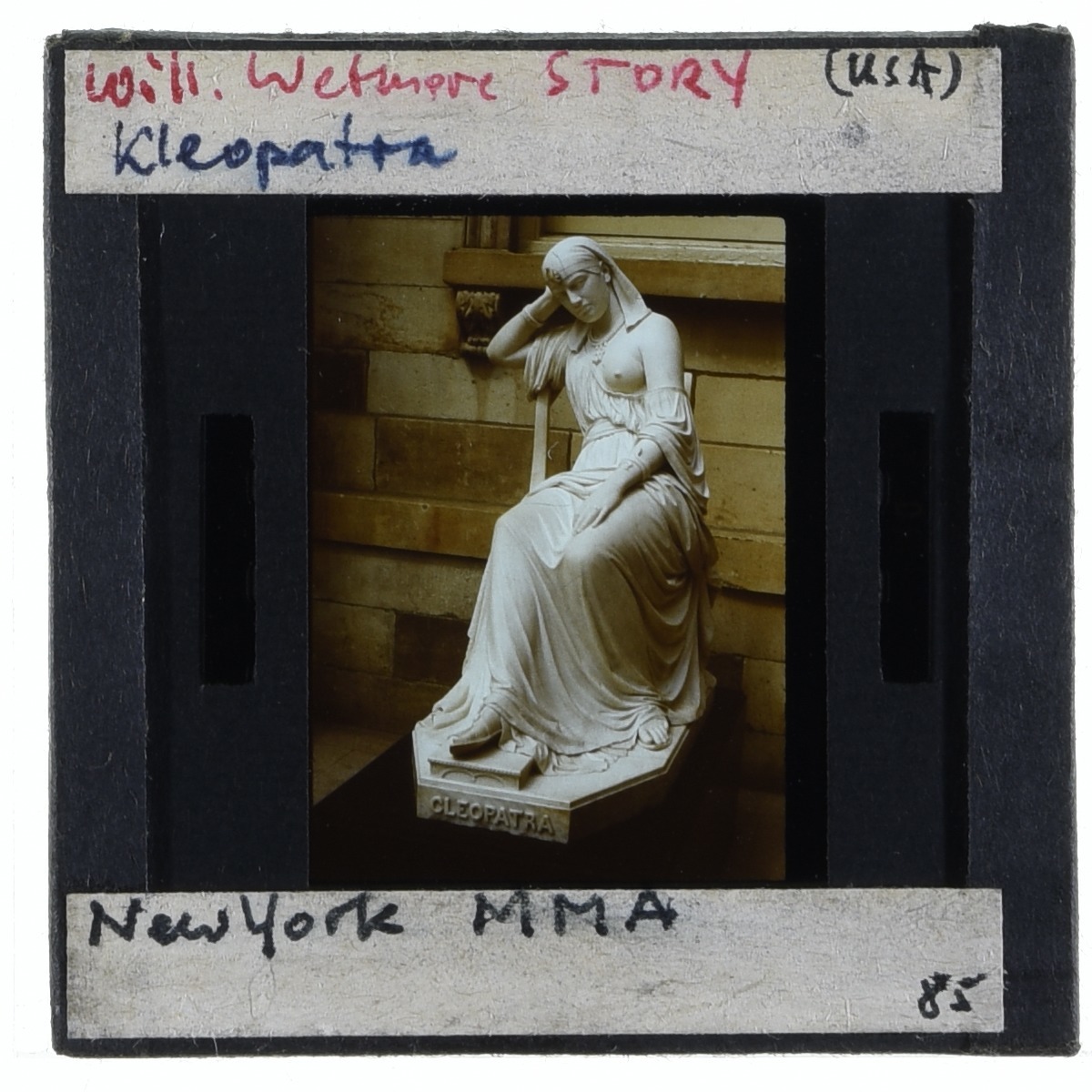
Cleopatra
William Wetmore Story
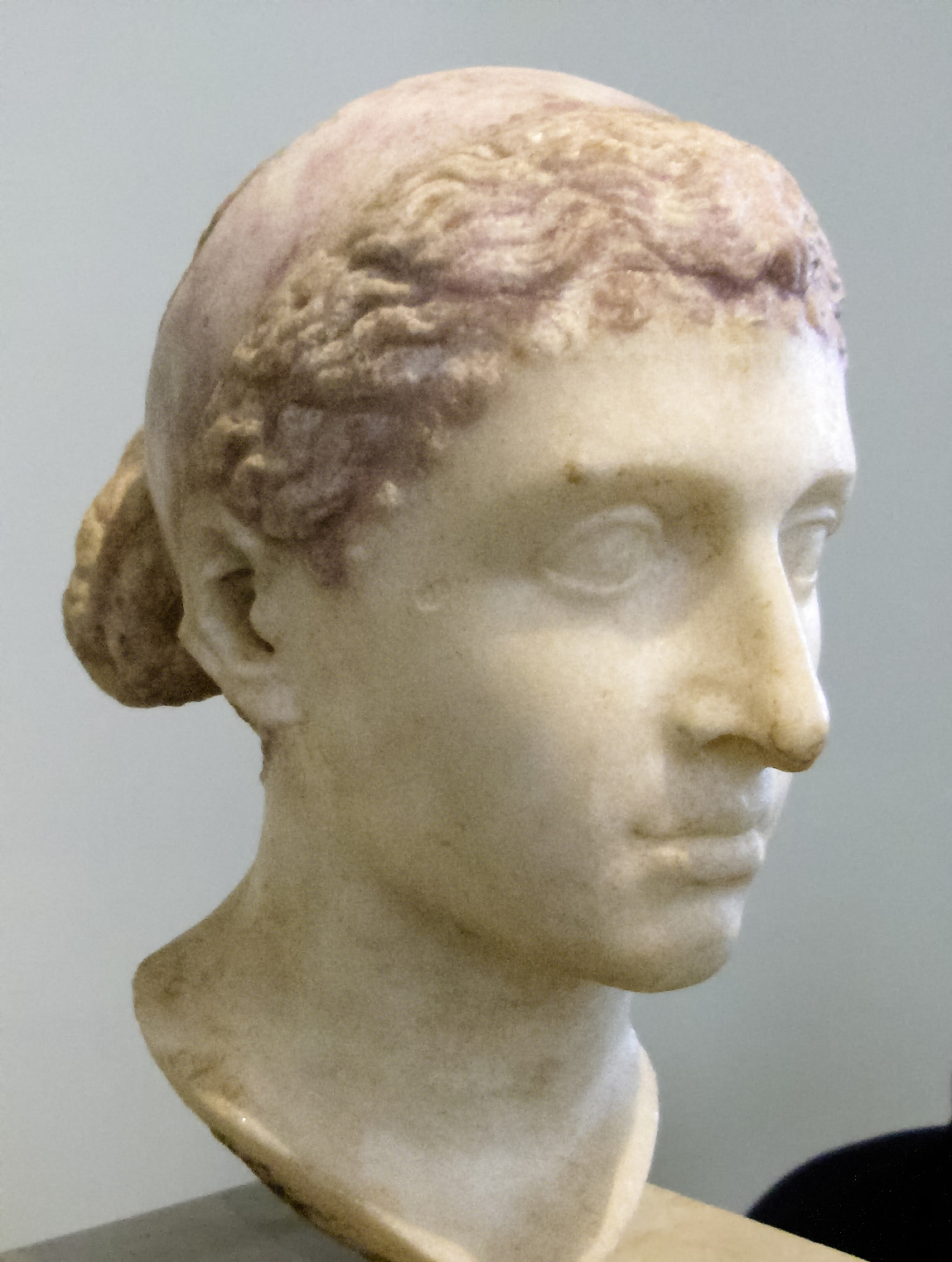 Sculpture
Primary source
Portrait of Cleopatra (Berlin Bust)
c. 40-30 BCE
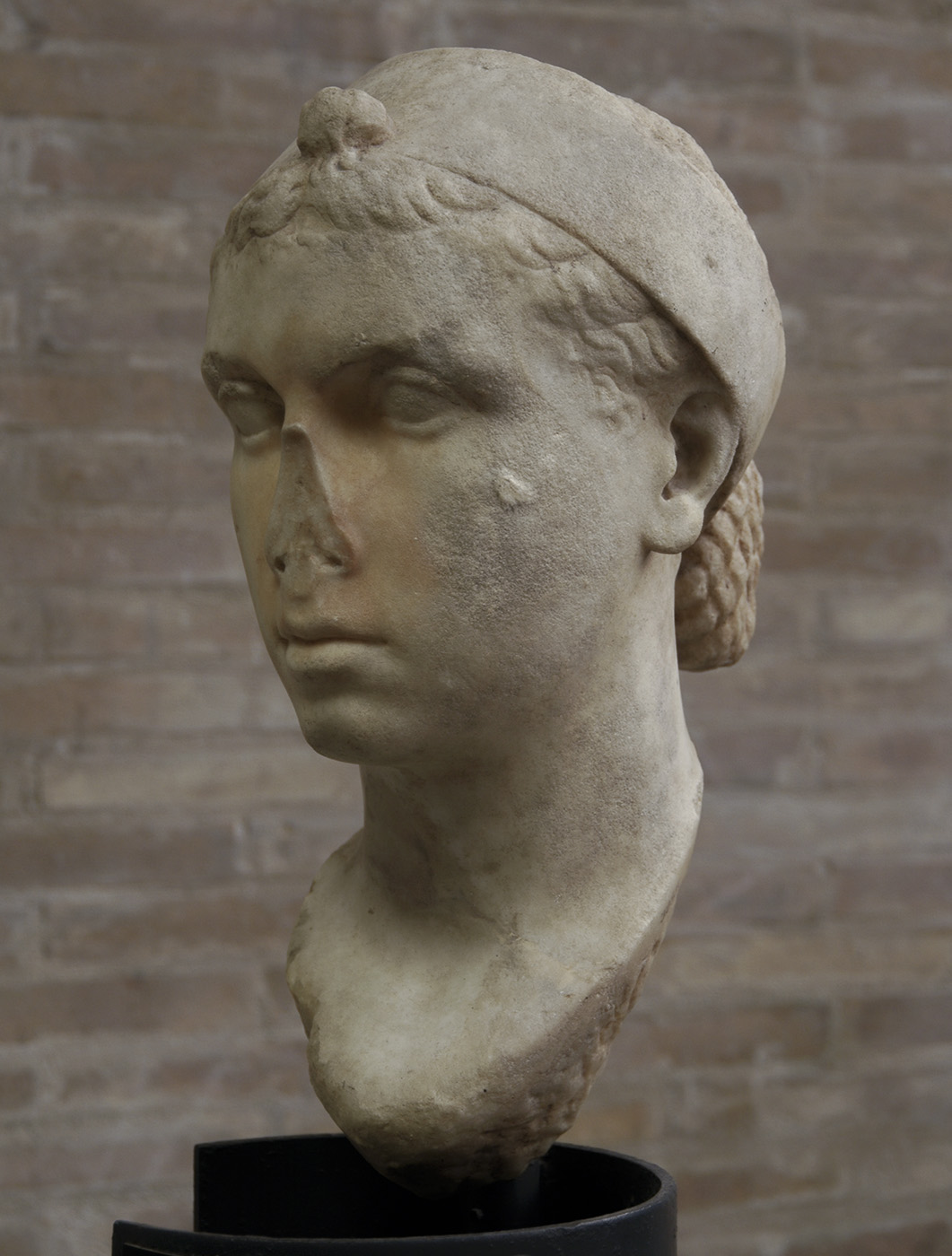 Sculpture
Primary source
Head-Portrait of Cleopatra VII (Vatican Bust)
c. 40-30 BCE
Ready when you are
Start chatting with Cleopatra now.
20 messages free · No credit card · Available in 50+ languages.