


Primary sourceBook1876
The Beggar Boy at Christ's Christmas Tree
Fyodor Dostoyevsky · 1876
A Christmas story by Dostoyevsky, first published in January 1876 in A Writer's Diary. A young beggar boy freezes to death on Christmas Eve in a great city.
Written by Dostoyevsky for his Writer's Diary, this story shows his concern with suffering children and the poverty he saw in Saint Petersburg.
About this source
What it is
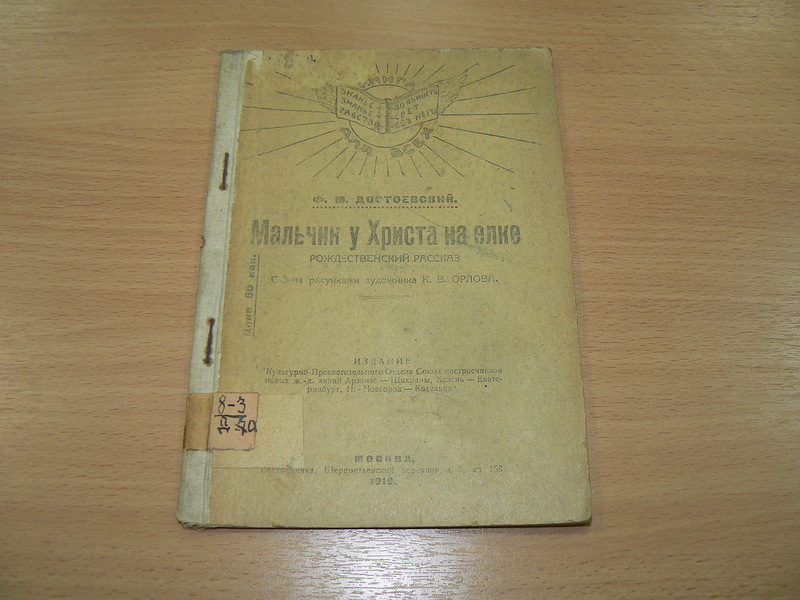
This is a Christmas-time short story by Fyodor Dostoyevsky, first published in January 1876 in A Writer's Diary. The boy of the title, six years old or younger, wanders the streets of a city on Christmas Eve and sees the festive parties. He later dies of the cold, together with his mother. The image shows a worn 1919 Moscow booklet of the story, a copy that a library labelled, not the 1876 first printing.
Why it matters
Dostoyevsky wrote the story after meeting a begging boy on the streets of Saint Petersburg at New Year and after visiting a colony for juvenile delinquents. The story belongs to a group of pieces in the Diary about children and compassion. The author says he is sure only of the first part of the story and not whether the Christ's tree scene is true. It shows how the writer used a child's suffering to speak about poverty and neglect.
Look closer
- Who is the story's narrator, and how does he signal that he is not sure what really happened?
- What does the 1919 booklet cover tell you about how this story was used after the Russian Revolution?
- What parts of the boy's life does the story leave out, and why might that matter?
This book is part of the curated material that grounds the AI version of Fyodor Dostoevsky on Humy.ai — when students ask about related events, the AI can quote it and cite it.
More Fyodor Dostoevsky sources
Meet the AI Fyodor Dostoevsky →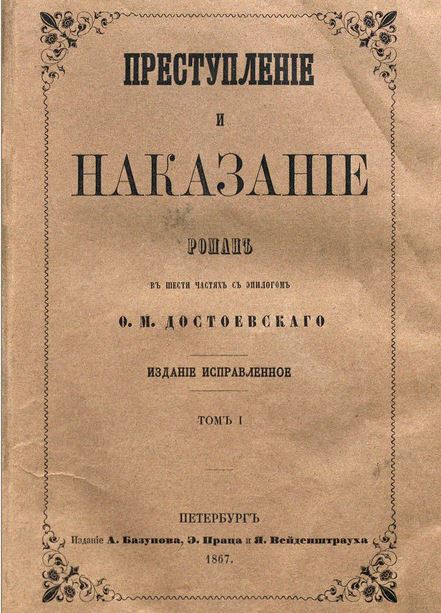 Book
Primary source
Crime and Punishment
Fyodor Dostoyevsky · 1866
 Book
Primary source
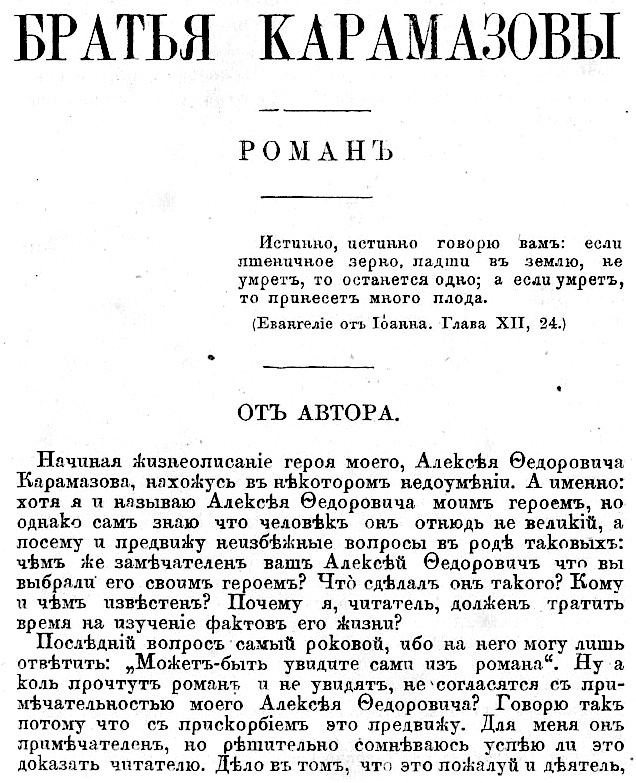
The Brothers Karamazov
Fyodor Dostoyevsky · 1879-1880
Primary source
The Grand Inquisitor
Fyodor Dostoyevsky · 1879
 Book
Primary source
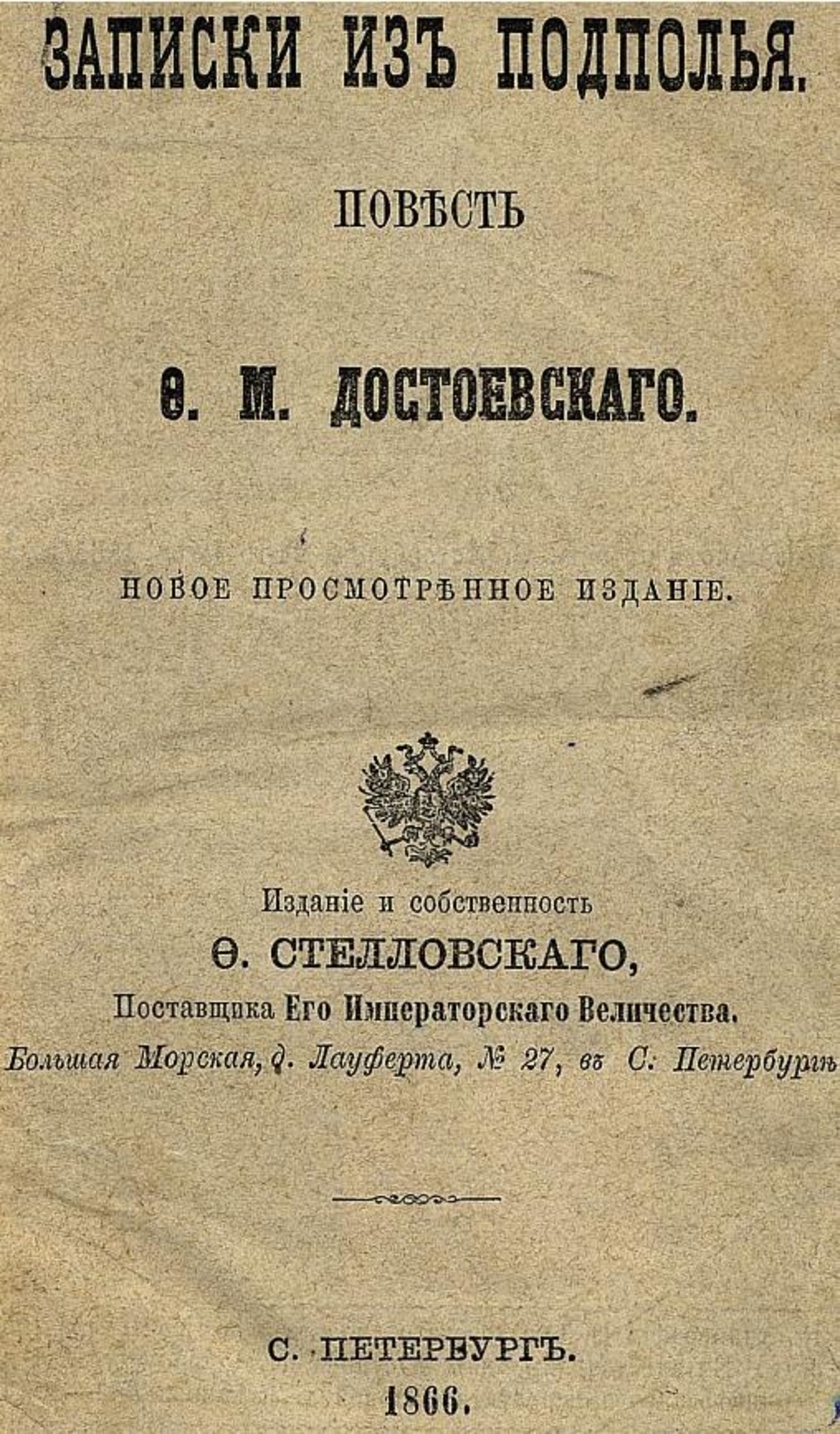
Notes from Underground
Fyodor Dostoyevsky · 1864
 Book
Primary source
The House of the Dead
Fyodor Dostoyevsky · 1860-1862
Ready when you are
Start chatting with Fyodor Dostoevsky now.
20 messages free · No credit card · Available in 50+ languages.