


Secondary sourceBook
The Beginning for the Studious and the End for the Selective
Averroes
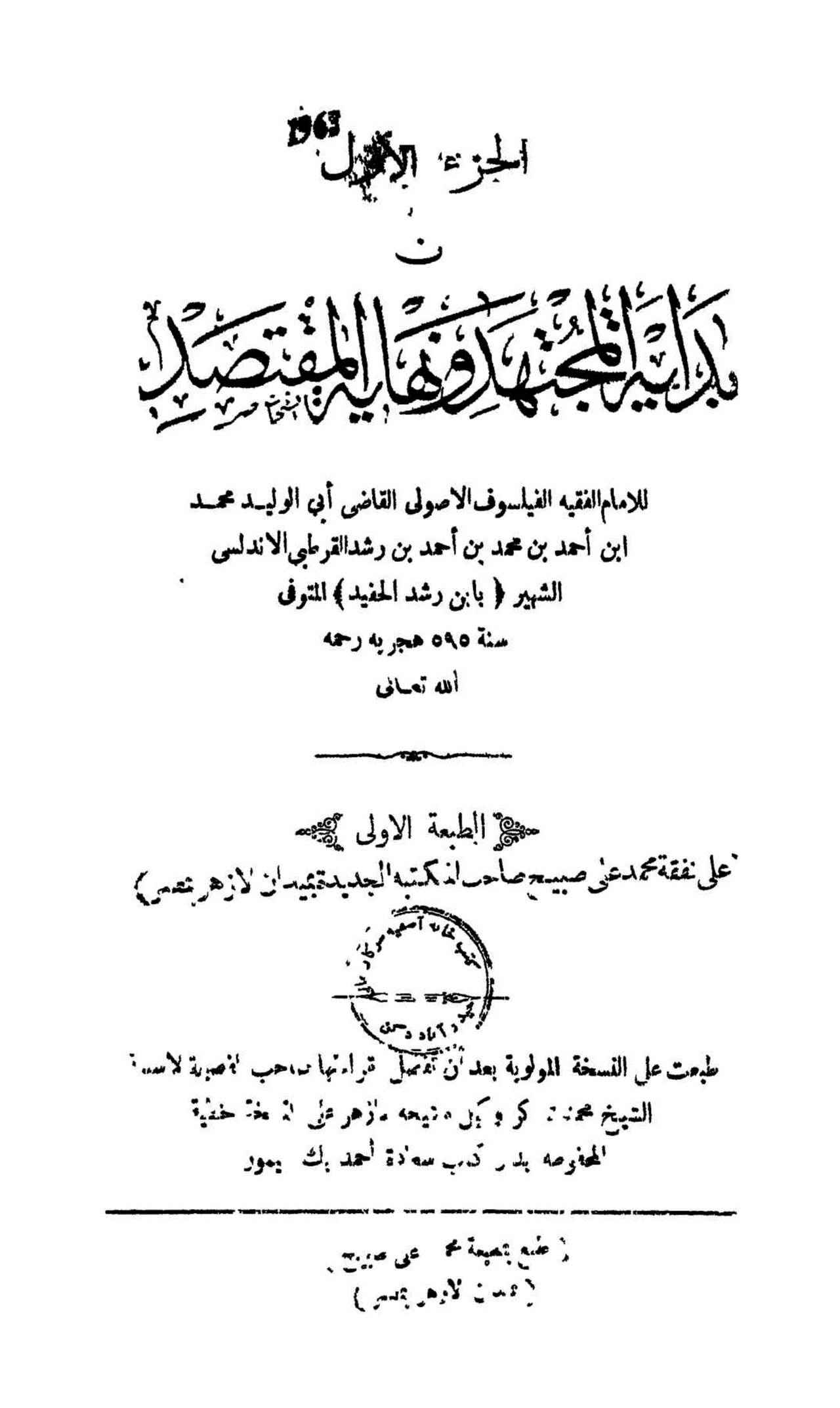
A manuscript copy of Averroes's major work of Islamic jurisprudence, Bidayat al-Mujtahid, showing how his legal writing was copied and spread.
This is Averroes's own major work of Islamic legal scholarship, copied by later scribes to preserve and spread his teaching.
About this source
What it is
This is a manuscript copy of Bidayat al-Mujtahid wa Nihayat al-Muqtasid ('The Beginning for the Studious and the End for the Selective'), a major legal work written by Averroes (Ibn Rushd, 1126-1198). The title page shown here is written in Arabic calligraphy and names the author as Ibn Rushd al-Qurtubi al-Andalusi.
Why it matters
Averroes was a Muslim polymath from Cordoba best known in the West for his commentaries on Aristotle, but he also wrote extensively on Islamic law. This book is considered his major contribution to jurisprudence within the Maliki school of Sunni Islam. Manuscript copies like this one show how scholars across the Islamic world copied and transmitted his legal reasoning long after his death.
Look closer
- What does the calligraphy and layout of the title page tell you about how books were made and valued?
- Why might a legal text by Averroes have been copied many times?
- What does this manuscript suggest about the audiences who studied Islamic law?
This book is part of the curated material that grounds the AI version of Averroes on Humy.ai — when students ask about related events, the AI can quote it and cite it.
More Averroes sources
Browse all 70 →Primary source
On the Harmony of Religions and Philosophy
Averroes · c. 1178-1179
 Painting
Secondary source
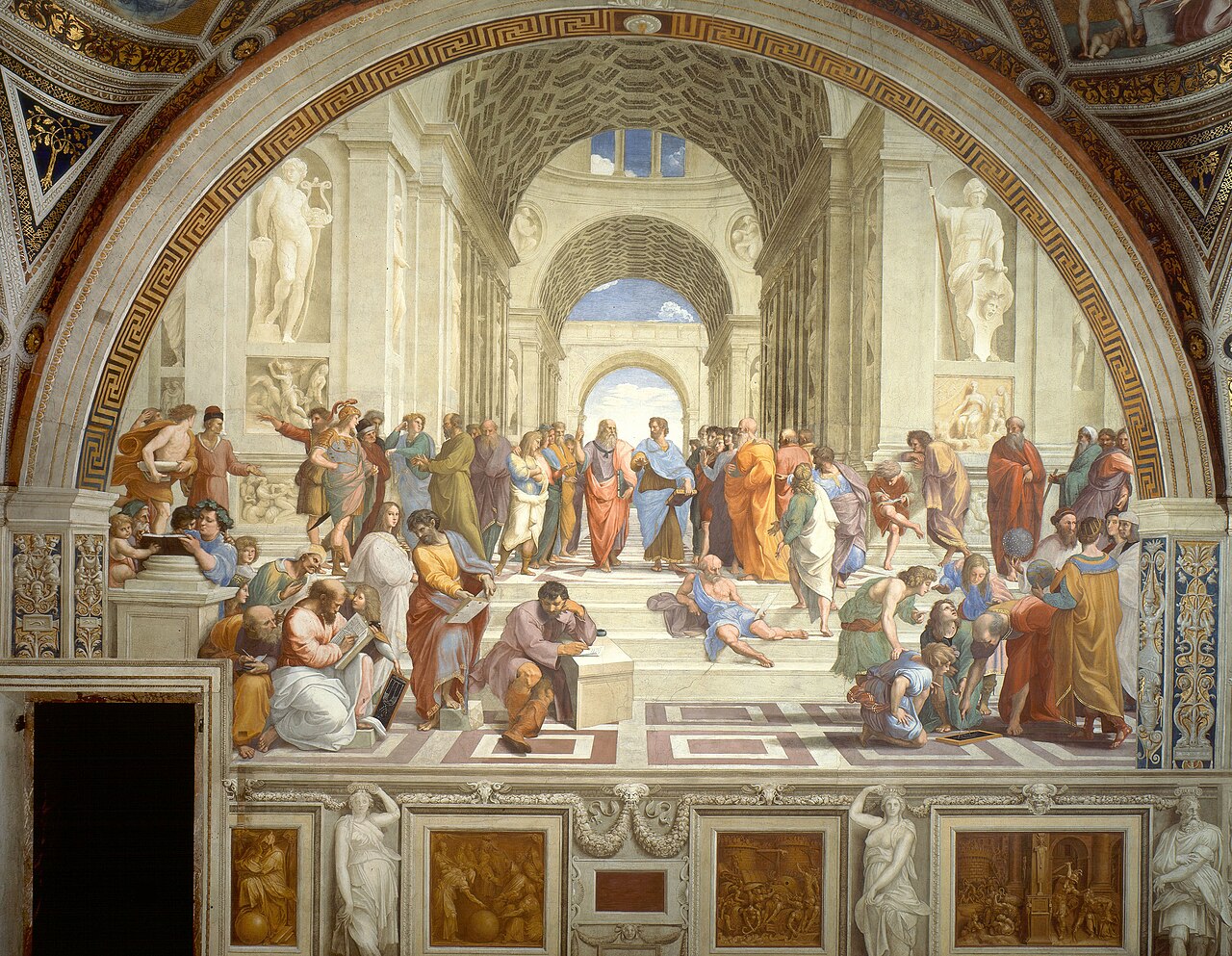
The School of Athens
Raphael · 1509-1511
 Document
Primary source
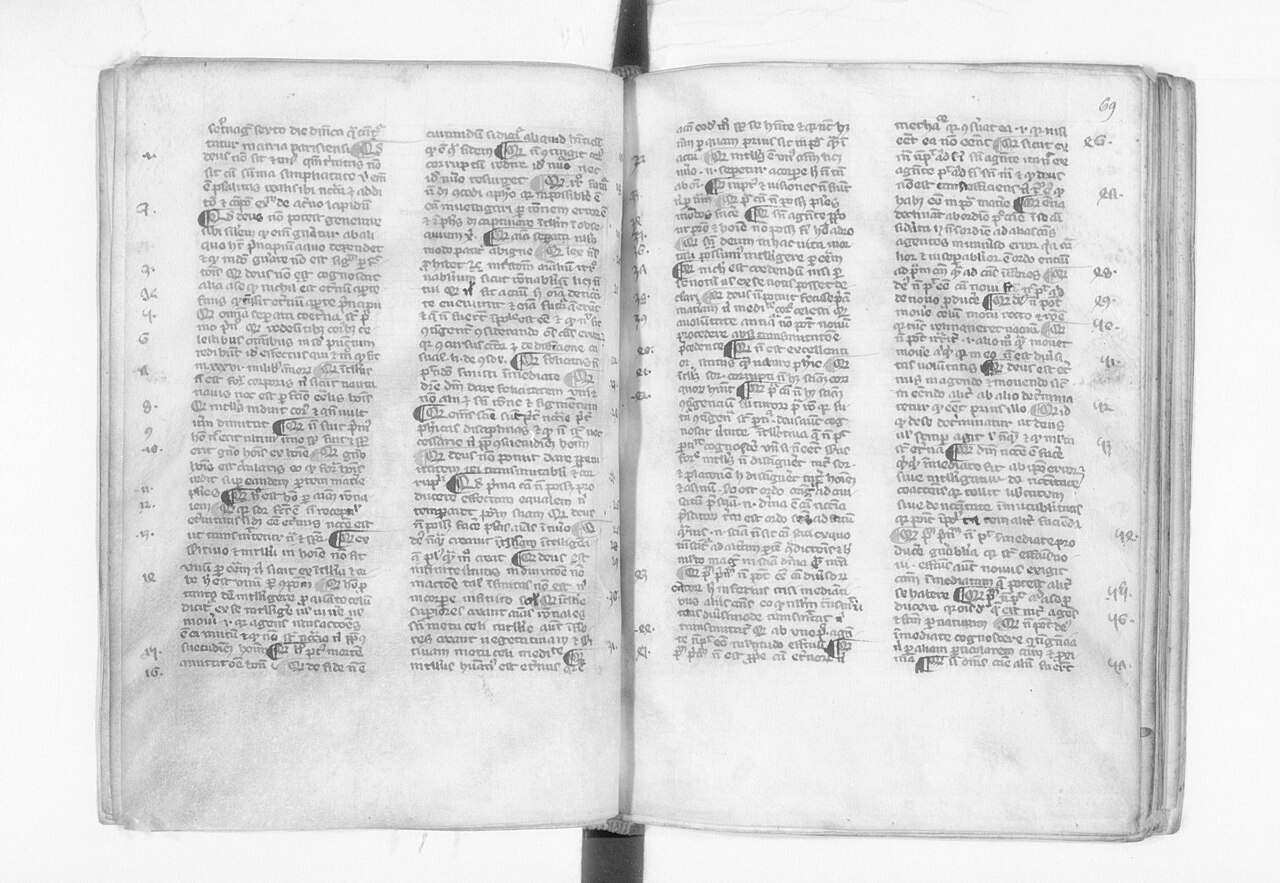
Condemnations of 1210–1277
1210–1277
 Painting
Secondary source
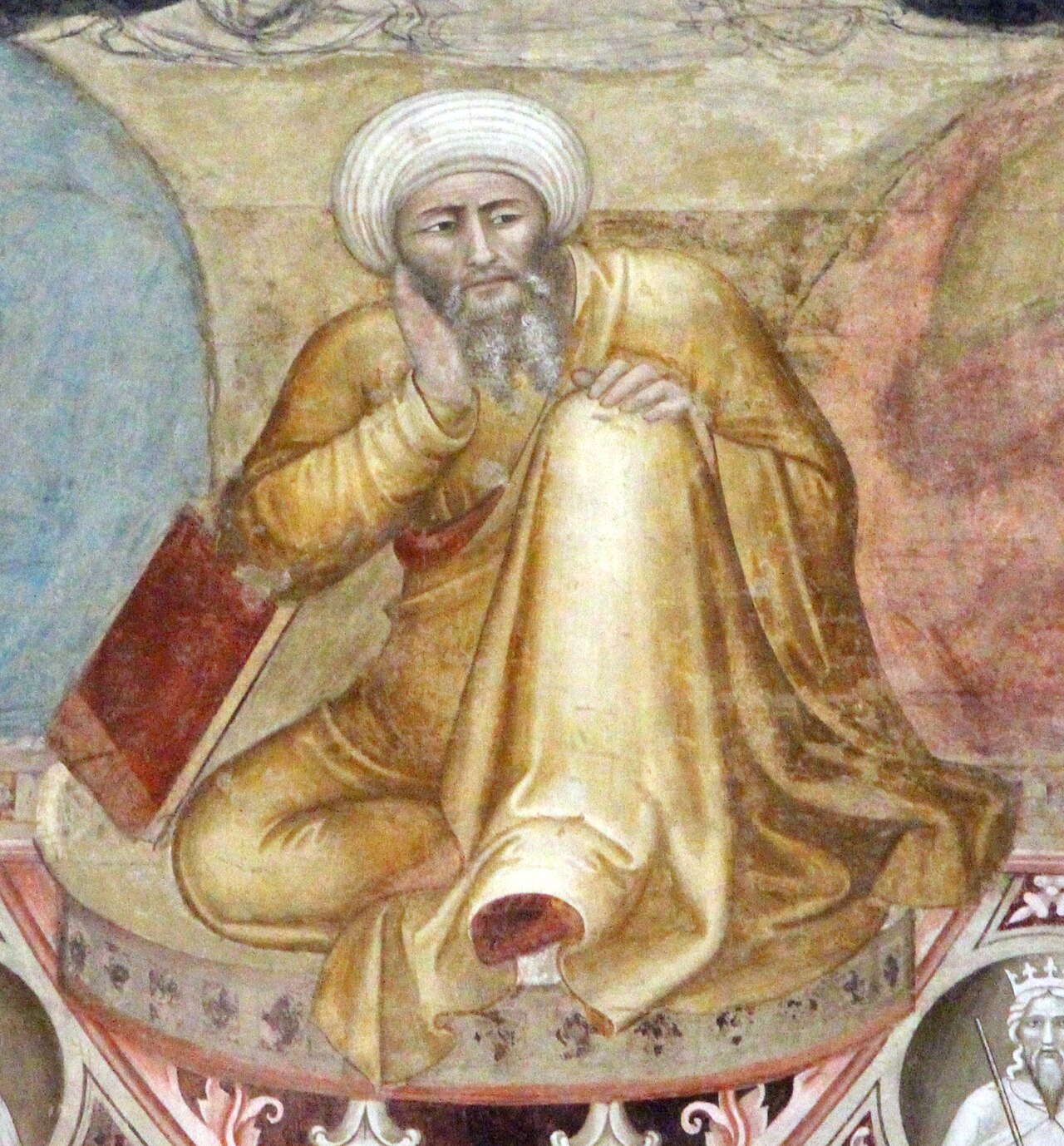
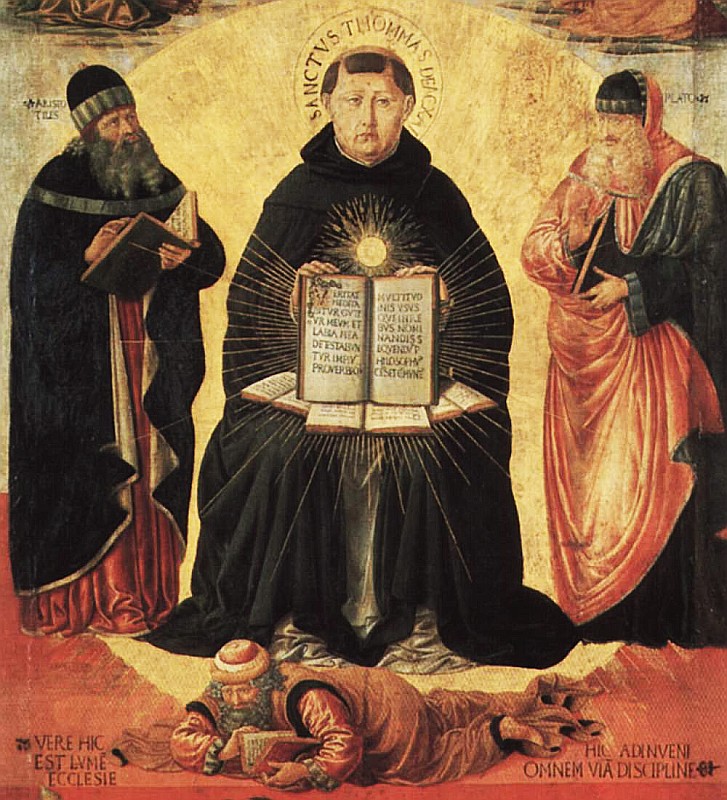
Apoteosi di San Tommaso d'Aquino (Averroè)
Andrea di Bonaiuto
Free account
Read every Averroes source
Sign up free →
Ready when you are
Start chatting with Averroes now.
20 messages free · No credit card · Available in 50+ languages.