


Primary sourcePainting1797
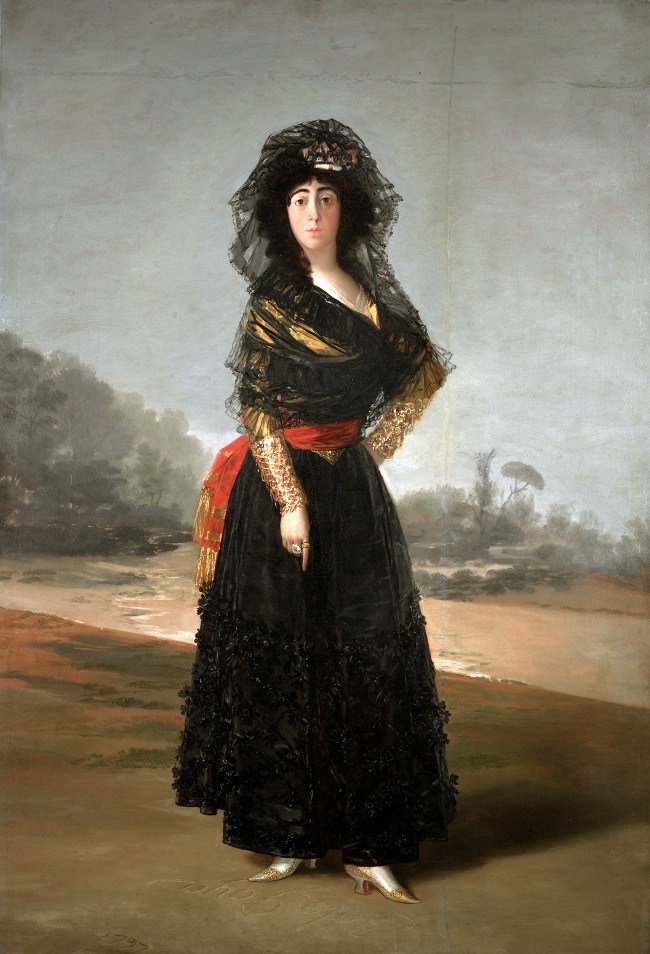
The Black Duchess
Francisco Goya · 1797
A 1797 mourning portrait of the Duchess of Alba by Goya, bearing the inscription 'Solo Goya' scratched into the sand.
Goya painted and kept this intimate mourning portrait of the Duchess of Alba, a central figure in his personal life.
About this source
What it is
Painted in 1797 by Francisco Goya, this portrait shows María Cayetana de Silva, Duchess of Alba, in mourning black after her husband's death. It is held by the Hispanic Society of America, New York.
Why it matters
The painting is famous for the words 'solo Goya' lightly scratched into the ground near her feet, along with rings inscribed 'Alba' and 'Goya' on her hand — details long taken as evidence of intimacy between painter and sitter, though this remains debated by historians. Goya kept the painting himself until his death, and it later passed through several owners before reaching the United States.
Look closer
- Why might Goya have hidden the word 'solo' until the painting was later restored?
- What does her choice of 'maja' style clothing suggest about how she wanted to be seen?
- Why do art historians treat the 'Solo Goya' inscription with caution rather than as proof of a relationship?
This painting is part of the curated material that grounds the AI version of Francisco Goya on Humy.ai — when students ask about related events, the AI can quote it and cite it.
More Francisco Goya sources
Meet the AI Francisco Goya →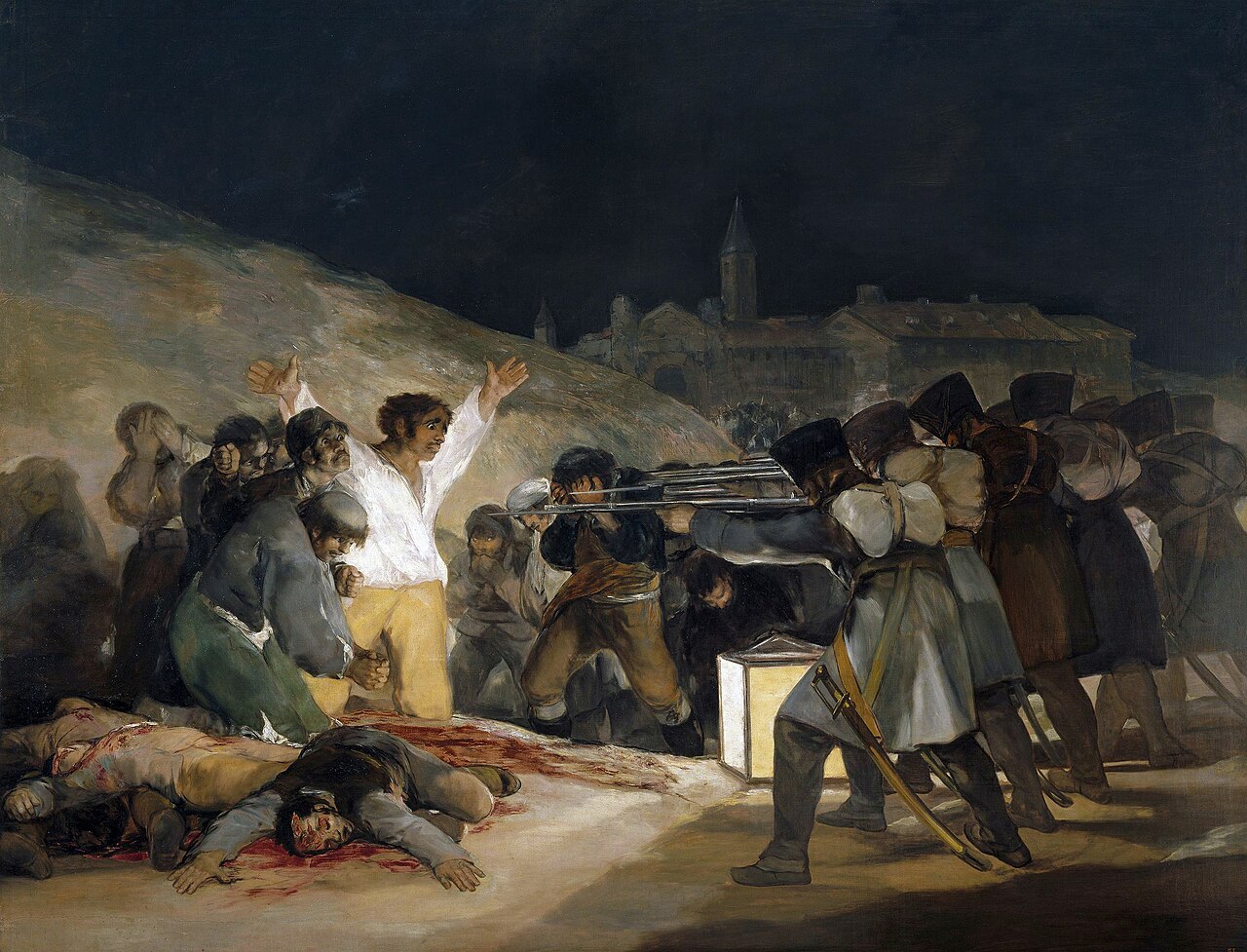 Painting
Secondary source
The Third of May 1808
Francisco Goya · 1814
 Painting
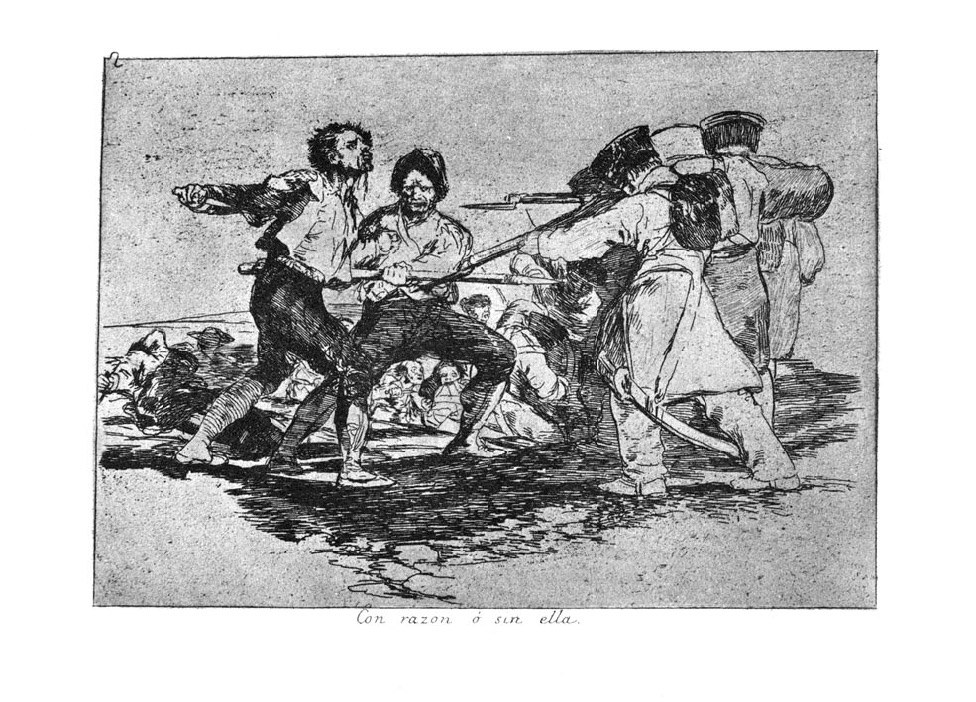
Primary source
The Disasters of War
Francisco Goya · 1810-1820
 Painting
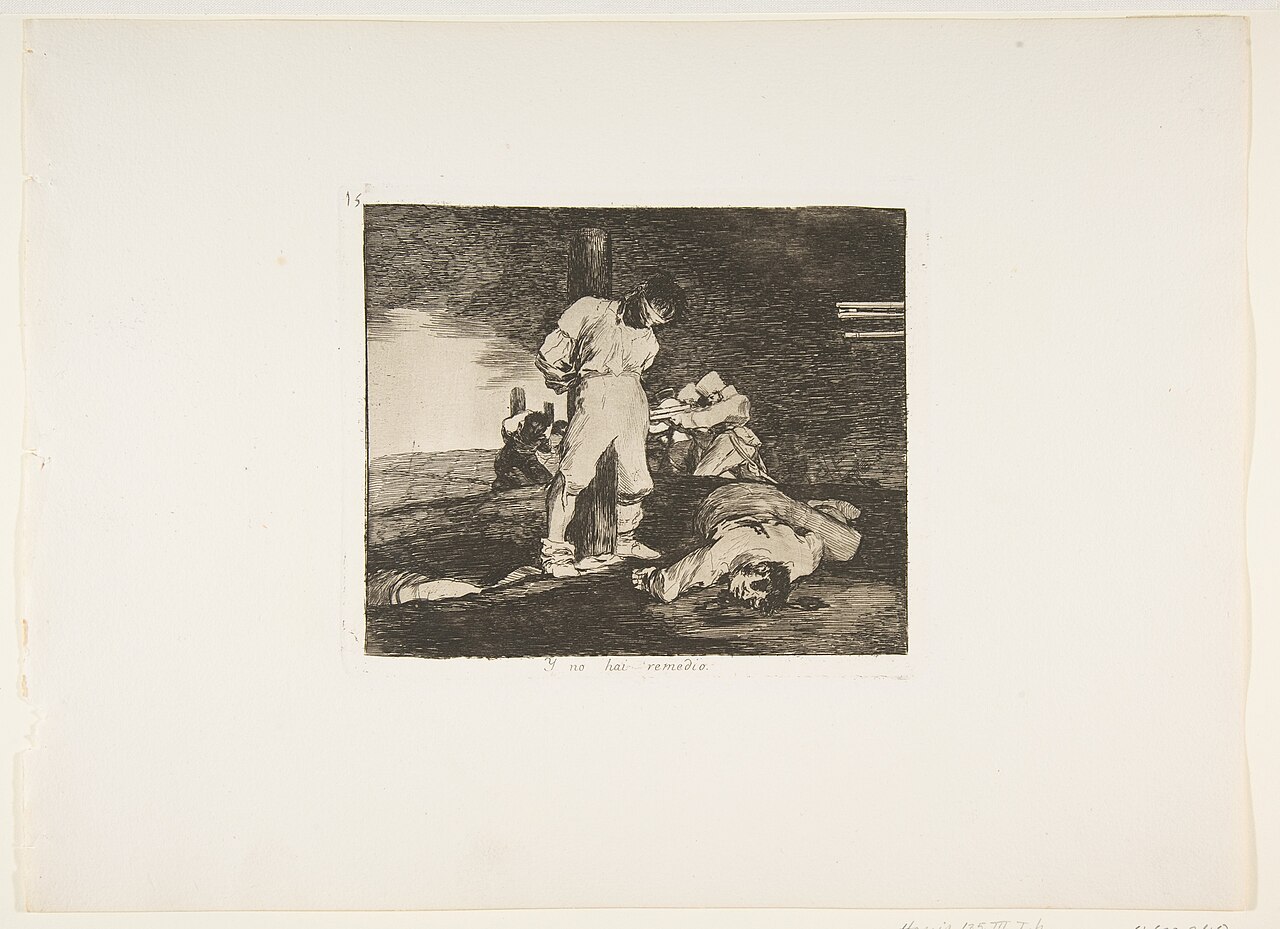
Primary source
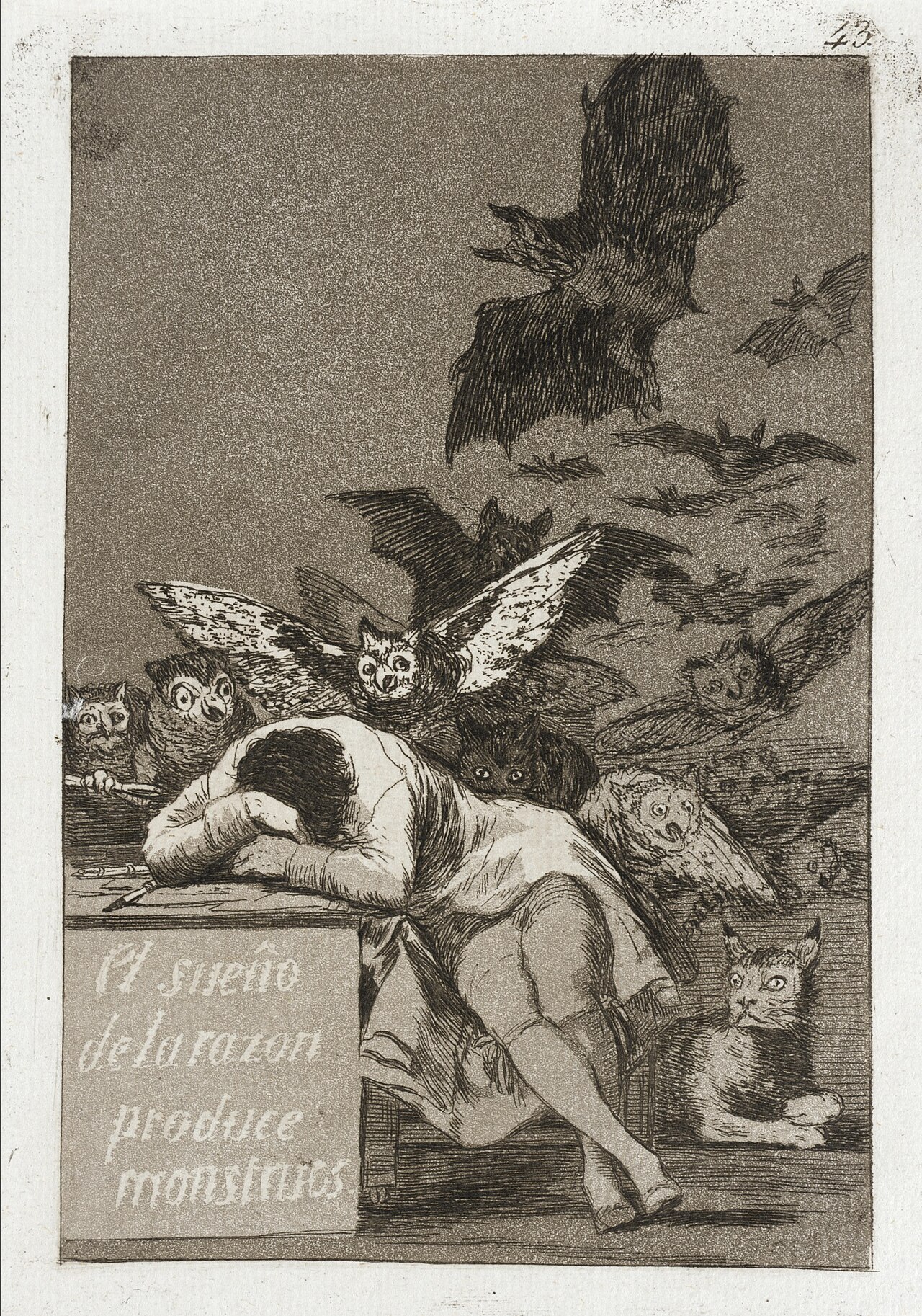
Y no hai remedio
Francisco de Goya · c. 1810-1814 (published 1863)
 Painting
Primary source
Caprichos
Francisco Goya · 1799 (created 1797-1798)
 Painting
Primary source
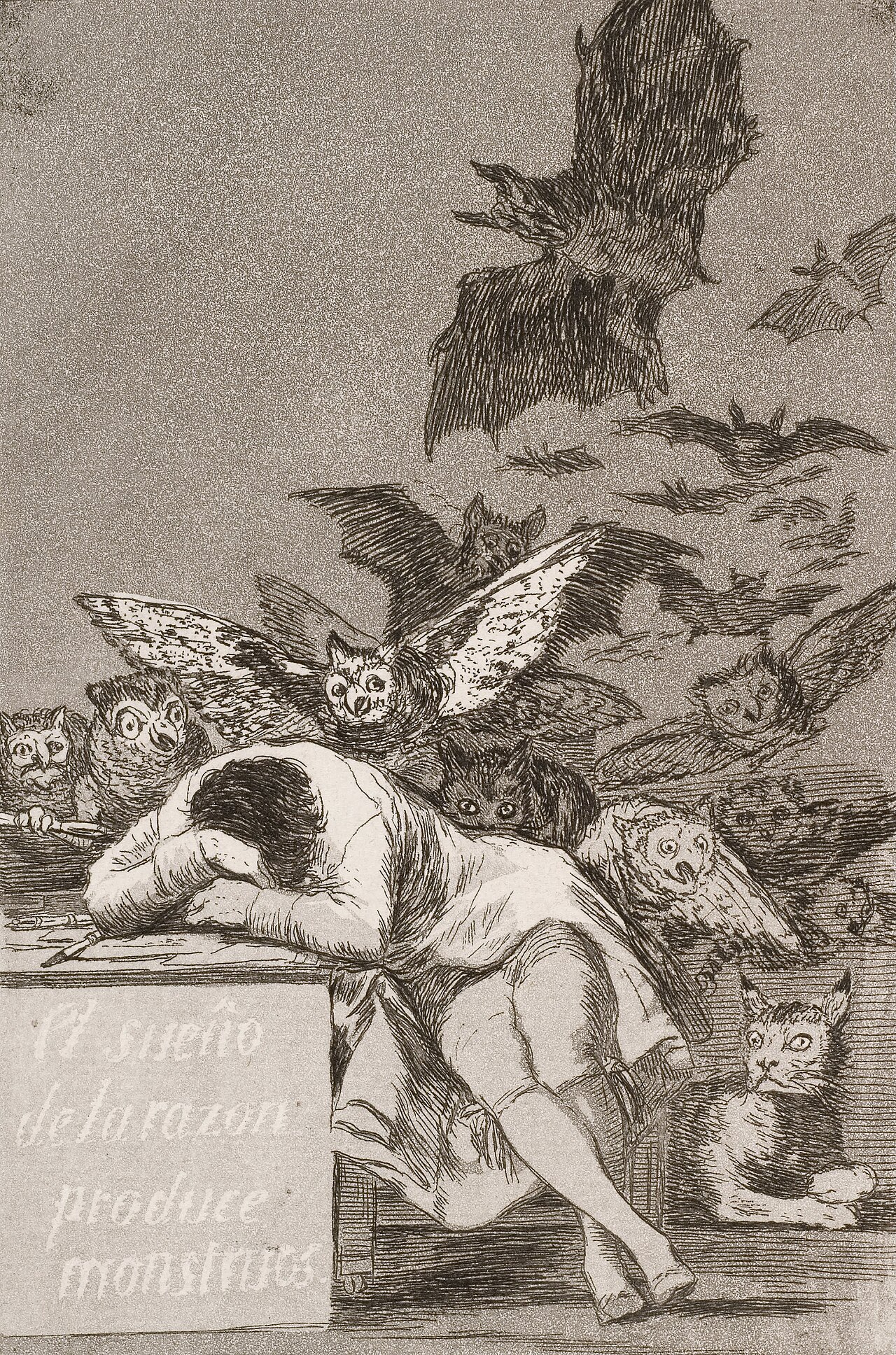
The Sleep of Reason Produces Monsters
Francisco Goya · 1797-1799
Ready when you are
Start chatting with Francisco Goya now.
20 messages free · No credit card · Available in 50+ languages.