


Primary sourcePaintingc. 1520-1522
The Body of the Dead Christ in the Tomb
Hans Holbein the Younger · c. 1520-1522
Hans Holbein the Younger's life-size painting of Christ's dead body in the tomb, held in Basel. Dostoyevsky called it a painting that could make a person lose faith.
Dostoyevsky was overwhelmed by this painting in Basel in 1867, and it shaped the debate about faith and death in his novel The Idiot.

About this source
What it is
An oil and tempera painting on limewood by Hans Holbein the Younger, created between 1520 and 1522. It shows a life-size, grotesquely thin body of Jesus lying in his tomb, with wounds on the hands, side and feet and the face and flesh shown in early decay. The panel measures 30.5 cm by 200 cm and is held by the Kunstmuseum Basel.
Why it matters
The painting was commissioned by Bonifacius Amerbach, who was also painted by Holbein. Dostoyevsky saw it in 1867 and said, 'One can lose his faith from a painting like that.' In his novel The Idiot, Prince Myshkin reacts to a copy of it, and the character Ippolit Terentyev argues that it shows the victory of blind nature over everything. The painting shows how Dostoyevsky linked faith with the harsh facts of death.
Look closer
- What do the open eyes and mouth make you feel about the figure, and why might the painter have chosen them?
- Why is the body shown so long, thin and close to the viewer?
- What does the painting leave out, such as any sign of hope or comfort?
This painting is part of the curated material that grounds the AI version of Fyodor Dostoevsky on Humy.ai — when students ask about related events, the AI can quote it and cite it.
More Fyodor Dostoevsky sources
Meet the AI Fyodor Dostoevsky →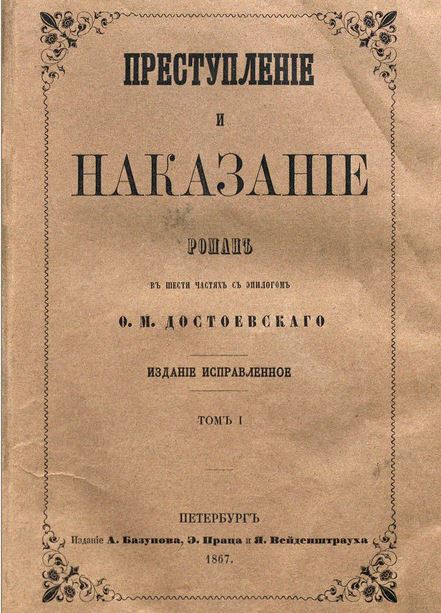 Book
Primary source
Crime and Punishment
Fyodor Dostoyevsky · 1866
 Book
Primary source
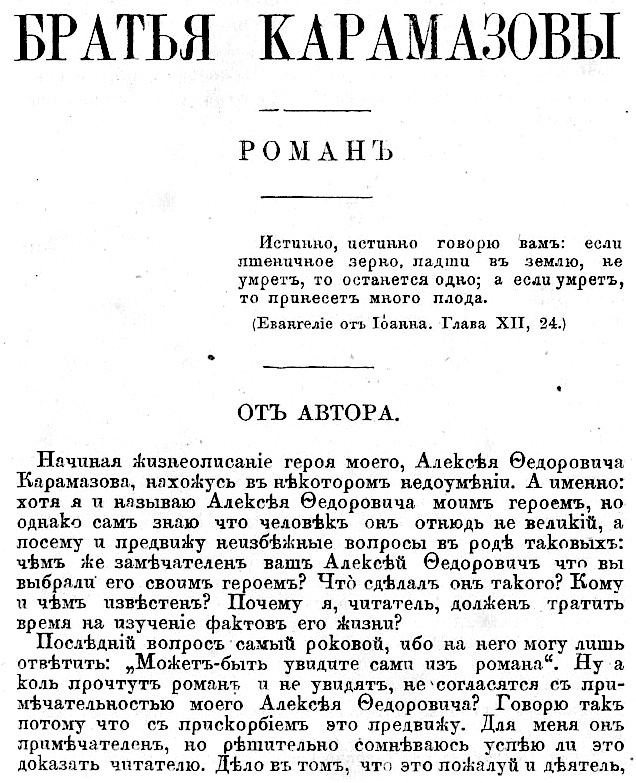
The Brothers Karamazov
Fyodor Dostoyevsky · 1879-1880
Primary source
The Grand Inquisitor
Fyodor Dostoyevsky · 1879
 Book
Primary source
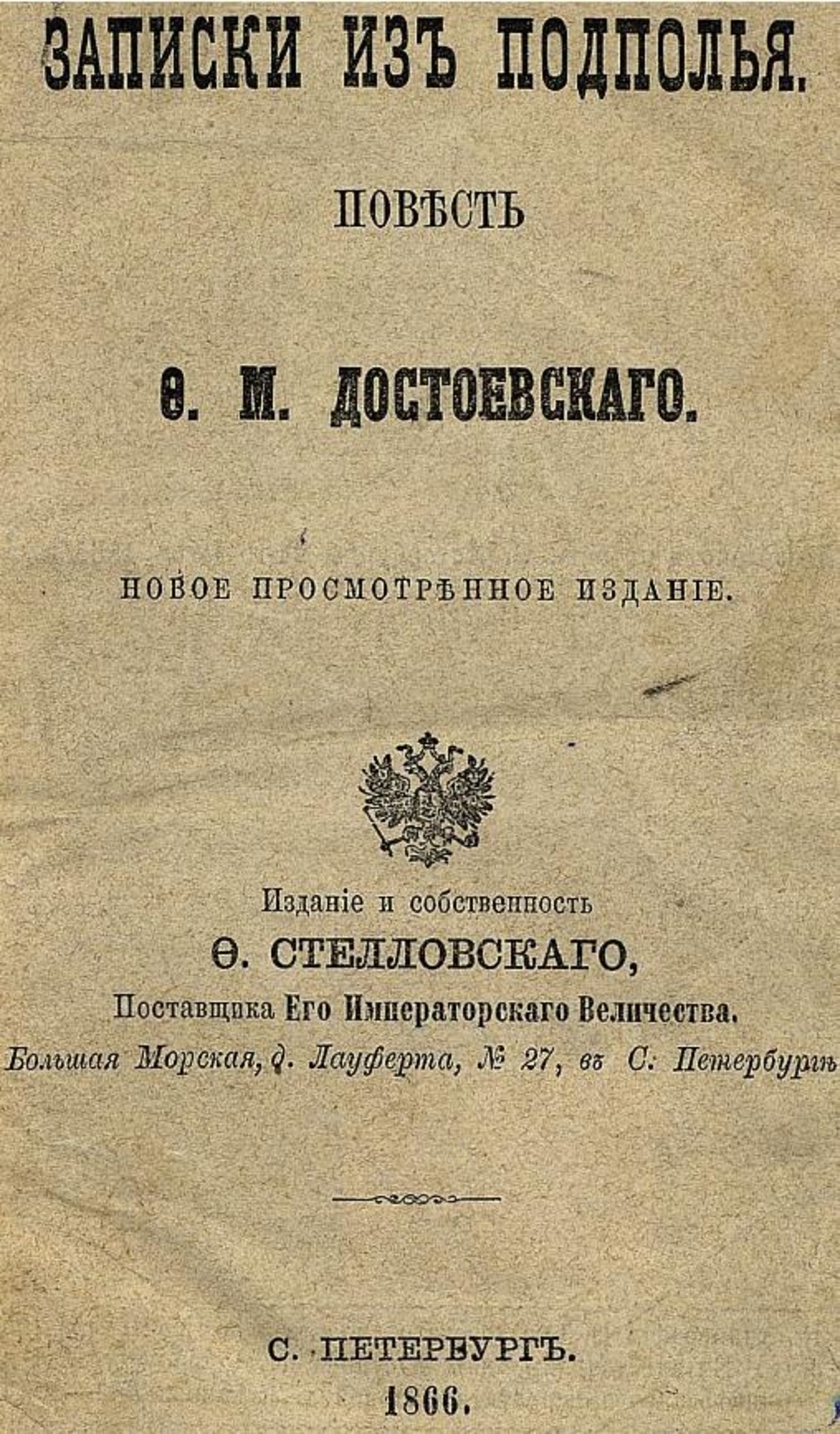
Notes from Underground
Fyodor Dostoyevsky · 1864
 Book
Primary source
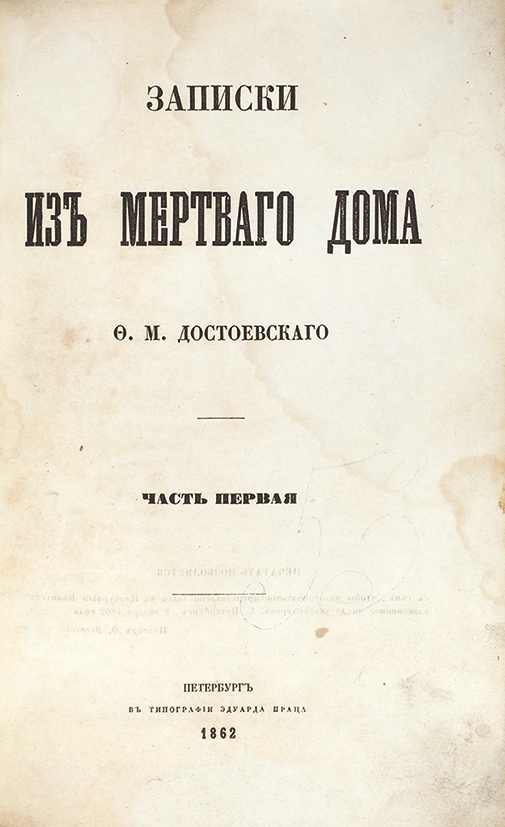
The House of the Dead
Fyodor Dostoyevsky · 1860-1862
Ready when you are
Start chatting with Fyodor Dostoevsky now.
20 messages free · No credit card · Available in 50+ languages.