


Secondary sourcePaintingc. 1818
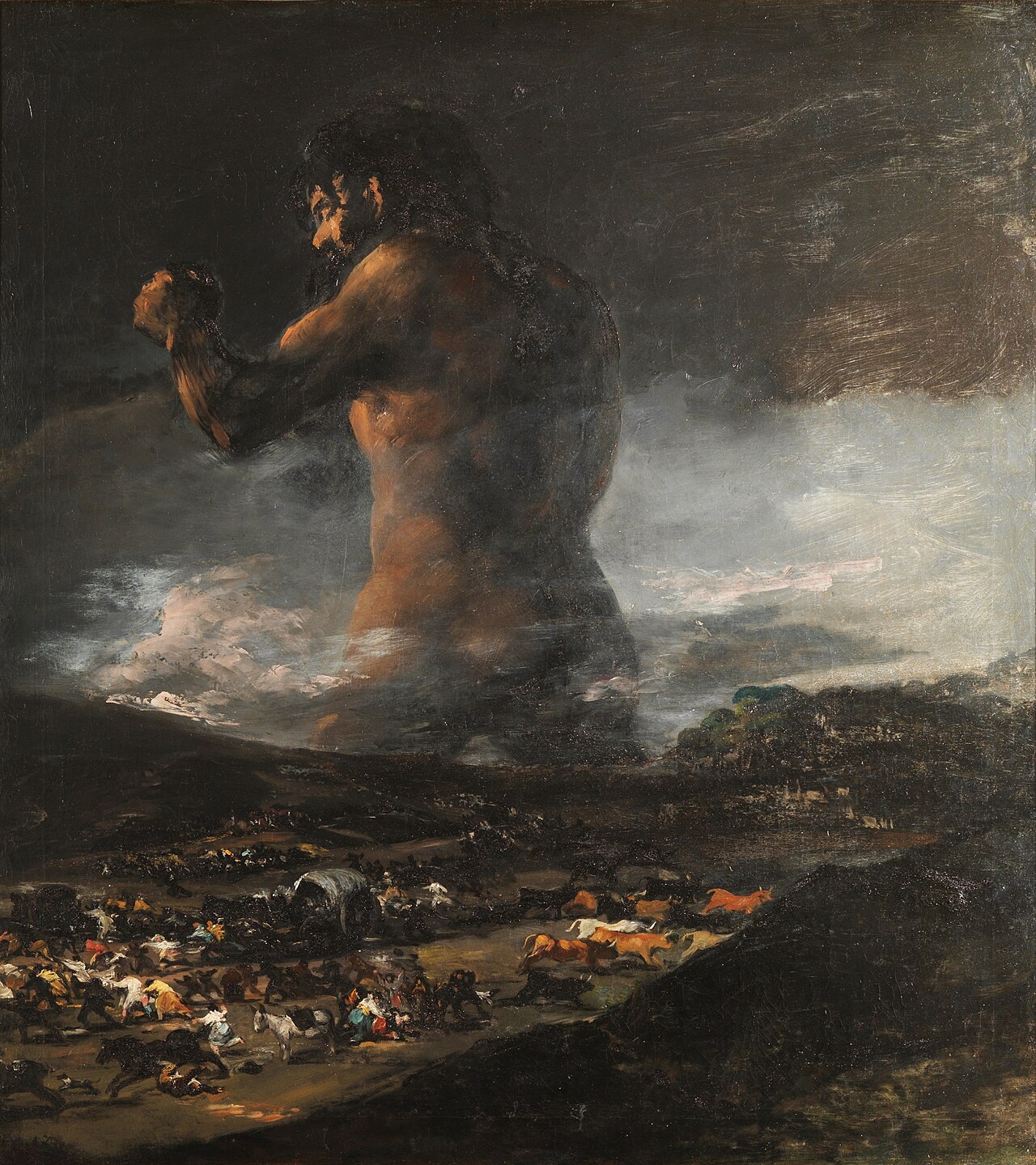
The Colossus
Attributed to Francisco Goya (reattributed to Goya's circle) · c. 1818
A painting traditionally linked to Goya showing a giant looming over a fleeing crowd, often read as an image of wartime panic.
Long attributed to Goya, this painting is now used to teach how art historians debate authorship of his works.
About this source
What it is
This painting has traditionally been attributed to Francisco Goya, dated around 1818, though the Museo del Prado reattributed it to Goya's circle in 2008. It shows a huge giant in the centre of the canvas, with tiny people and cattle fleeing below. It is held in the Museo del Prado, and was once owned by Goya's son, Javier Goya.
Why it matters
Painted during or after the Peninsular War, the image has been connected to a patriotic poem imagining Spain as a giant rising to resist the Napoleonic invasion. Whether or not Goya himself painted it, the debate over its authorship shows historians how attribution is worked out from inventories, technique and provenance records, not just gut feeling.
Look closer
- What makes the tiny fleeing figures below seem so helpless compared to the giant?
- Why might historians disagree about who actually painted this work?
- What does the uncertainty around authorship teach you about trusting labels on artworks?
This painting is part of the curated material that grounds the AI version of Francisco Goya on Humy.ai — when students ask about related events, the AI can quote it and cite it.
More Francisco Goya sources
Meet the AI Francisco Goya →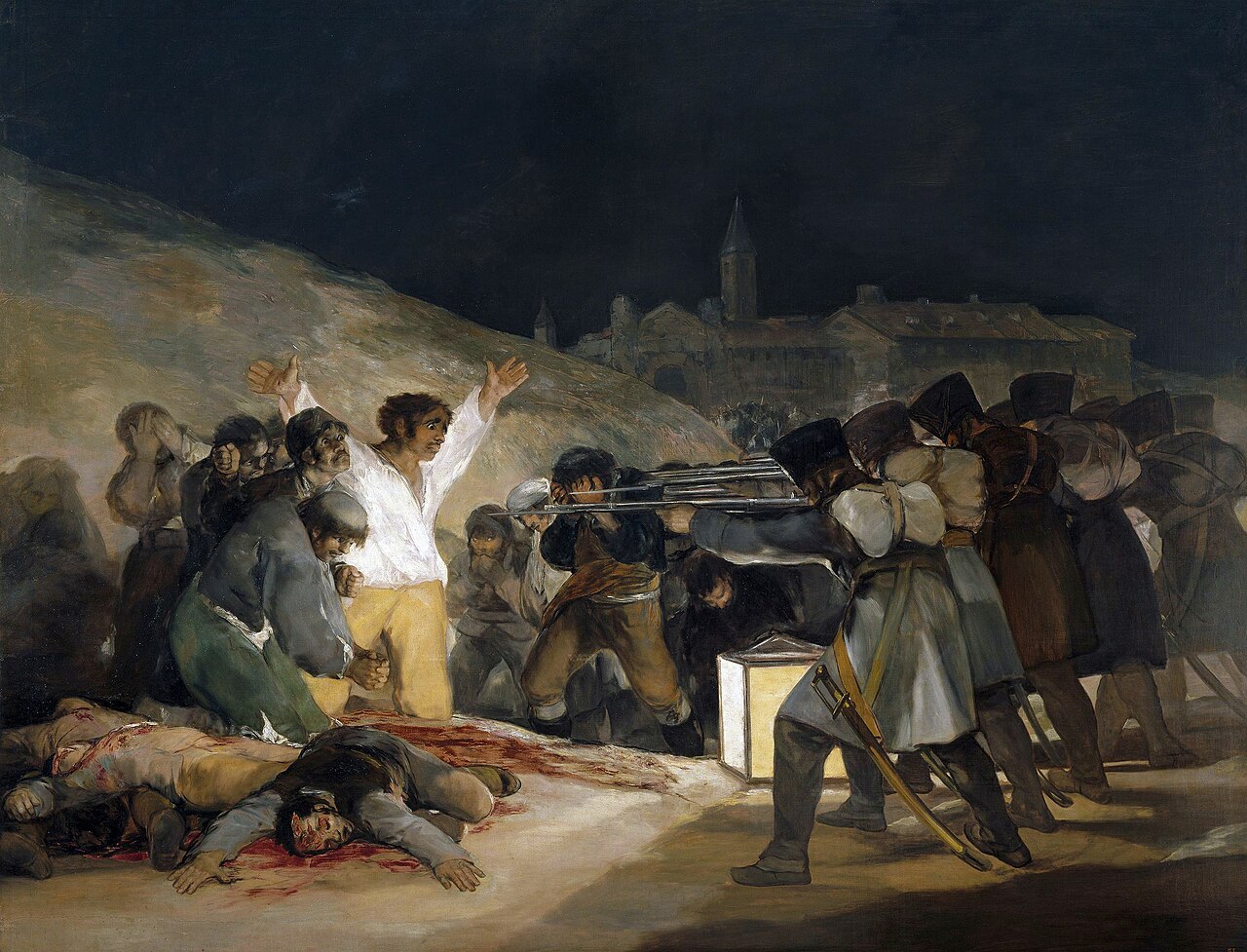 Painting
Secondary source
The Third of May 1808
Francisco Goya · 1814
 Painting
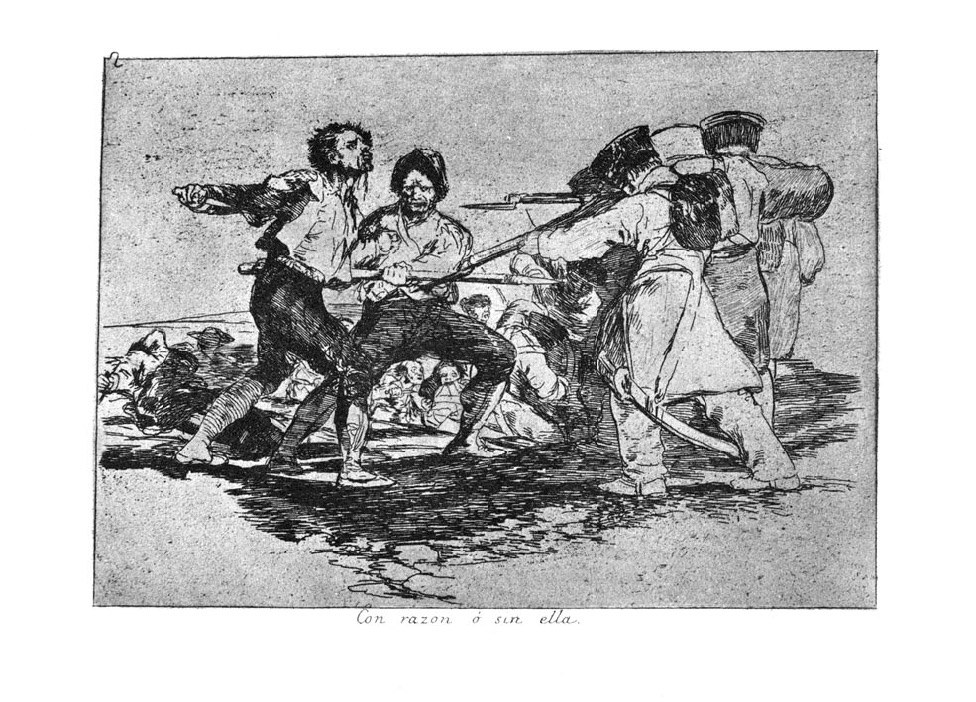
Primary source
The Disasters of War
Francisco Goya · 1810-1820
 Painting
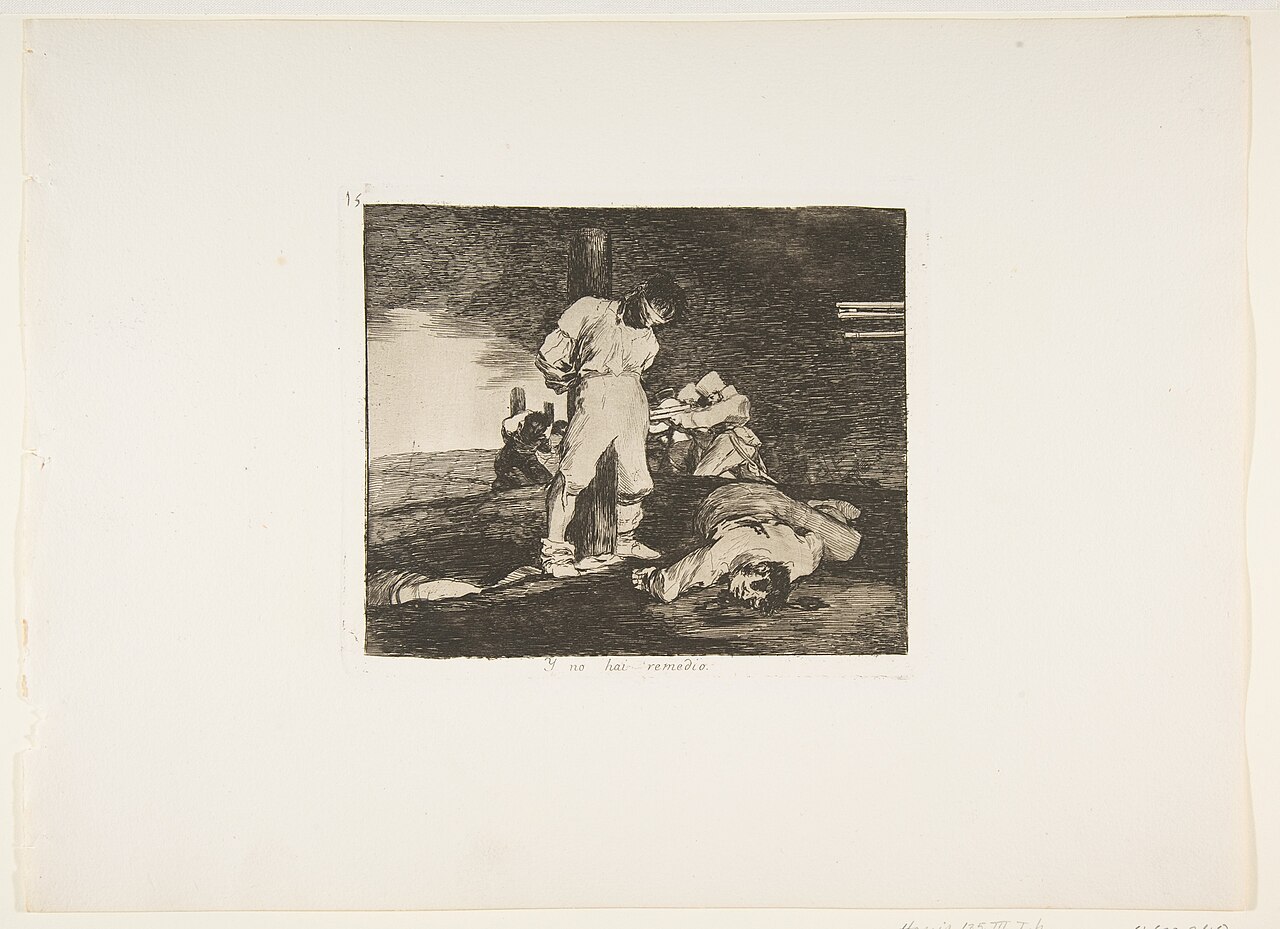
Primary source
Y no hai remedio
Francisco de Goya · c. 1810-1814 (published 1863)
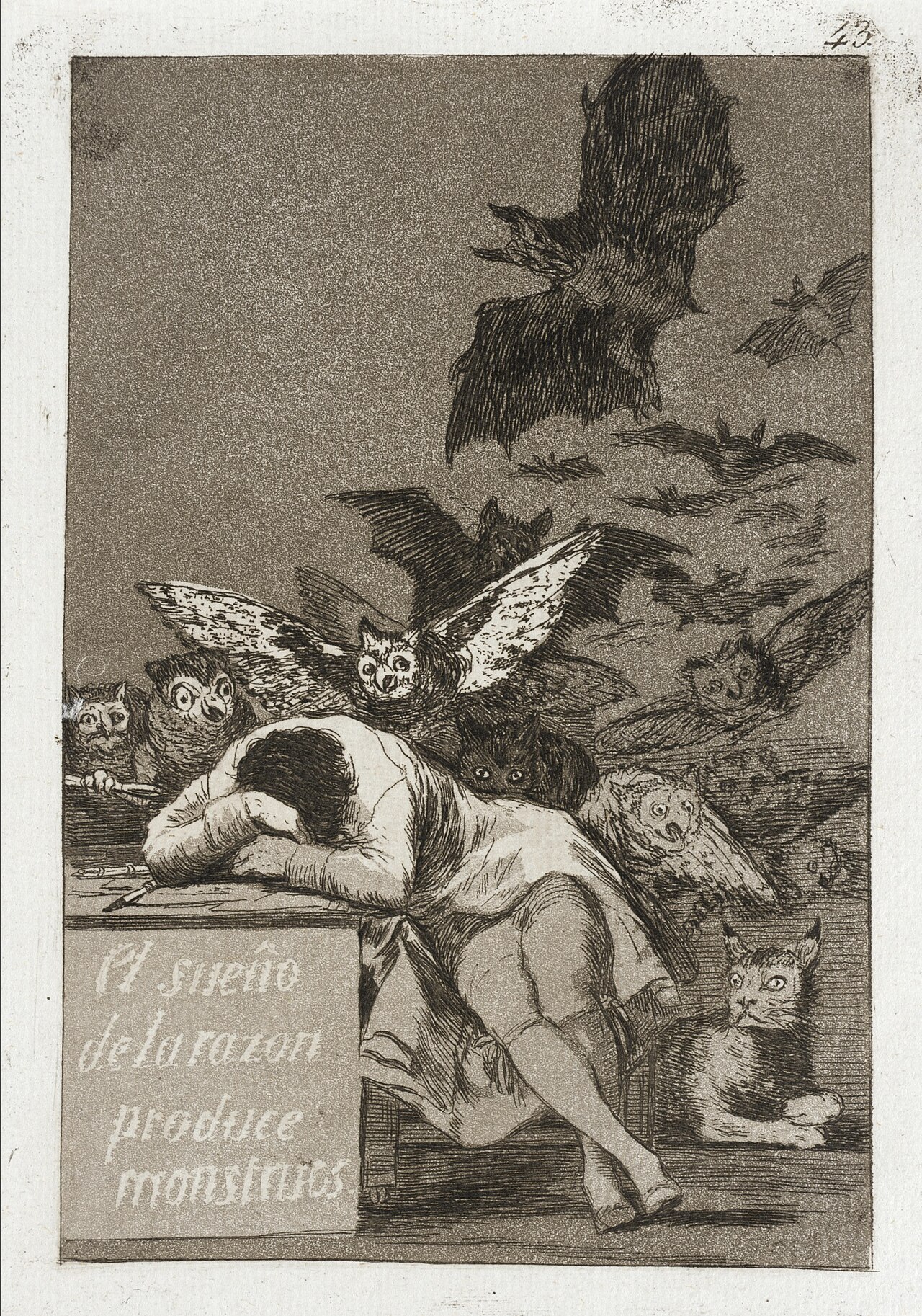 Painting
Primary source
Caprichos
Francisco Goya · 1799 (created 1797-1798)
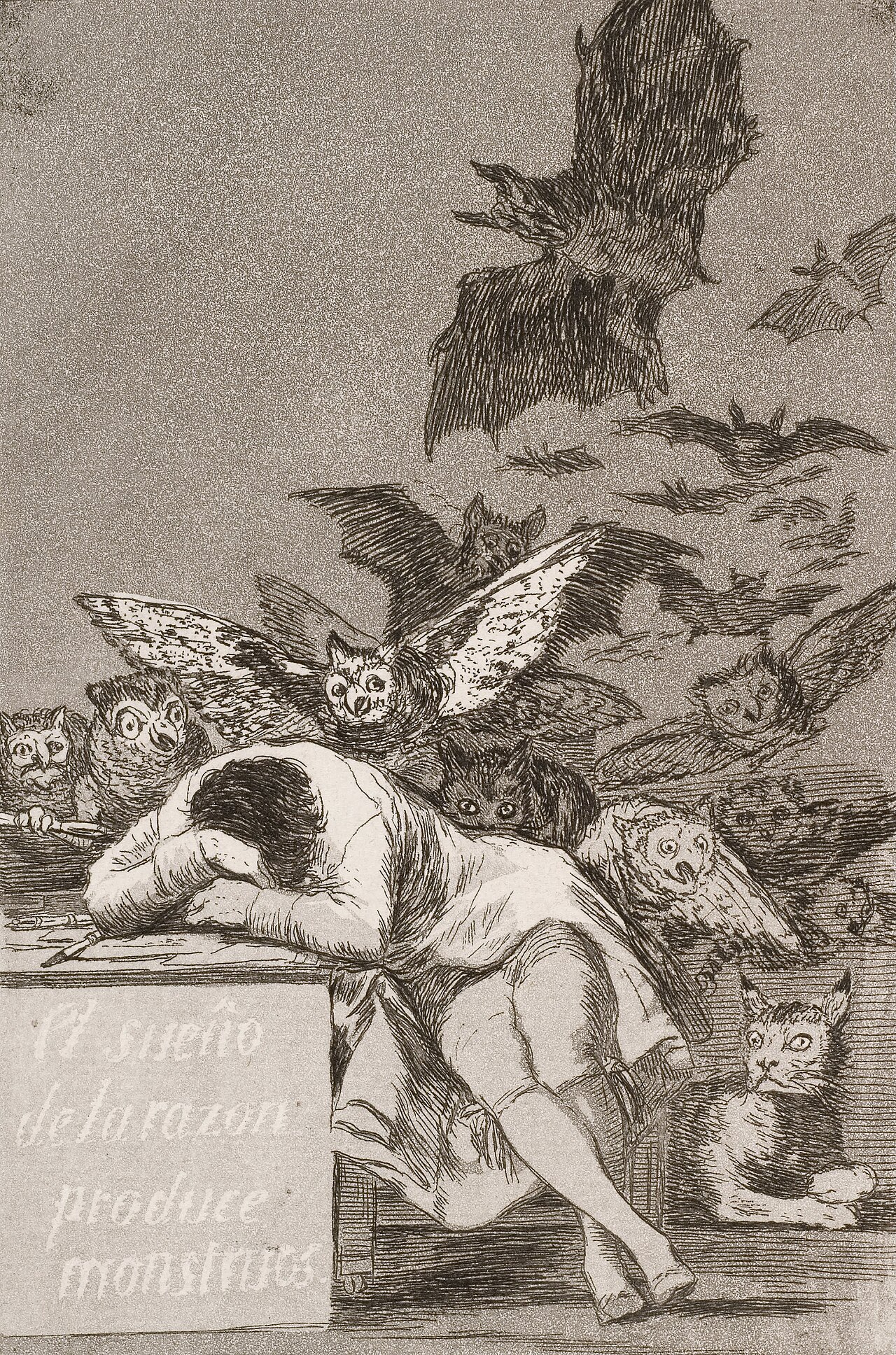 Painting
Primary source
The Sleep of Reason Produces Monsters
Francisco Goya · 1797-1799
Ready when you are
Start chatting with Francisco Goya now.
20 messages free · No credit card · Available in 50+ languages.