


Primary sourcePainting1783
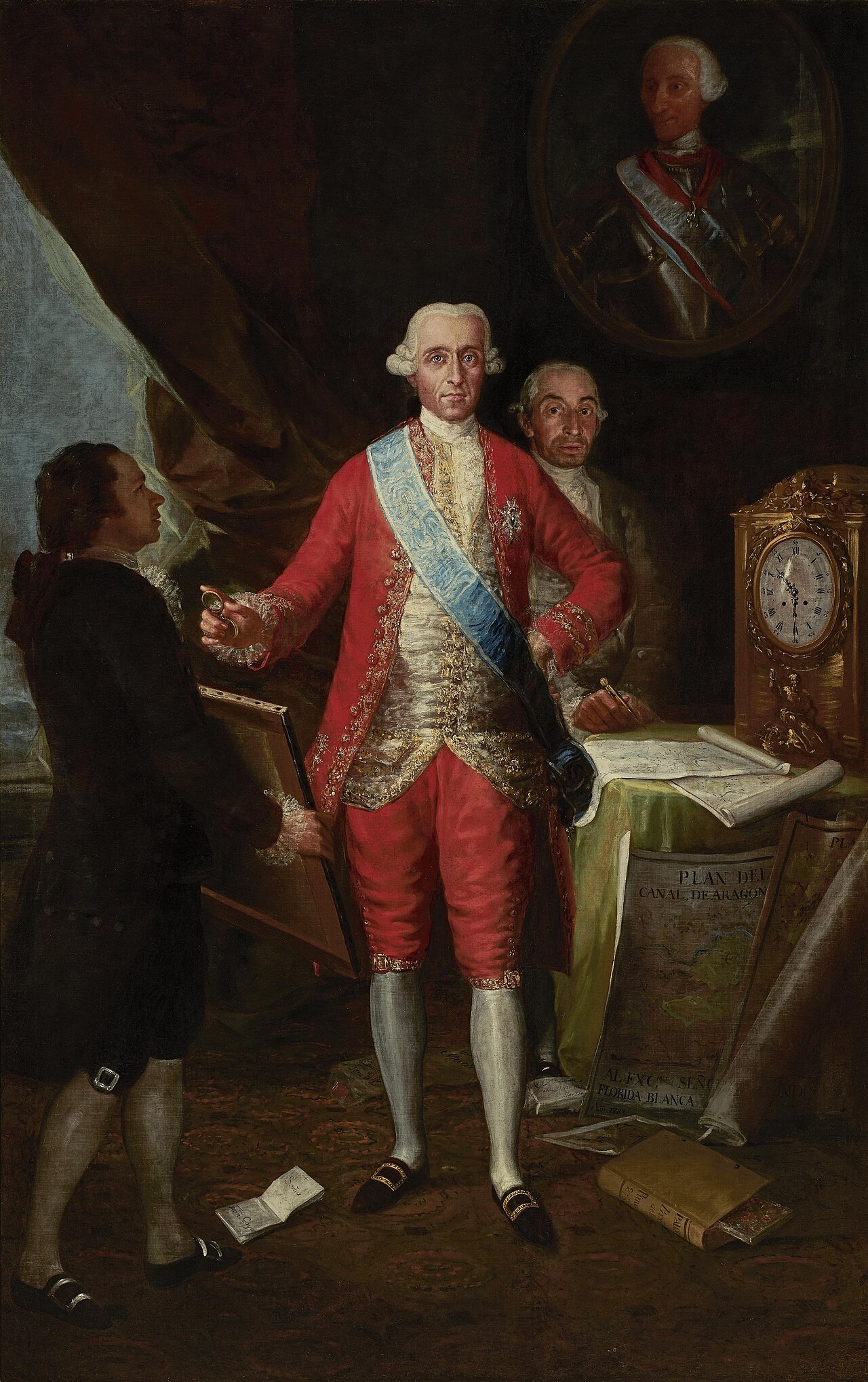
The Count of Floridablanca
Francisco Goya · 1783
Goya's 1783 portrait of Spain's chief minister, in which the painter shows himself presenting his work to the count.
Goya painted this portrait himself, and the commission was a career-making moment for him as an artist.
About this source
What it is
This painting was made by Francisco Goya in 1783. It shows José Moñiño y Redondo, Count of Floridablanca, standing in a red coat beside a table with maps and an ornate clock, while another man writes behind him. It is held by the Bank of Spain.
Why it matters
Floridablanca was Spain's chief minister, and this commission was a major turning point in Goya's career, helping to establish him among the Spanish elite. The painting reveals how portraits were used to display power, wealth and status, and how an ambitious artist like Goya sought the patronage of powerful officials.
Look closer
- What objects surround the count, and what do they suggest about his role and importance?
- Why might Goya have included himself presenting the painting within the scene?
- What does this portrait tell us about who had the power to commission art in 18th-century Spain?
This painting is part of the curated material that grounds the AI version of Francisco Goya on Humy.ai — when students ask about related events, the AI can quote it and cite it.
More Francisco Goya sources
Meet the AI Francisco Goya →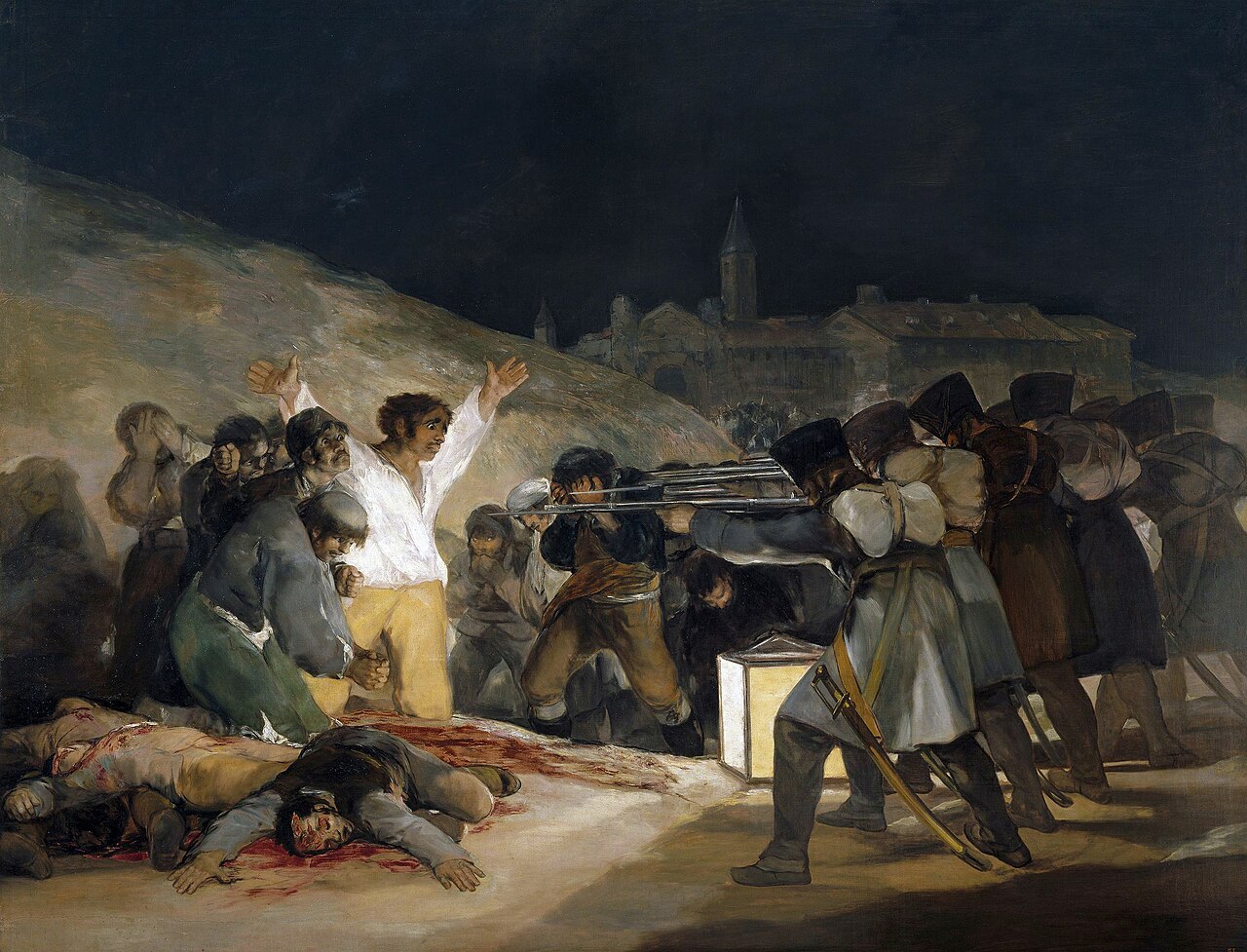 Painting
Secondary source
The Third of May 1808
Francisco Goya · 1814
 Painting
Primary source
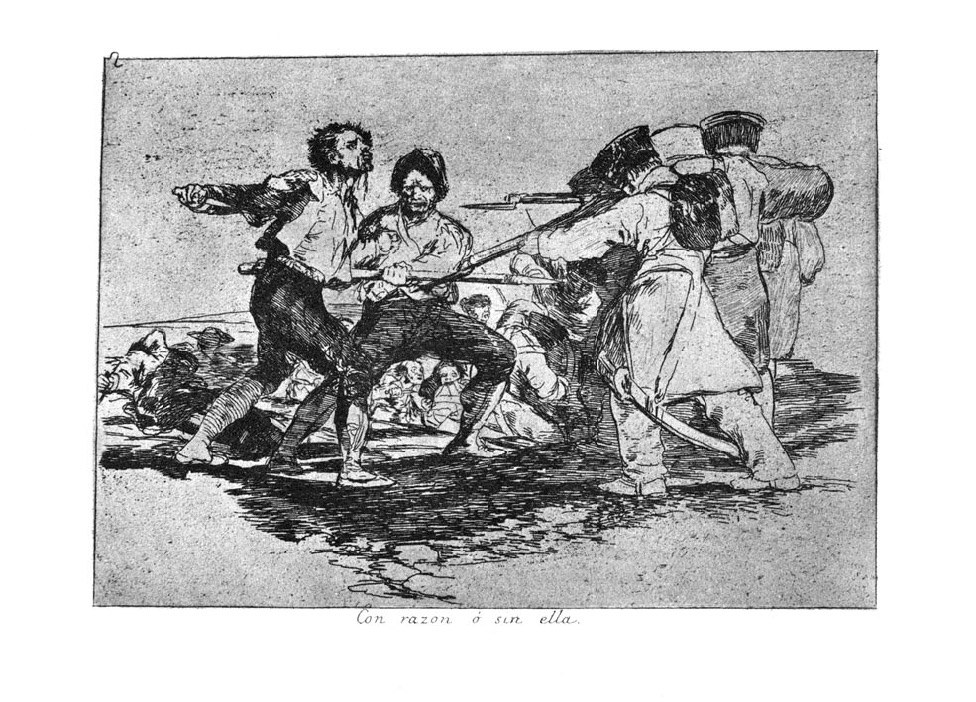
The Disasters of War
Francisco Goya · 1810-1820
 Painting
Primary source
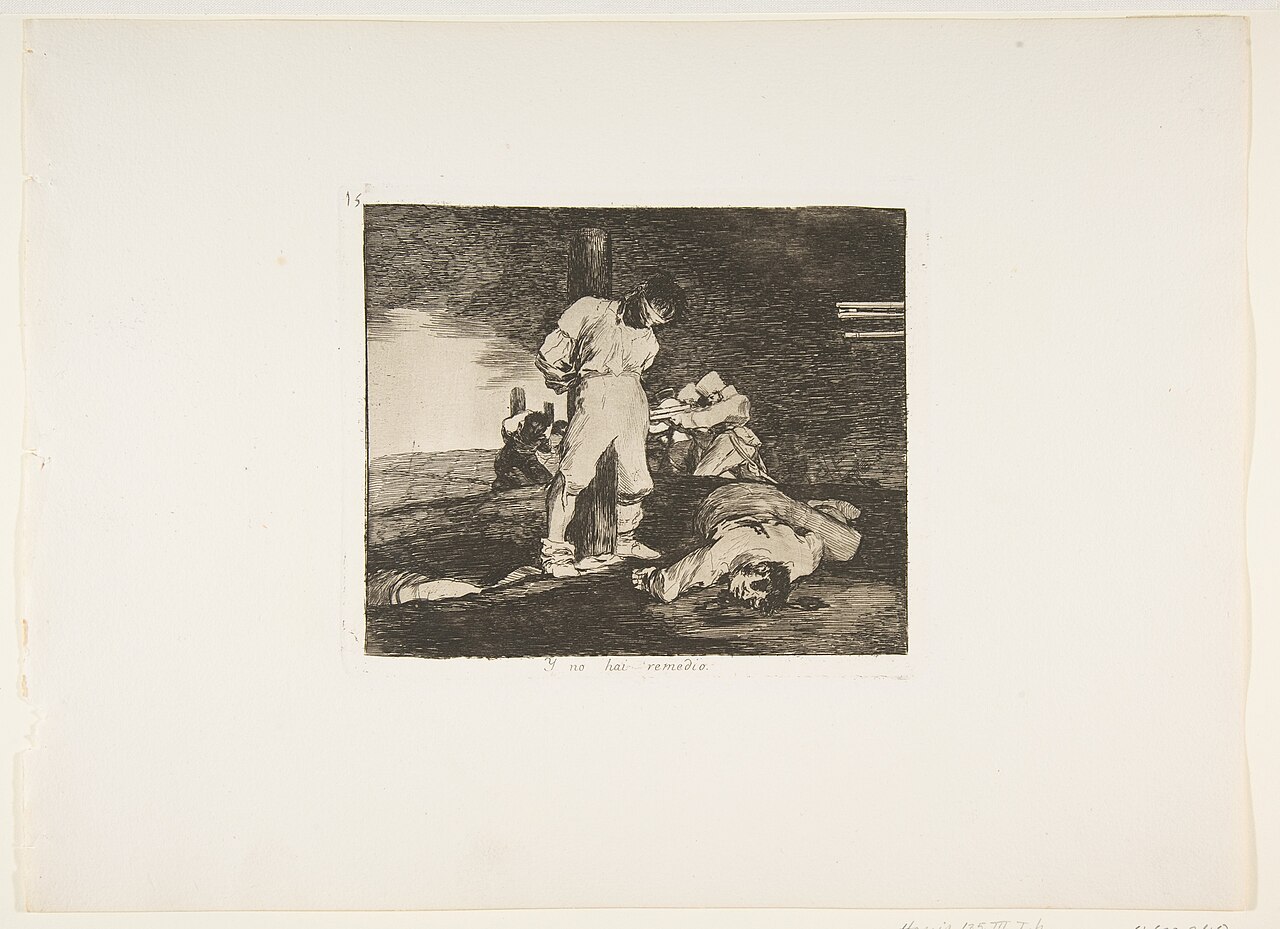
Y no hai remedio
Francisco de Goya · c. 1810-1814 (published 1863)
 Painting
Primary source
Caprichos
Francisco Goya · 1799 (created 1797-1798)
 Painting
Primary source
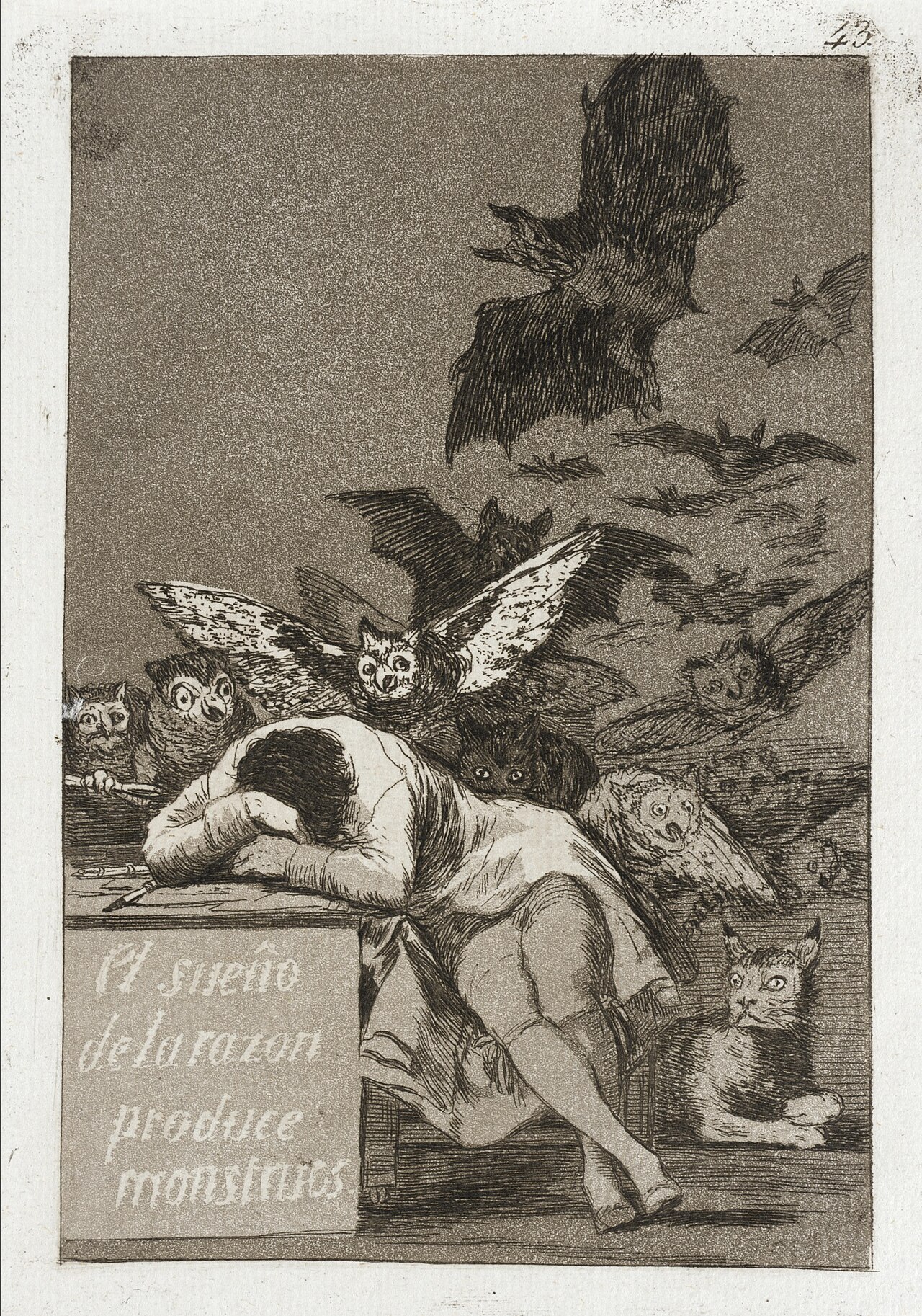
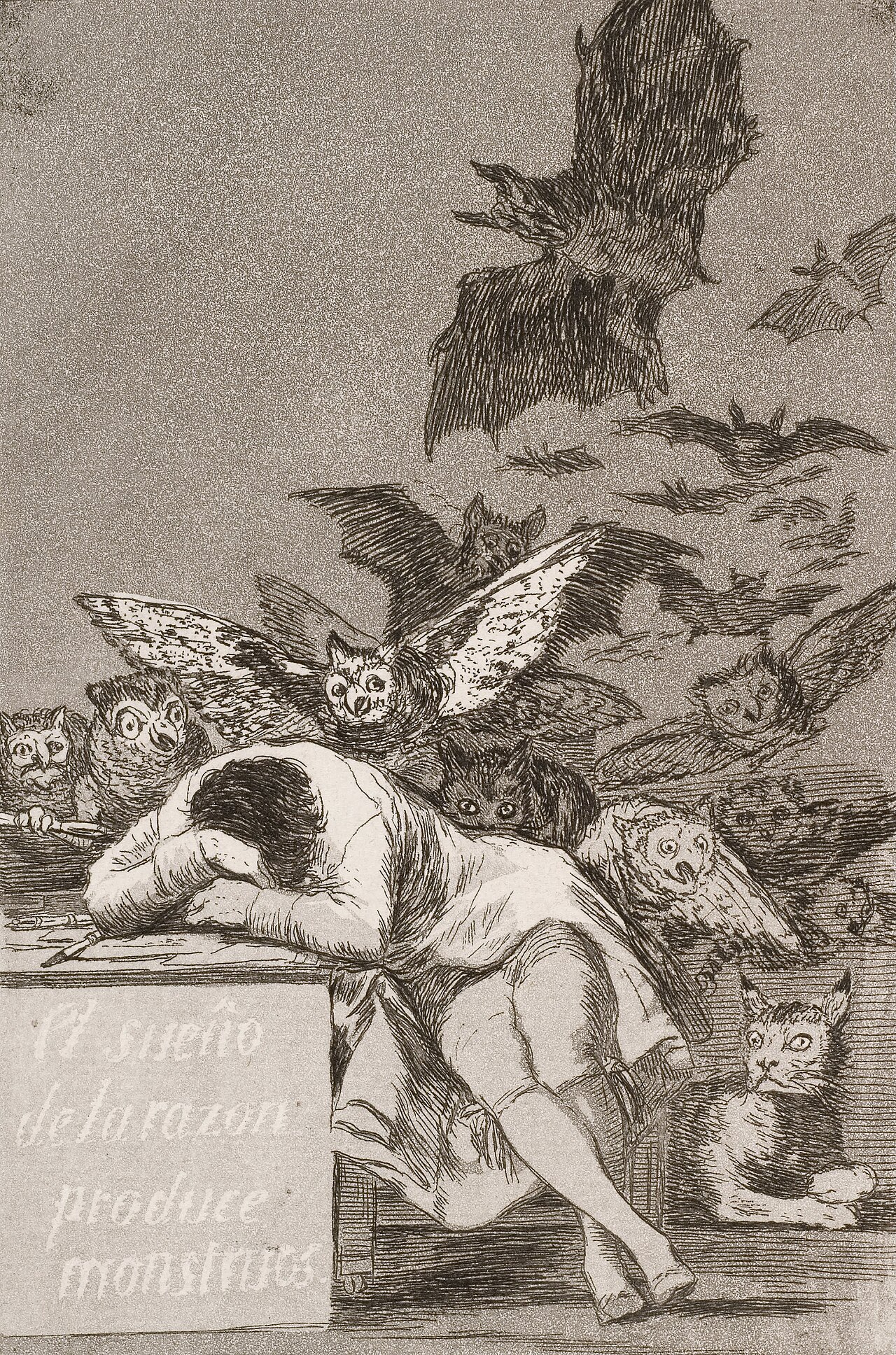
The Sleep of Reason Produces Monsters
Francisco Goya · 1797-1799
Ready when you are
Start chatting with Francisco Goya now.
20 messages free · No credit card · Available in 50+ languages.