


Secondary sourceSculpture1875
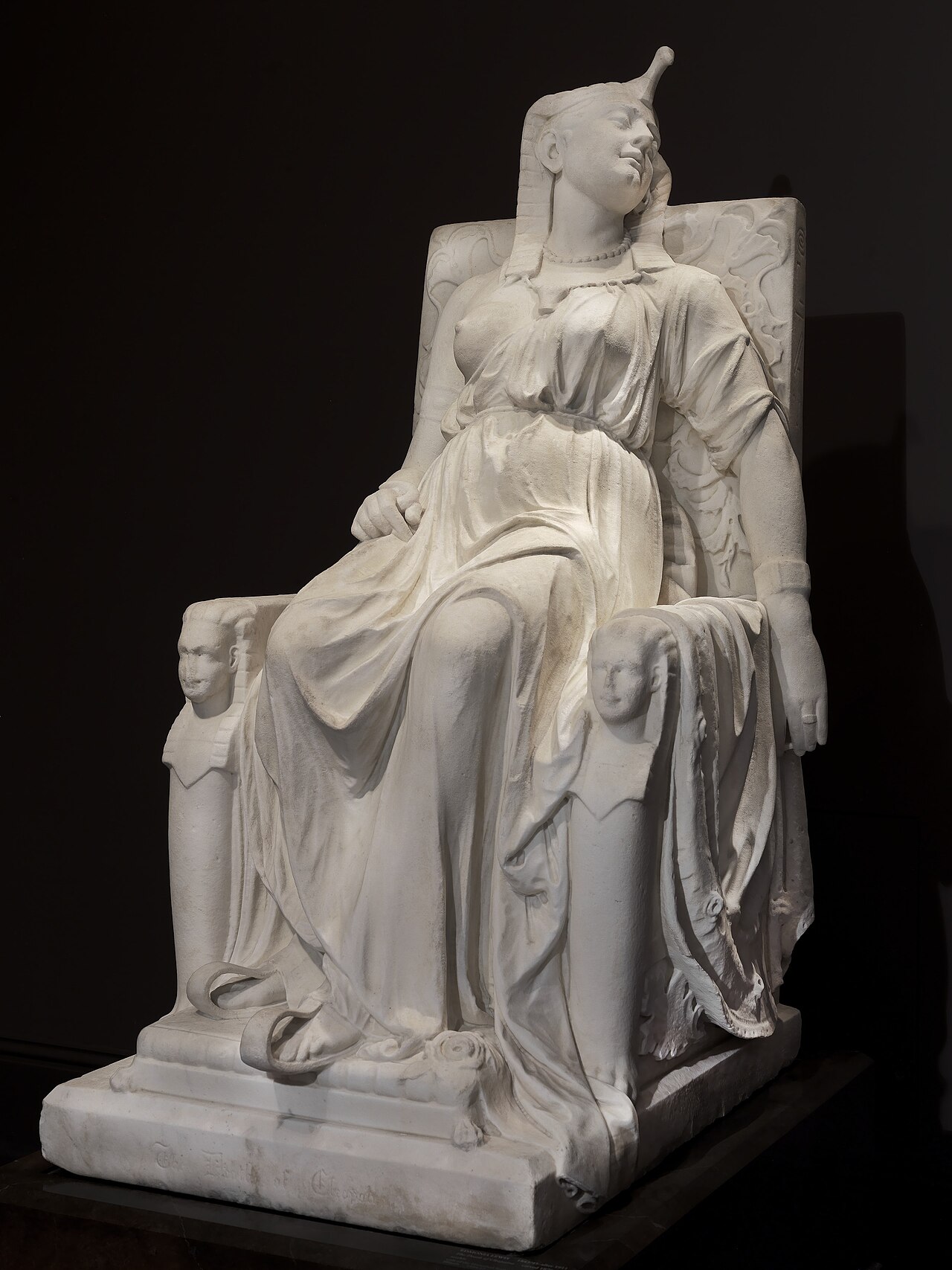
The Death of Cleopatra
Edmonia Lewis · 1875
A marble sculpture by Edmonia Lewis depicting Cleopatra immediately after her death by snakebite, made in 1875.
This sculpture reflects a 19th-century African-American and Native American artist's reclaiming of Cleopatra as a dignified figure.
About this source
What it is
This marble sculpture was created in 1875 by Edmonia Lewis, an African-American and Native American artist, and was first shown at the 1876 Centennial Exposition in Philadelphia. It is now in the Smithsonian American Art Museum. It shows Cleopatra already dead from the bite of an asp, rather than still alive and contemplating her death as most earlier artworks had shown her.
Why it matters
Lewis broke with tradition by depicting Cleopatra realistically dead and in disarray instead of as an idealized, composed queen. As a woman of African-American and Native American descent working in a time of limited opportunity for artists like her, Lewis's choice to sculpt Cleopatra with dignity carried extra meaning.
Look closer
- How does this sculpture differ from paintings that show Cleopatra alive and about to die?
- Why might the artist's own identity and background have shaped her choice of this unusual, realistic pose?
- What does the sculpture's long, complicated history after it was made tell us about how art and history can be lost and rediscovered?
This sculpture is part of the curated material that grounds the AI version of Cleopatra on Humy.ai — when students ask about related events, the AI can quote it and cite it.
More Cleopatra sources
Meet the AI Cleopatra →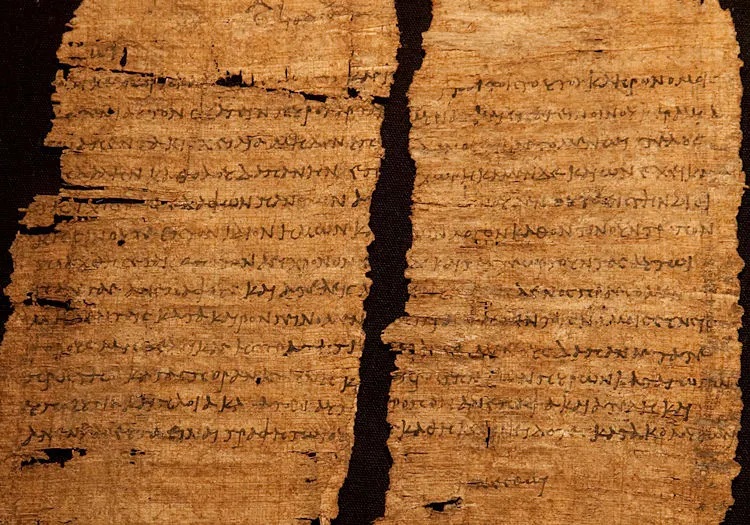 Document
Primary source
Papyrus with Signature of Cleopatra VII
Ptolemaic scribe; possibly countersigned by Cleopatra VII · February 33 BCE
 Painting
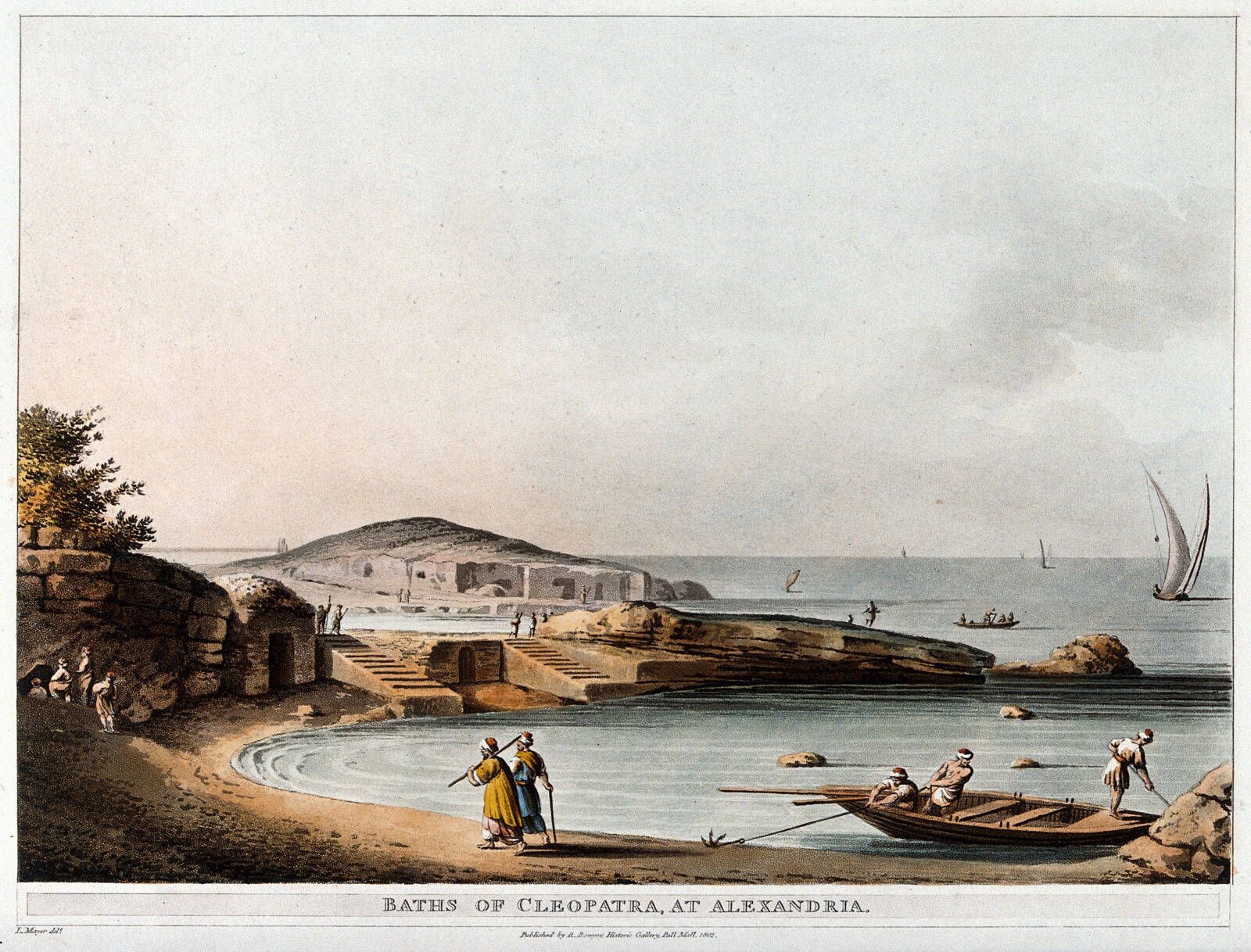
Secondary source
Baths of Cleopatra, at Alexandria
Luigi Mayer · 1802
 Sculpture
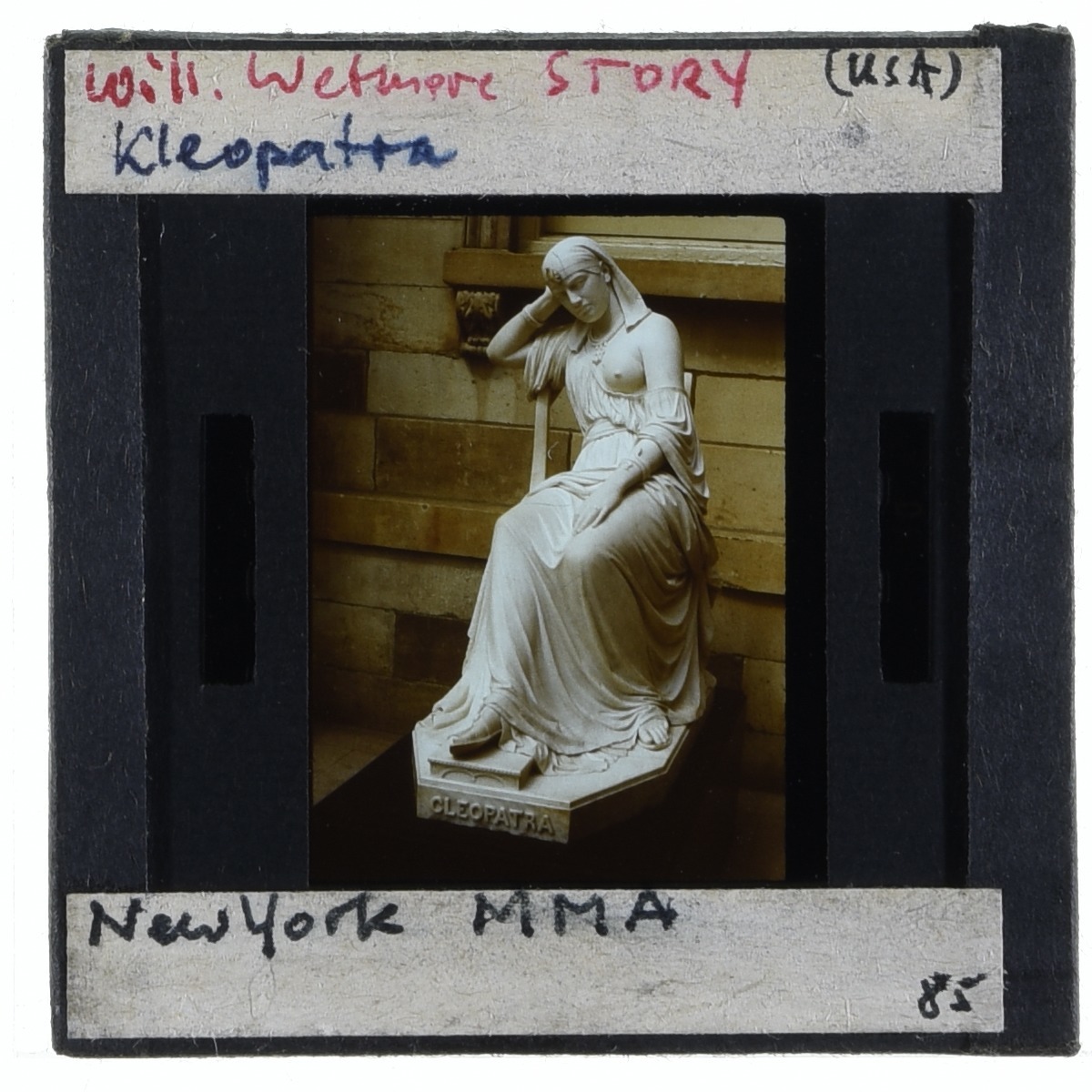
Secondary source
Cleopatra
William Wetmore Story
 Sculpture
Primary source
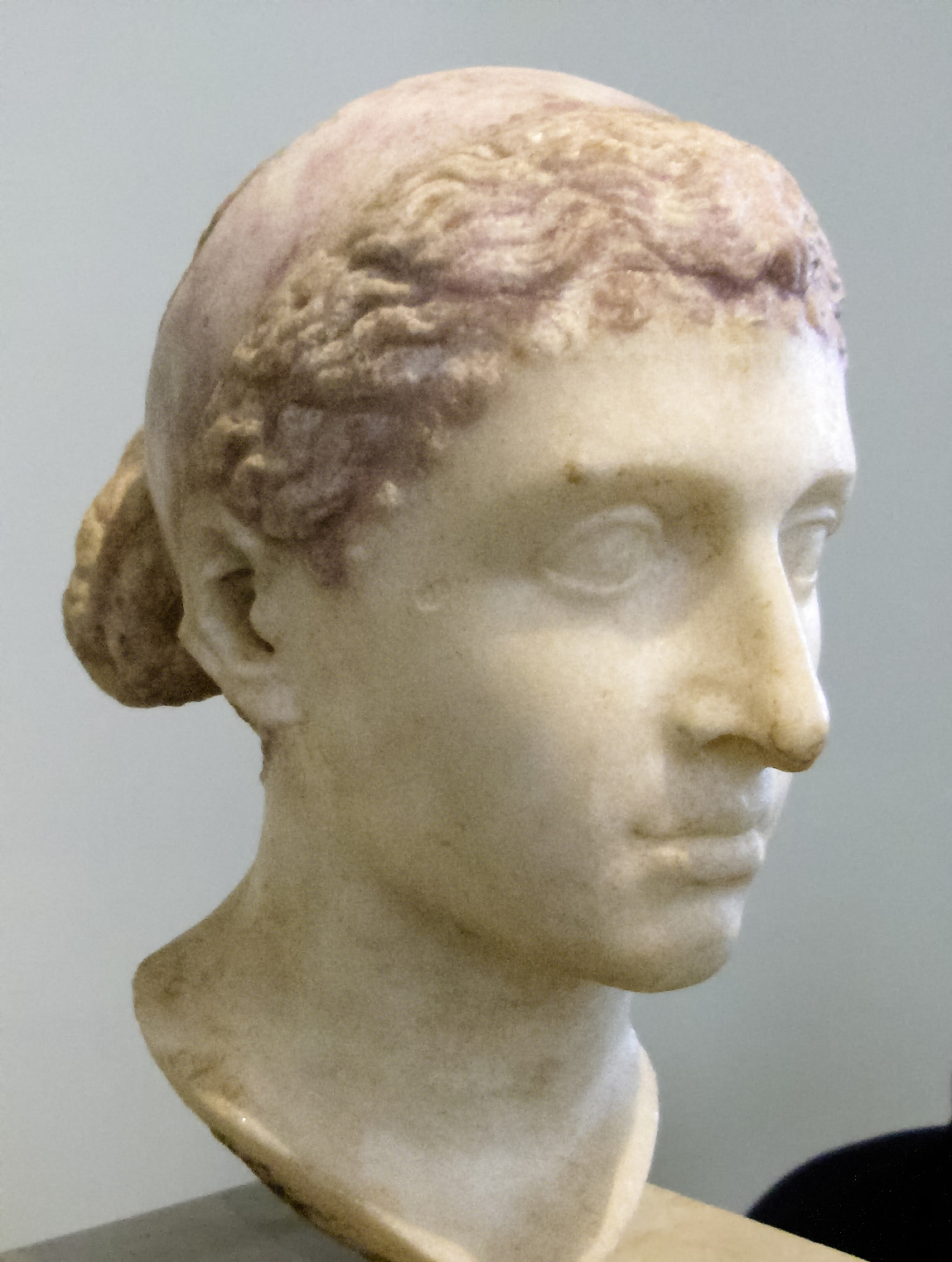
Portrait of Cleopatra (Berlin Bust)
c. 40-30 BCE
 Sculpture
Primary source
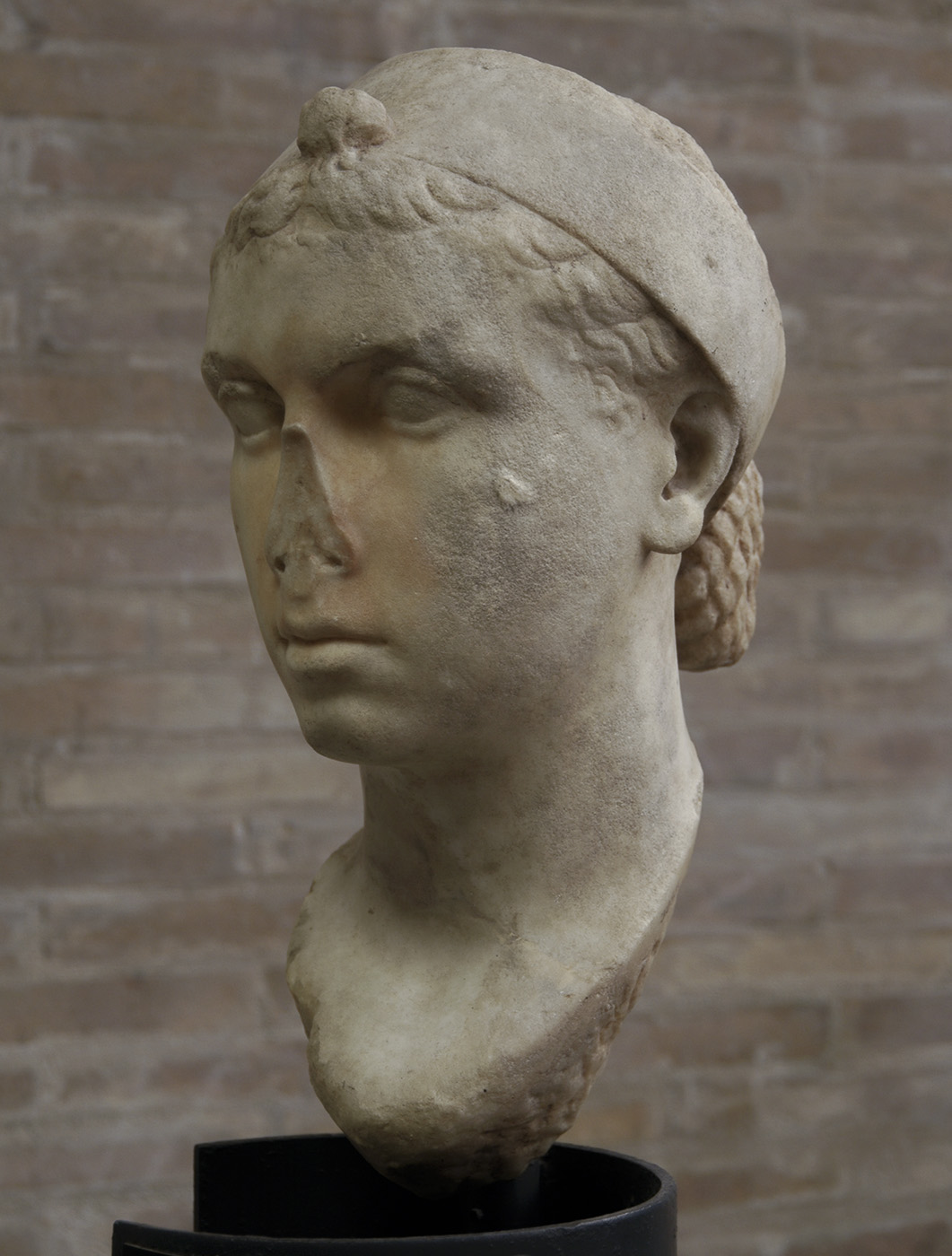
Head-Portrait of Cleopatra VII (Vatican Bust)
c. 40-30 BCE
Ready when you are
Start chatting with Cleopatra now.
20 messages free · No credit card · Available in 50+ languages.