


Secondary sourcePaintingca. 1645–55
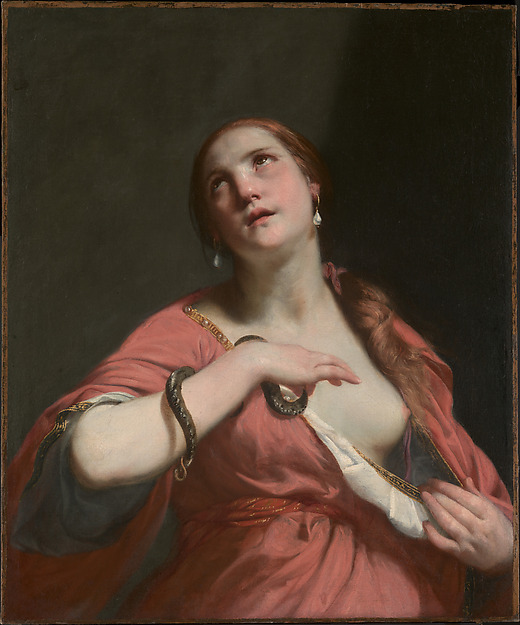
The Death of Cleopatra
Guido Cagnacci · ca. 1645–55
A Baroque oil painting by Guido Cagnacci depicting Cleopatra's legendary death by snakebite, made over 1,600 years after her death.
A Baroque painting imagining Cleopatra's death, a scene that shaped how later generations remembered her final moments.
About this source
What it is
This oil painting, made around 1645–1655 by the Italian artist Guido Cagnacci, shows Cleopatra at the moment of her death, with a serpent coiled around her arm. It is held by The Metropolitan Museum of Art.
Why it matters
Cagnacci painted this scene more than sixteen centuries after Cleopatra's death, drawing on the famous story that she died from a snakebite. Baroque artists were drawn to dramatic, emotional moments like this one, and the painting shows how her death became one of the most retold scenes in Western art.
Look closer
- What emotions does the artist try to show on Cleopatra's face?
- Why do you think artists kept returning to this particular moment in her story?
- What is missing from this image about Cleopatra's life as a ruler?
This painting is part of the curated material that grounds the AI version of Cleopatra on Humy.ai — when students ask about related events, the AI can quote it and cite it.
More Cleopatra sources
Meet the AI Cleopatra →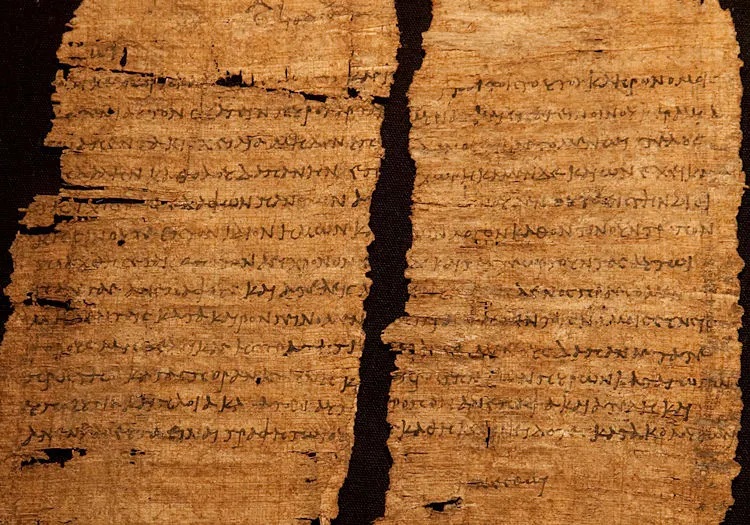 Document
Primary source
Papyrus with Signature of Cleopatra VII
Ptolemaic scribe; possibly countersigned by Cleopatra VII · February 33 BCE
 Painting
Secondary source
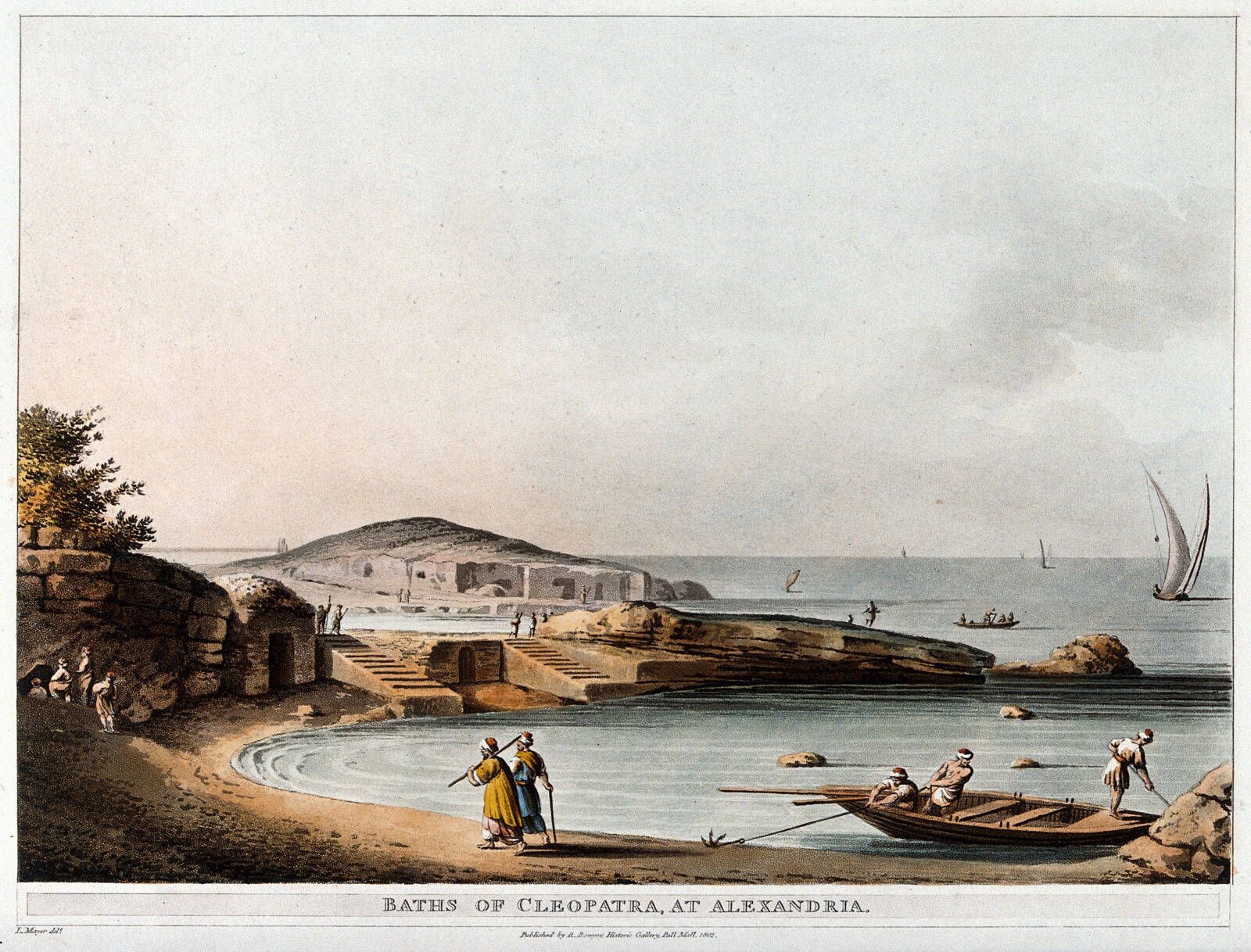
Baths of Cleopatra, at Alexandria
Luigi Mayer · 1802
 Sculpture
Secondary source
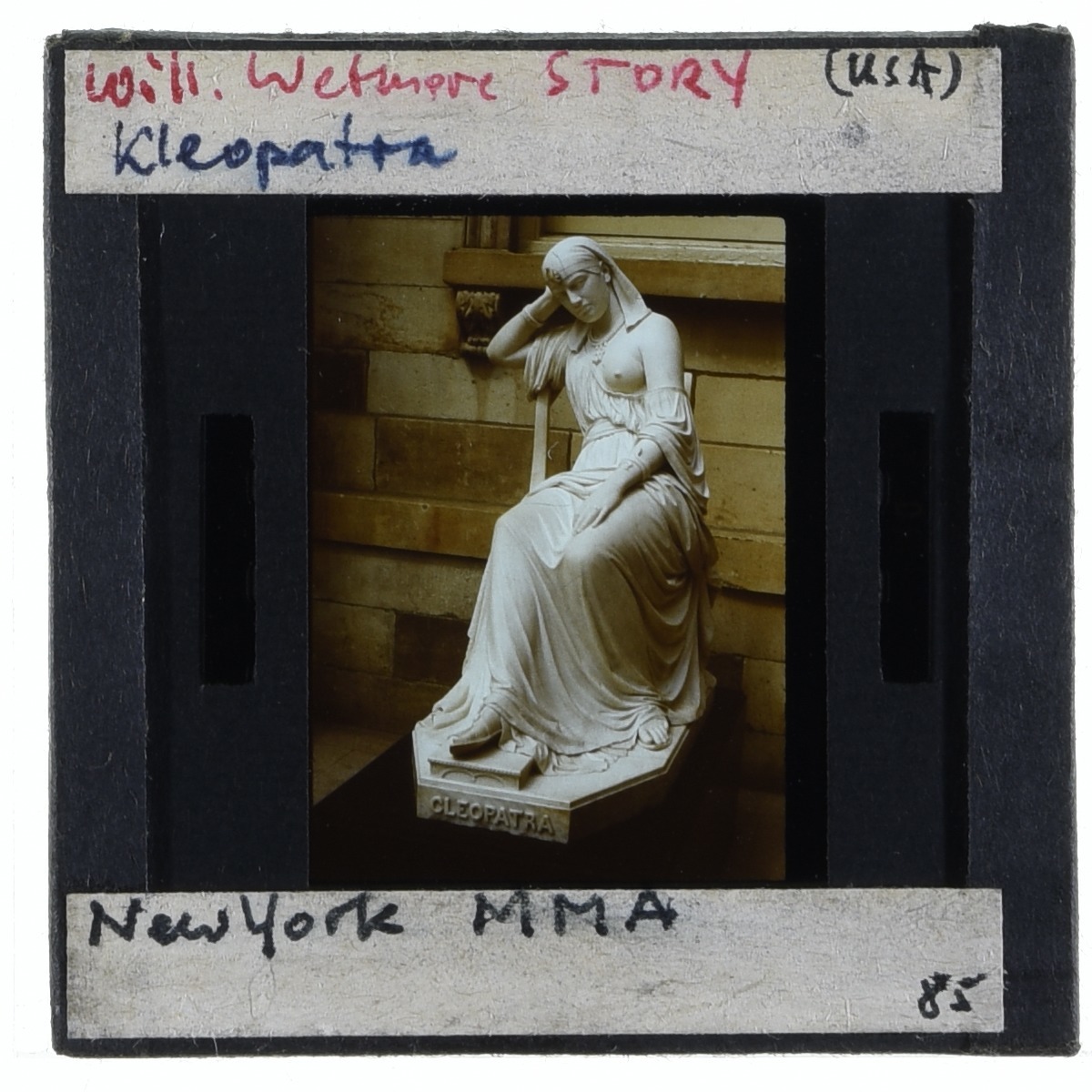
Cleopatra
William Wetmore Story
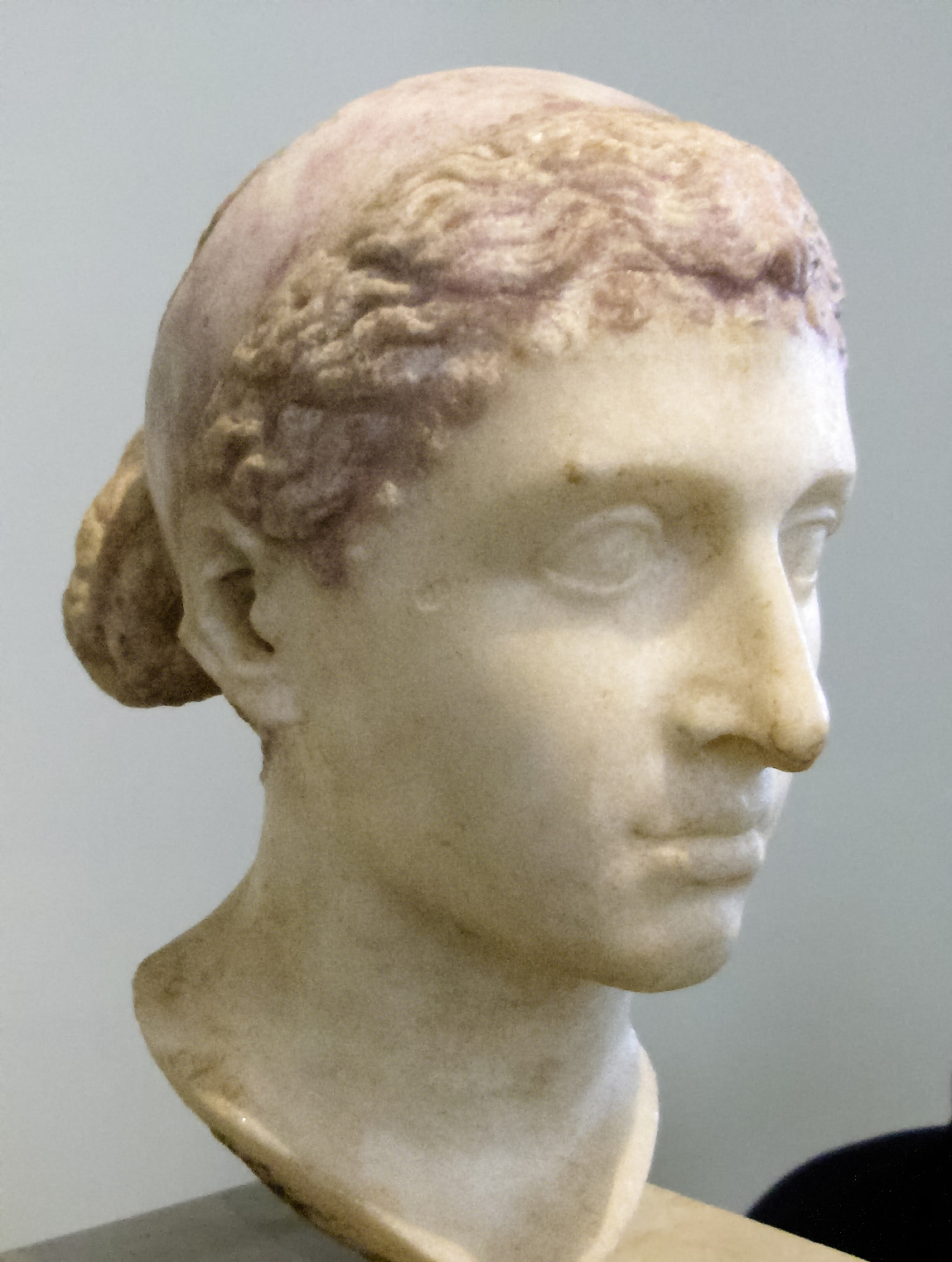 Sculpture
Primary source
Portrait of Cleopatra (Berlin Bust)
c. 40-30 BCE
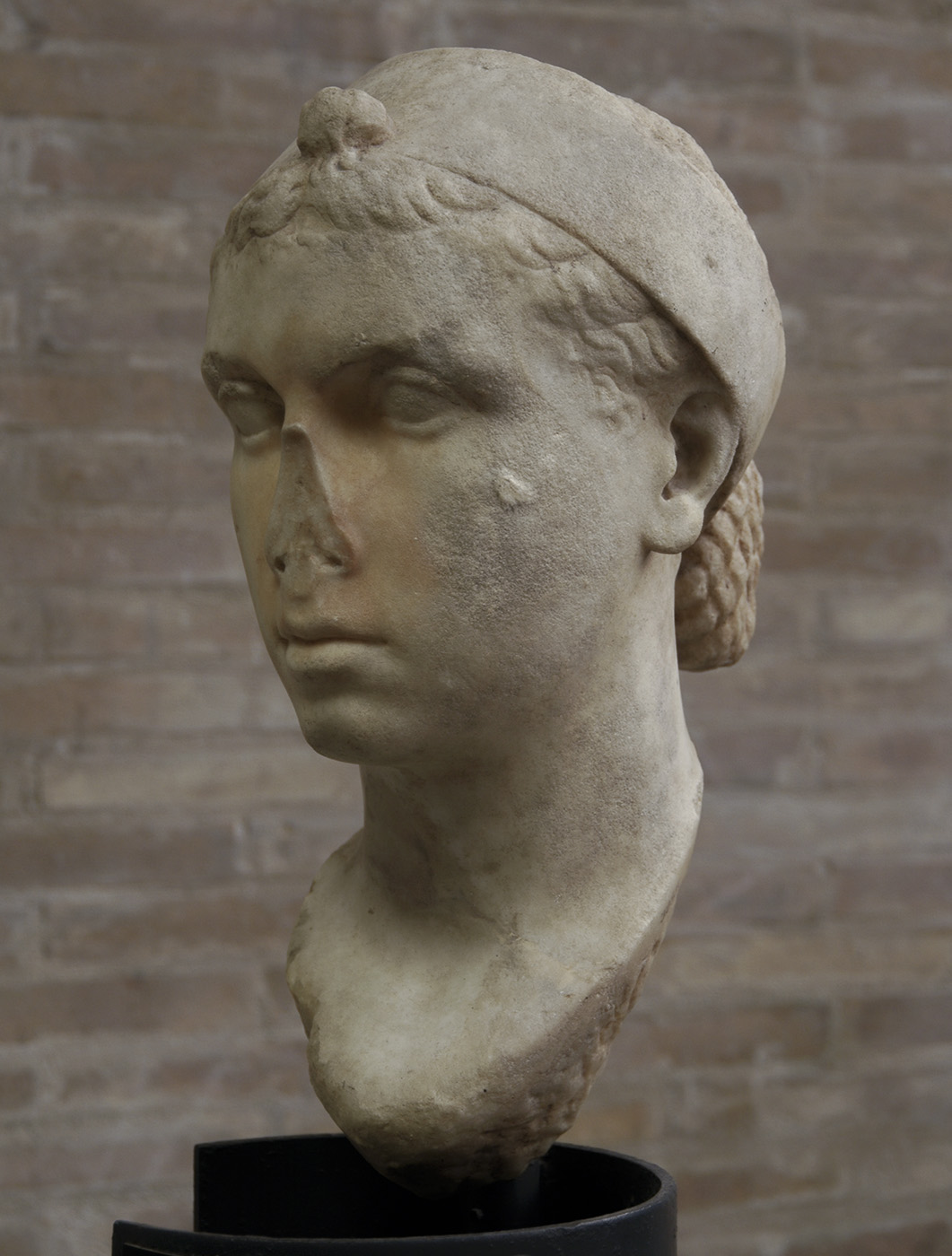 Sculpture
Primary source
Head-Portrait of Cleopatra VII (Vatican Bust)
c. 40-30 BCE
Ready when you are
Start chatting with Cleopatra now.
20 messages free · No credit card · Available in 50+ languages.