


Secondary sourcePainting1808
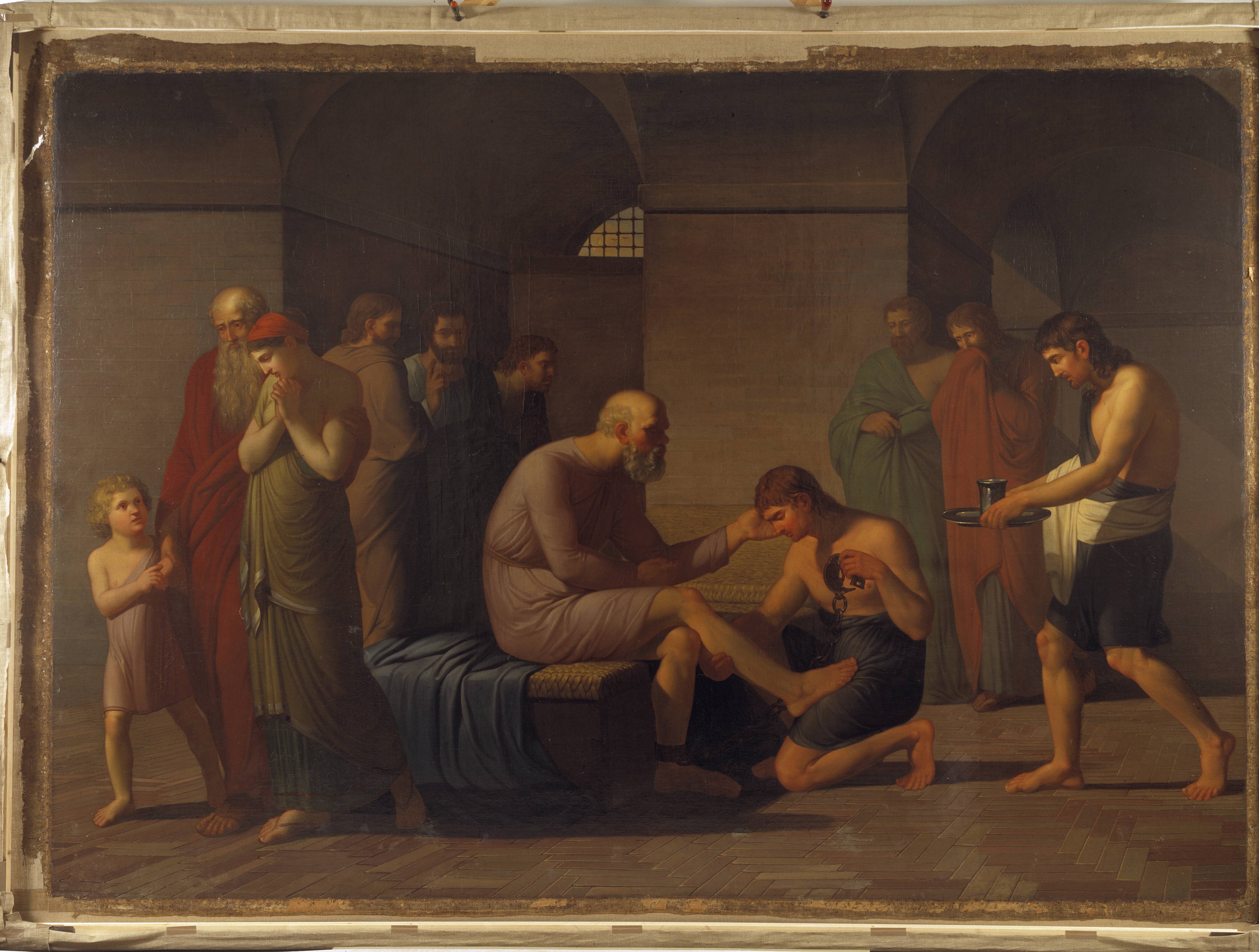
The Death of Socrates (1808)
1808
An 1808 painting imagining the execution of Socrates by poison, surrounded by grieving followers.
An imagined depiction of Socrates's execution, showing how his death was remembered centuries later.
About this source
What it is
This is a painting from 1808 showing the death of Socrates. It depicts a prison scene with an elderly bearded man seated among mourners, while a servant brings a cup, presumably containing the poison used in the execution. The work is held by the National Gallery of Denmark.
Why it matters
Socrates was sentenced to death and executed by poisoning in ancient Athens. This painting, made many centuries later, reflects how artists in the early 1800s continued to be fascinated by his final moments as a symbol of standing firm for one's beliefs even unto death. The emotional reactions of the surrounding figures — weeping, distress, attentiveness — show how the artist wanted viewers to interpret the scene's meaning.
Look closer
- Why do you think artists kept returning to this moment in Socrates's life centuries after it happened?
- How does the painting use the reactions of the people around Socrates to tell us how we should feel about his death?
- What parts of this scene are the artist's imagination rather than historical fact?
This painting is part of the curated material that grounds the AI version of Socrates on Humy.ai — when students ask about related events, the AI can quote it and cite it.
More Socrates sources
Meet the AI Socrates →Secondary source
Apology
Plato · c. 395 BC
 Painting
Secondary source
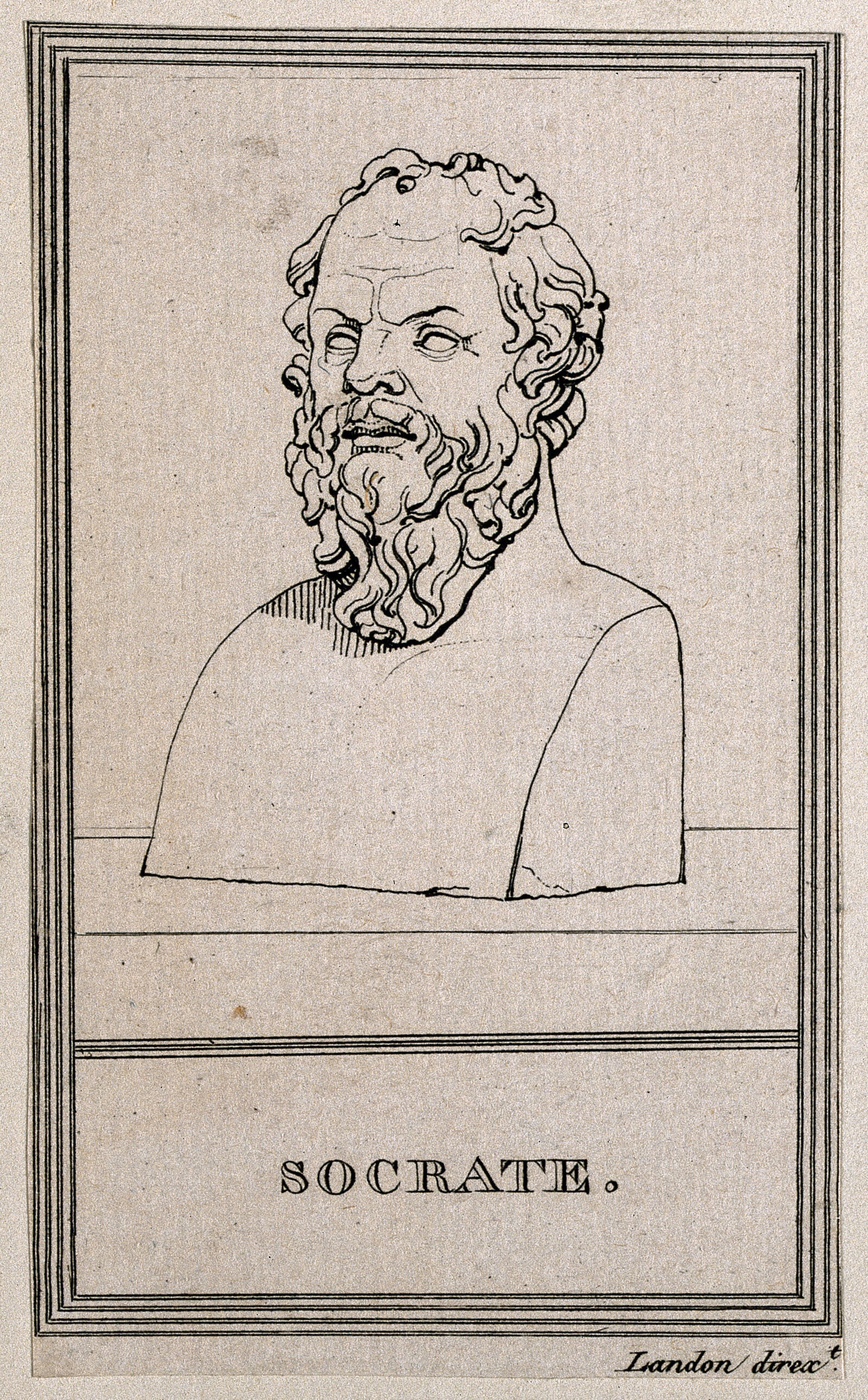
Line Engraving of Socrates by Landon
Charles Paul Landon
 Book
Secondary source
Crito
Plato · c. 400 BC
 Painting
Secondary source
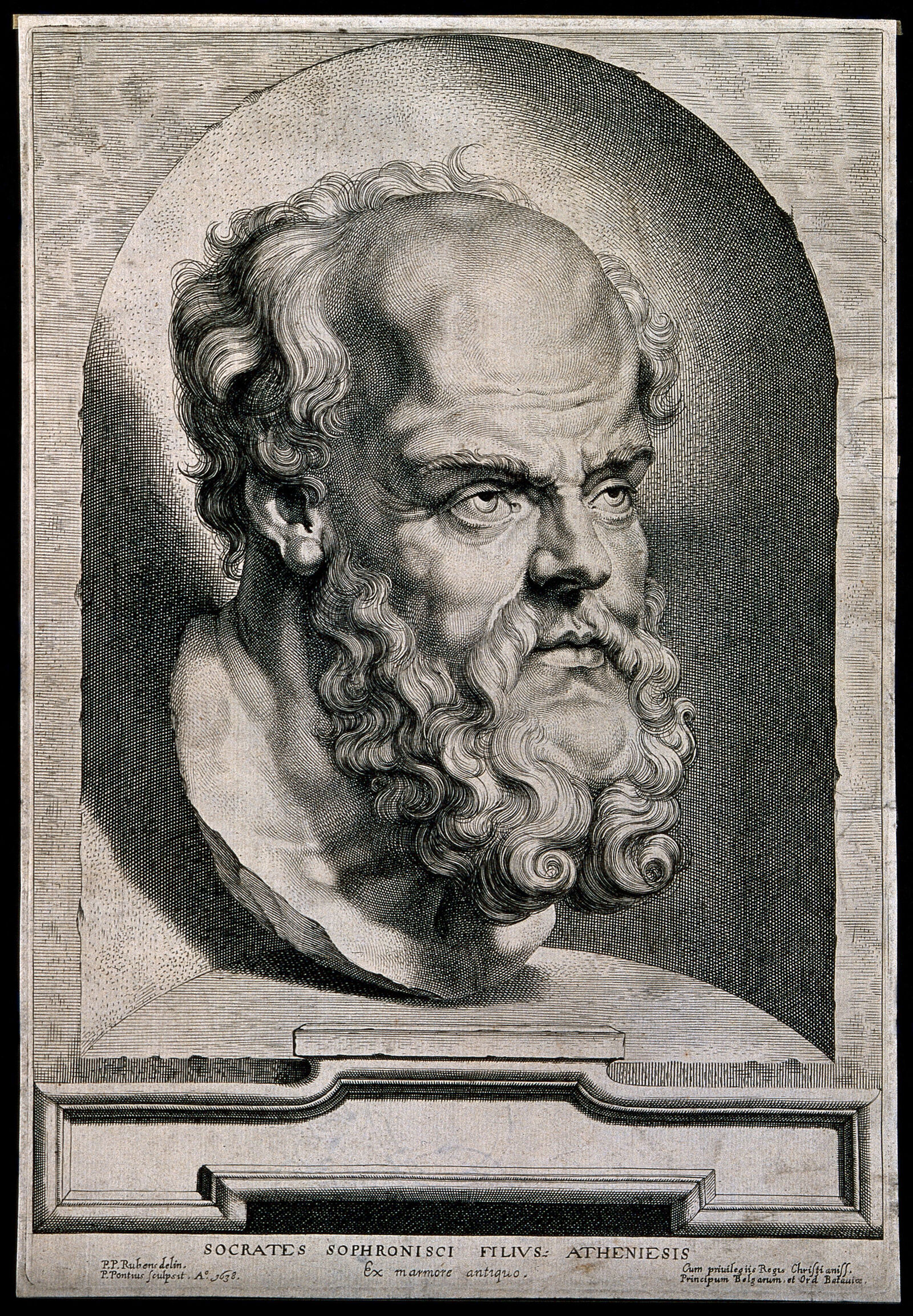
Socrates Engraving after Rubens by Pontius
Peter Paul Rubens · 1638
 Photograph
Secondary source
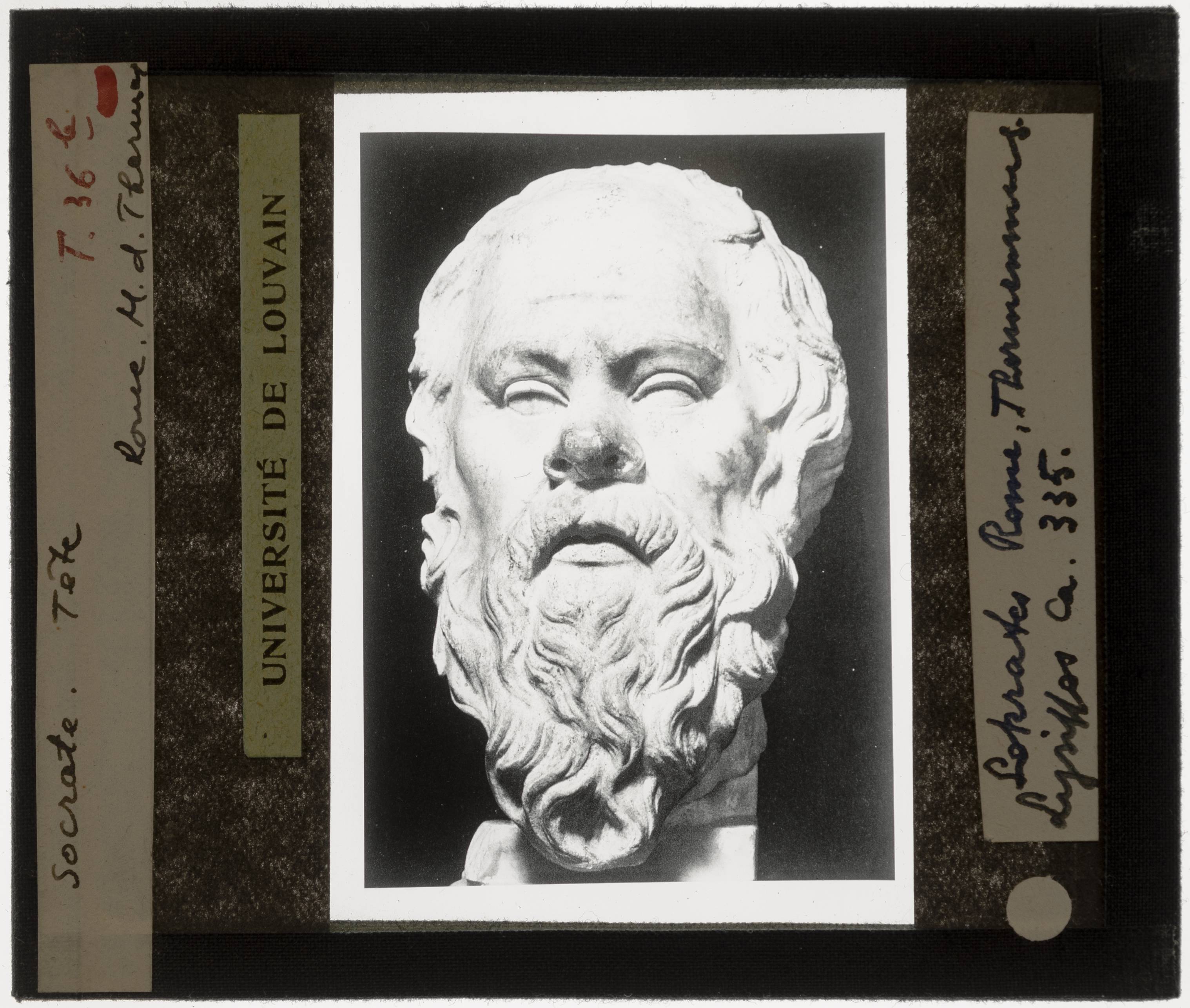
Roman Marble Bust of Socrates
between 1839 and 1939
Ready when you are
Start chatting with Socrates now.
20 messages free · No credit card · Available in 50+ languages.