


Secondary sourcePainting1787
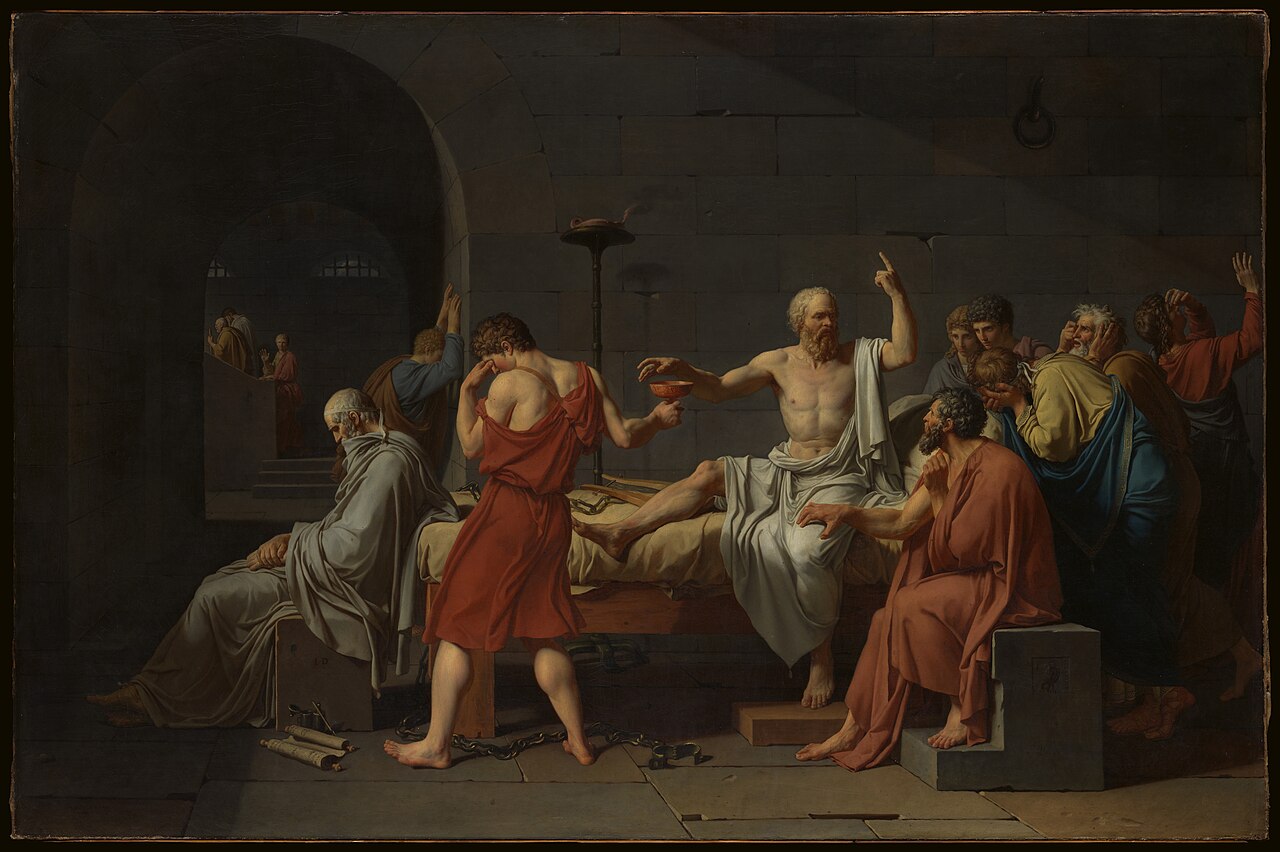
The Death of Socrates
Jacques-Louis David · 1787
A Neoclassical painting by Jacques-Louis David showing Socrates calmly reaching for the cup of hemlock while still teaching his grieving followers.
This painting depicts Socrates' final moments, reaching for the poison that ended his life after his trial.
About this source
What it is
This oil painting was made by Jacques-Louis David in 1787, based on the story of Socrates' execution as told in Plato's Phaedo. It shows Socrates condemned to die by drinking poison hemlock, surrounded by his grieving companions, including Crito and Plato.
Why it matters
Painted during the Enlightenment, the work turned Socrates into a symbol of rational self-control and devotion to truth in the face of death. David took artistic liberties, simplifying the scene and changing the ages of figures like Plato, showing how later eras reshaped Socrates' story to fit their own values. The painting reveals as much about 18th-century French ideals as about ancient Athens.
Look closer
- Why does Socrates appear calm while everyone around him shows distress?
- What has the artist changed or idealised compared to the ancient written accounts?
- Why might an 18th-century French patron have wanted this scene painted?
This painting is part of the curated material that grounds the AI version of Socrates on Humy.ai — when students ask about related events, the AI can quote it and cite it.
More Socrates sources
Meet the AI Socrates →Secondary source
Apology
Plato · c. 395 BC
 Painting
Secondary source
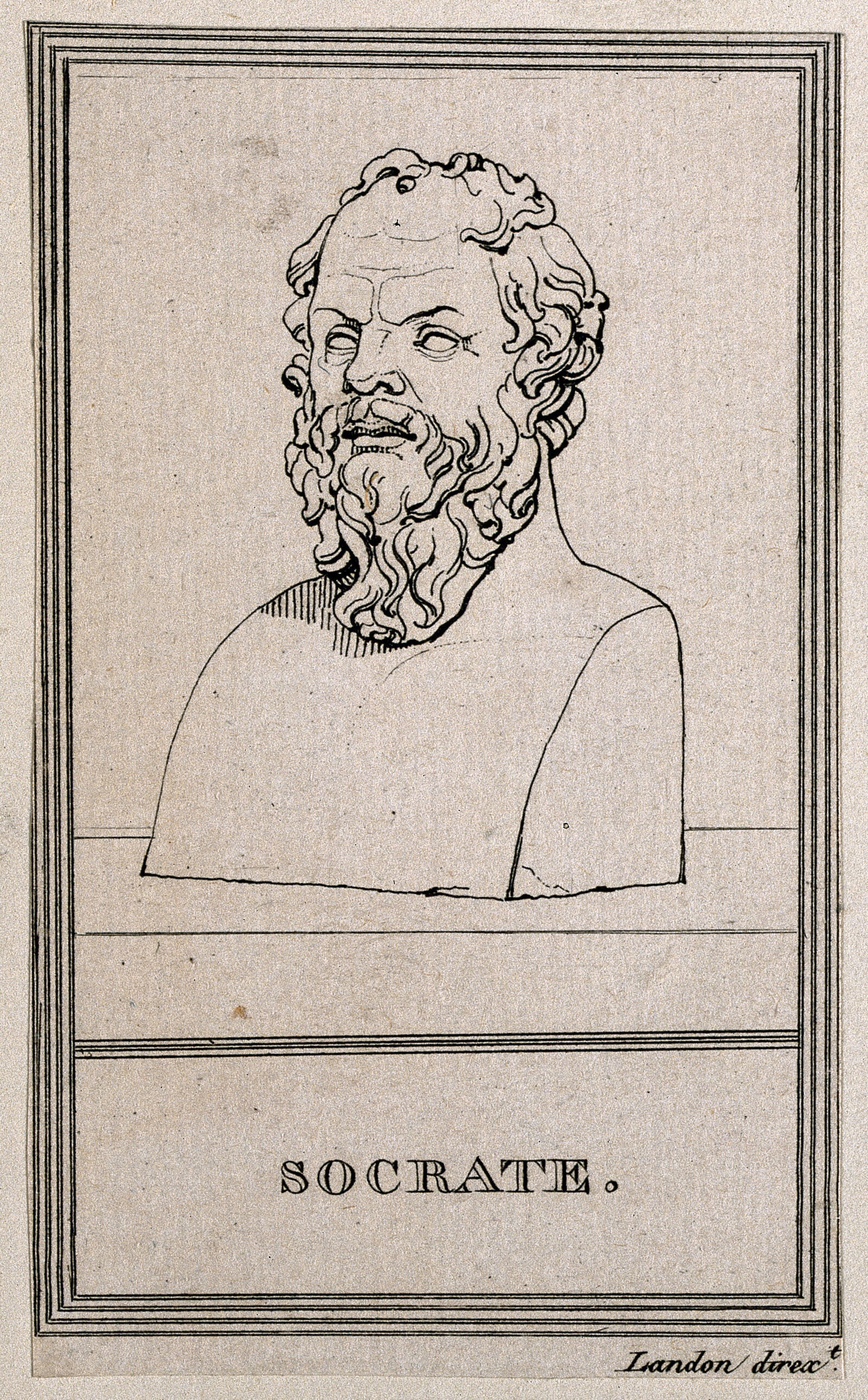
Line Engraving of Socrates by Landon
Charles Paul Landon
 Book
Secondary source
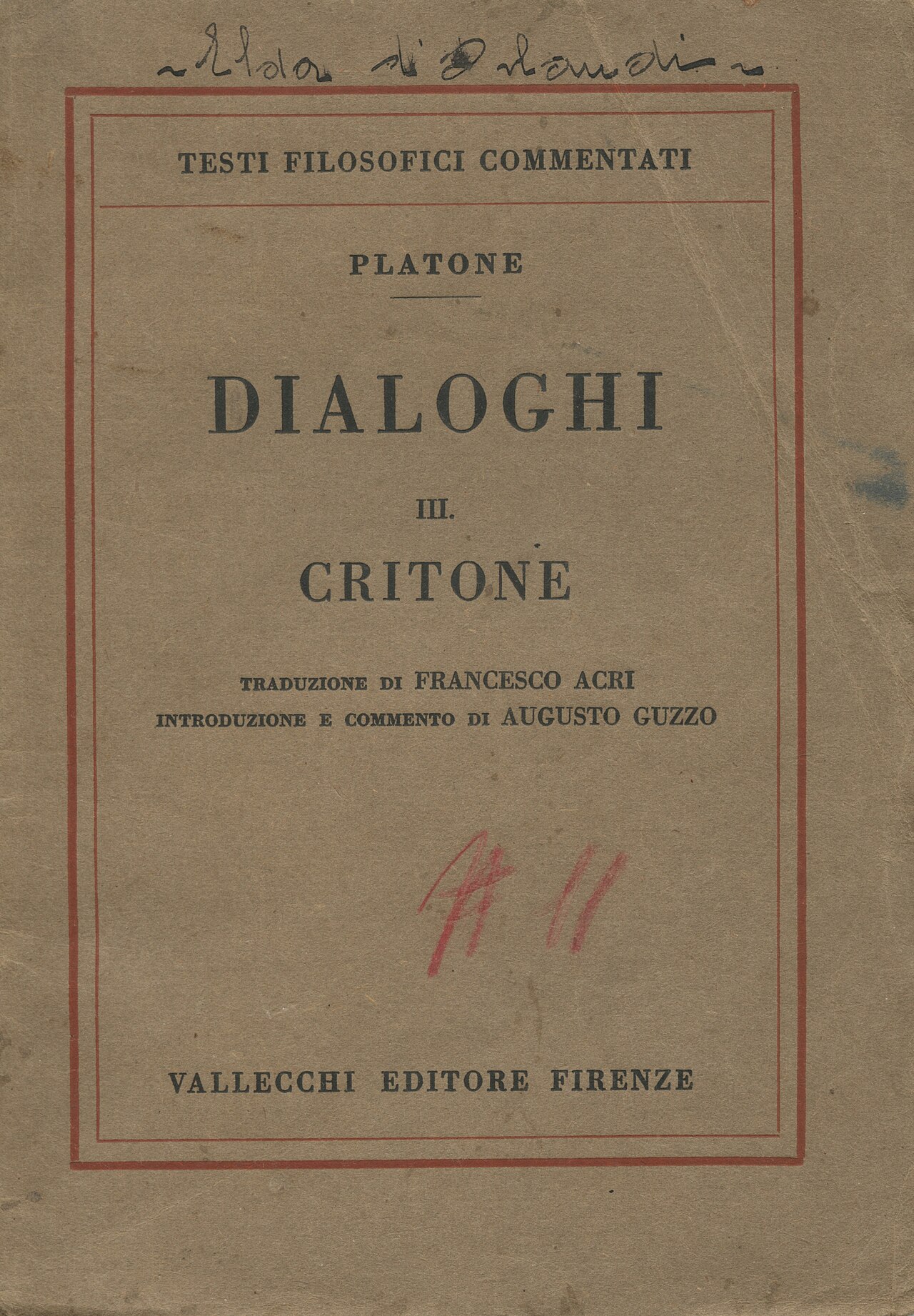
Crito
Plato · c. 400 BC
 Painting
Secondary source
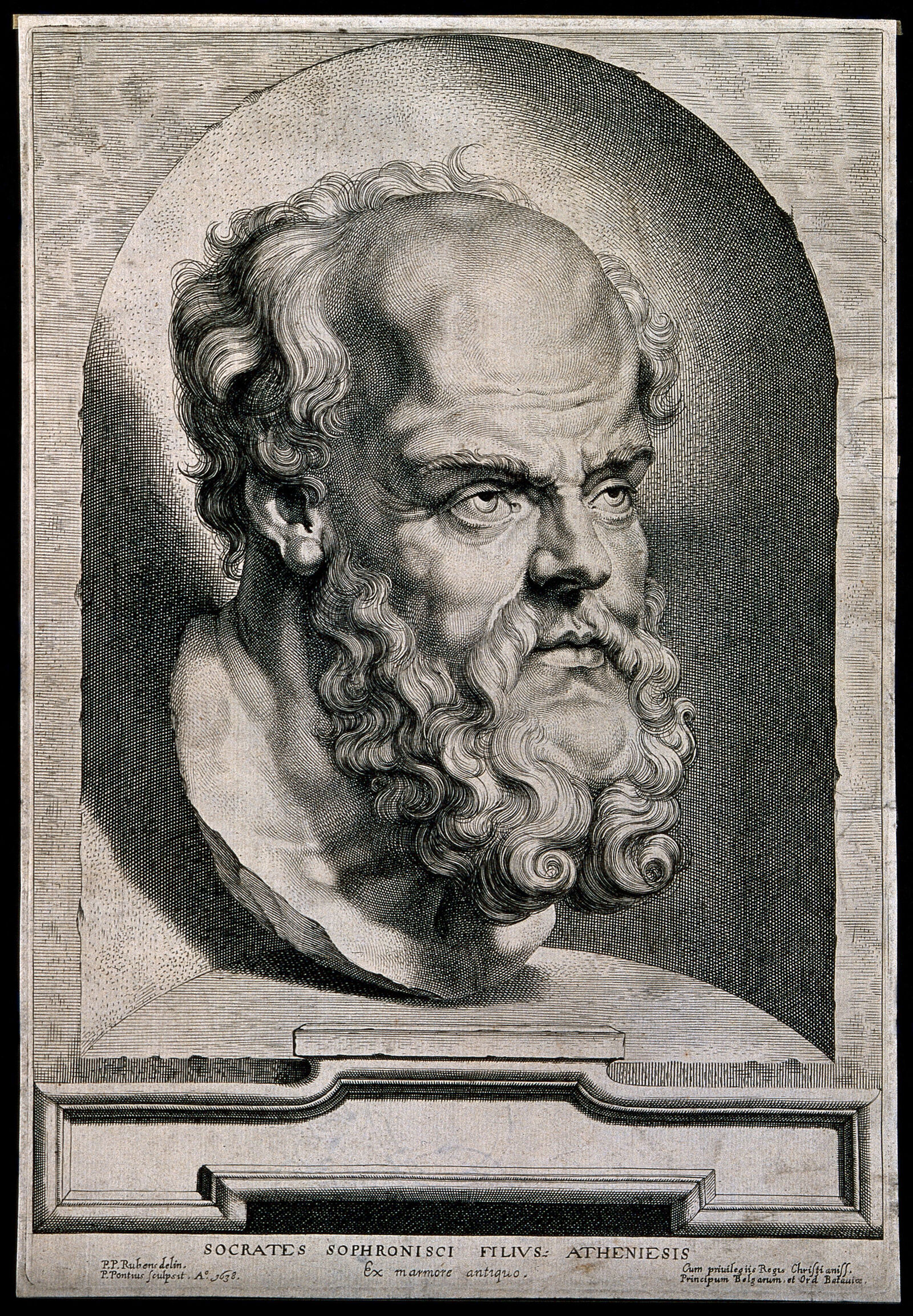
Socrates Engraving after Rubens by Pontius
Peter Paul Rubens · 1638
 Photograph
Secondary source
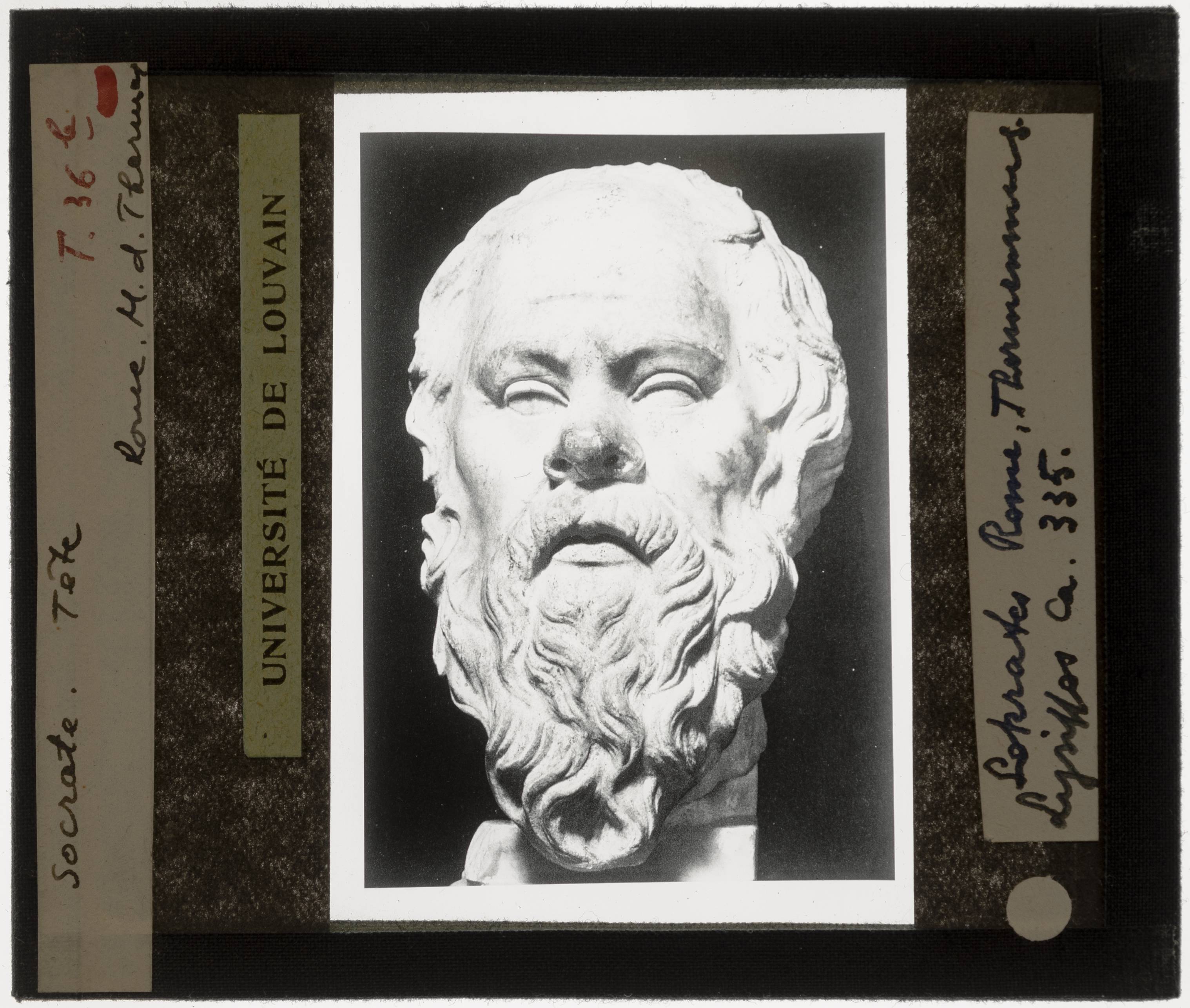
Roman Marble Bust of Socrates
between 1839 and 1939
Ready when you are
Start chatting with Socrates now.
20 messages free · No credit card · Available in 50+ languages.