


Secondary sourcePainting1802
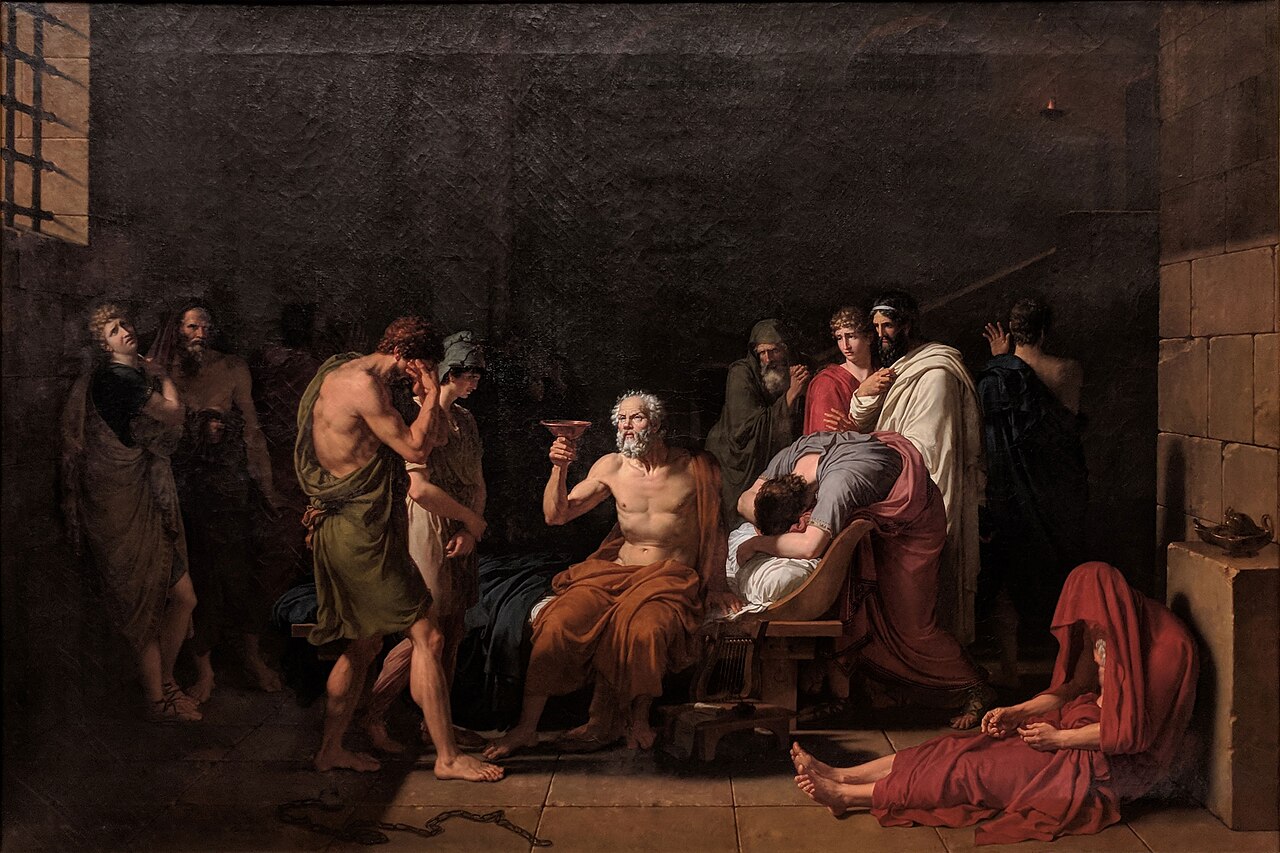
The Death of Socrates
François-Xavier Fabre · 1802
A Neoclassical painting imagining the moment Socrates drank the fatal hemlock, surrounded by grieving companions, based on Plato's Phaedo.
Depicts Socrates's death by hemlock, the defining moment of his life and philosophy as recorded by his followers.
About this source
What it is
This oil painting by François-Xavier Fabre, made in 1802, shows Socrates in his prison cell raising a cup of poison while the men around him react with sorrow. It now hangs in the Museum of Art and History in Geneva.
Why it matters
The scene comes from Plato's account of Socrates's final hours, a story that shaped how later generations imagined the philosopher's courage facing death. Fabre, like many Neoclassical painters, used this ancient subject to explore ideals of virtue and calm acceptance of fate.
Look closer
- What does Socrates's calm pose suggest about how the artist wanted viewers to see him?
- Why might an artist in 1802, centuries after Socrates lived, choose to paint this scene?
- What does the painting leave out that we only know from written sources?
This painting is part of the curated material that grounds the AI version of Socrates on Humy.ai — when students ask about related events, the AI can quote it and cite it.
More Socrates sources
Meet the AI Socrates →Secondary source
Apology
Plato · c. 395 BC
 Painting
Secondary source
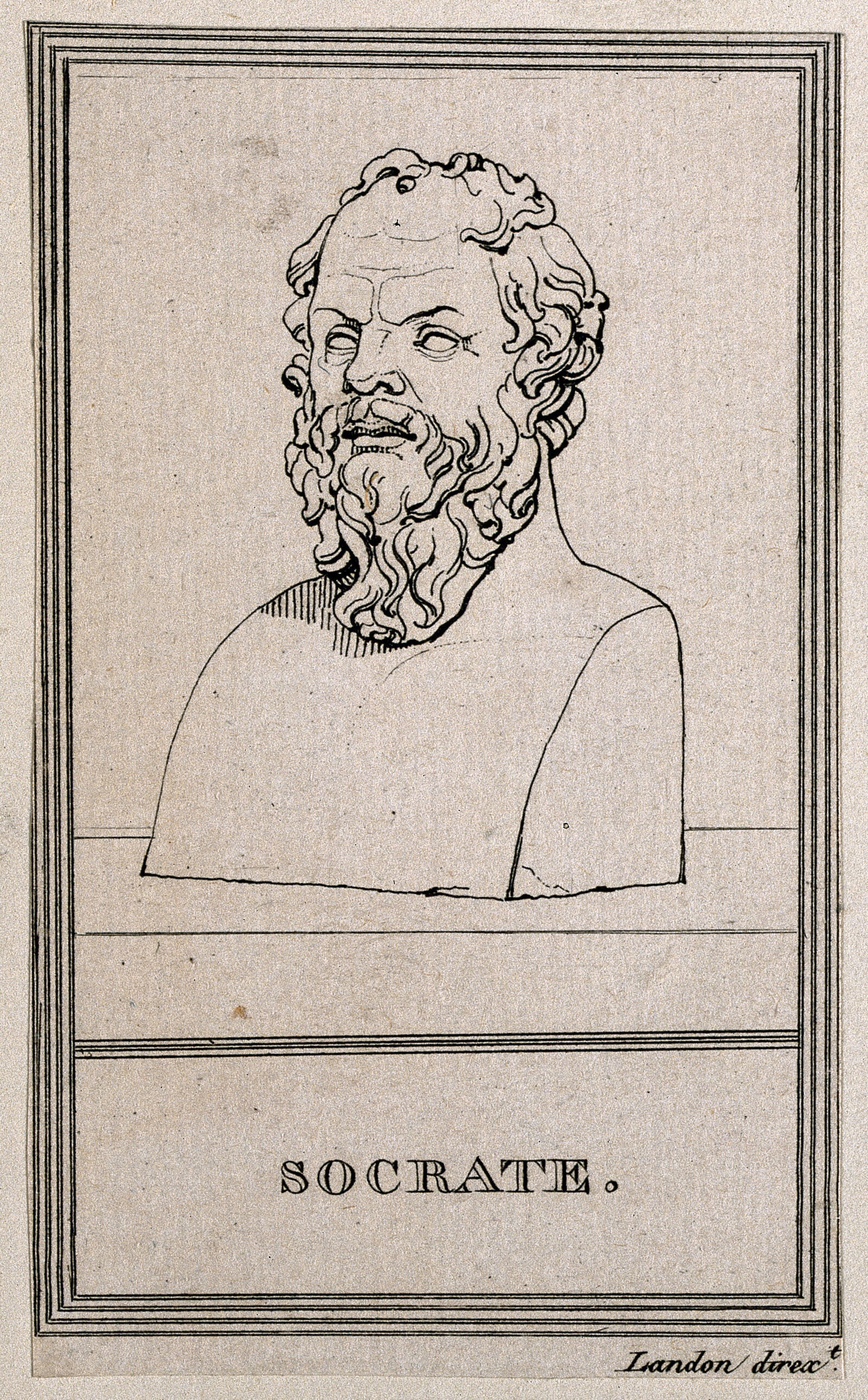
Line Engraving of Socrates by Landon
Charles Paul Landon
 Book
Secondary source
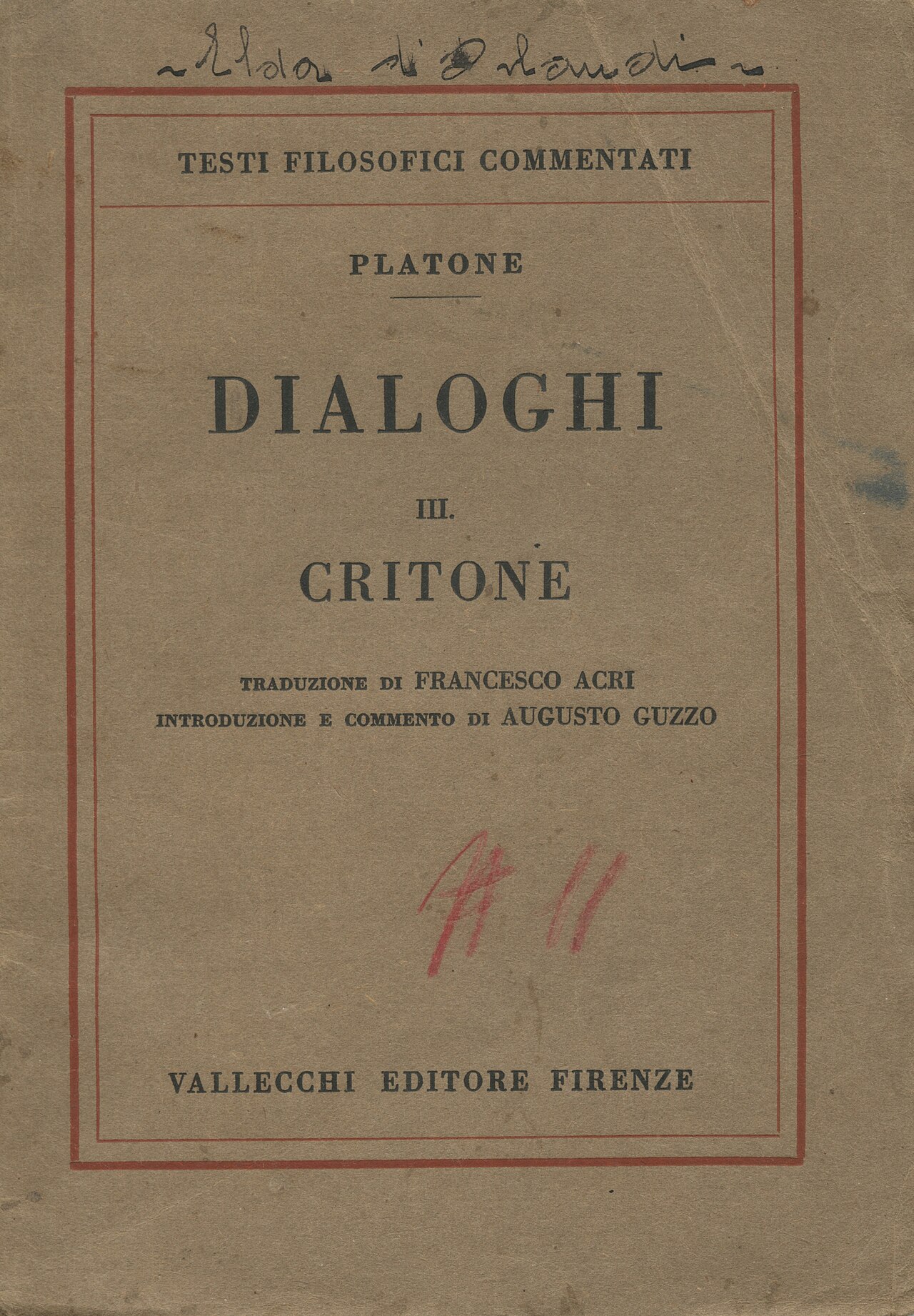
Crito
Plato · c. 400 BC
 Painting
Secondary source
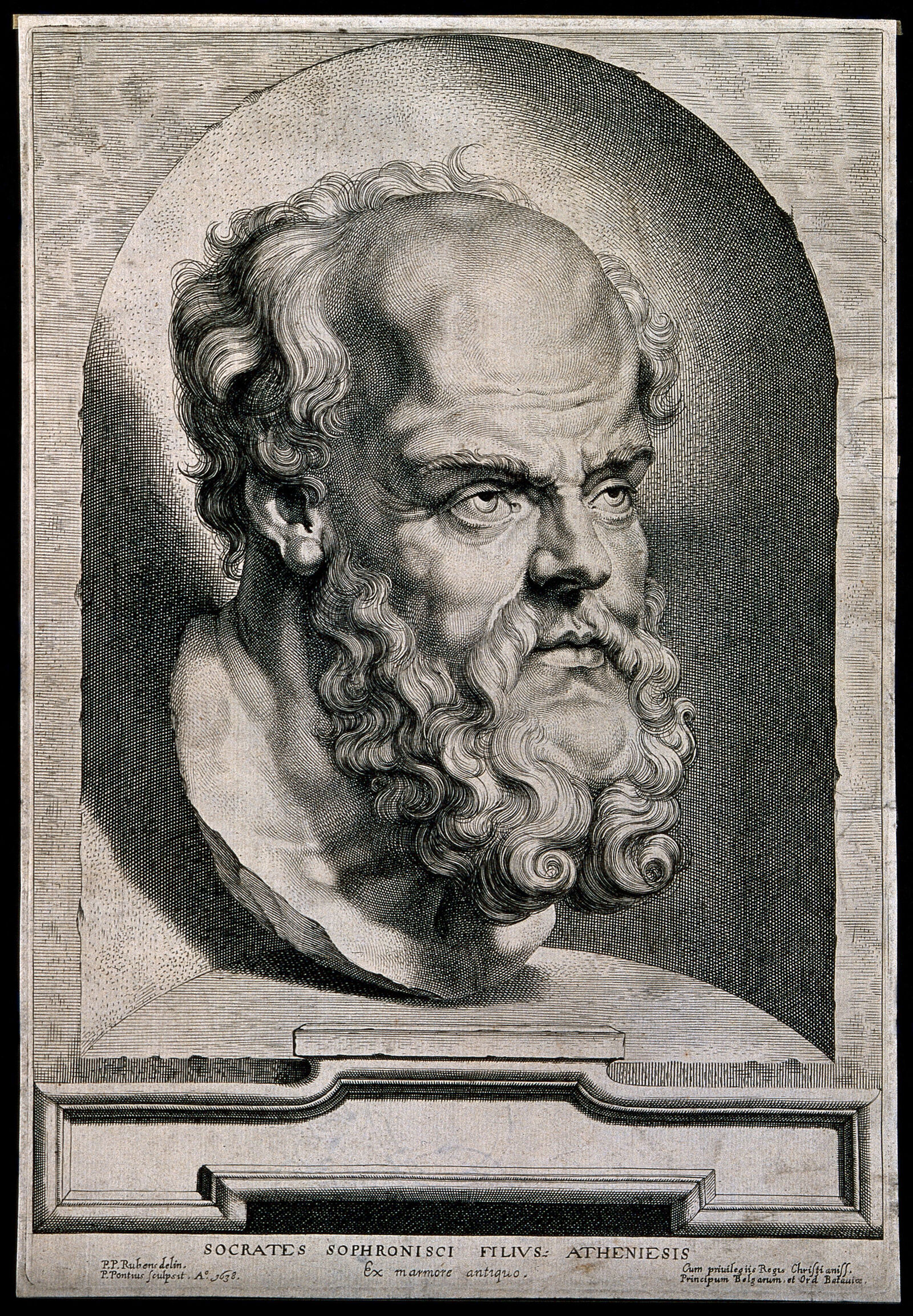
Socrates Engraving after Rubens by Pontius
Peter Paul Rubens · 1638
 Photograph
Secondary source
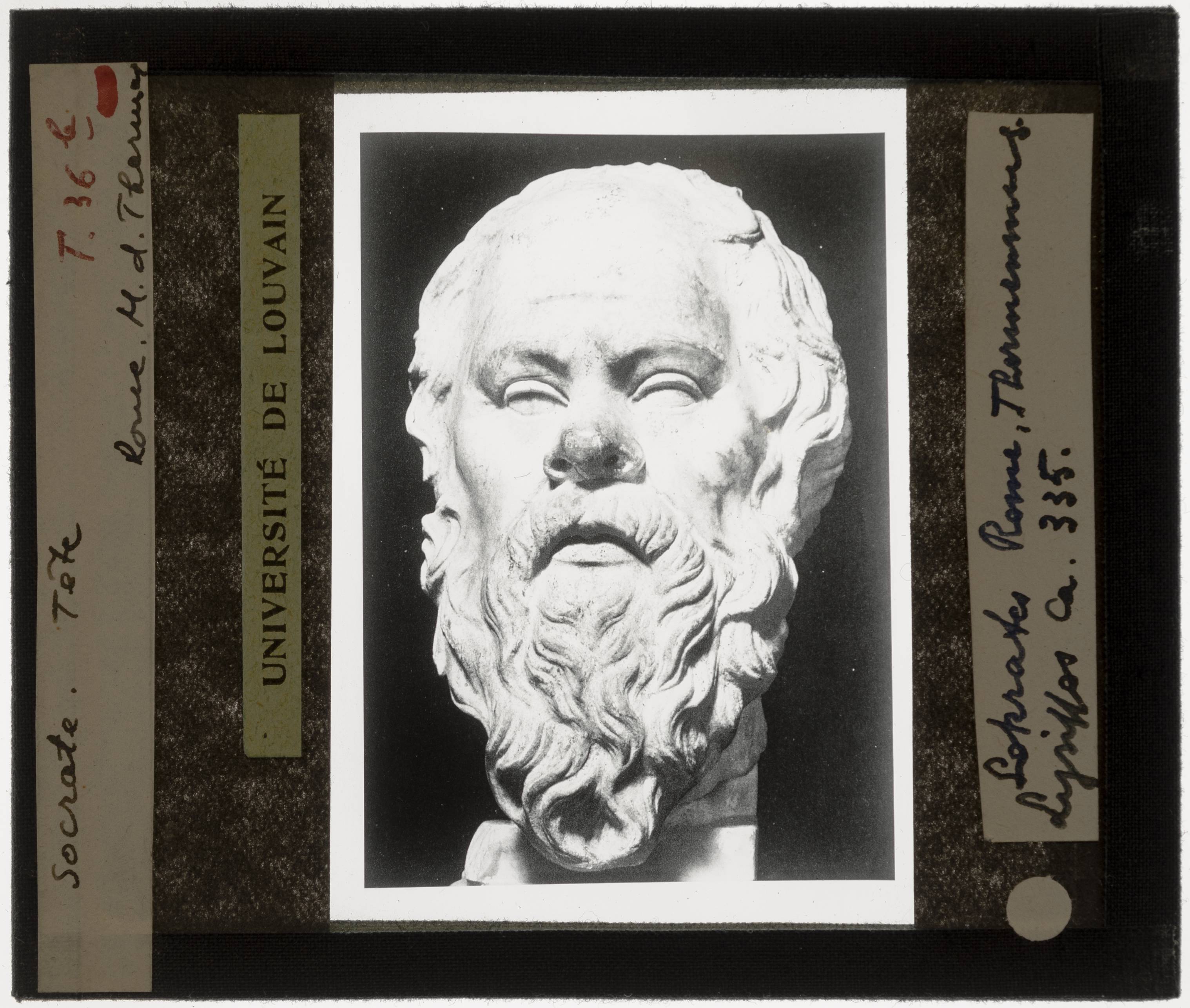
Roman Marble Bust of Socrates
between 1839 and 1939
Ready when you are
Start chatting with Socrates now.
20 messages free · No credit card · Available in 50+ languages.