


Secondary sourcePainting1787
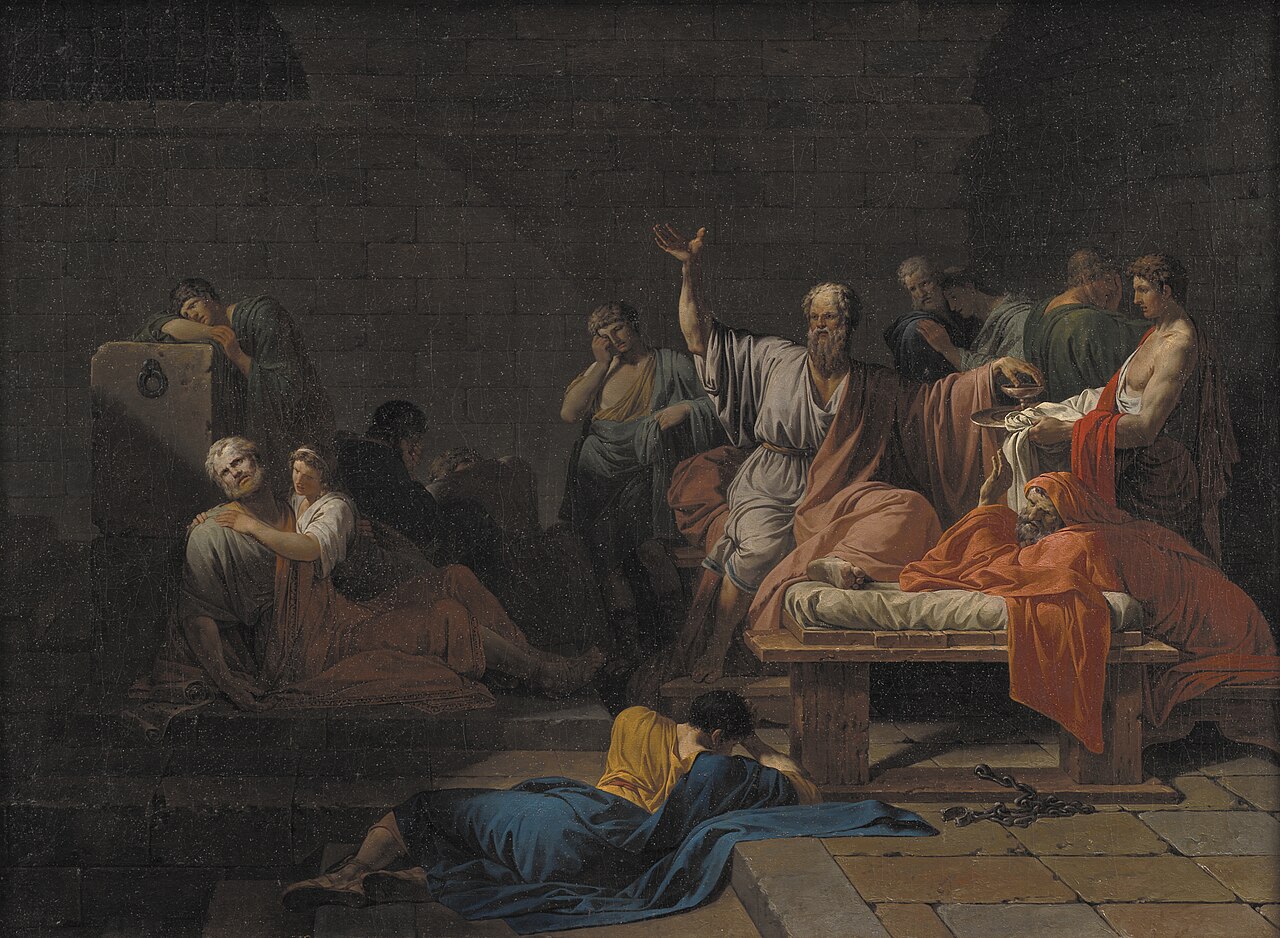
The Death of Socrates
Jean-François Pierre Peyron · 1787
A celebrated 1787 Neoclassical painting depicting Socrates's final moments before drinking the poison, surrounded by grieving friends and students.
Depicts the death of Socrates, the event that sealed his reputation as a philosopher who accepted his fate without fear.
About this source
What it is
Painted in 1787 by Jean-François Pierre Peyron, this work shows an elderly, bearded Socrates in a dim prison cell, raising one arm as a man in a red cloak offers him the cup of poison, while others around him weep.
Why it matters
This painting is one of the best-known artistic treatments of Socrates's death, a story drawn from Plato's writings describing the philosopher's final hours. It reflects how 18th-century artists used ancient Greek history to express ideas about virtue, reason, and dying with dignity.
Look closer
- What details in the painting show that this is meant to be a dignified, calm death rather than a violent one?
- Why might the artist have shown some figures weeping while Socrates himself appears calm?
- What choices did the painter make about light, pose, and setting to guide our emotions?
This painting is part of the curated material that grounds the AI version of Socrates on Humy.ai — when students ask about related events, the AI can quote it and cite it.
More Socrates sources
Meet the AI Socrates →Secondary source
Apology
Plato · c. 395 BC
 Painting
Secondary source
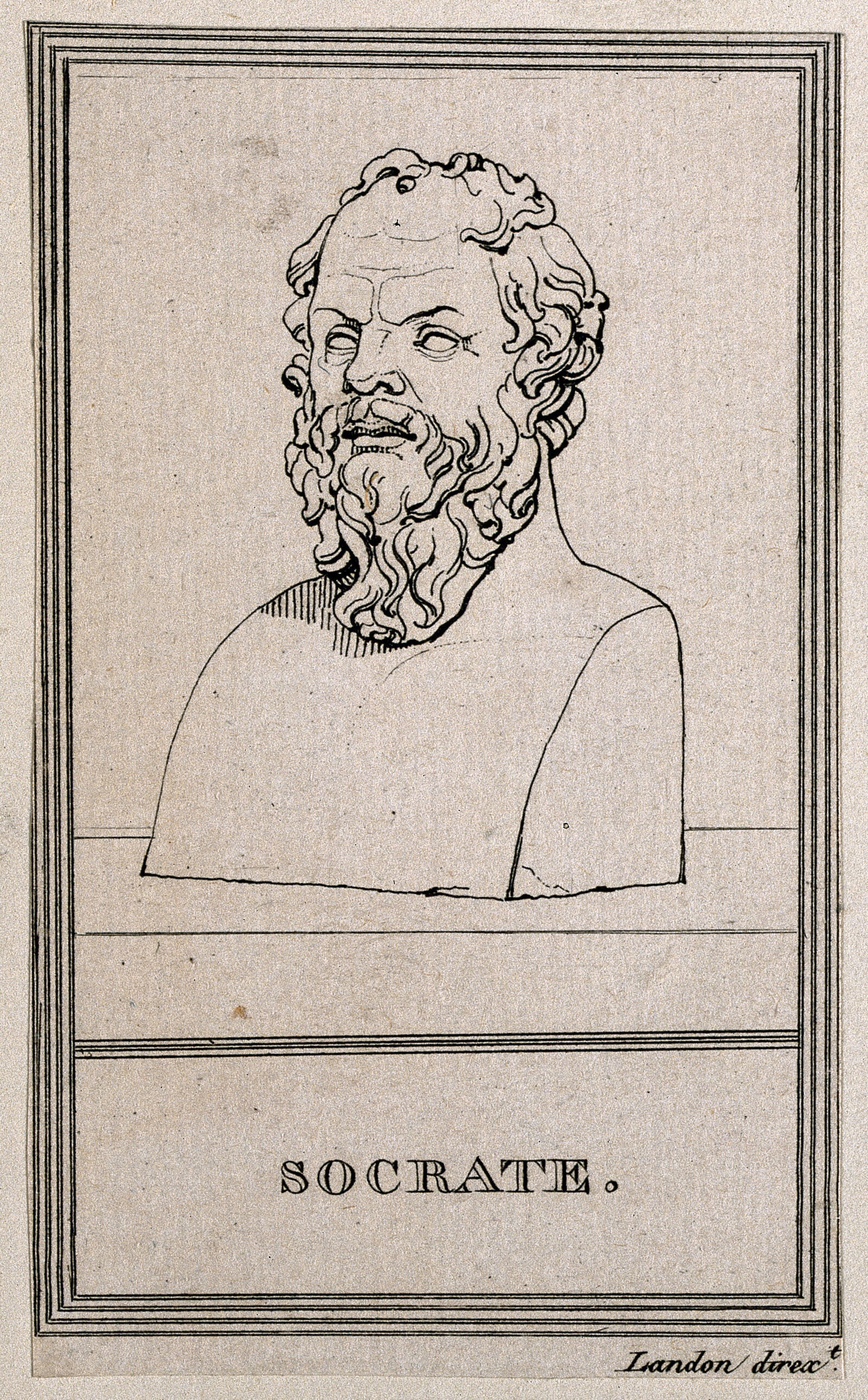
Line Engraving of Socrates by Landon
Charles Paul Landon
 Book
Secondary source
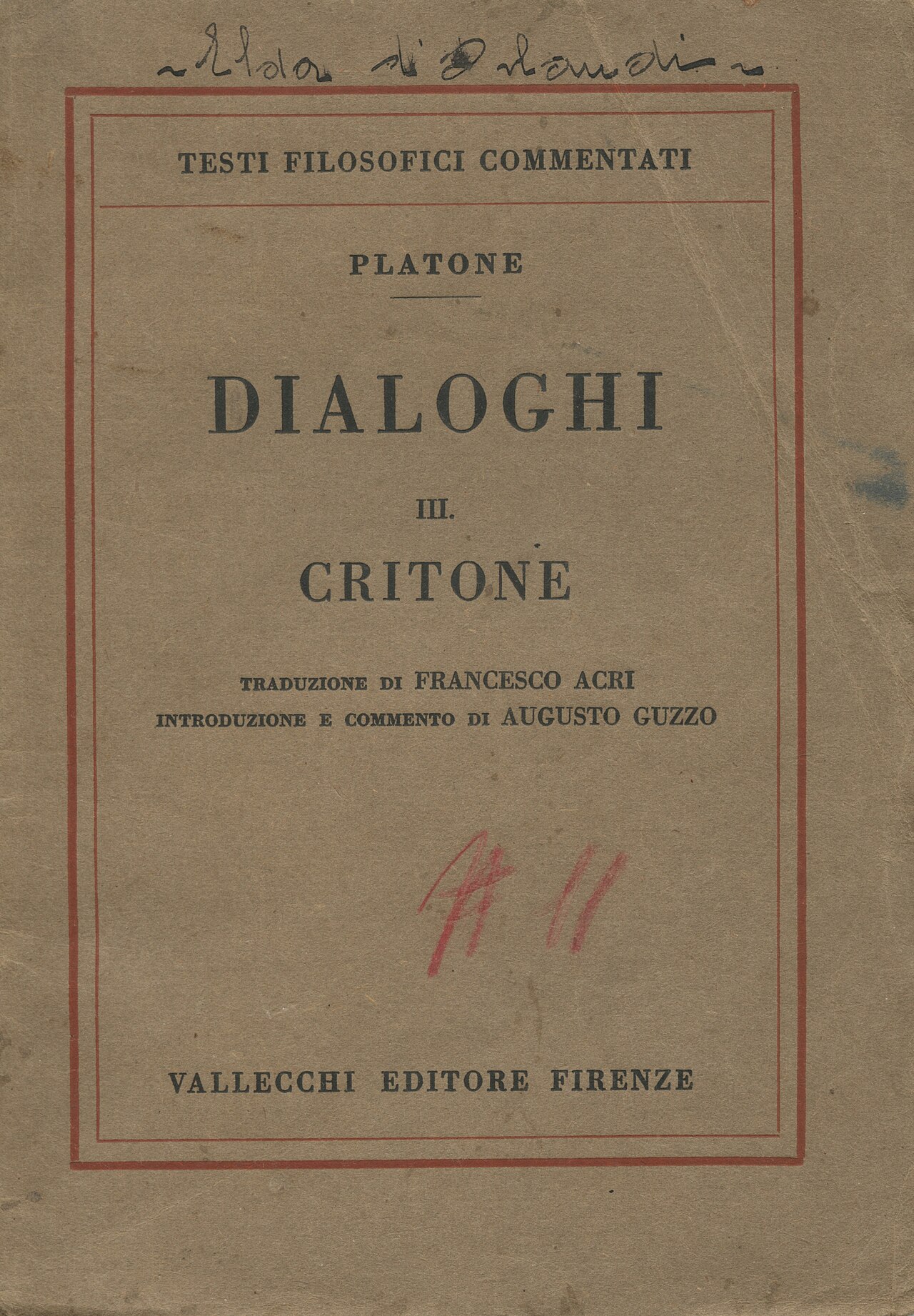
Crito
Plato · c. 400 BC
 Painting
Secondary source
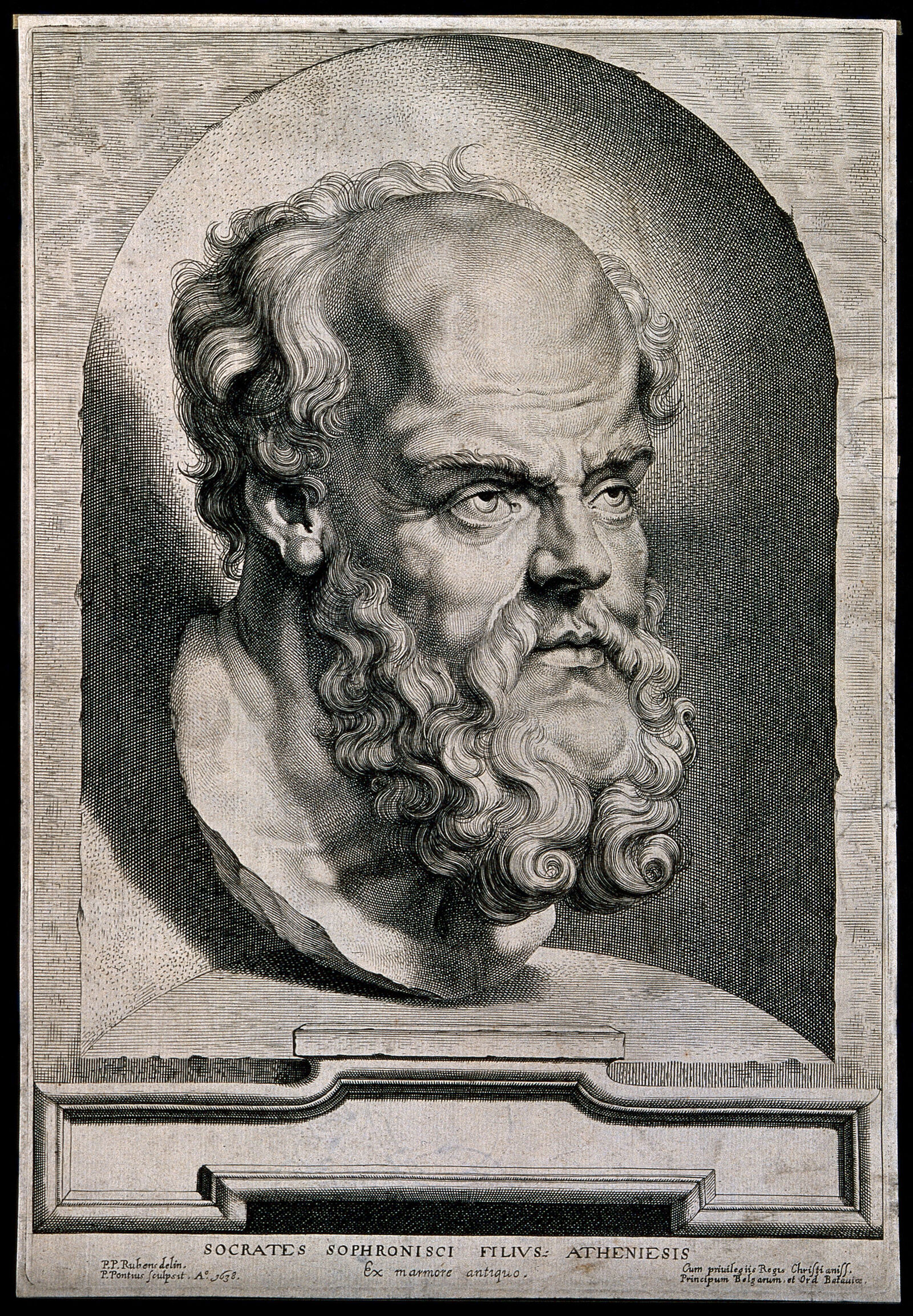
Socrates Engraving after Rubens by Pontius
Peter Paul Rubens · 1638
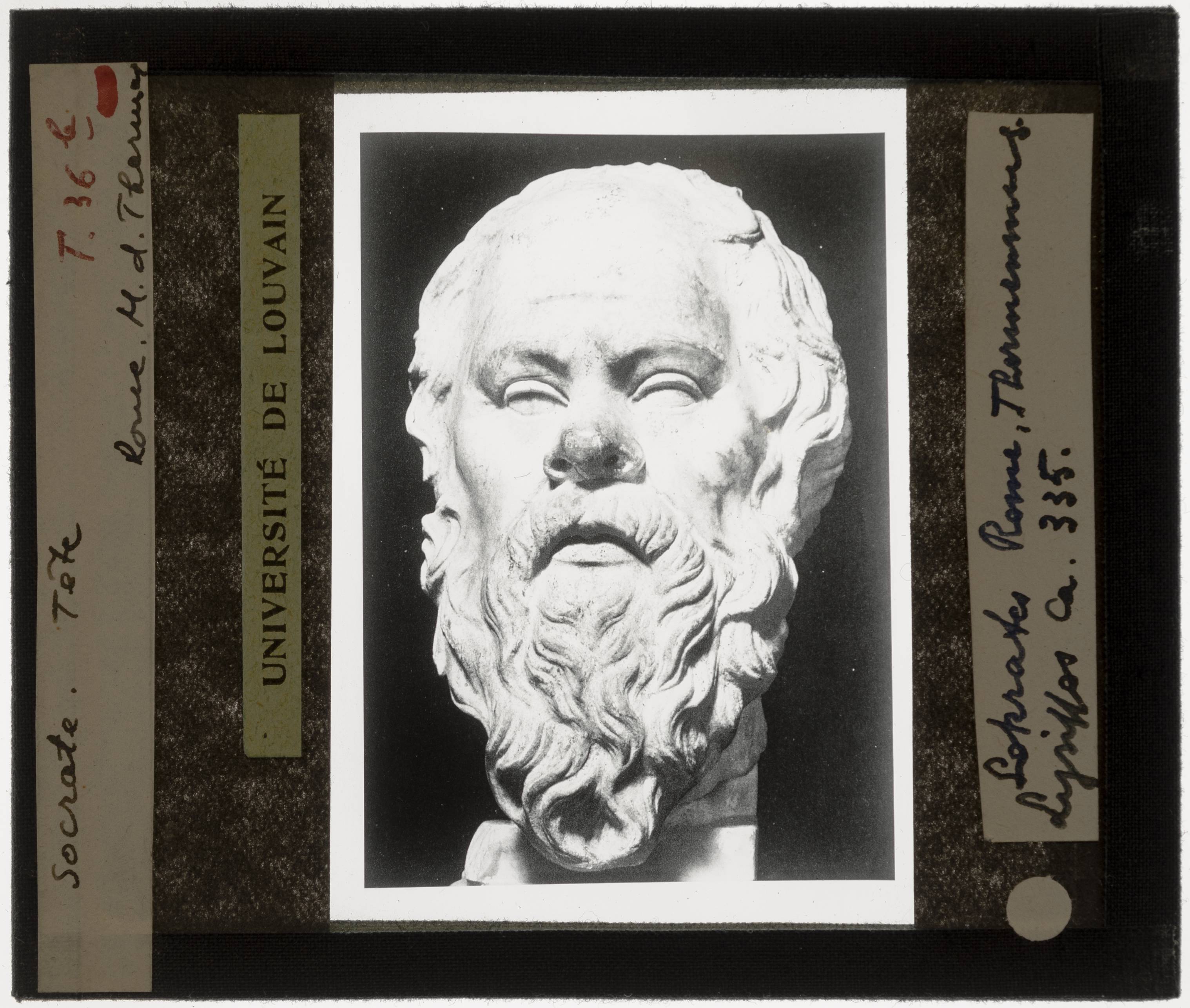 Photograph
Secondary source
Roman Marble Bust of Socrates
between 1839 and 1939
Ready when you are
Start chatting with Socrates now.
20 messages free · No credit card · Available in 50+ languages.