


Secondary sourcePainting1786
The Death of Socrates (Peyron)
Jean-François Pierre Peyron · 1786
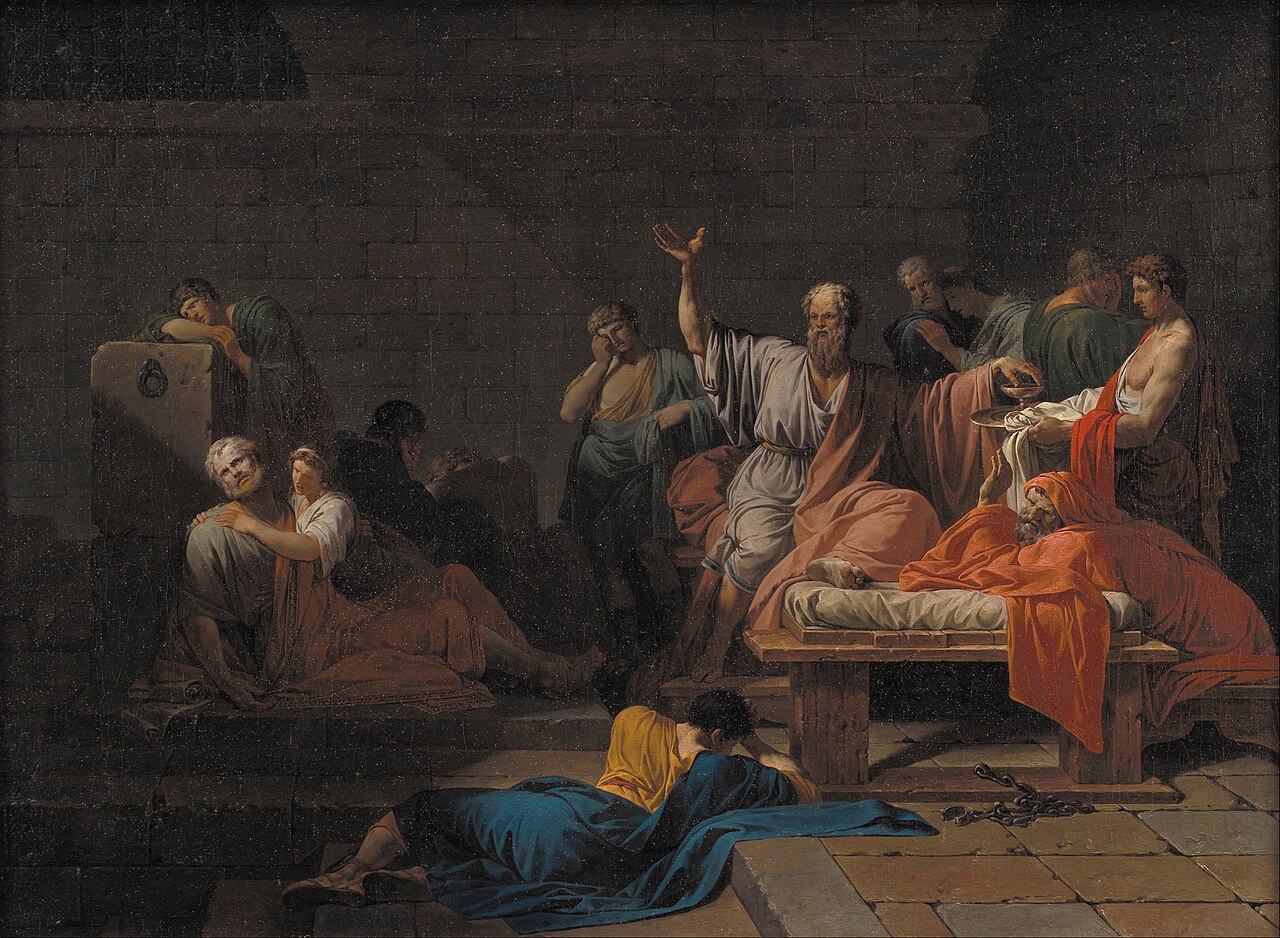
Jean-François Pierre Peyron's 1786 painting imagining the prison cell where Socrates drank poison surrounded by grieving followers.
This painting imagines Socrates' final hours in prison, shaping how later audiences pictured his death.
About this source
What it is
This is an oil painting made in 1786 by the French painter Jean-François Pierre Peyron, now held at the Statens Museum for Kunst. It shows a dim prison cell where a condemned man sits on a draped bed, surrounded by mourning companions, with a cup and chains visible nearby.
Why it matters
Painted the same year as a rival version by Jacques-Louis David, this work shows how 18th-century French artists competed to depict Socrates' death as described in Plato's Phaedo. Comparing the two versions reveals how artists chose different details and emotional tones to interpret the same ancient story just before the French Revolution.
Look closer
- What mood does the dim, enclosed setting create compared to other versions of this scene?
- Why might the artist show some figures weeping openly while Socrates stays calm?
- What has the artist added that is not in any ancient text?
This painting is part of the curated material that grounds the AI version of Socrates on Humy.ai — when students ask about related events, the AI can quote it and cite it.
More Socrates sources
Meet the AI Socrates →Secondary source
Apology
Plato · c. 395 BC
 Painting
Secondary source
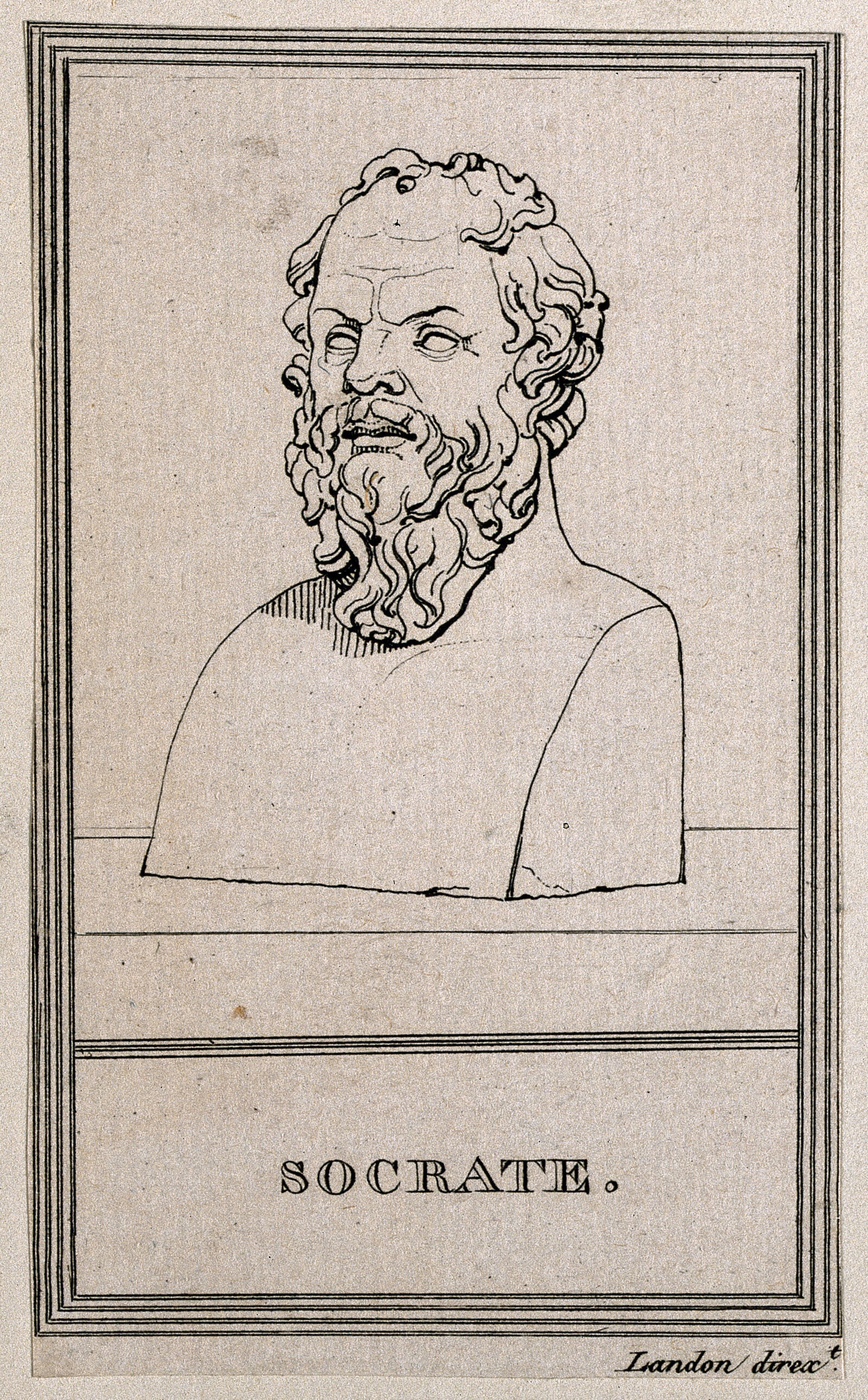
Line Engraving of Socrates by Landon
Charles Paul Landon
 Book
Secondary source
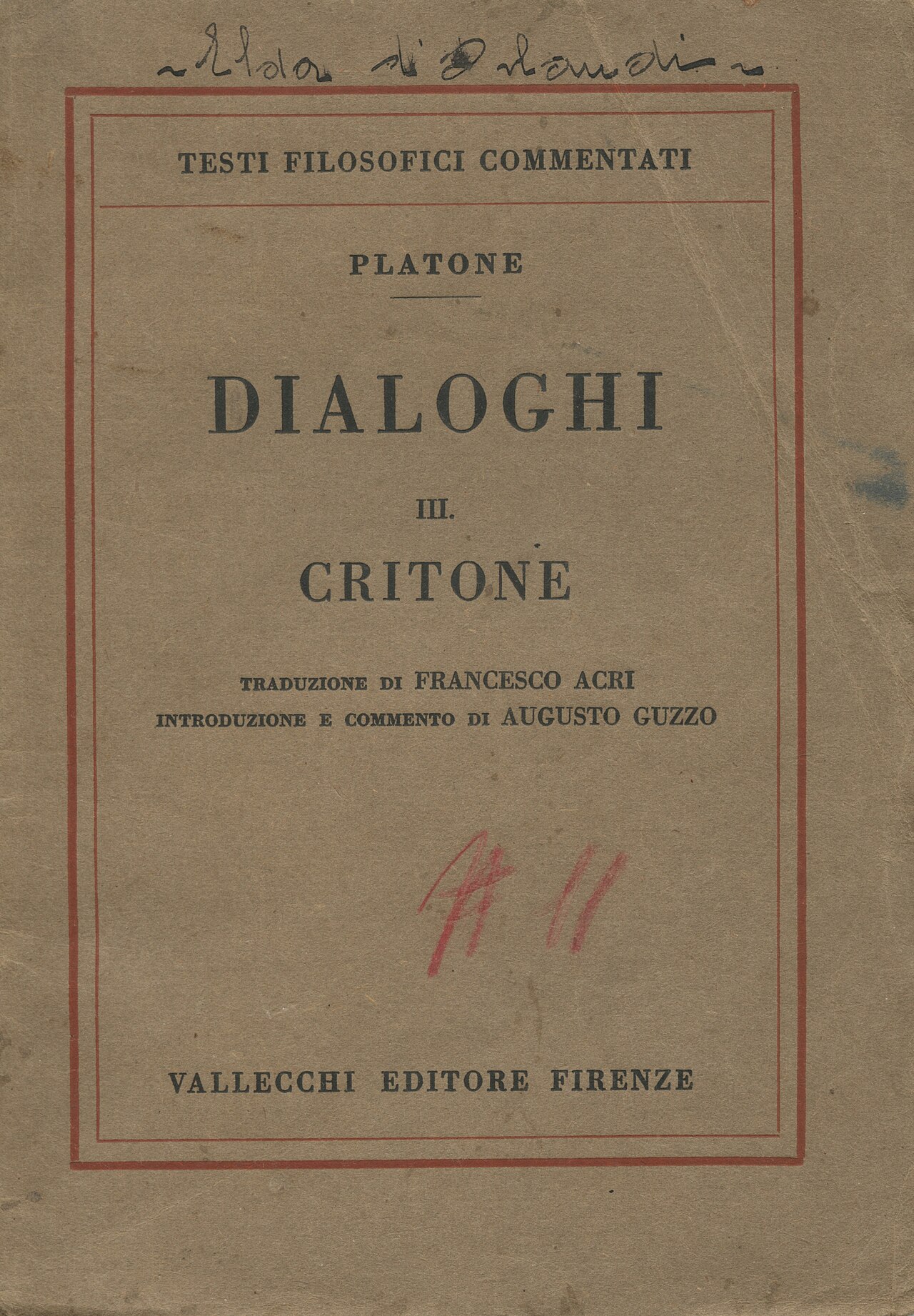
Crito
Plato · c. 400 BC
 Painting
Secondary source
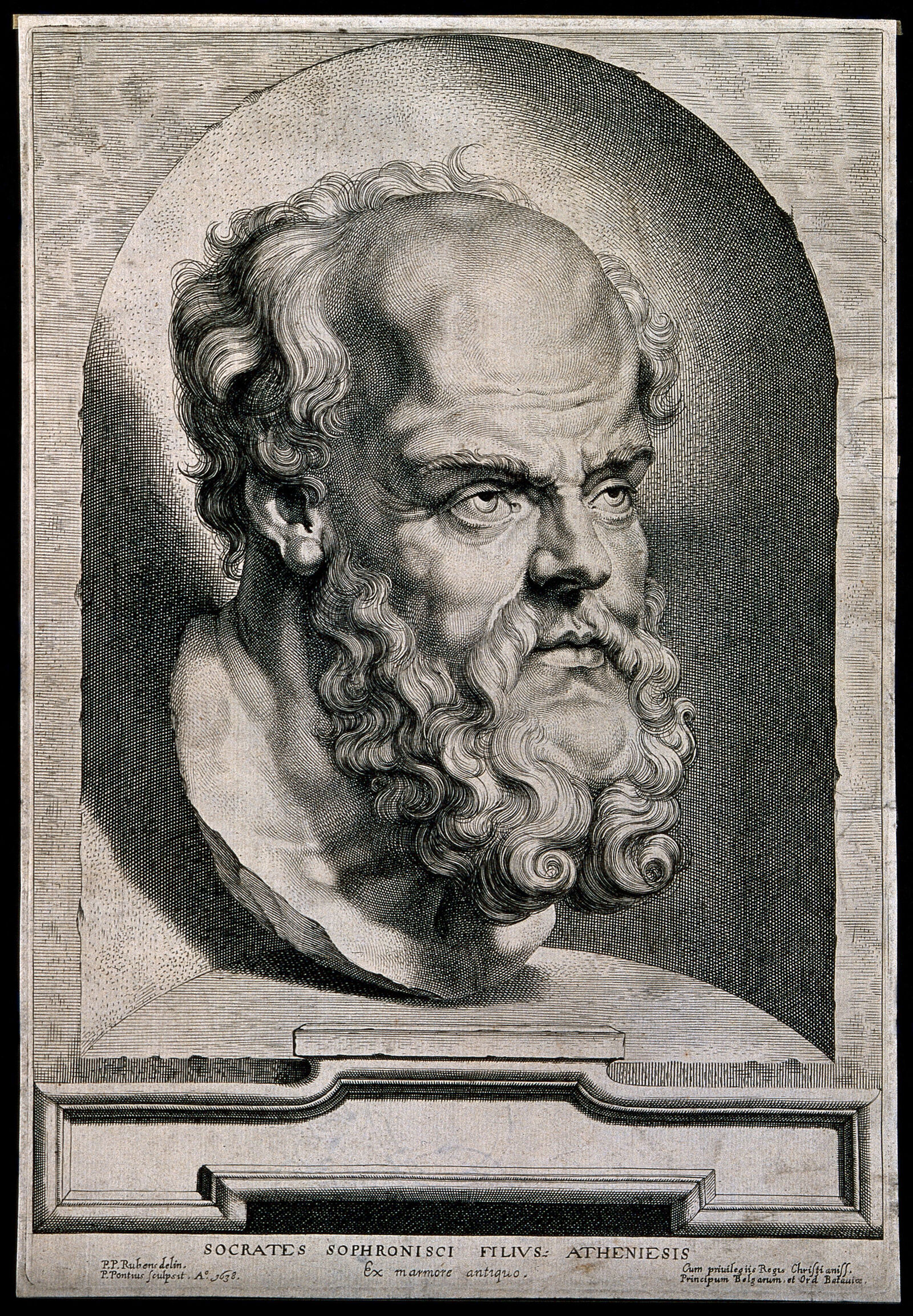
Socrates Engraving after Rubens by Pontius
Peter Paul Rubens · 1638
 Photograph
Secondary source
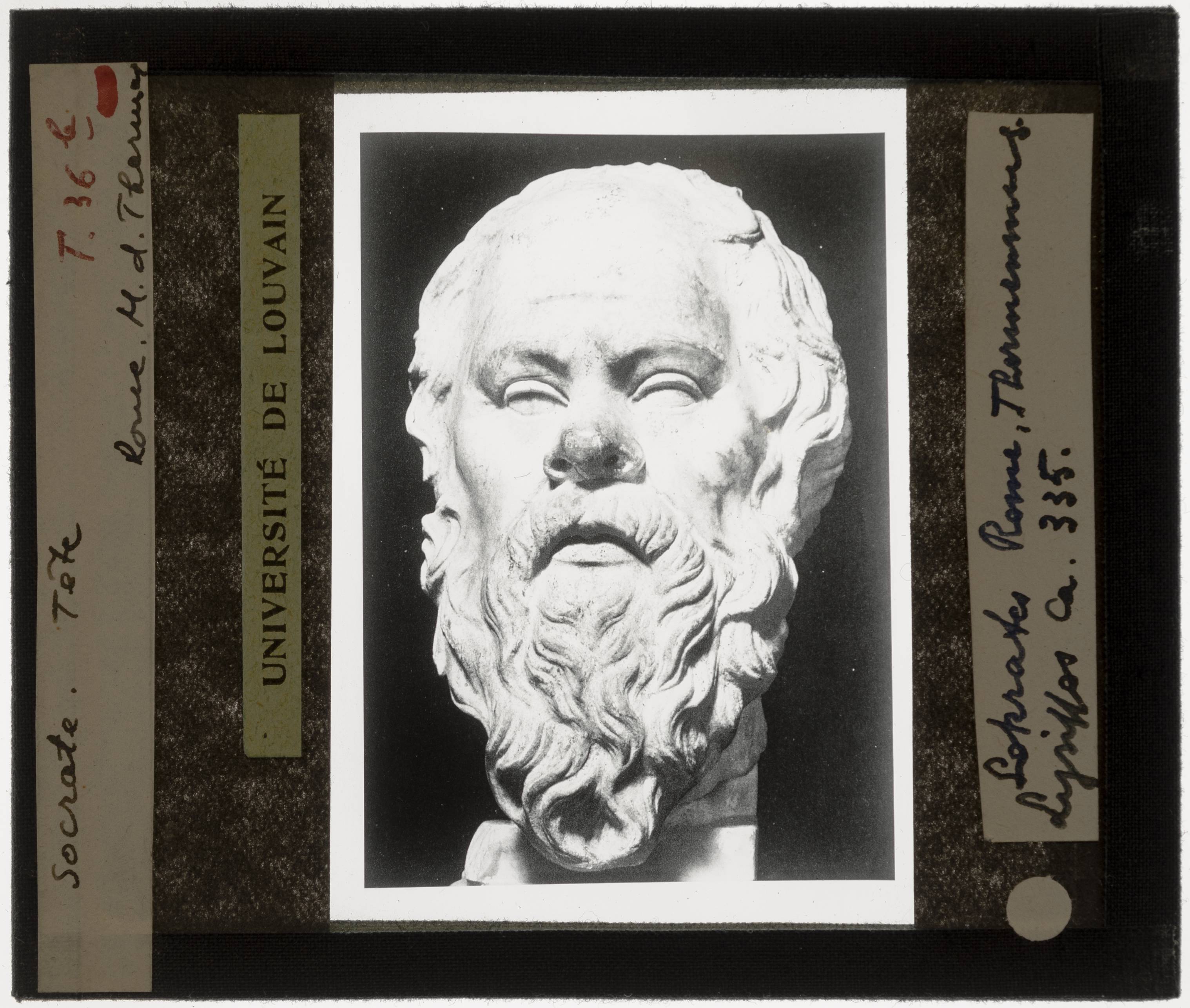
Roman Marble Bust of Socrates
between 1839 and 1939
Ready when you are
Start chatting with Socrates now.
20 messages free · No credit card · Available in 50+ languages.