


Primary sourceBook1647
The Description of the Human Body
René Descartes · 1647
Descartes's unfinished late treatise on human physiology, left incomplete at his death and later edited for publication.
This unfinished treatise shows Descartes pursuing mechanistic physiology up to the end of his life.

About this source
What it is
Written by René Descartes in 1647, this unfinished treatise sets out a mechanistic account of the human body. It survives only in incomplete form; the editor Clerselier later organized and published it from Descartes's manuscript and notes, numbering it into articles.
Why it matters
This work shows Descartes was still developing his mechanistic view of the body and medicine near the end of his life. That his editor had to reconstruct its structure from unfinished notes reveals how much of his late work reached readers only through others' efforts after his death.
Look closer
- Why might a thinker leave such an important work unfinished?
- What problems arise when an editor has to guess how an author intended to organize unfinished notes?
- What does this text suggest about Descartes's view of the human body compared to his philosophical writings?
This book is part of the curated material that grounds the AI version of Rene Descartes on Humy.ai — when students ask about related events, the AI can quote it and cite it.
More Rene Descartes sources
Meet the AI Rene Descartes →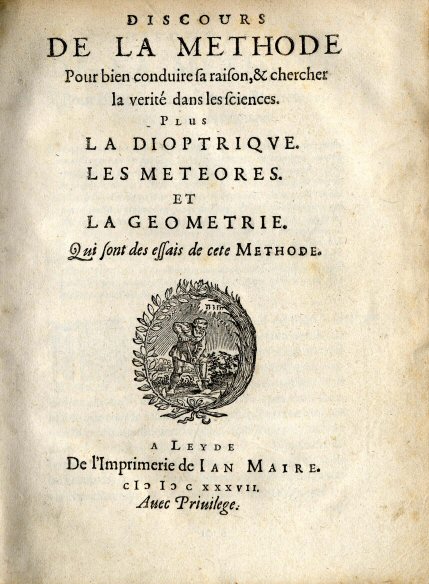 Book
Primary source
Discourse on the Method
René Descartes · 1637
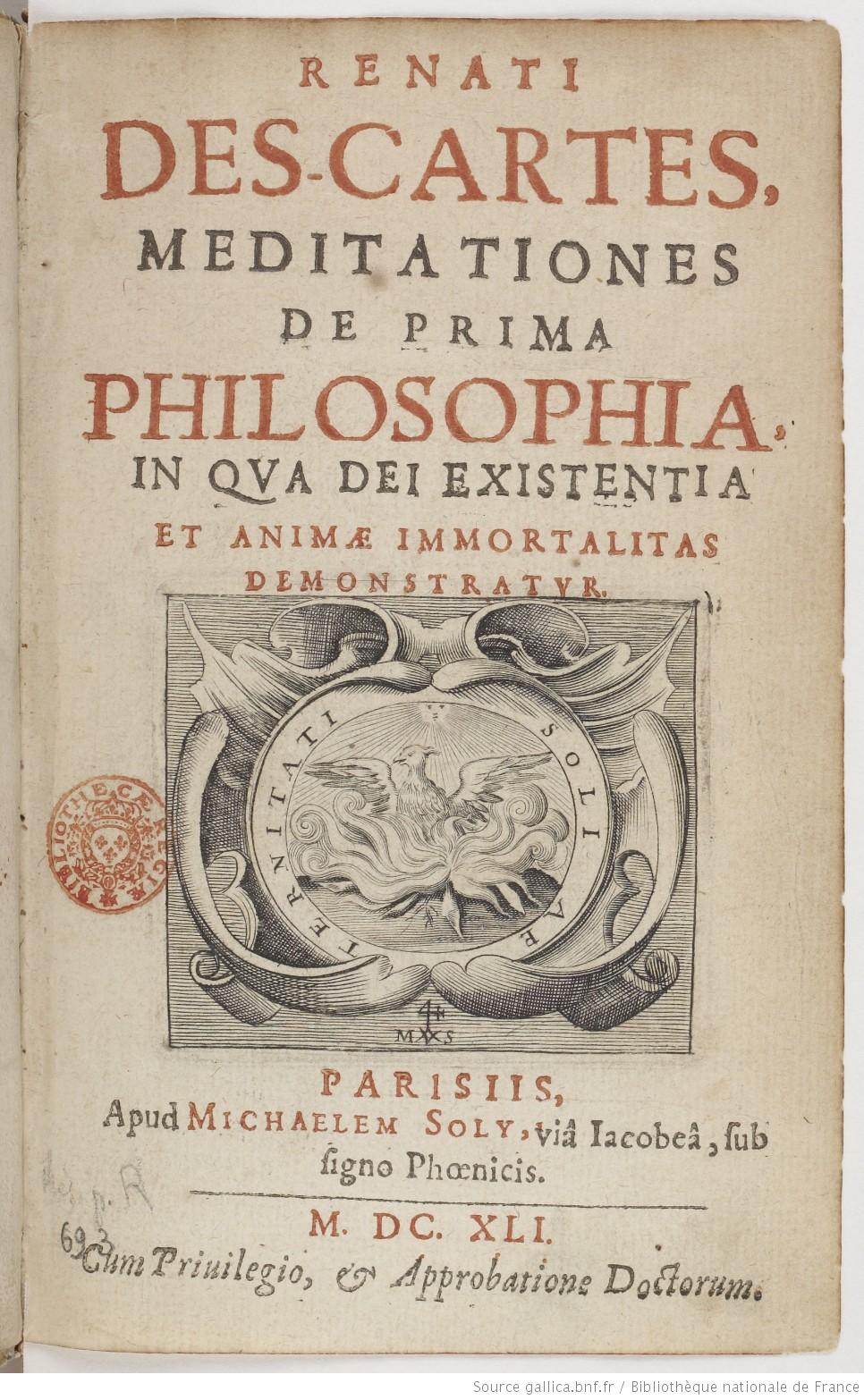 Book
Primary source
Meditations on First Philosophy
René Descartes · 1641
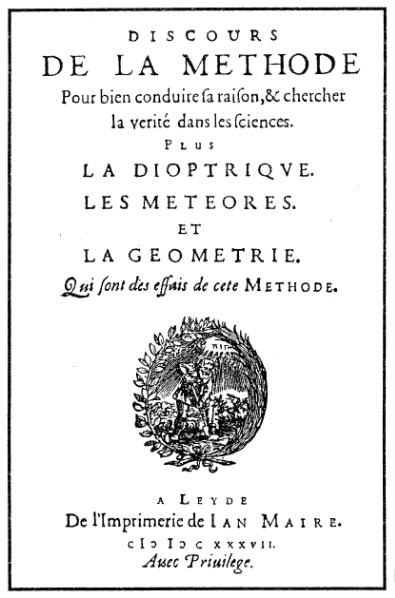 Document
Primary source
La Géométrie
René Descartes · 1637
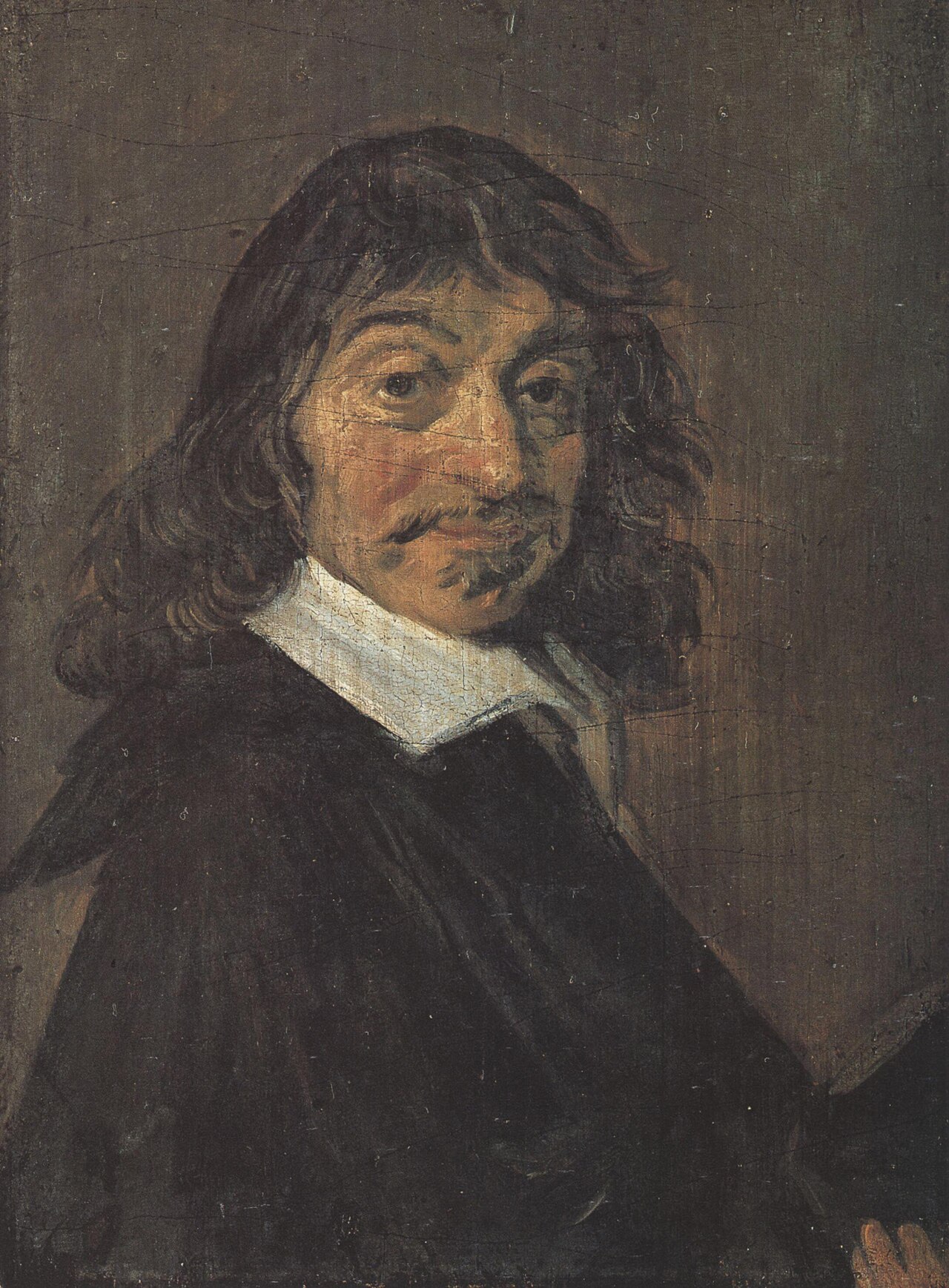 Painting
Primary source
Portrait of René Descartes
Frans Hals · 1649
 Book
Primary source
Principles of Philosophy
René Descartes · 1644
Ready when you are
Start chatting with Rene Descartes now.
20 messages free · No credit card · Available in 50+ languages.