


Secondary sourceNewspaper article1882
The Development of the Senses
Robert W. Lovett · 1882
A popular 1882 magazine article by Robert W. Lovett that explains Democritus's theory that the senses are modifications of touch. It shows how later scientists were said to support his idea.
Lovett's article explains Democritus's theory of the senses, which is why it appears in his archive as a later study of his ideas.
Free Humy account · No credit card · 120,912 sources to read
About this source
What it is
This is an article by Robert W. Lovett, published in Popular Science Monthly in 1882. It explains a theory of Democritus, the Greek philosopher, that the senses of sight, hearing, smell and taste are only modifications of the sense of touch.
Lovett writes that Aristotle ridiculed the theory, so it lay untouched for about two thousand years until Telesius, a sixteenth-century Italian, revived it. He also argues that modern embryology and zoology tend to confirm the idea. In the embryo, the organs of these four senses first appear as infoldings of the outer germinal layer, the ectoderm.
Why it matters
The article shows how an idea from the fifth century BCE was discussed again in the nineteenth century, when scientists studied how animals develop before birth. It links Democritus with Aristotle, who rejected his view, and with Telesius, who brought it back. Readers can see how a theory about the senses was judged against new science.
Because it is a popular explanation written for a general audience, it presents Democritus's idea in simple terms rather than in his own words.
Look closer
- What evidence does Lovett use to support Democritus, and how does he connect the development of an embryo to the history of the race?
- Why does Lovett think the theory was ignored for two thousand years?
- What does the article leave out about Democritus's own writings or about the other senses?
This newspaper article is part of the curated material that grounds the AI version of Democritus on Humy.ai — when students ask about related events, the AI can quote it and cite it.
More Democritus sources
Browse all 93 →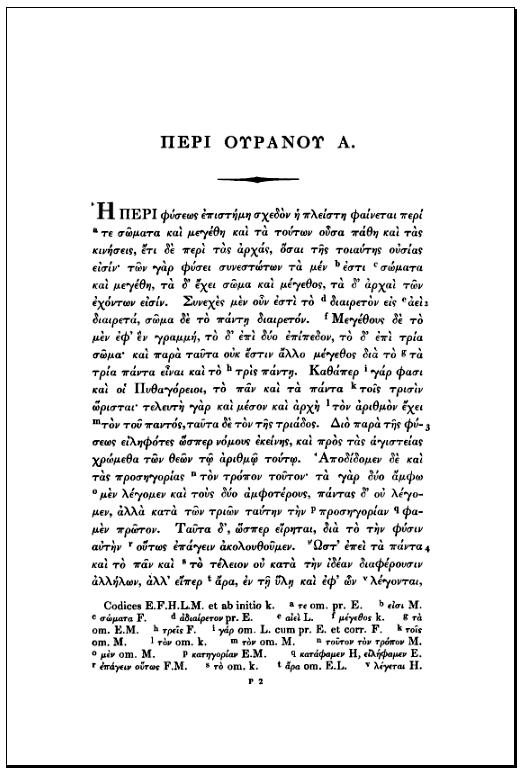

Ready when you are
Start chatting with Democritus now.
20 messages free · No credit card · Available in 50+ languages.