


Primary sourcePainting1819–1823
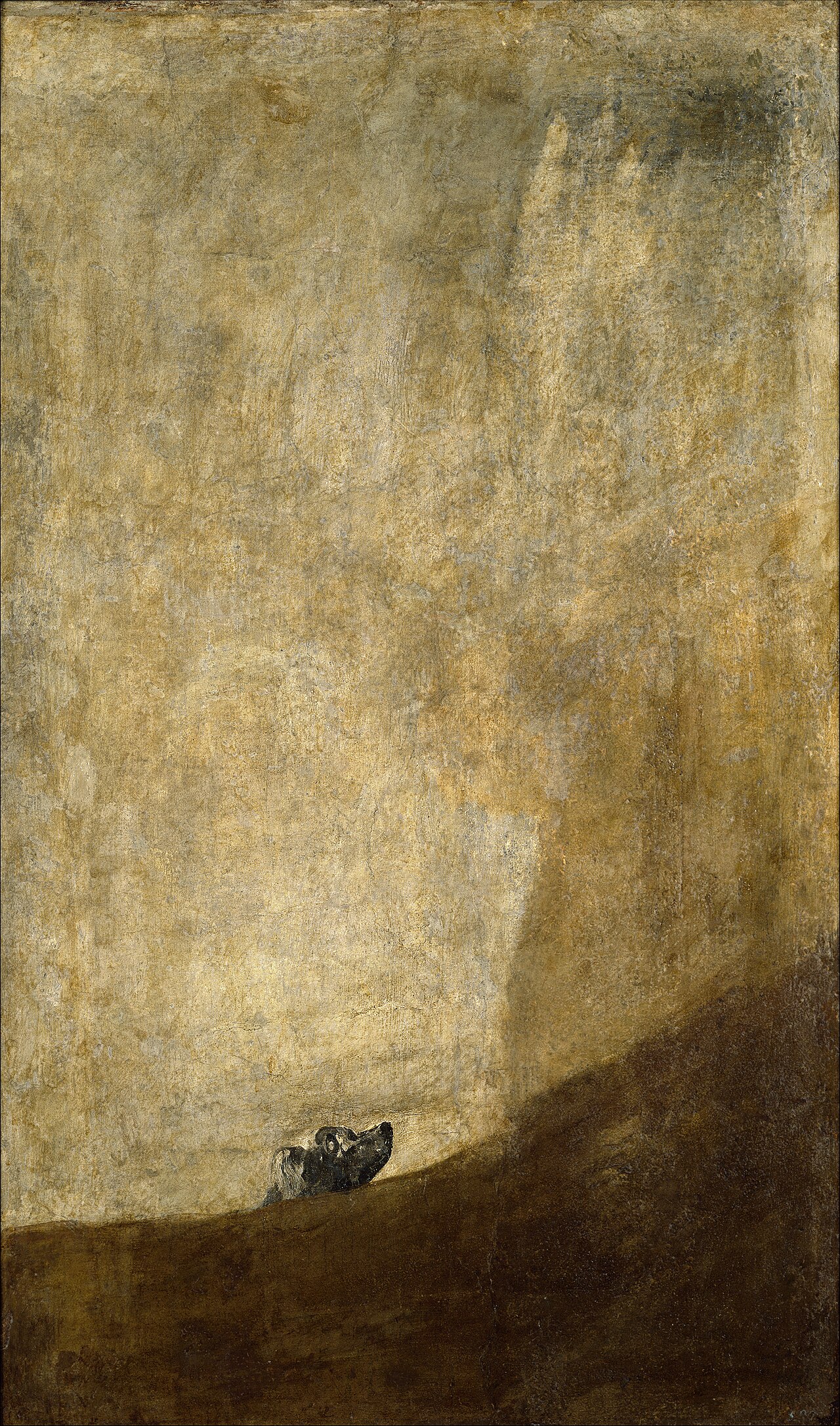
The Dog
Francisco Goya · 1819–1823
One of Goya's late 'Black Paintings', showing the head of a dog nearly swallowed by darkness, painted directly onto the walls of his house.
Goya painted this haunting image directly on his own house walls in old age, reflecting his isolation and declining health.
About this source
What it is
Known as The Dog (El Perro), this painting by Francisco Goya dates from around 1819–1823 and was originally painted directly onto the wall of his house, the Quinta del Sordo, near Madrid. It is now in the Museo del Prado.
Why it matters
It is one of Goya's Black Paintings, made privately in his seventies while he lived alone, deaf, and in poor health, during a time of civil conflict in Spain. He never intended these works for public display or gave them titles; they were named later by others. The image shows only a dog's head peering over a dark mass beneath a vast empty sky, and is often read as an expression of isolation, fear or hopelessness.
Look closer
- Why might Goya have left so much of the canvas empty?
- What feeling does the dog's upward gaze create, and why might viewers disagree about what it means?
- Why is it important to remember Goya never named or explained this painting himself?
This painting is part of the curated material that grounds the AI version of Francisco Goya on Humy.ai — when students ask about related events, the AI can quote it and cite it.
More Francisco Goya sources
Meet the AI Francisco Goya →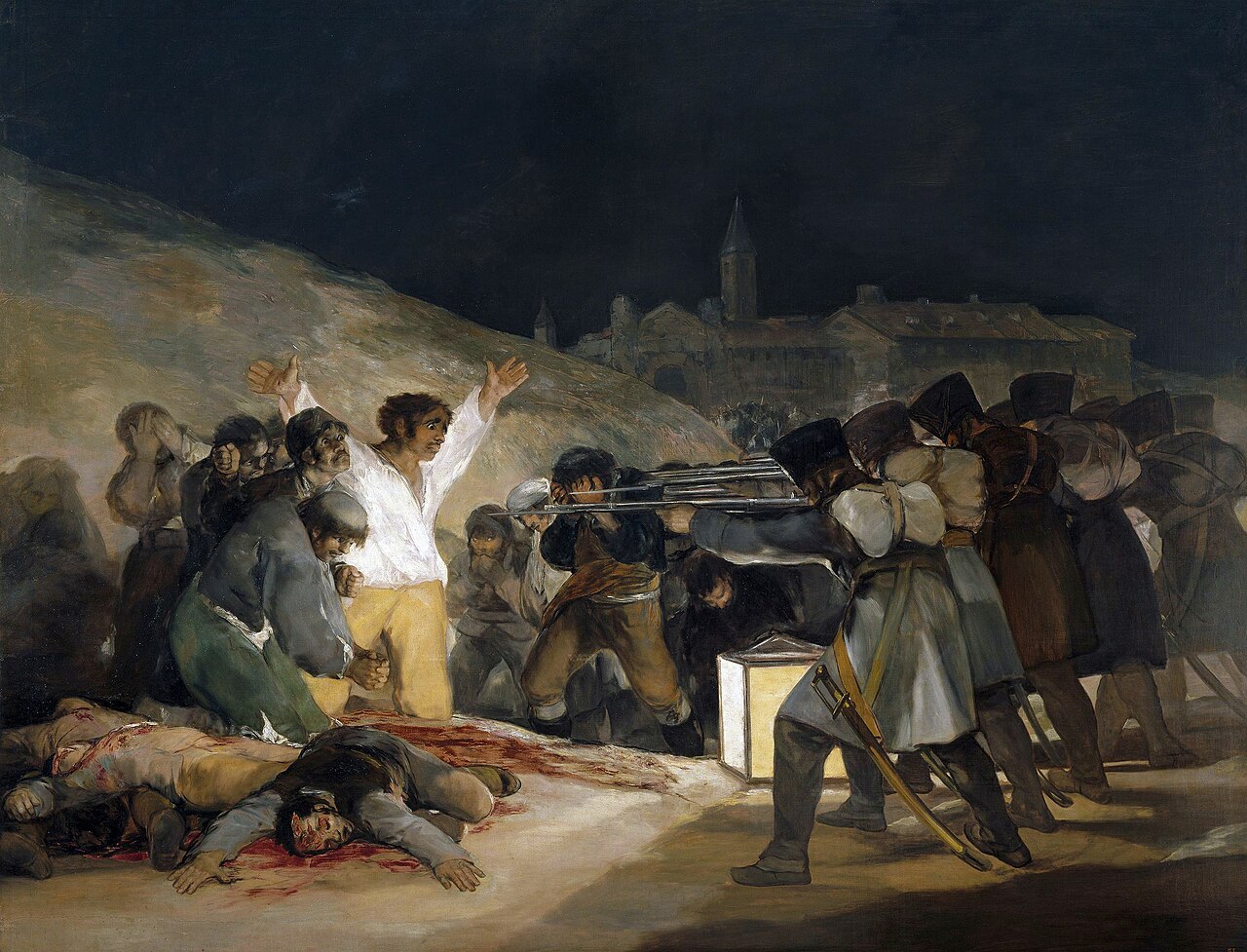 Painting
Secondary source
The Third of May 1808
Francisco Goya · 1814
 Painting
Primary source
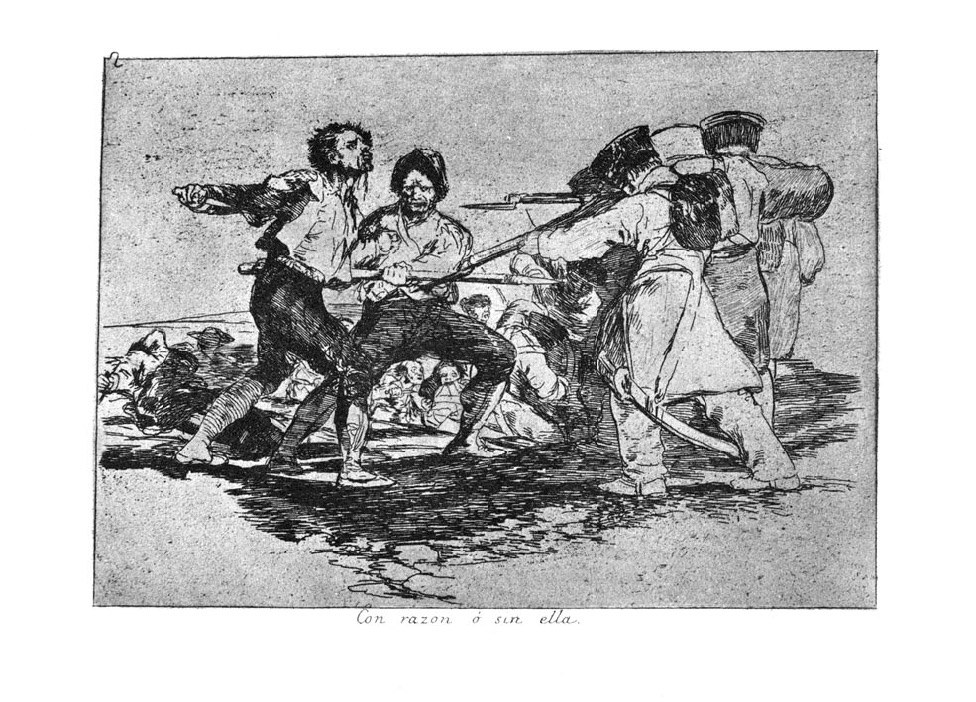
The Disasters of War
Francisco Goya · 1810-1820
 Painting
Primary source
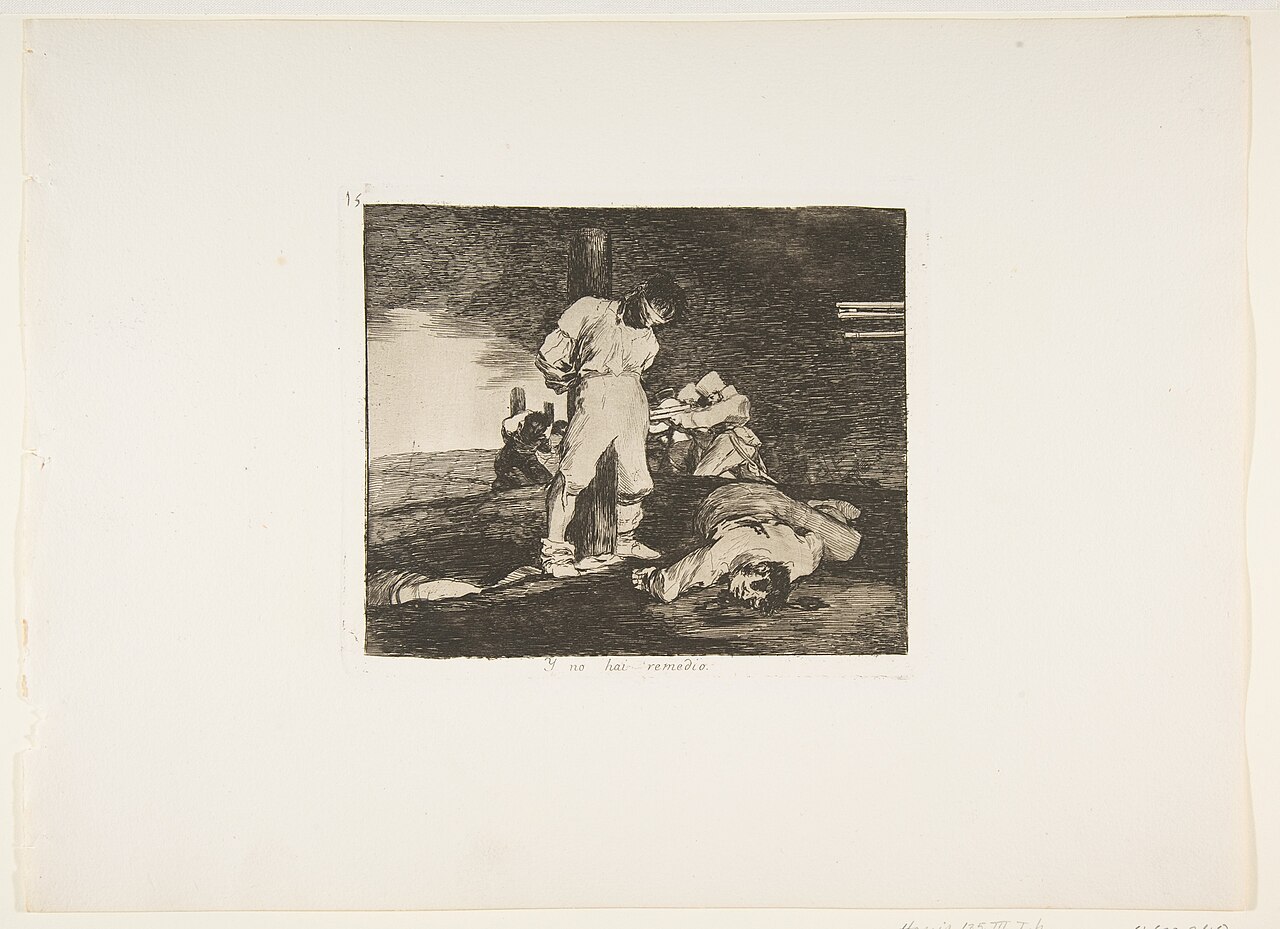
Y no hai remedio
Francisco de Goya · c. 1810-1814 (published 1863)
 Painting
Primary source
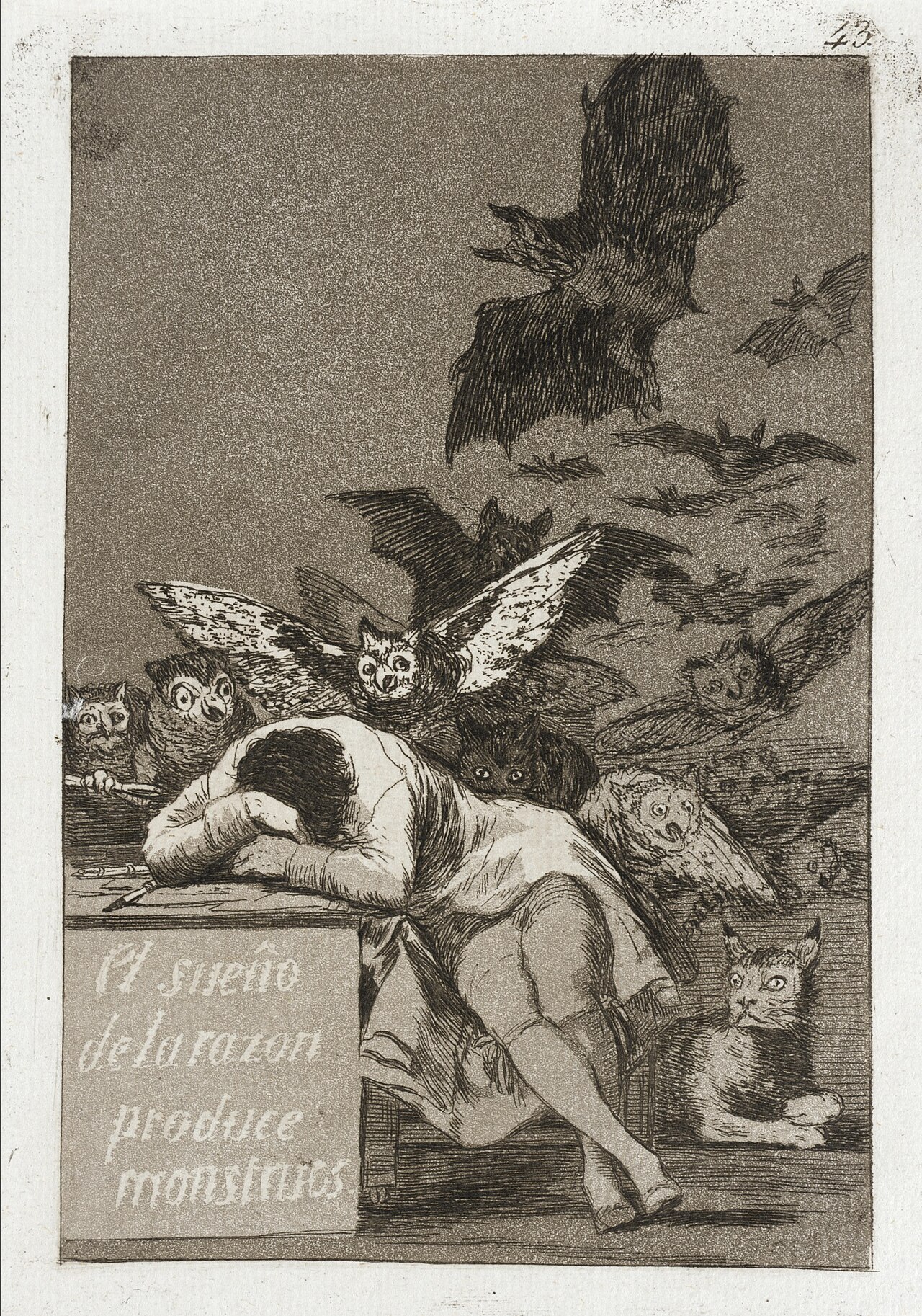
Caprichos
Francisco Goya · 1799 (created 1797-1798)
 Painting
Primary source
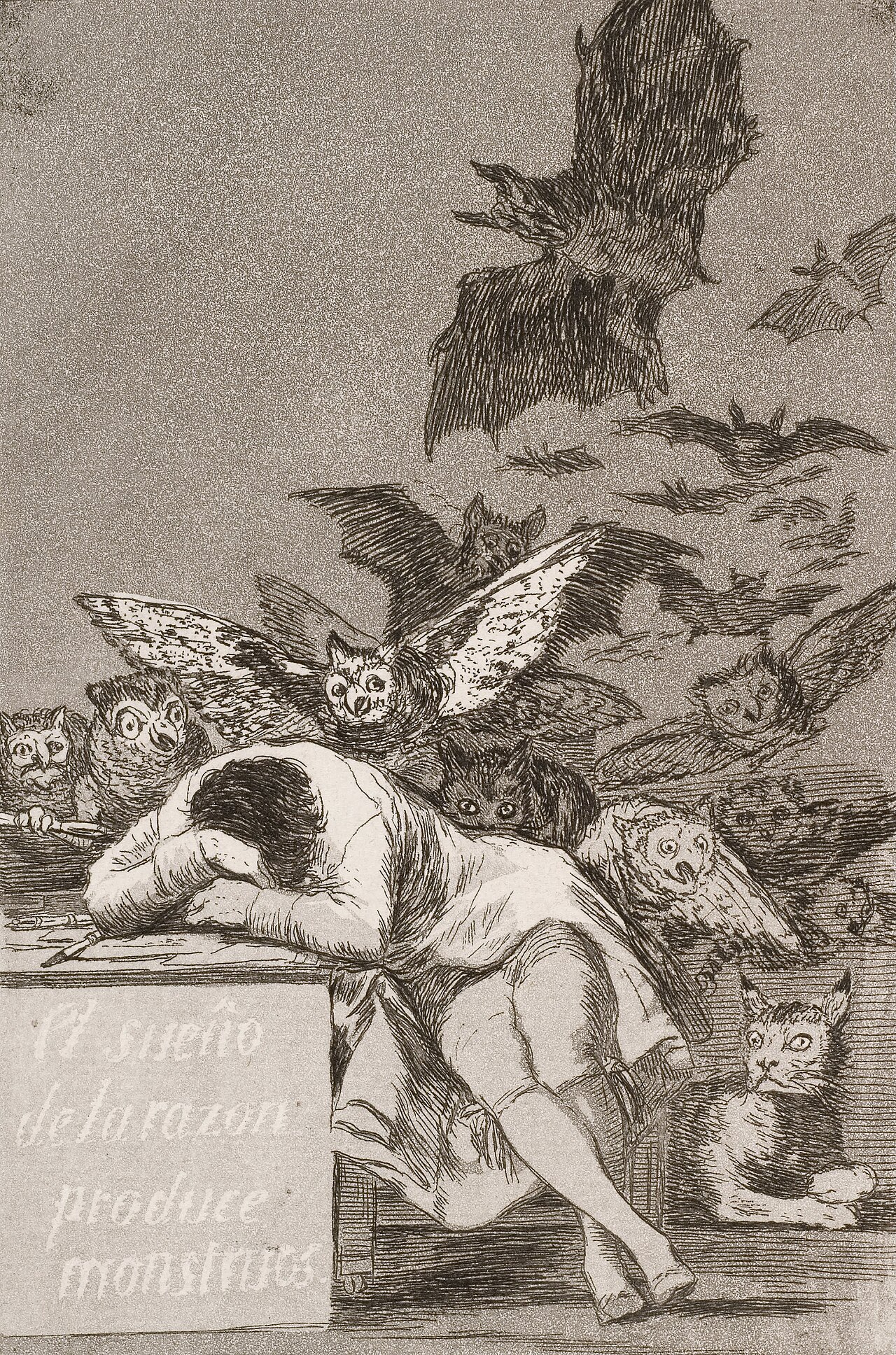
The Sleep of Reason Produces Monsters
Francisco Goya · 1797-1799
Ready when you are
Start chatting with Francisco Goya now.
20 messages free · No credit card · Available in 50+ languages.