


Primary sourcePainting1787
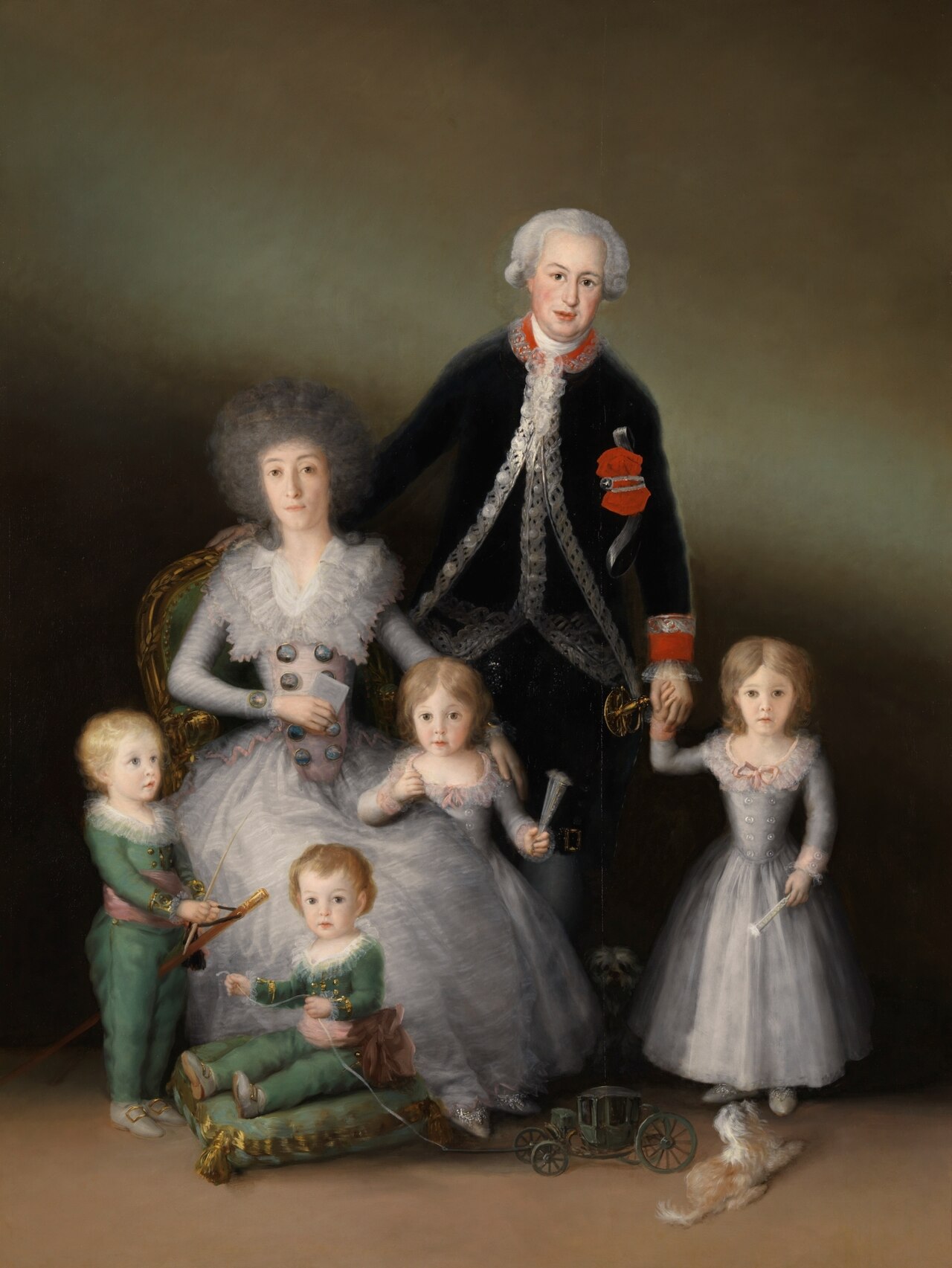
The Duke and Duchess of Osuna and their Children
Francisco Goya · 1787
Goya's 1787 family portrait of his most important private patrons, the Duke and Duchess of Osuna, with their children.
Goya painted this portrait of his most important patrons, the Osuna family, showing his role as their court painter.
About this source
What it is
This group portrait was painted by Francisco Goya in 1787. It shows Pedro Téllez-Girón, Duke of Osuna, and María Josefa Pimentel, Duchess of Osuna, with their children, dogs and toys. It is held in the Museo del Prado.
Why it matters
The Duke and Duchess were leading figures of the Spanish Enlightenment and among Goya's most important patrons, commissioning several works from him. The painting's pyramidal composition, influenced by earlier painters such as Mengs and Velázquez, places the Duke at the top, showing the social hierarchy of the family. Goya adds small human touches, like a child's toy carriage and a dog, that bring the formal scene to life.
Look closer
- How does the arrangement of the figures show who held the most status in the family?
- What do the children's poses and objects tell you about their roles?
- Why might a wealthy family want a portrait like this, and what does it leave out about their everyday lives?
This painting is part of the curated material that grounds the AI version of Francisco Goya on Humy.ai — when students ask about related events, the AI can quote it and cite it.
More Francisco Goya sources
Meet the AI Francisco Goya →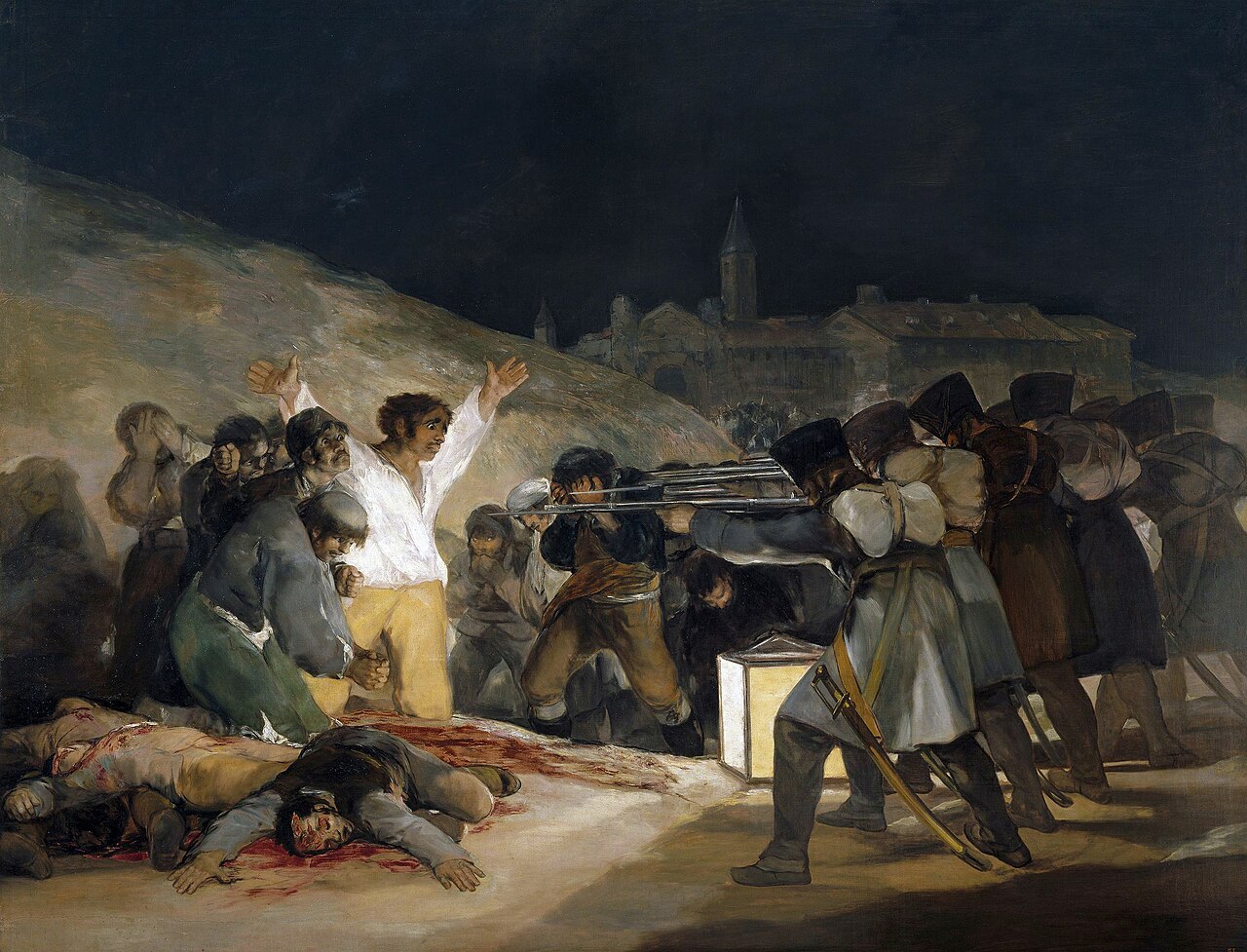 Painting
Secondary source
The Third of May 1808
Francisco Goya · 1814
 Painting
Primary source
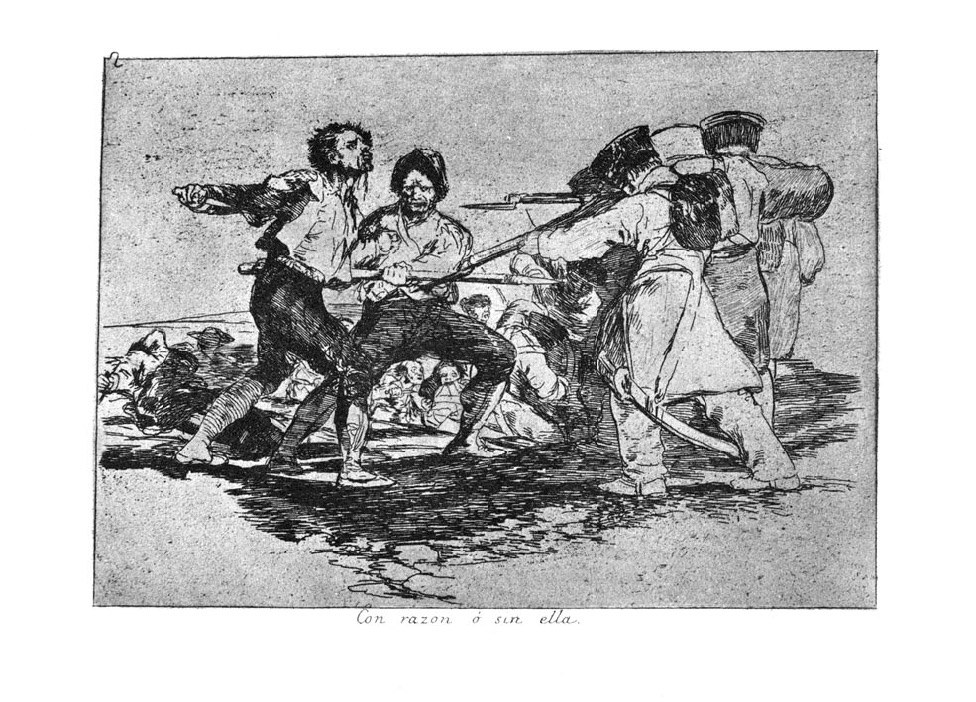
The Disasters of War
Francisco Goya · 1810-1820
 Painting
Primary source
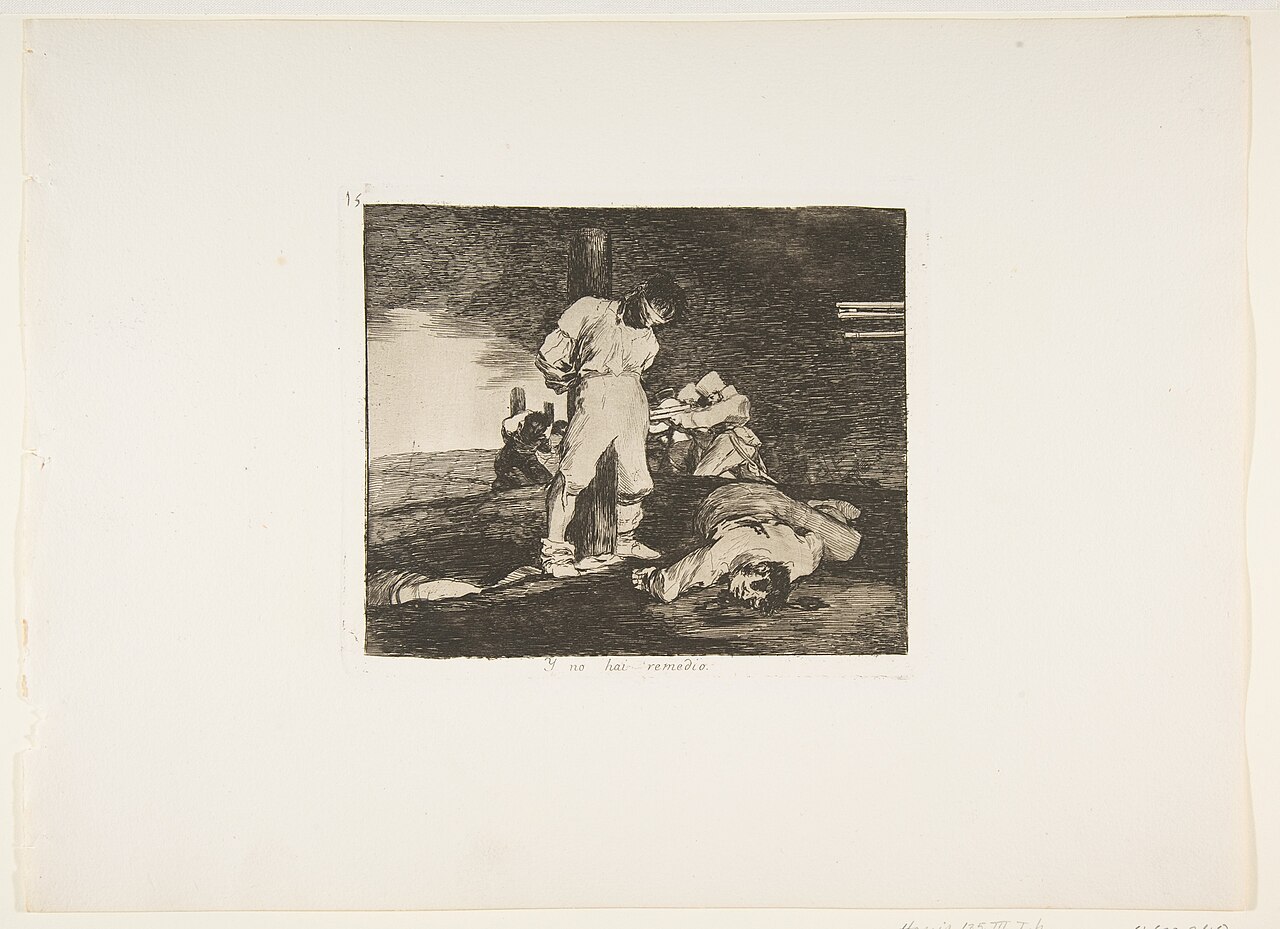
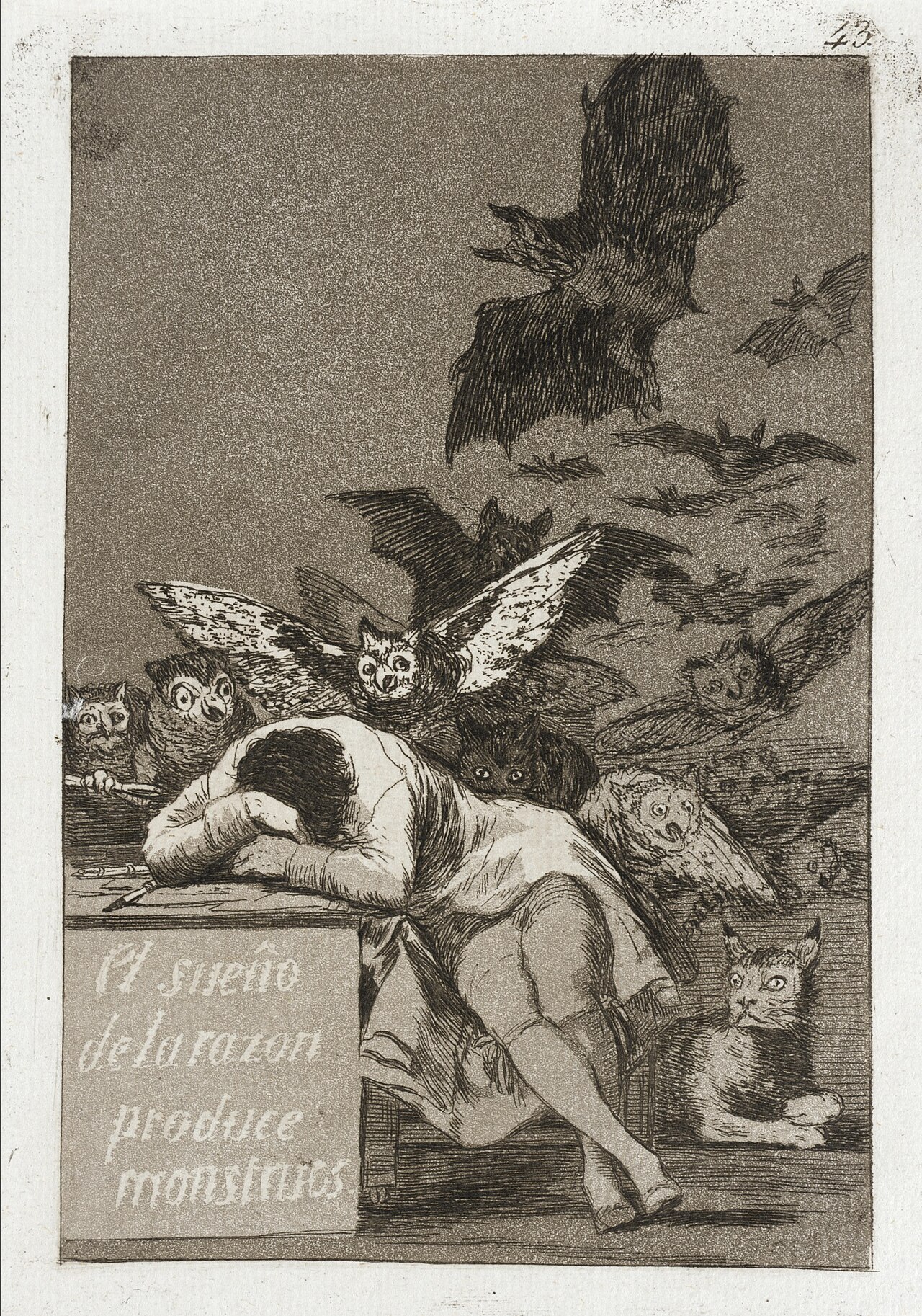
Y no hai remedio
Francisco de Goya · c. 1810-1814 (published 1863)
 Painting
Primary source
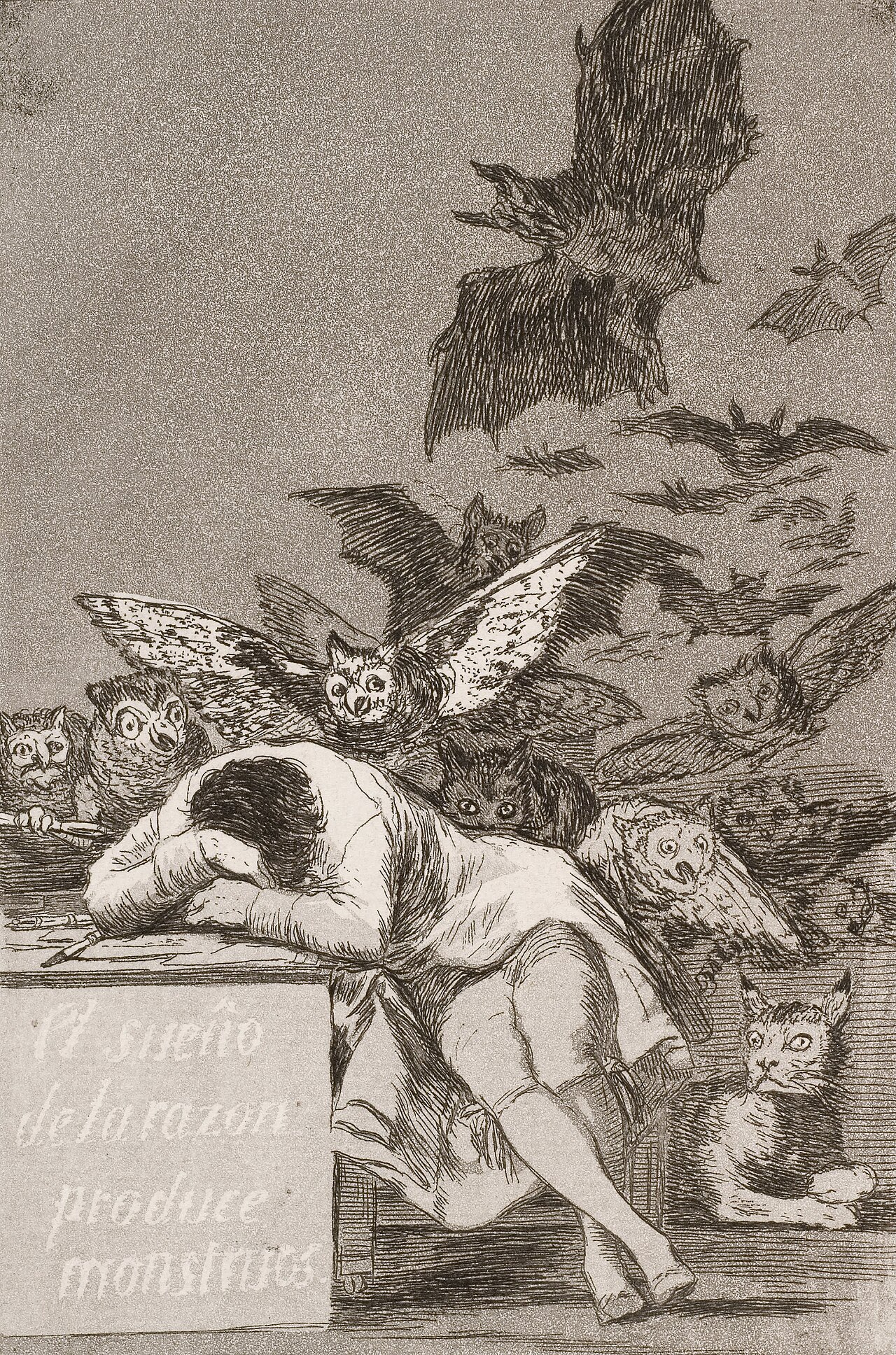
Caprichos
Francisco Goya · 1799 (created 1797-1798)
 Painting
Primary source
The Sleep of Reason Produces Monsters
Francisco Goya · 1797-1799
Ready when you are
Start chatting with Francisco Goya now.
20 messages free · No credit card · Available in 50+ languages.