


Secondary sourcePainting1526
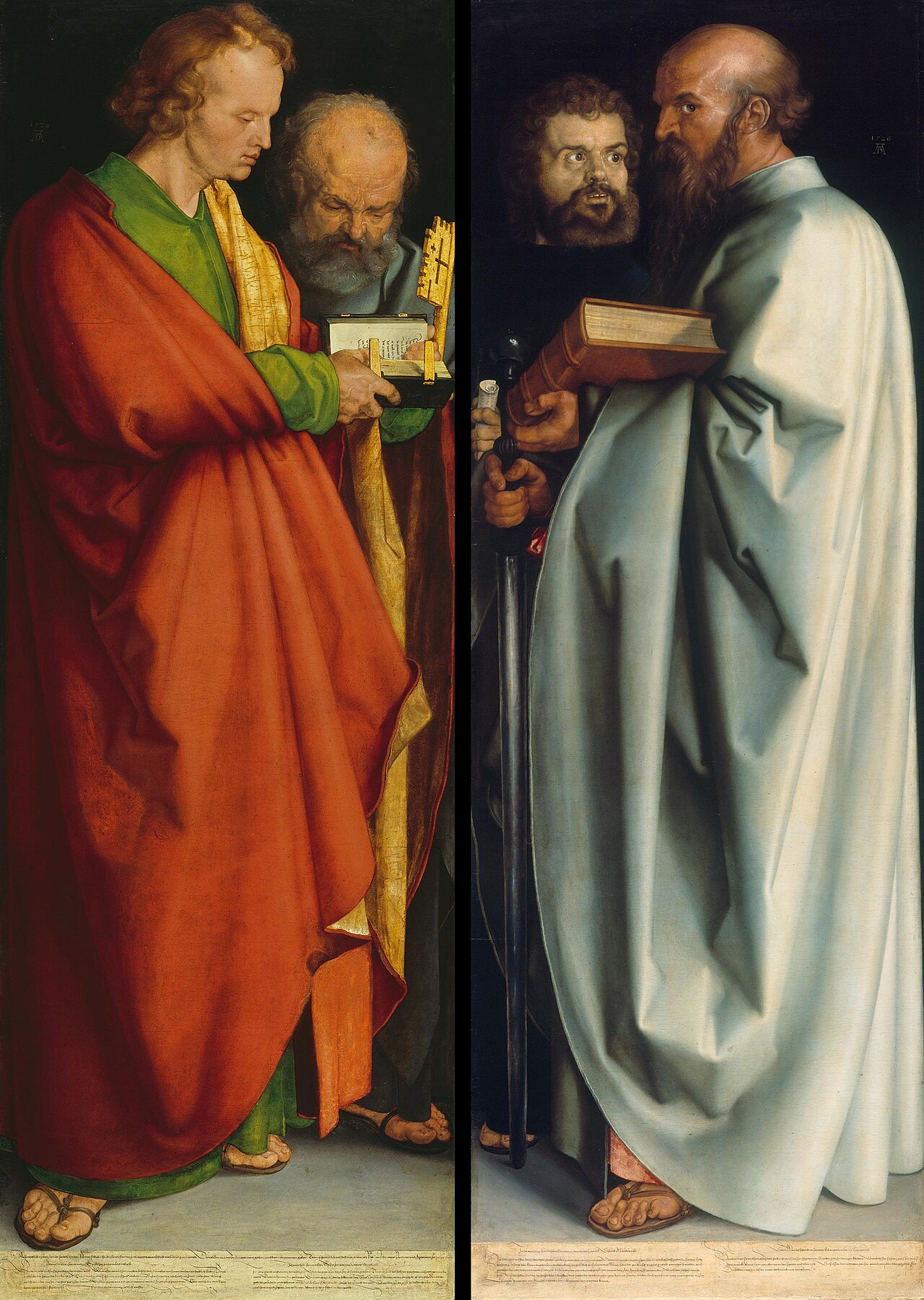
The Four Apostles
Albrecht Dürer · 1526
A Reformation-era diptych by Albrecht Dürer giving Paul, shown with sword and book, a prominent place alongside John, Peter and Mark.
Depicts Paul holding sword and book, given special prominence in Dürer's Reformation-era statement on scripture.
About this source
What it is
This diptych, painted by Albrecht Dürer in 1526, consists of two large oil panels showing four figures of early Christianity: John, Peter, Mark and Paul. Paul appears in the right panel holding a large red book, with a sword-bearing figure beside him. It is held today at the Alte Pinakothek in Munich.
Why it matters
Dürer painted this shortly after converting to Protestantism, and the inscriptions at the bottom warn against false teaching, echoing Paul's own letters. By giving Paul such prominence and pairing him with symbols of the sword (his martyrdom) and the book (his New Testament letters), Dürer used the apostle to make a statement about the authority of scripture over church tradition during the Reformation.
Look closer
- What do the objects each figure holds tell you about how they were remembered?
- Why might Dürer have chosen everyday, realistic faces rather than idealised ones?
- How does this painting use a religious figure to make a political and religious argument about its own time?
This painting is part of the curated material that grounds the AI version of Saint Paul on Humy.ai — when students ask about related events, the AI can quote it and cite it.
More Saint Paul sources
Meet the AI Saint Paul →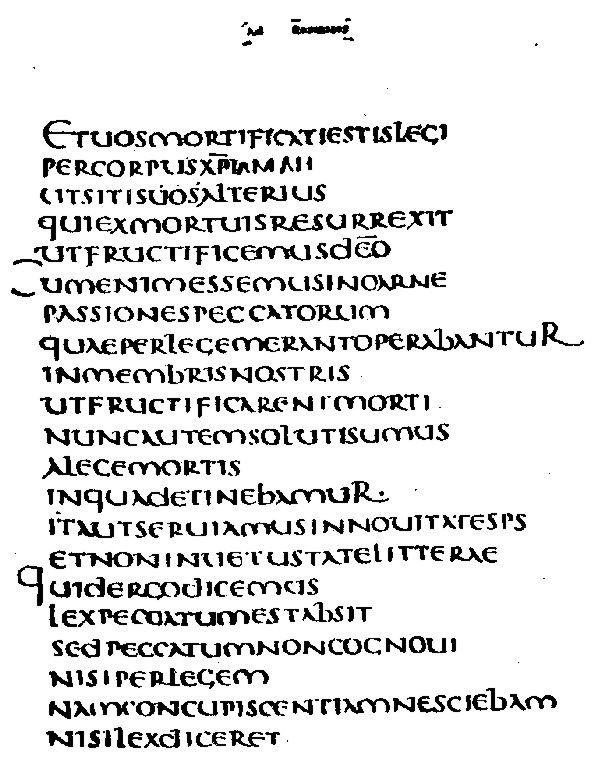 Letter
Primary source
Epistle to the Romans
Paul the Apostle · c. AD 57
 Painting
Secondary source
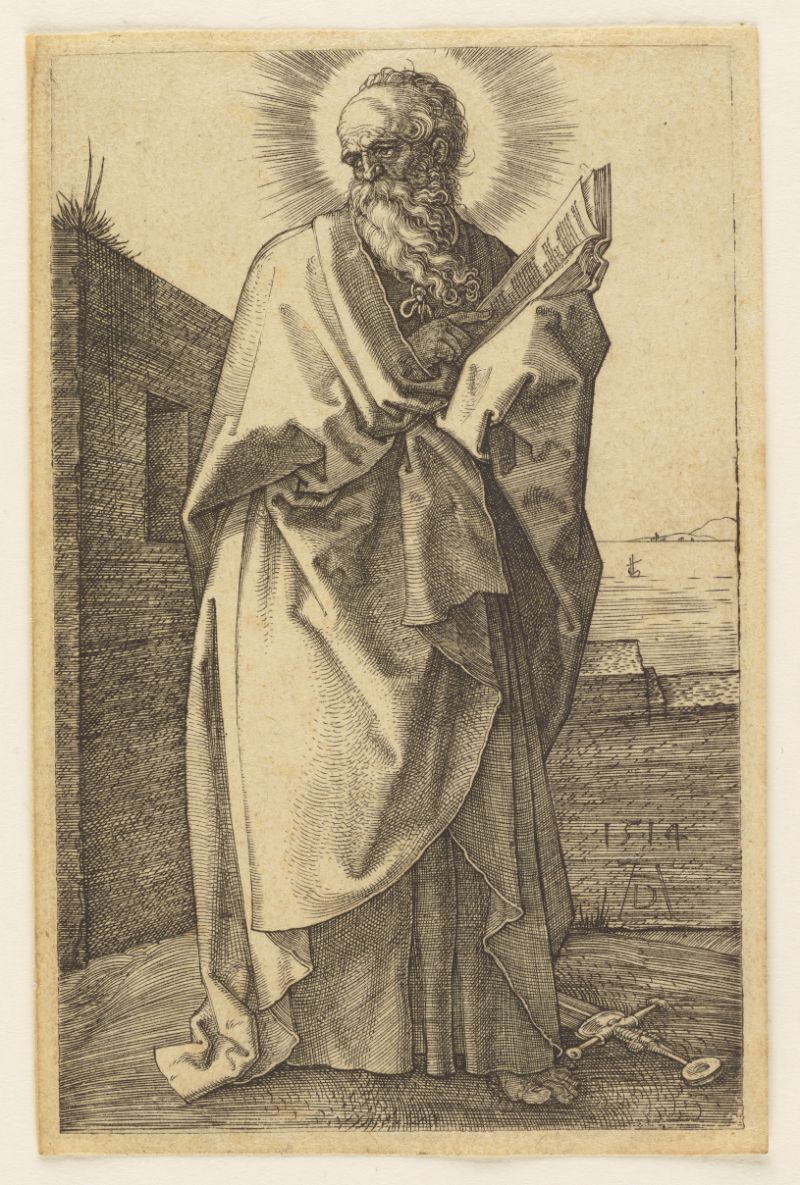
Saint Paul
Albrecht Dürer · 1514
 Letter
Secondary source
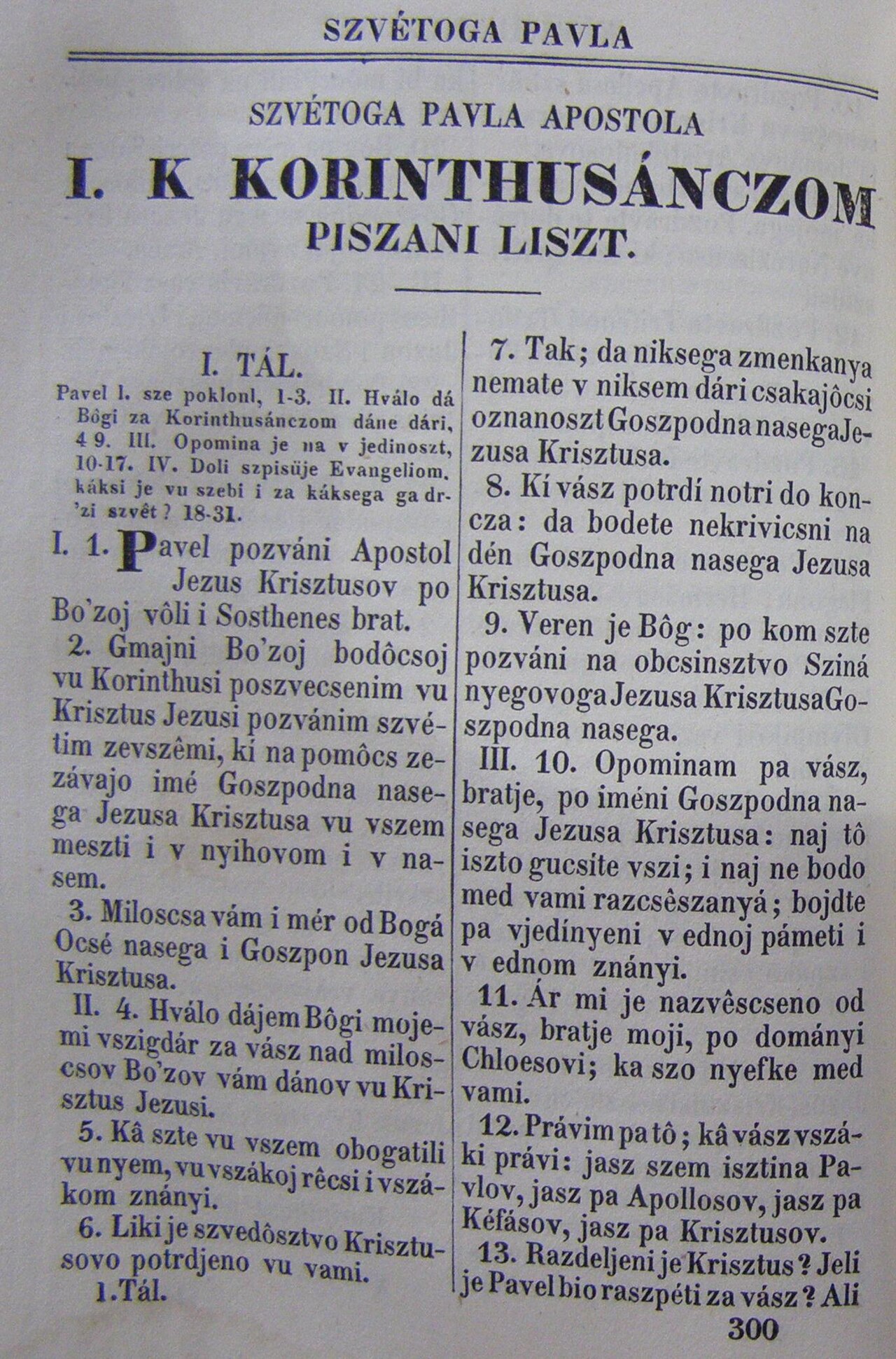
First Epistle to the Corinthians
Paul the Apostle · c. 54 AD
 Book
Primary source
1 Corinthians 13
Paul the Apostle · c. AD 53-57
 Document
Secondary source
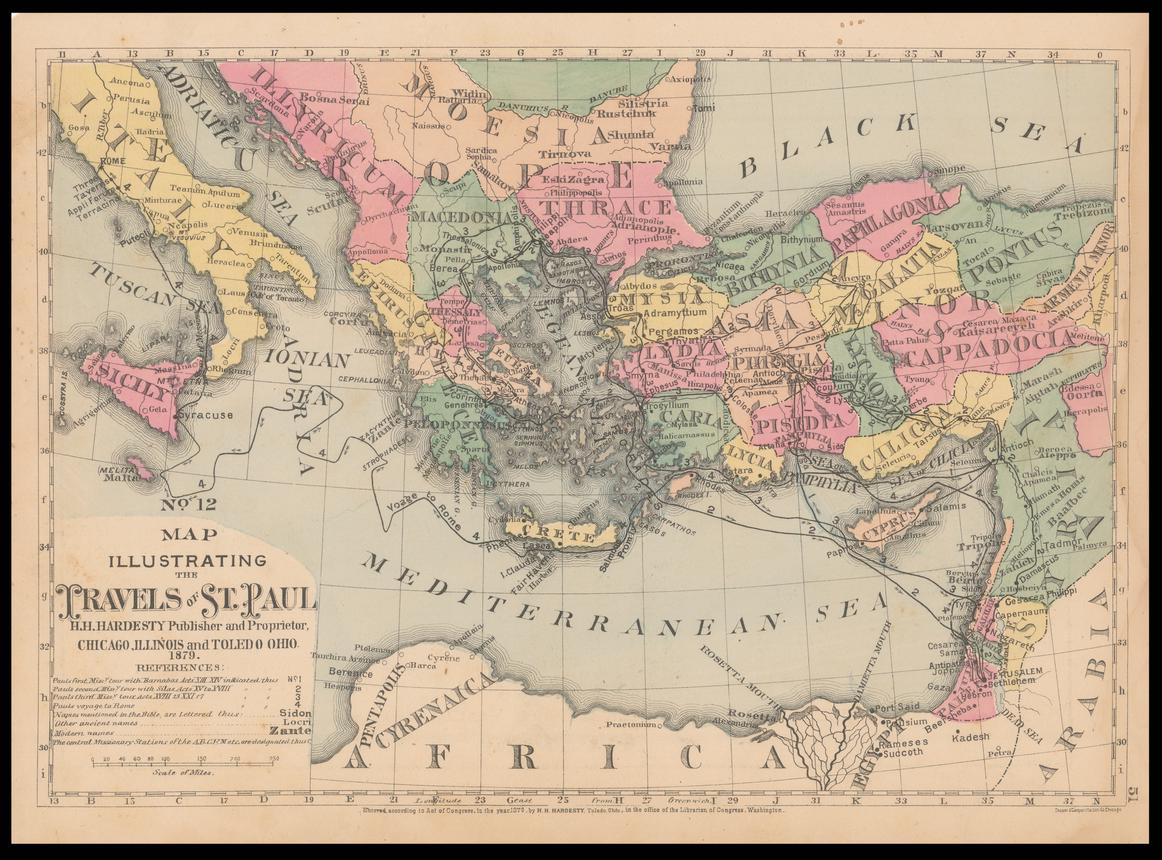
Map Illustrating the Travels of St. Paul
H.H. Hardesty · 1879
Ready when you are
Start chatting with Saint Paul now.
20 messages free · No credit card · Available in 50+ languages.