


Primary sourceBook1866
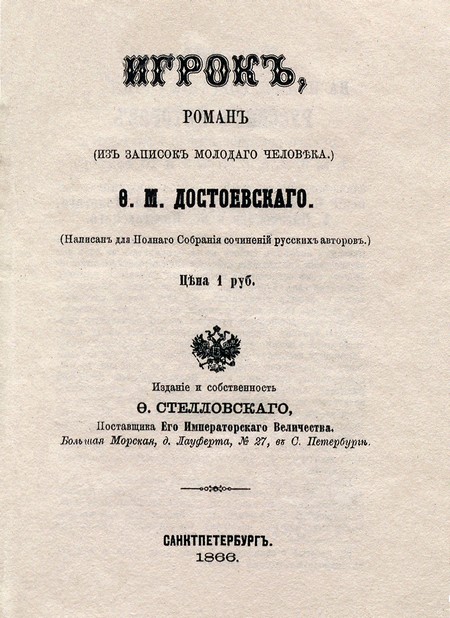
The Gambler
Fyodor Dostoyevsky · 1866
A short novel by Dostoevsky about gambling addiction, dictated under a brutal deadline and drawing on his own roulette habit.
Dostoevsky wrote this novel under deadline pressure, drawing directly on his own gambling addiction.
About this source
What it is
The Gambler is a short novel written by Fyodor Dostoevsky in 1866. Facing a punishing contract deadline, he dictated it in a matter of weeks to a young stenographer, Anna Snitkina, who took down and copied his words.
Why it matters
The novel's story of a tutor ruined by roulette mirrors Dostoevsky's own gambling addiction, which he described in letters to his family. The project also mattered personally: Anna Snitkina, who helped him finish it in time, later became his wife.
Why it matters
It shows how financial desperation shaped his writing process and how closely his fiction could mirror his private struggles.
Look closer
- Why might an author write fiction so close to his own failings?
- What does dictating a novel in weeks, rather than writing it slowly, suggest about the pressures authors faced?
- How might knowing the author's own addiction change how you read the gambling scenes?
This book is part of the curated material that grounds the AI version of Fyodor Dostoevsky on Humy.ai — when students ask about related events, the AI can quote it and cite it.
More Fyodor Dostoevsky sources
Meet the AI Fyodor Dostoevsky →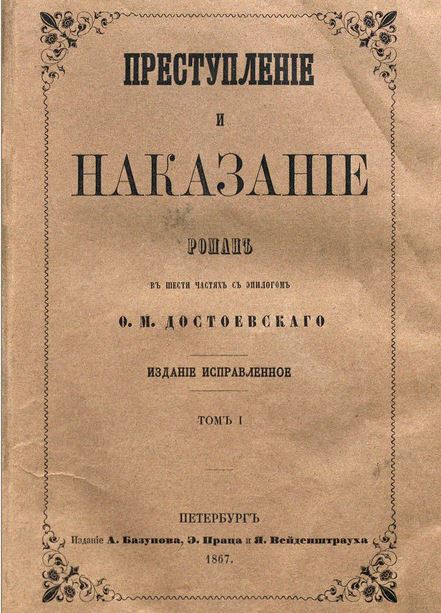 Book
Primary source
Crime and Punishment
Fyodor Dostoyevsky · 1866
 Book
Primary source
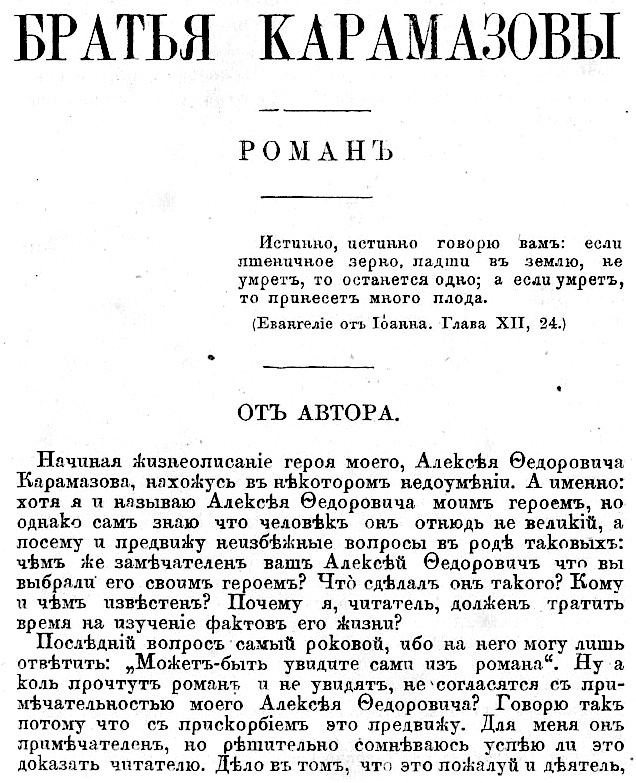
The Brothers Karamazov
Fyodor Dostoyevsky · 1879-1880
Primary source
The Grand Inquisitor
Fyodor Dostoyevsky · 1879
 Book
Primary source
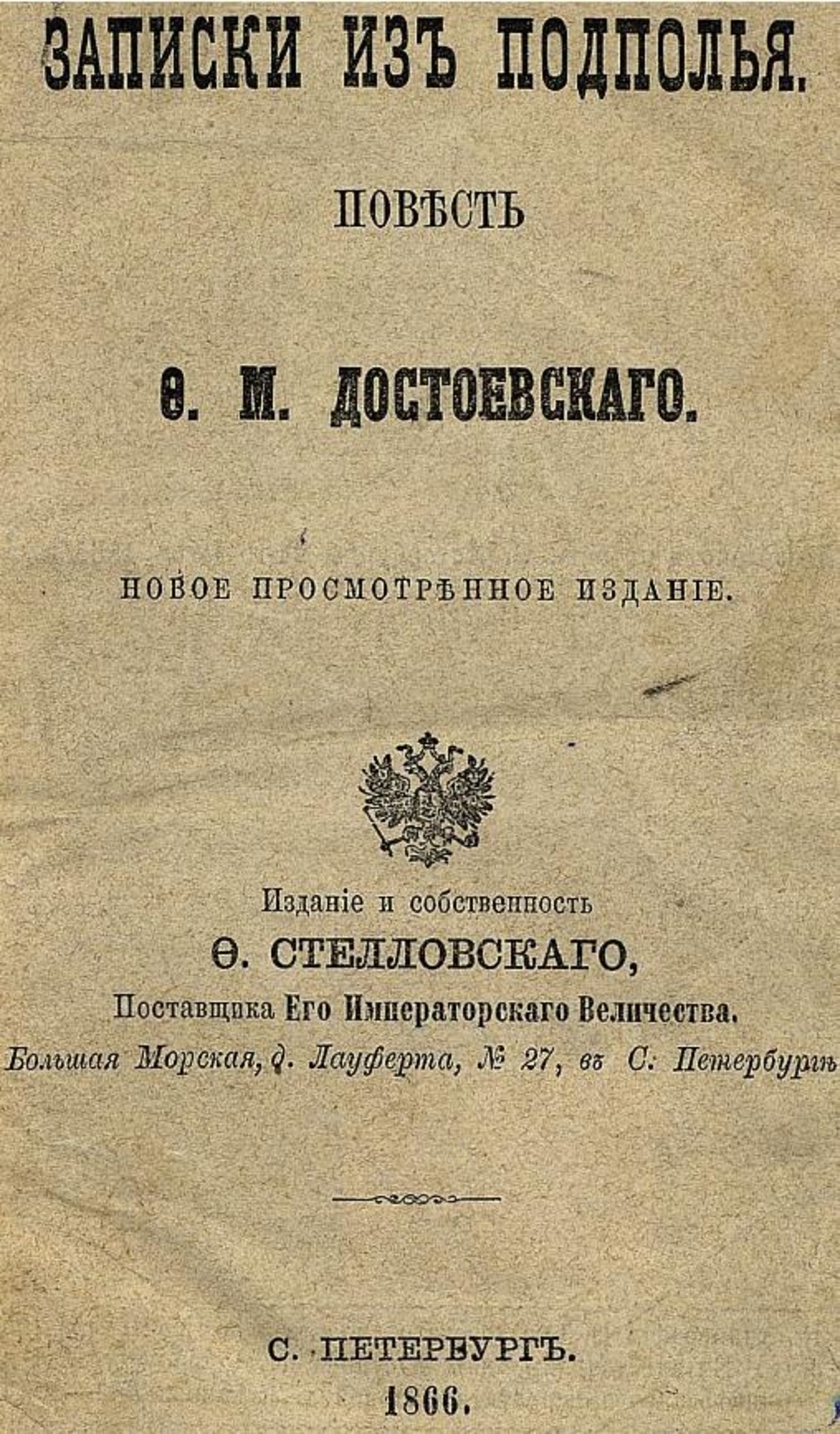
Notes from Underground
Fyodor Dostoyevsky · 1864
 Book
Primary source
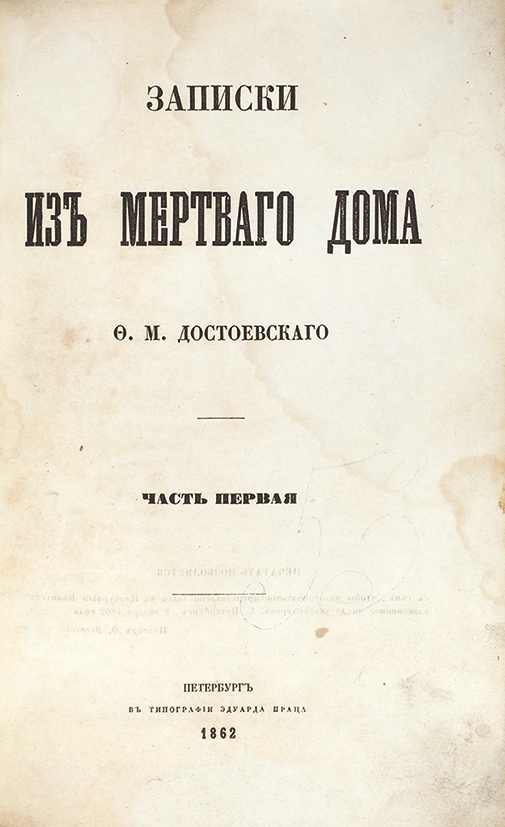
The House of the Dead
Fyodor Dostoyevsky · 1860-1862
Ready when you are
Start chatting with Fyodor Dostoevsky now.
20 messages free · No credit card · Available in 50+ languages.