


Primary sourceBook1824
The Gypsies
Alexander Pushkin · 1824
A narrative poem by Pushkin written during his southern exile, exploring themes of freedom, passion, and the limits of Romantic ideals.
Pushkin wrote this poem during his exile, marking his critical move beyond Romantic ideals.
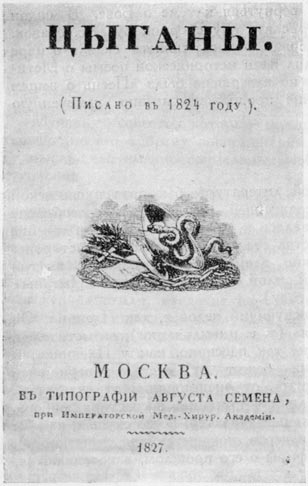
About this source
What it is
This is a narrative poem of 569 lines written by Alexander Pushkin in 1824, first fully published in 1827. It is the last of his four 'Southern Poems', written while he lived in exile in Bessarabia.
Why it matters
The poem follows a city outcast named Aleko who joins a gypsy camp and falls in love, only for jealousy and violence to destroy his new life. It challenges the Romantic idea of the 'noble savage'—that people living close to nature are happier and freer—and is considered Pushkin's most mature southern poem. It shows his move beyond simple Romanticism toward deeper psychological and moral questions, and it later inspired many operas and ballets.
Look closer
- Why does the poem end by rejecting the idea that gypsy life offers true freedom?
- What does Aleko's behavior suggest about the limits of 'escaping civilization'?
- How does the poem's structure—shifting from narration to dialogue—affect how we experience the story?
This book is part of the curated material that grounds the AI version of Alexander Pushkin on Humy.ai — when students ask about related events, the AI can quote it and cite it.
More Alexander Pushkin sources
Meet the AI Alexander Pushkin →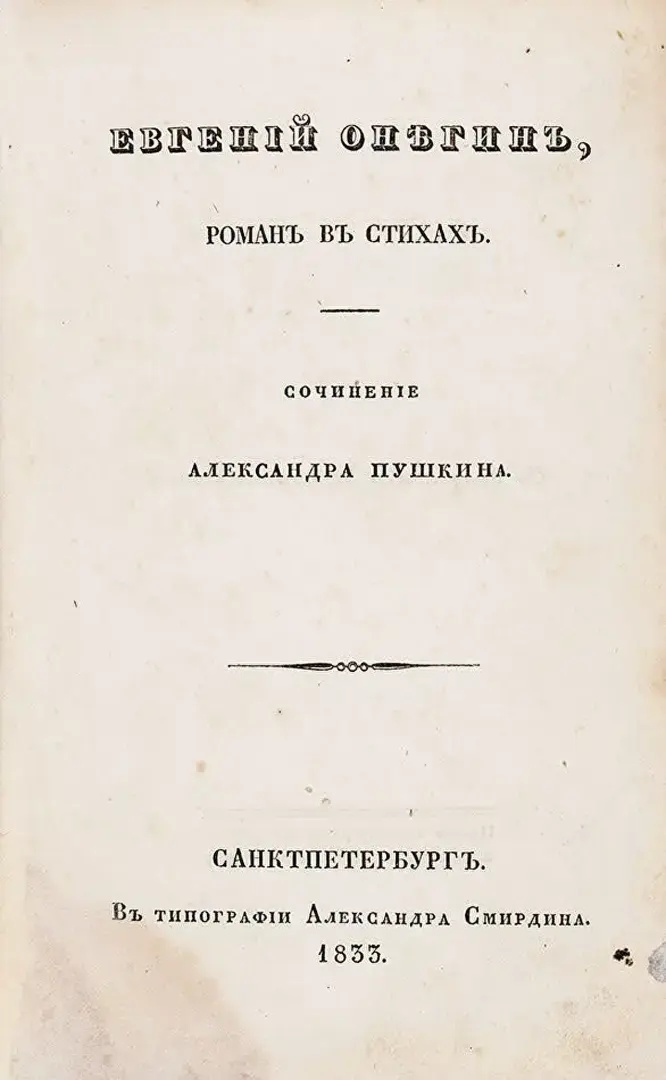 Book
Primary source
Eugene Onegin
Alexander Pushkin · 1823-1831
Primary source
Boris Godunov
Alexander Pushkin · 1825
 Book
Primary source
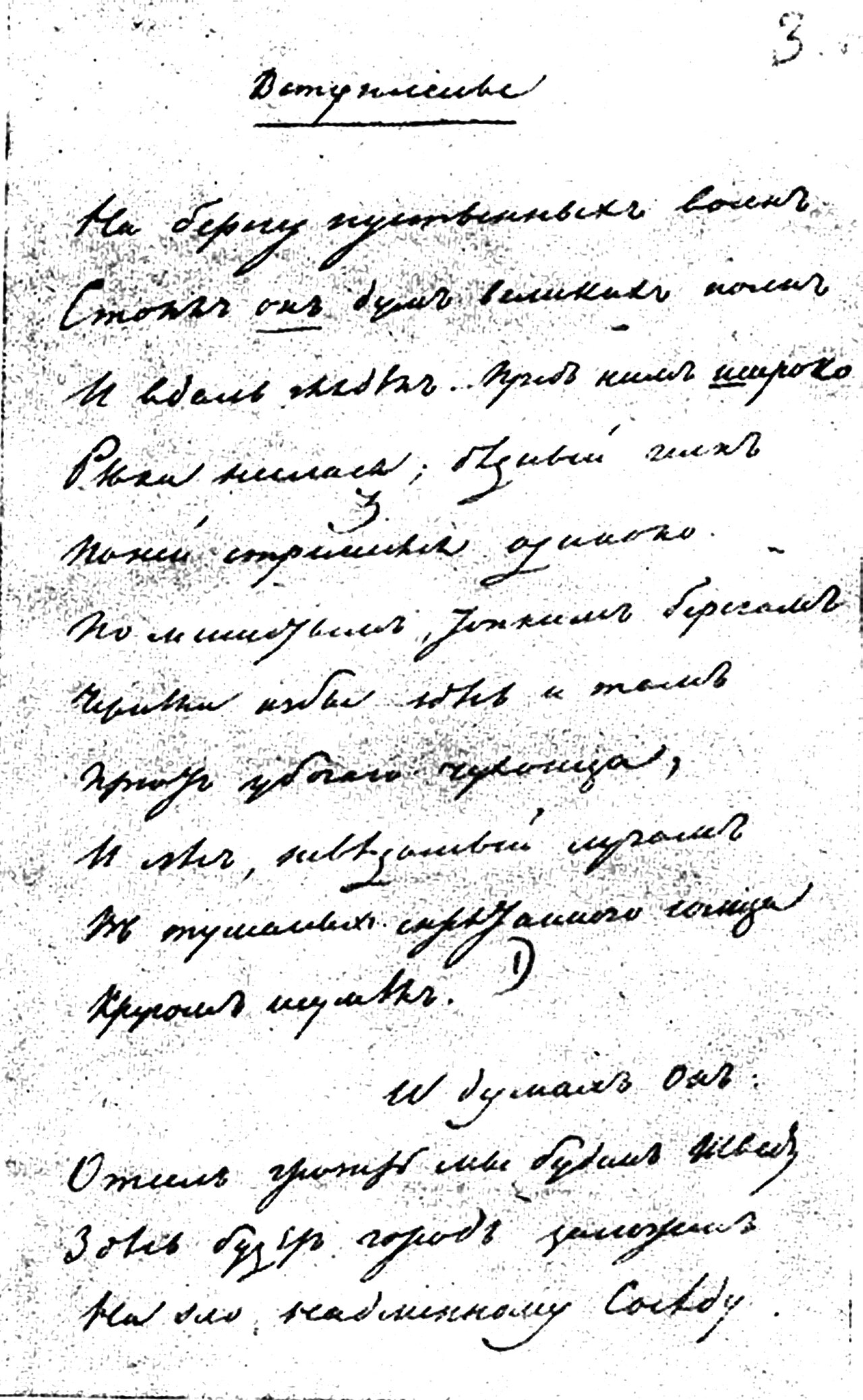
The Bronze Horseman
Alexander Pushkin · 1833
 Book
Primary source
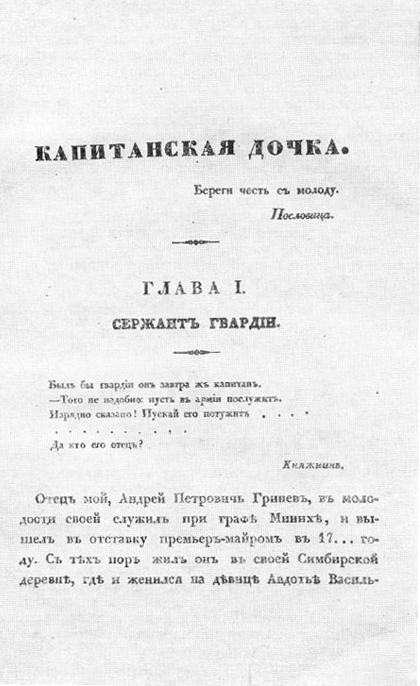
The Captain's Daughter
Alexander Pushkin · 1836
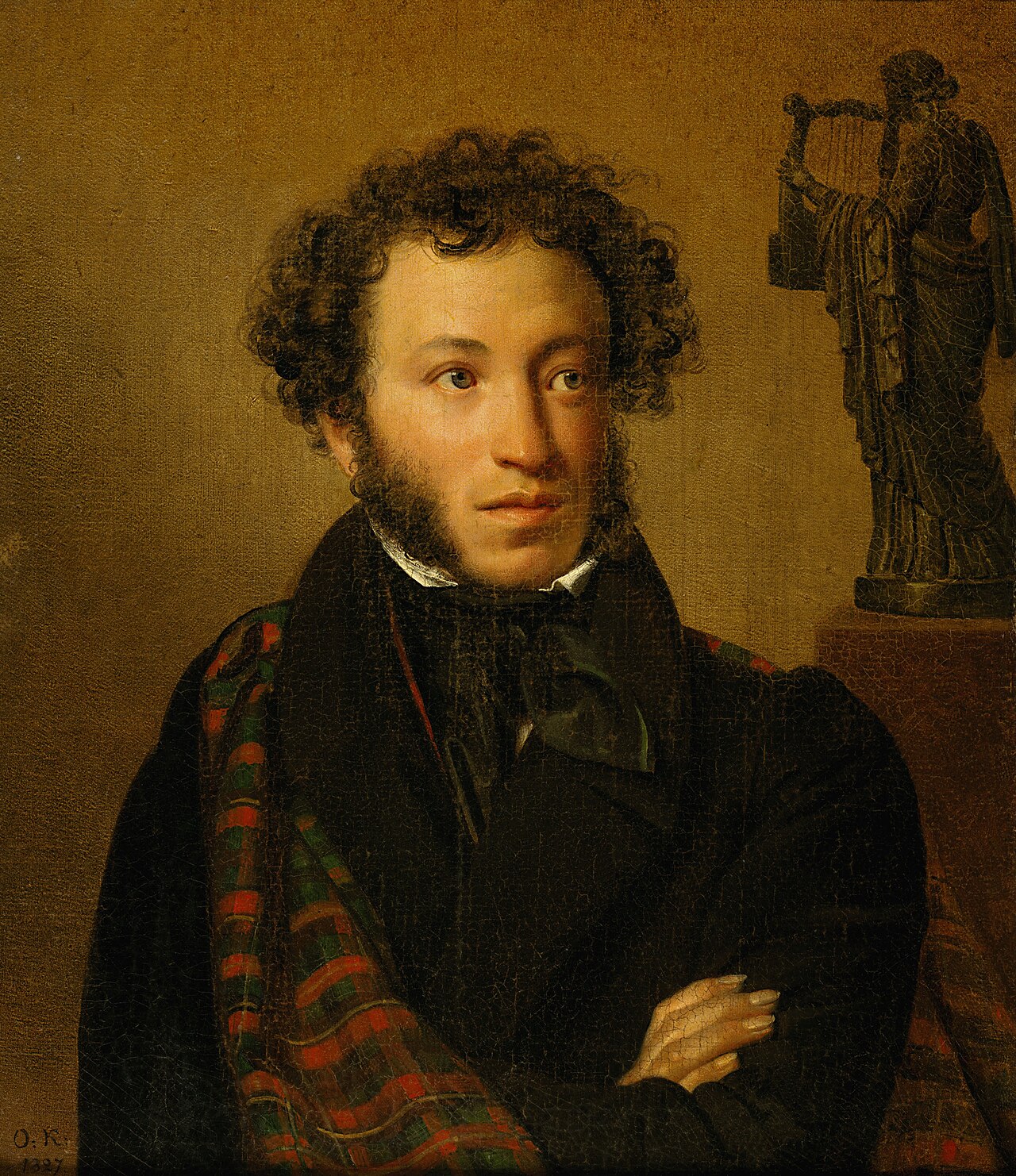 Painting
Primary source
Alexander Pushkin
Orest Kiprensky · 1827
Ready when you are
Start chatting with Alexander Pushkin now.
20 messages free · No credit card · Available in 50+ languages.