


Primary sourceBook1755
The Natural History of Religion
David Hume · 1755
Hume's 1755 essay giving a naturalistic explanation of how religious belief develops from human hopes and fears.
One of Hume's major essays, showing his naturalistic approach to explaining religious belief.
About this source
What it is
Written by David Hume and published in 1755, this essay explores how religious belief arises in human societies, tracing a movement from polytheism toward monotheism.
Why it matters
Rather than asking whether religion is true, Hume asks why people come to believe in invisible powers at all, rooting the answer in human psychology rather than revelation. This was a bold and controversial approach for its time, showing Hume's consistent interest in explaining belief through natural causes rather than divine ones.
Look closer
- Why might explaining religion through human nature rather than theology have been controversial in the 1750s?
- What does Hume suggest causes people across many cultures to believe in invisible powers?
- How does this essay fit with Hume's wider philosophical project?
This book is part of the curated material that grounds the AI version of David Hume on Humy.ai — when students ask about related events, the AI can quote it and cite it.
More David Hume sources
Meet the AI David Hume →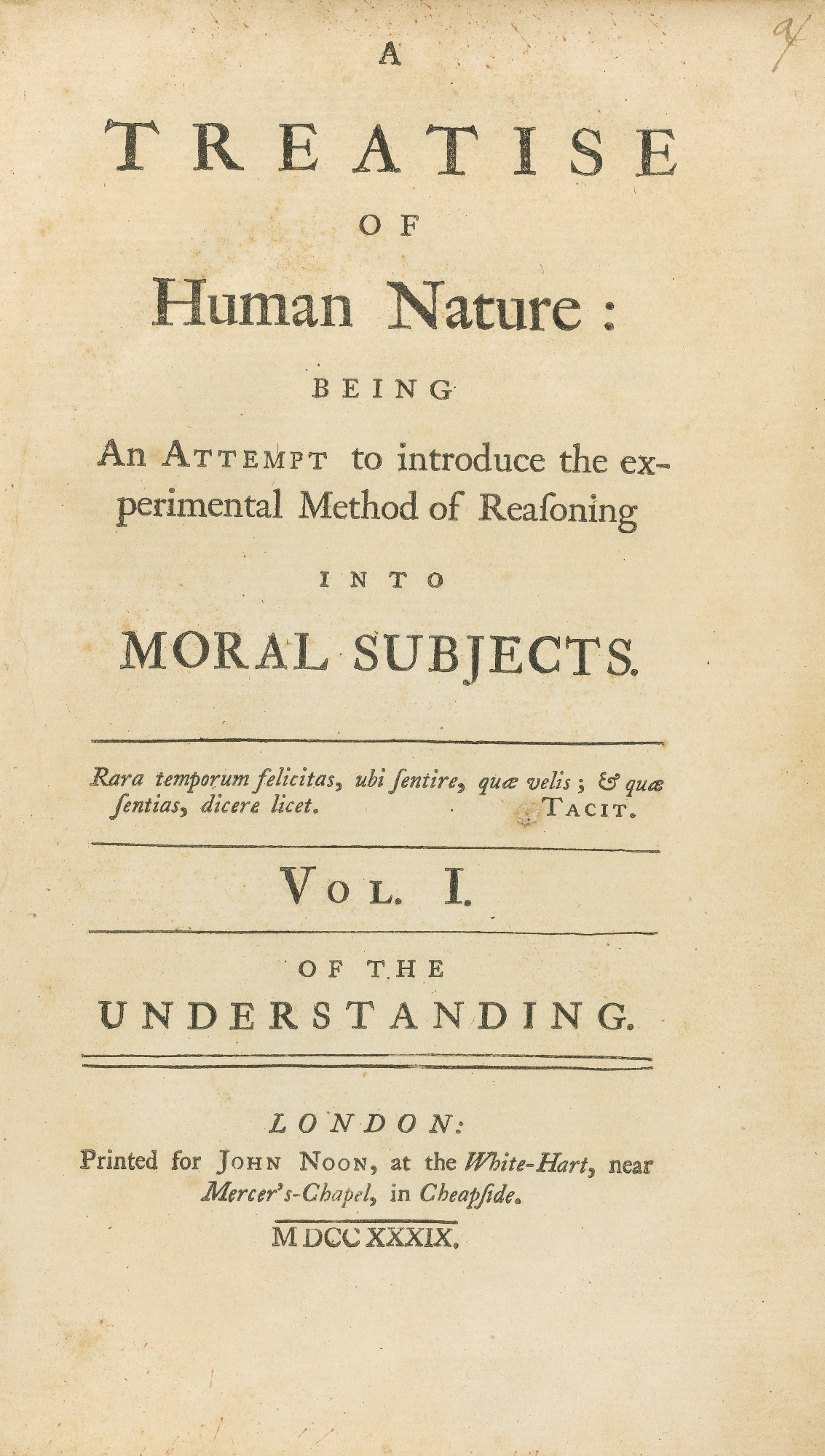 Book
Primary source
A Treatise of Human Nature
David Hume · 1739-1740
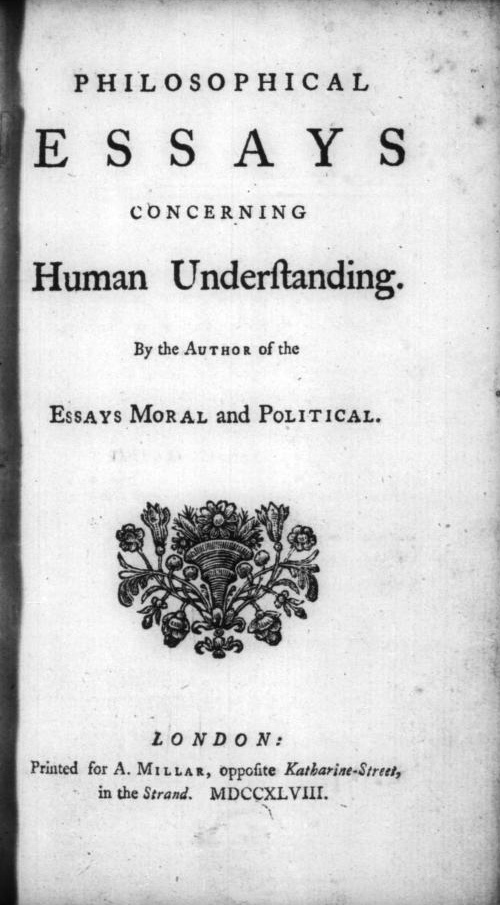 Book
Primary source
Philosophical Essays Concerning Human Understanding
David Hume · 1748
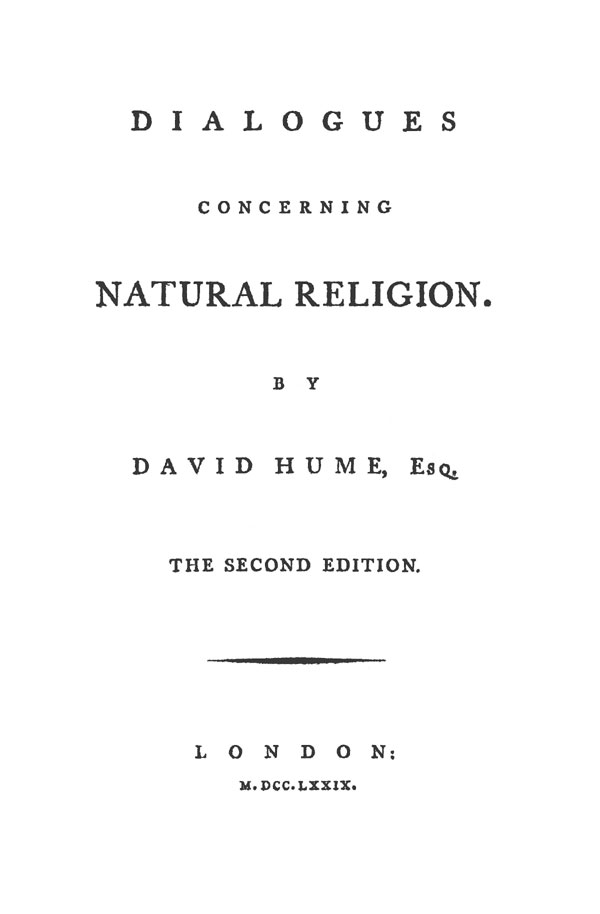 Book
Primary source
Dialogues Concerning Natural Religion
David Hume · 1779
Primary source
Of Miracles
David Hume · 1748
Primary source
An Enquiry Concerning the Principles of Morals
David Hume · 1751
Ready when you are
Start chatting with David Hume now.
20 messages free · No credit card · Available in 50+ languages.