


Primary sourceBook1876
The Peasant Marey
Fyodor Dostoyevsky · 1876
An autobiographical short story by Dostoyevsky recalling a childhood memory of a kind serf, written while reflecting on his prison years.
An autobiographical story by Dostoyevsky reflecting on his own childhood and prison experiences.
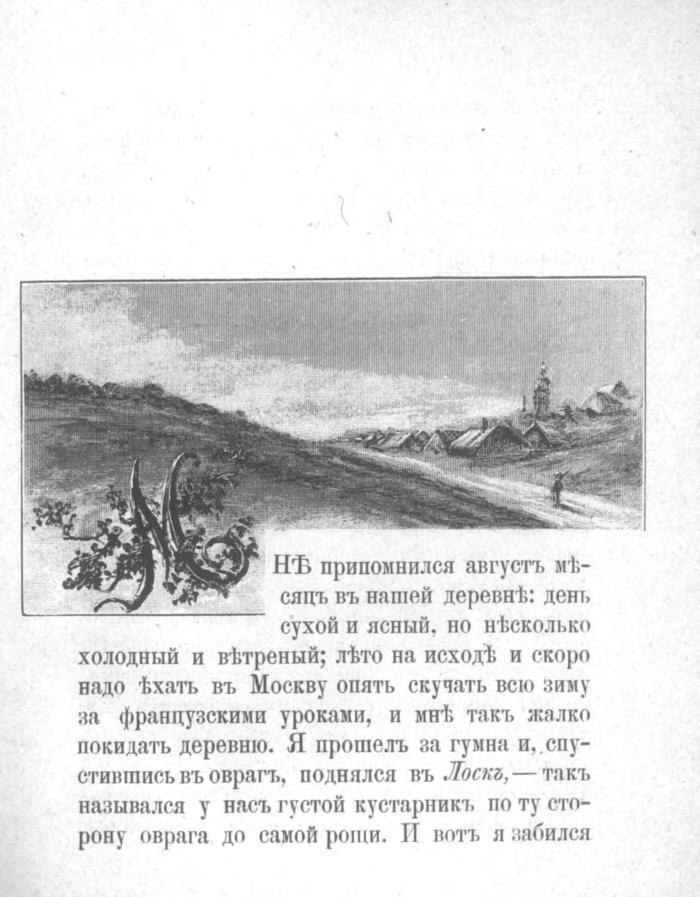
About this source
What it is
Written in 1876, this short story appeared in Dostoyevsky's A Writer's Diary. It is framed as the memory of the fictional prisoner Goryanchikov from The House of the Dead, but is also understood as Dostoyevsky's own reminiscence, disguised to avoid censorship.
Why it matters
The story recalls a childhood memory from when the narrator was nine, of being comforted by a serf named Marey after being frightened by rumors of a wolf. Recalled from inside a prison camp, the memory becomes a symbol of the peasantry's hidden decency, contrasting with the narrator's bitter surroundings. It reveals how Dostoyevsky's prison experience shaped his later faith in the Russian common people.
Look closer
- Why might Dostoyevsky have disguised this as fiction rather than openly writing about himself?
- What does the contrast between the prison setting and the childhood memory add to the story's meaning?
- Look at the illustration on the first page — how does it set a mood before the text even begins?
This book is part of the curated material that grounds the AI version of Fyodor Dostoevsky on Humy.ai — when students ask about related events, the AI can quote it and cite it.
More Fyodor Dostoevsky sources
Meet the AI Fyodor Dostoevsky →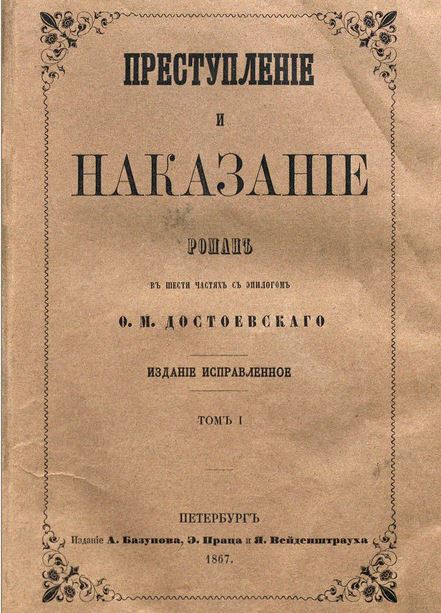 Book
Primary source
Crime and Punishment
Fyodor Dostoyevsky · 1866
 Book
Primary source
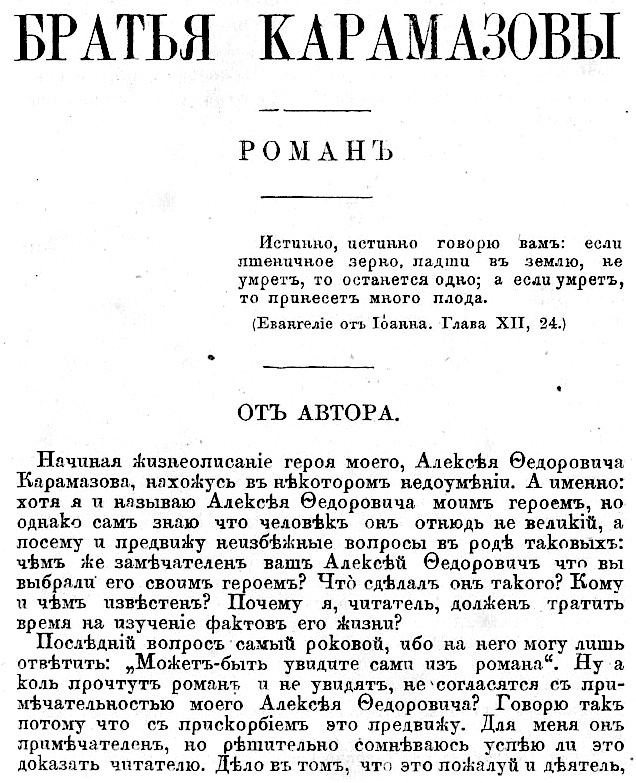
The Brothers Karamazov
Fyodor Dostoyevsky · 1879-1880
Primary source
The Grand Inquisitor
Fyodor Dostoyevsky · 1879
 Book
Primary source
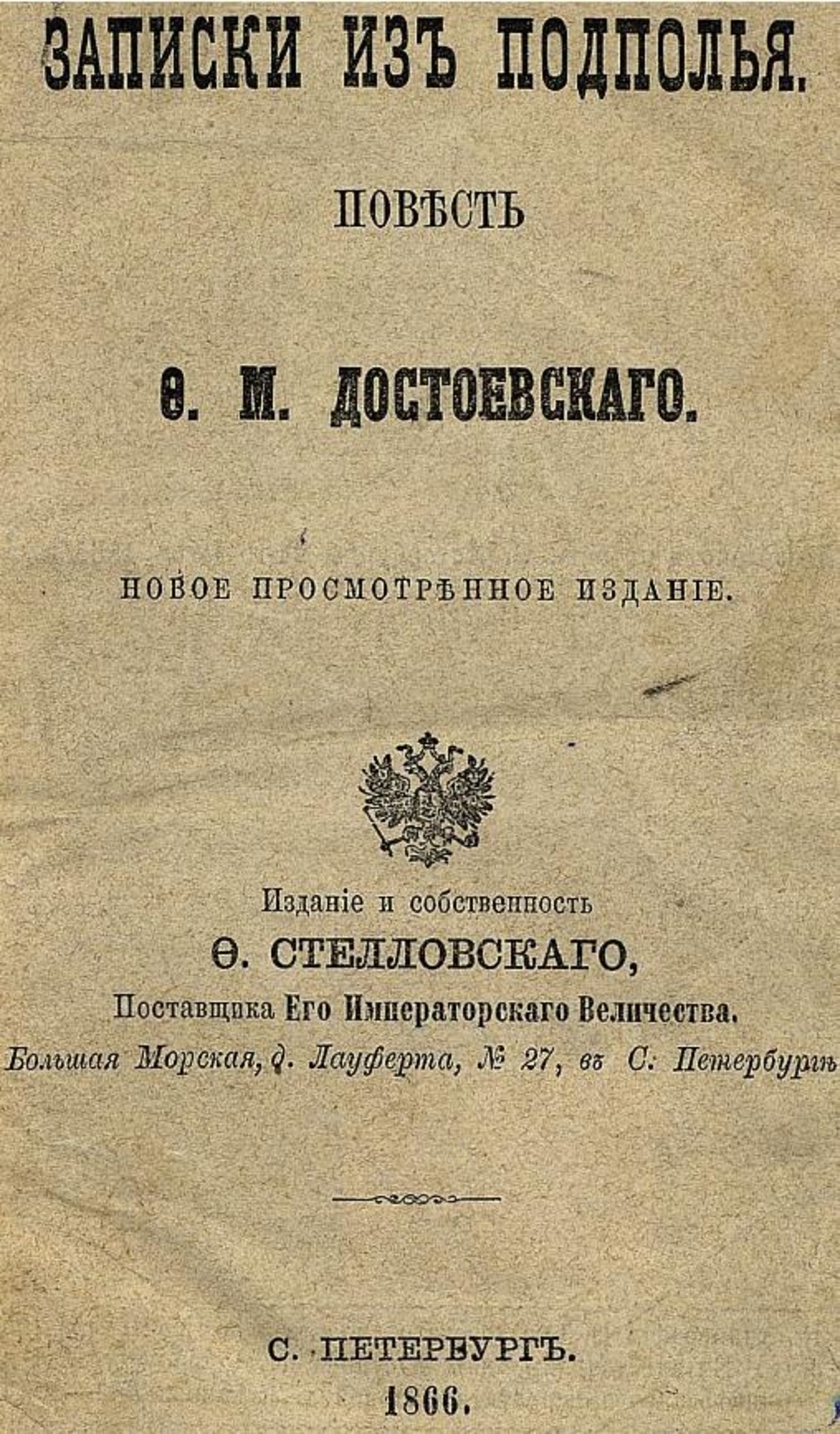
Notes from Underground
Fyodor Dostoyevsky · 1864
 Book
Primary source
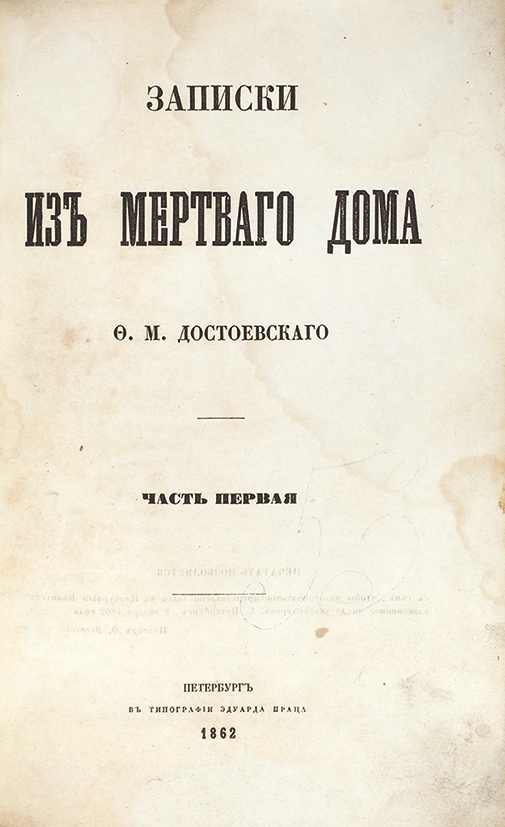
The House of the Dead
Fyodor Dostoyevsky · 1860-1862
Ready when you are
Start chatting with Fyodor Dostoevsky now.
20 messages free · No credit card · Available in 50+ languages.