


Primary sourceBook1695
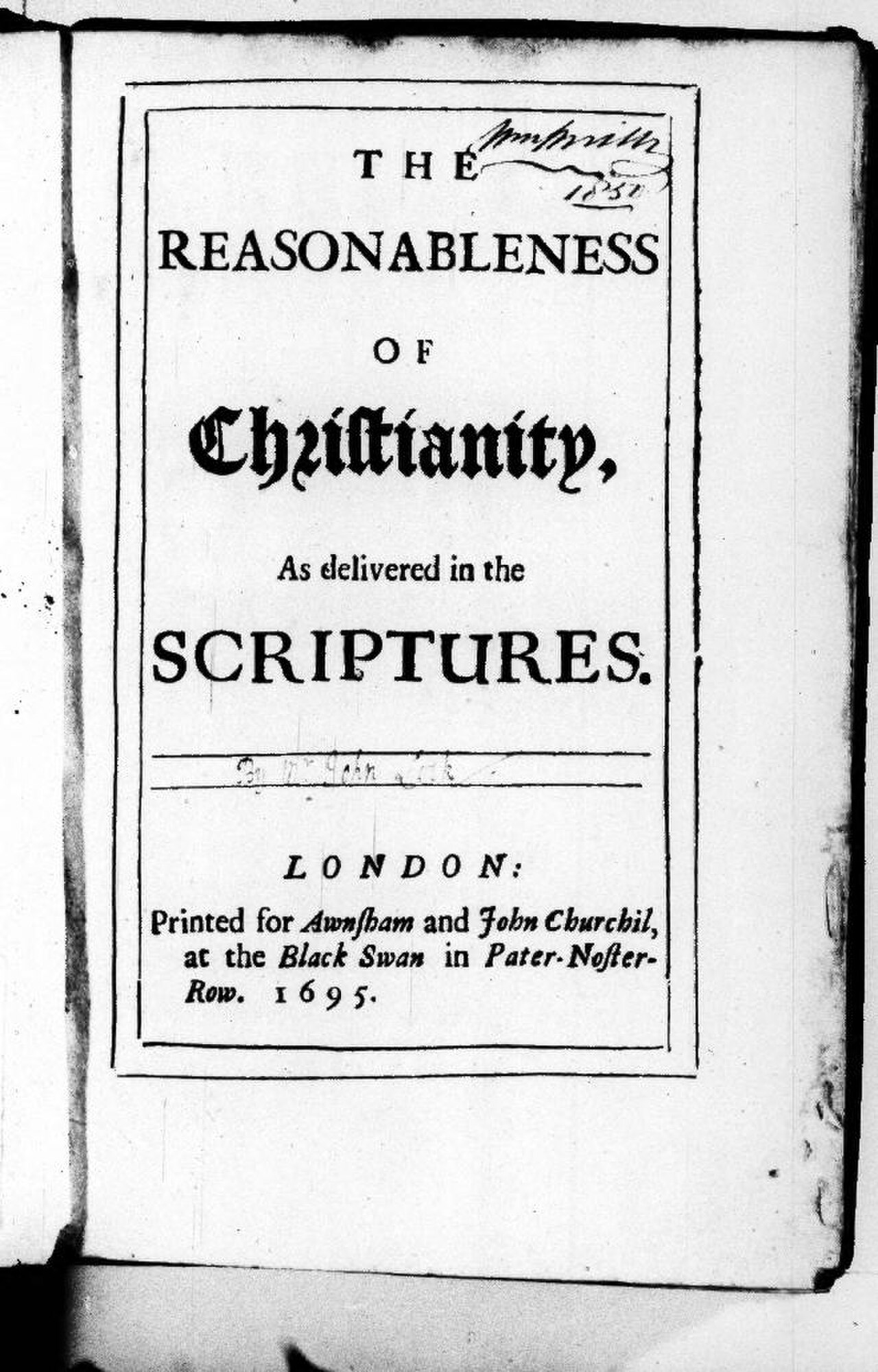
The Reasonableness of Christianity
John Locke · 1695
Locke's 1695 book arguing for a simple, reason-based reading of scripture as the foundation of Christian belief.
Locke's own book setting out the religious reasoning that underlies his broader philosophy of toleration.
About this source
What it is
The Reasonableness of Christianity, as Delivered in the Scriptures is a book written by John Locke and published in 1695. In it Locke applies reasoned, step-by-step argument to scripture, exploring how human reason can uncover the meaning of God's word.
Why it matters
The book reveals the religious convictions that underpinned Locke's wider philosophy, including his arguments for toleration, by showing how he tried to ground Christian faith in reason and natural law rather than dogma. It proved controversial for omitting discussion of the Trinity, drawing criticism from theologians such as Edward Stillingfleet, Jonas Proast and John Edwards, while others including John Tillotson and Samuel Clarke defended it.
Look closer
- Why might leaving out discussion of the Trinity have been controversial in Locke's time?
- How does Locke's use of reason here connect to his philosophy of knowledge?
- What does the criticism this book received tell us about religious debate in the 1690s?
This book is part of the curated material that grounds the AI version of John Locke on Humy.ai — when students ask about related events, the AI can quote it and cite it.
More John Locke sources
Meet the AI John Locke →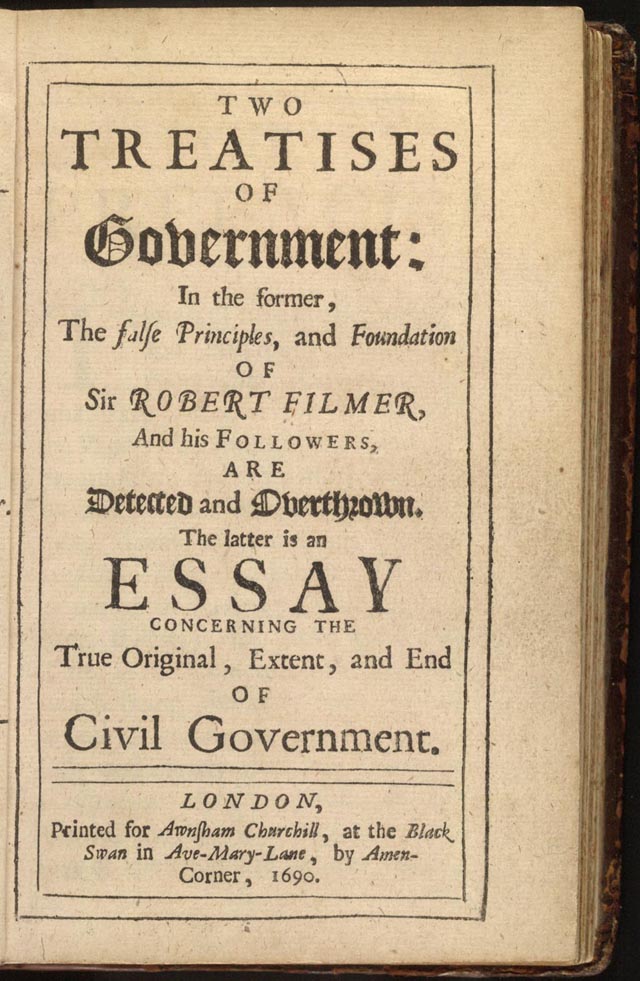 Book
Primary source
Two Treatises of Government
John Locke · 1689 (dated 1690)
 Book
Primary source
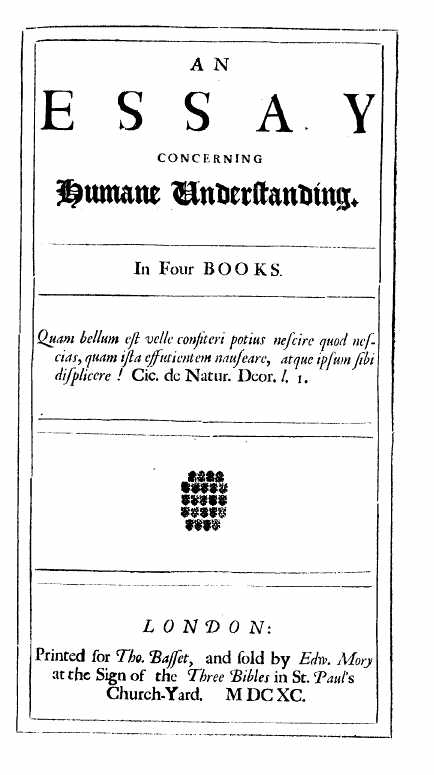
An Essay Concerning Human Understanding
John Locke · 1689 (dated 1690)
 Painting
Secondary source
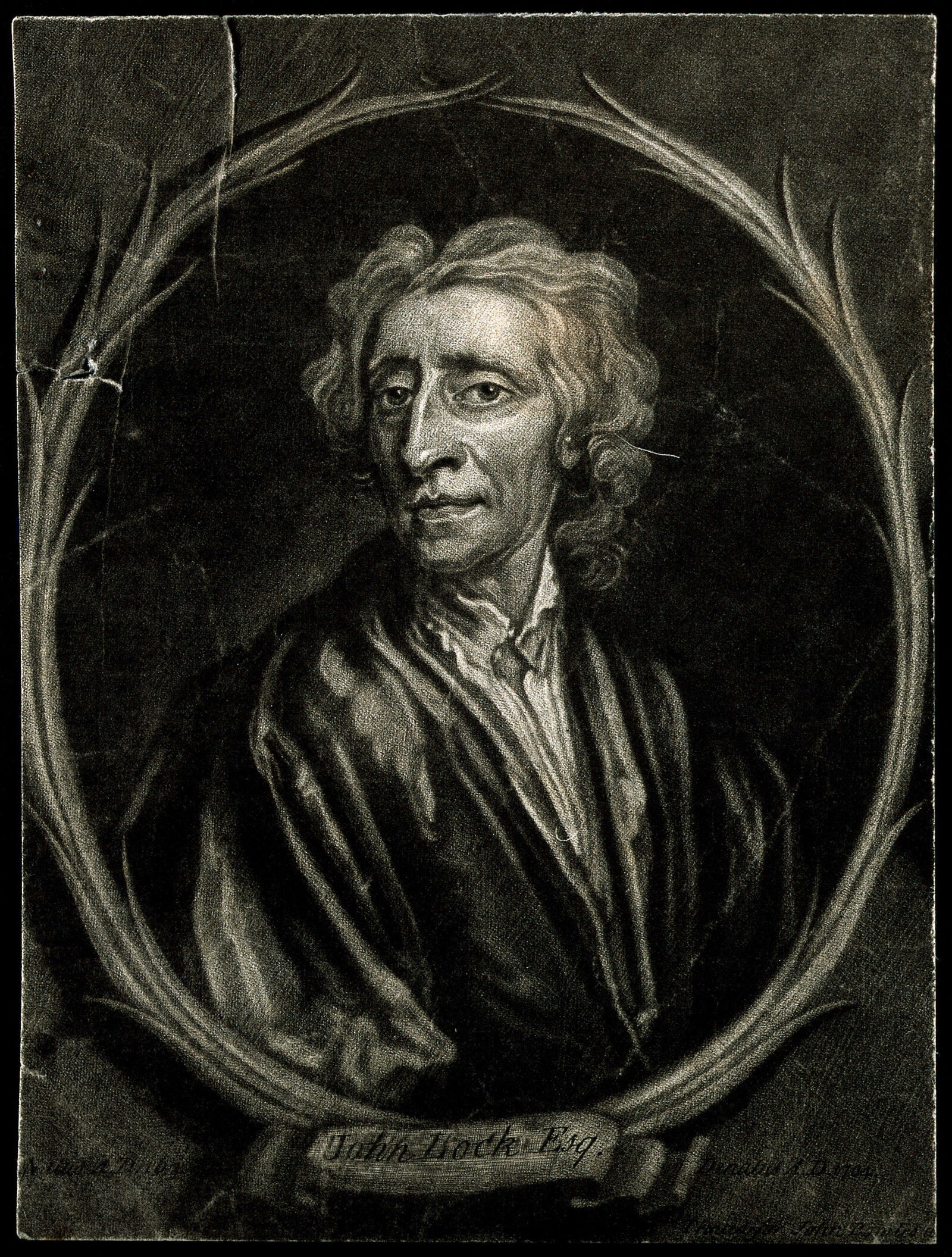
John Locke, Mezzotint after Godfrey Kneller
Godfrey Kneller
 Letter
Primary source
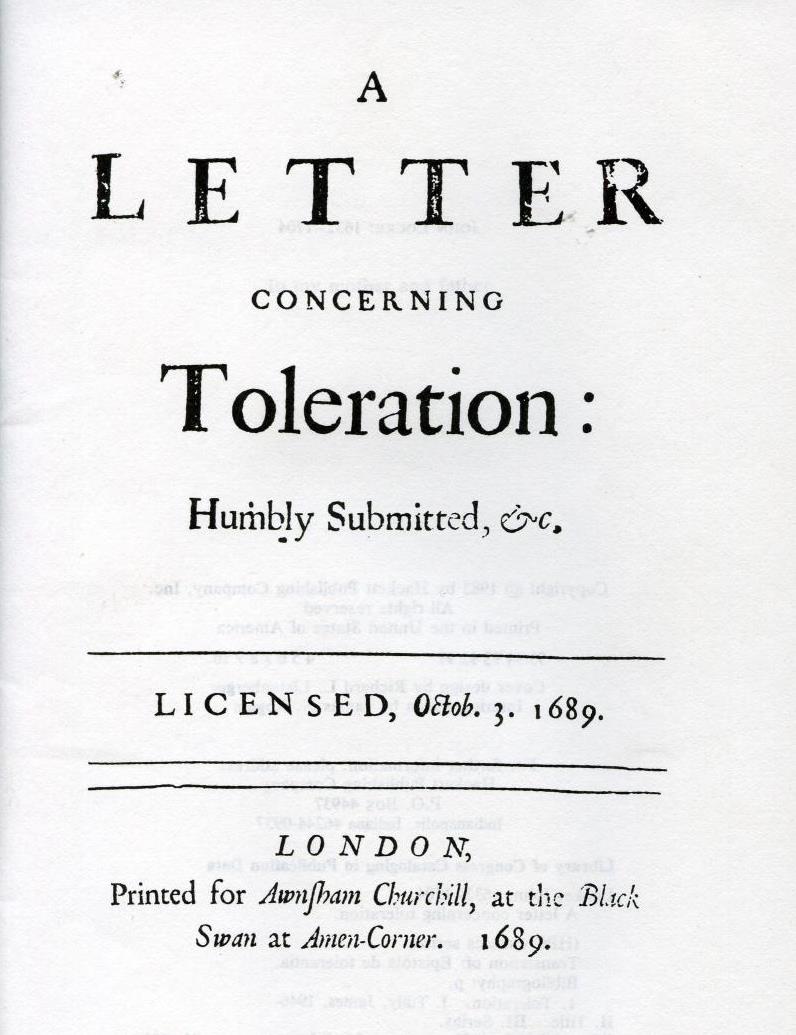
A Letter Concerning Toleration
John Locke · written 1685-1686, published 1689
 Painting
Secondary source
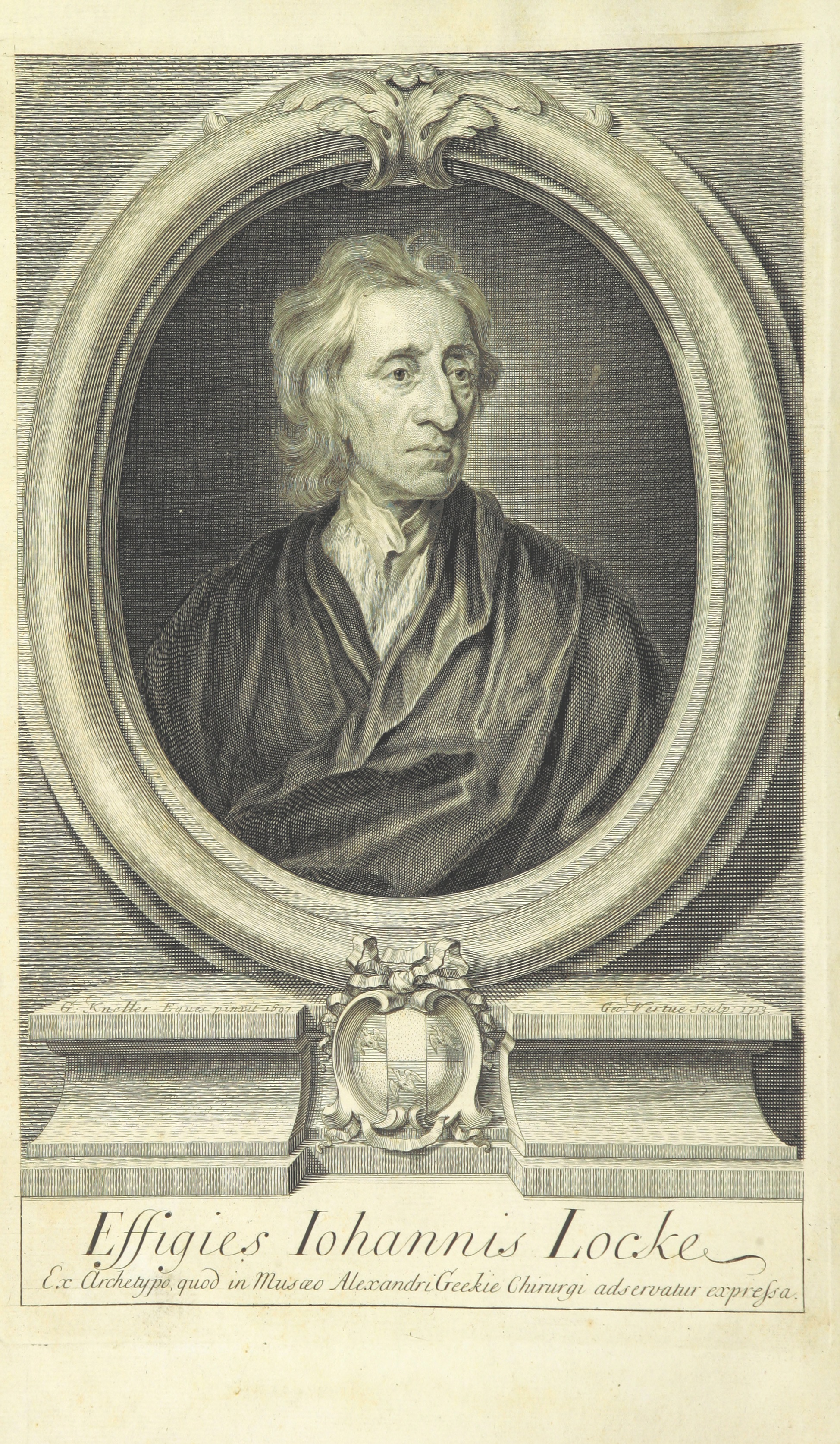
Portrait of John Locke, frontispiece to Works
George Vertue, after Sir Godfrey Kneller · 1722
Ready when you are
Start chatting with John Locke now.
20 messages free · No credit card · Available in 50+ languages.