


Primary sourcePainting1814
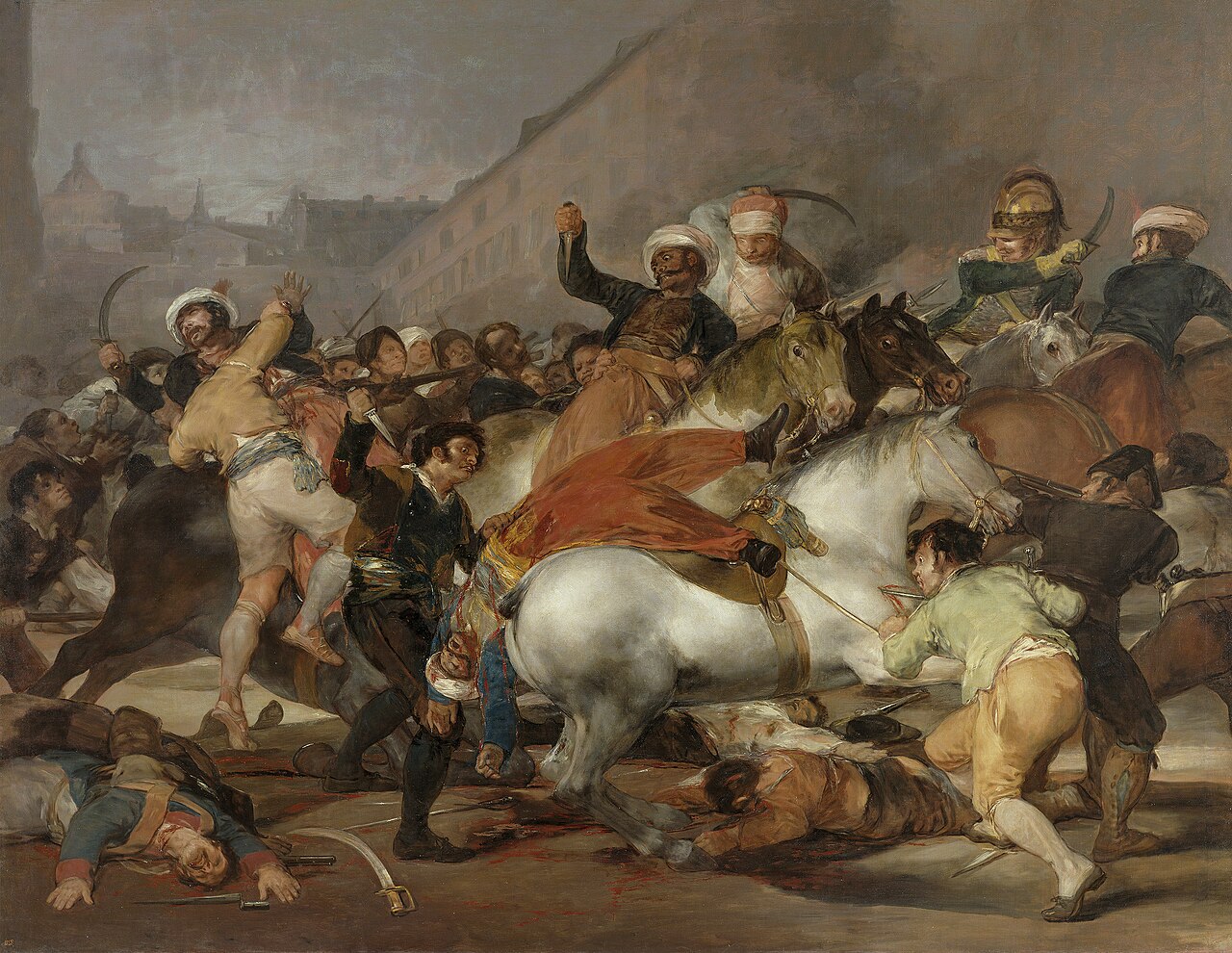
The Second of May 1808
Francisco Goya · 1814
Goya's painting of Madrid's uprising against Napoleon's Mamluk cavalry during the 1808 Dos de Mayo revolt.
Goya painted this commissioned scene of the 1808 Madrid uprising he lived through.
About this source
What it is
Francisco Goya painted this work in 1814, as a companion to The Third of May 1808. It shows the Dos de Mayo Uprising of 1808 in Madrid, when Mamluk cavalry serving in Napoleon's army charged a crowd of rebelling citizens. It hangs today in the Museo del Prado in Madrid.
Why it matters
Goya was commissioned to paint it after Napoleon's forces were driven out of Spain, by the government ruling before King Ferdinand VII's return. He chose to show ordinary Madrid citizens fighting a professional army with crude weapons, a choice that reportedly displeased the king, so the painting was not publicly displayed for years. It reveals how Goya used art to comment on war, chaos and ordinary people's courage rather than glorifying any single hero.
Look closer
- Why might Goya have avoided giving the painting one clear central figure or hero?
- What does the chaos of the composition tell you about how Goya wanted viewers to feel?
- Why was this painting commissioned years after the event it depicts, and how might that affect its accuracy?
This painting is part of the curated material that grounds the AI version of Francisco Goya on Humy.ai — when students ask about related events, the AI can quote it and cite it.
More Francisco Goya sources
Meet the AI Francisco Goya →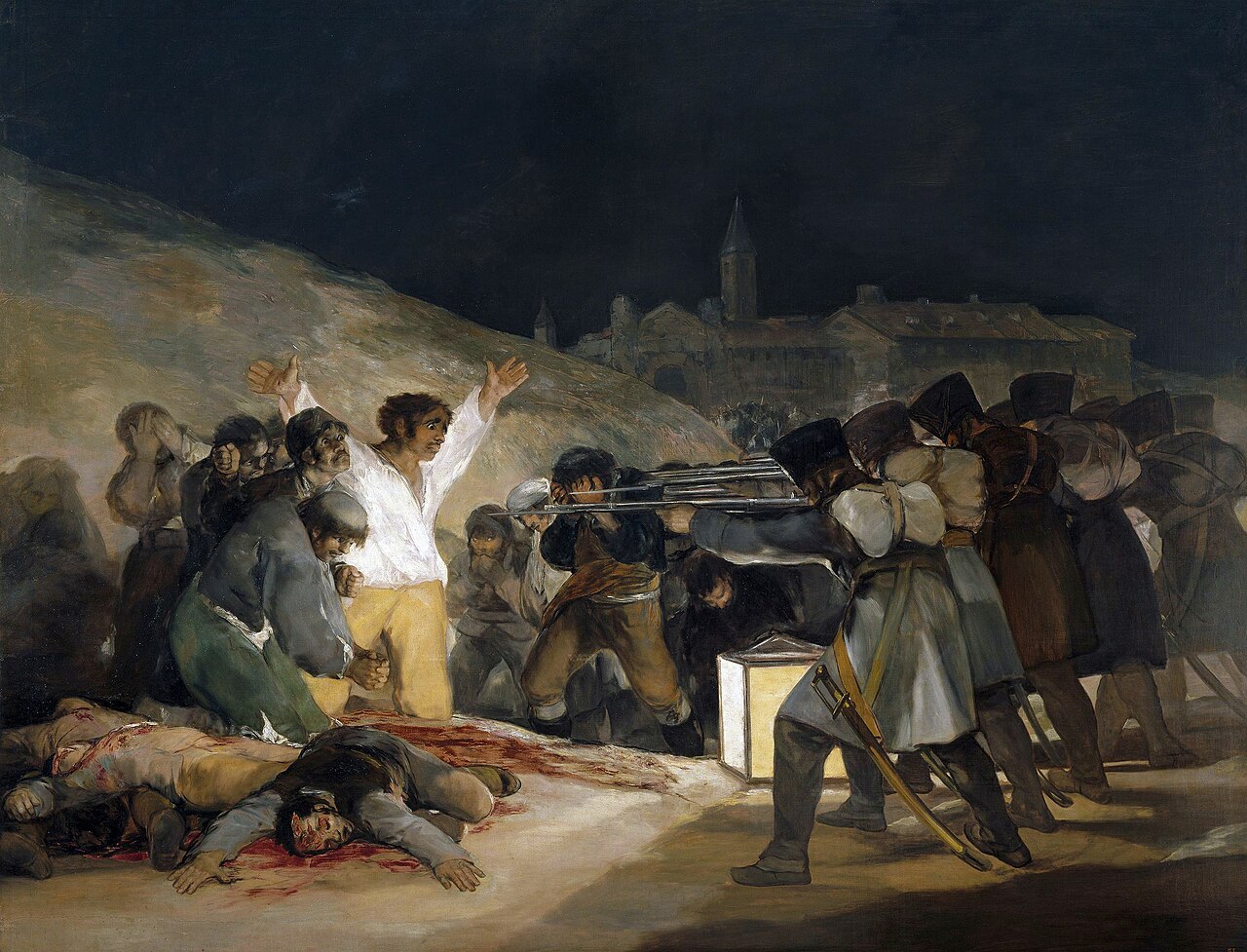 Painting
Secondary source
The Third of May 1808
Francisco Goya · 1814
 Painting
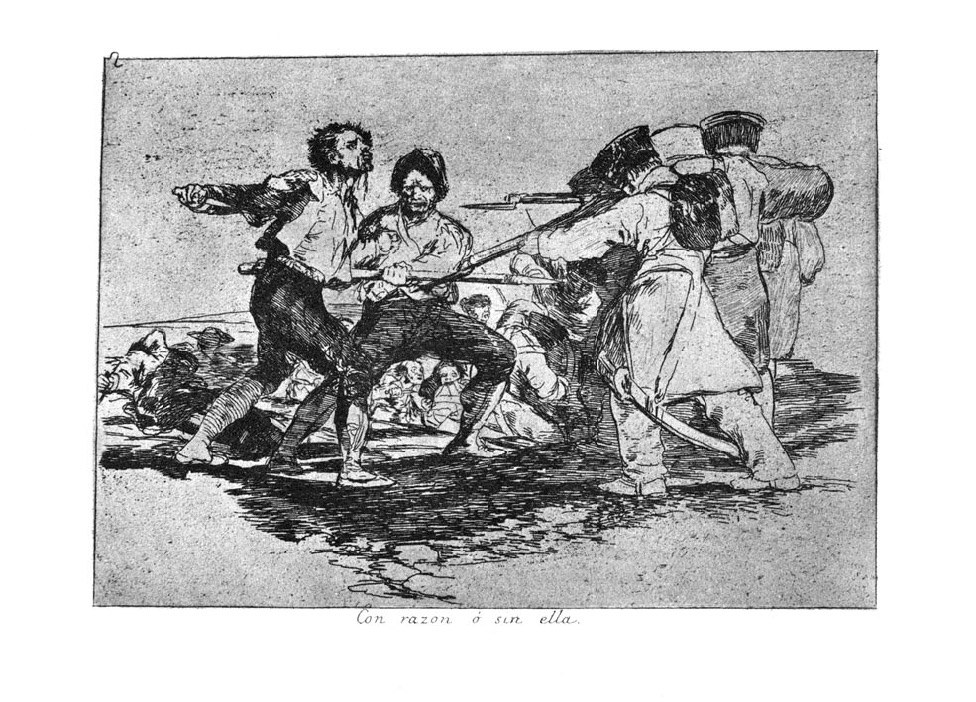
Primary source
The Disasters of War
Francisco Goya · 1810-1820
 Painting
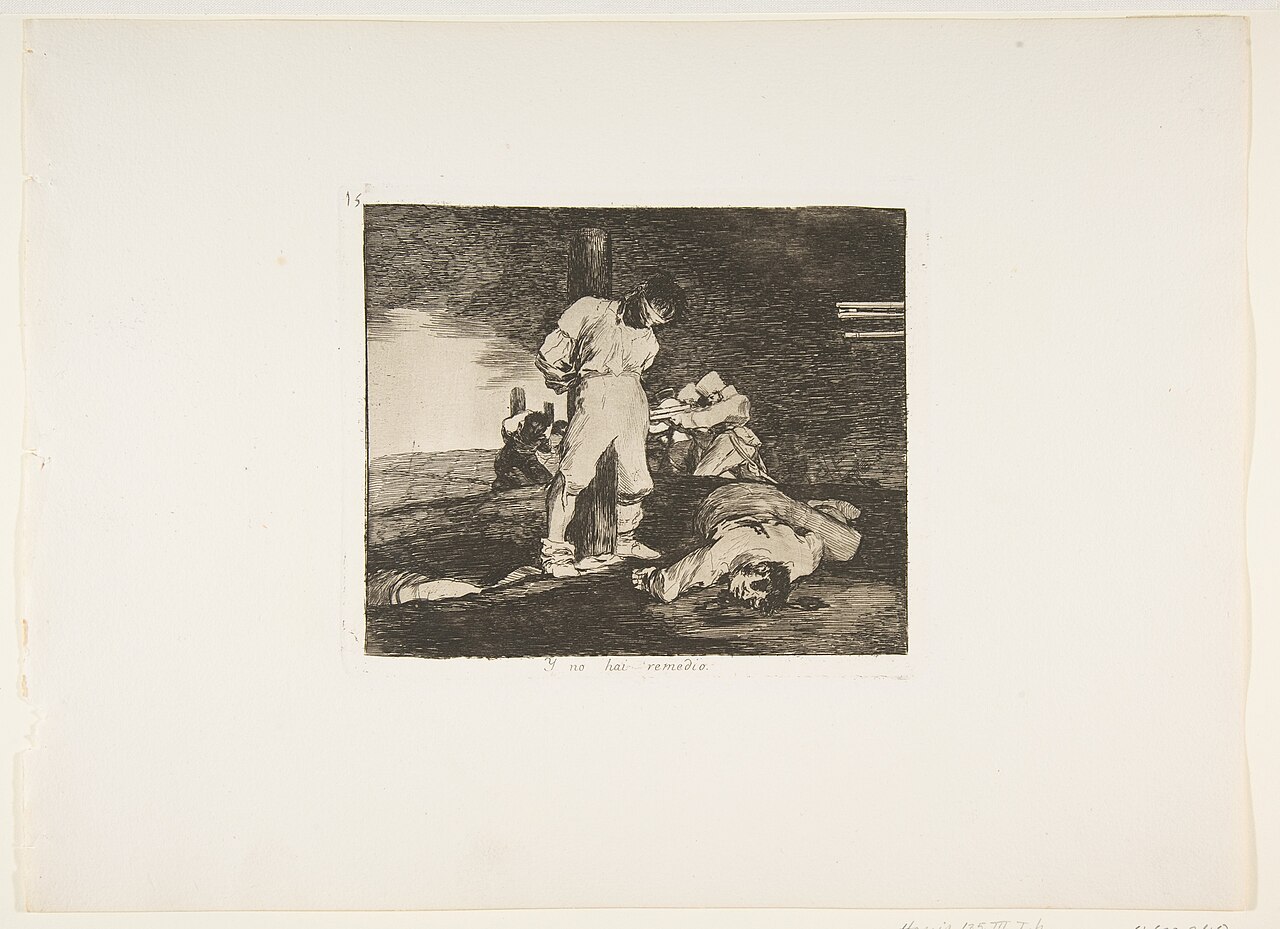
Primary source
Y no hai remedio
Francisco de Goya · c. 1810-1814 (published 1863)
 Painting
Primary source
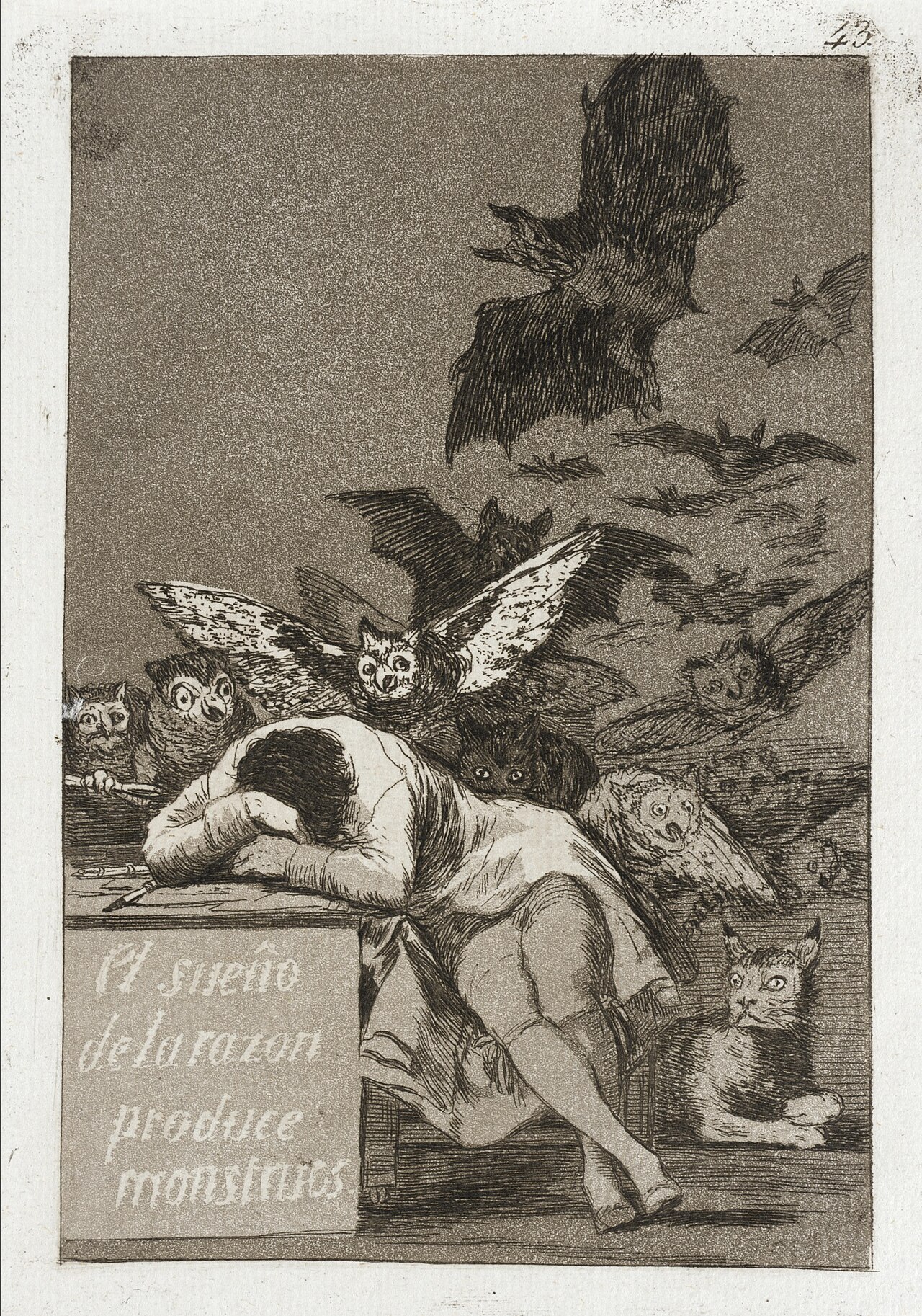
Caprichos
Francisco Goya · 1799 (created 1797-1798)
 Painting
Primary source
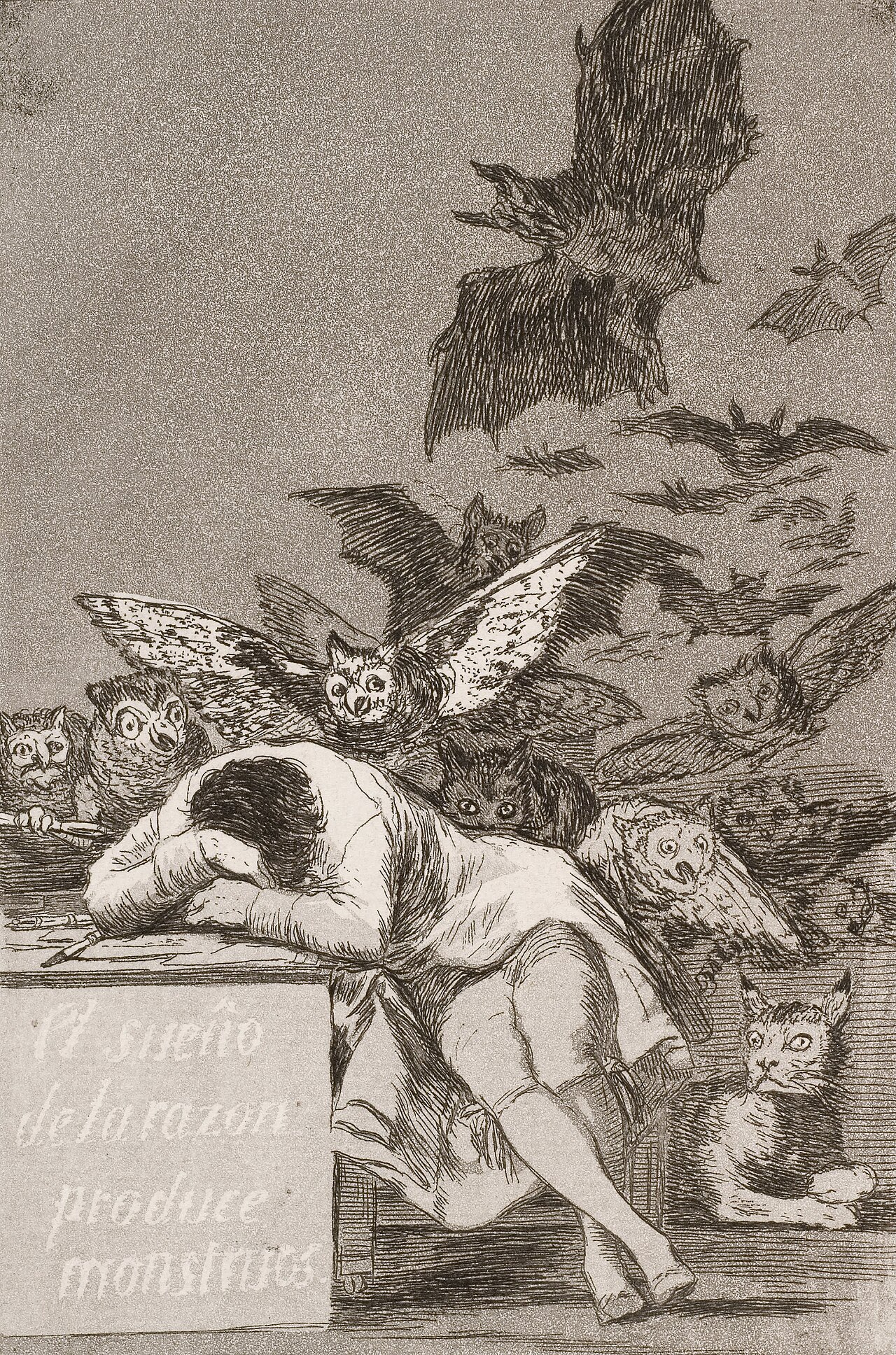
The Sleep of Reason Produces Monsters
Francisco Goya · 1797-1799
Ready when you are
Start chatting with Francisco Goya now.
20 messages free · No credit card · Available in 50+ languages.