


Primary sourceBook1833, published 1835
The Tale of the Fisherman and the Fish
Alexander Pushkin · 1833, published 1835
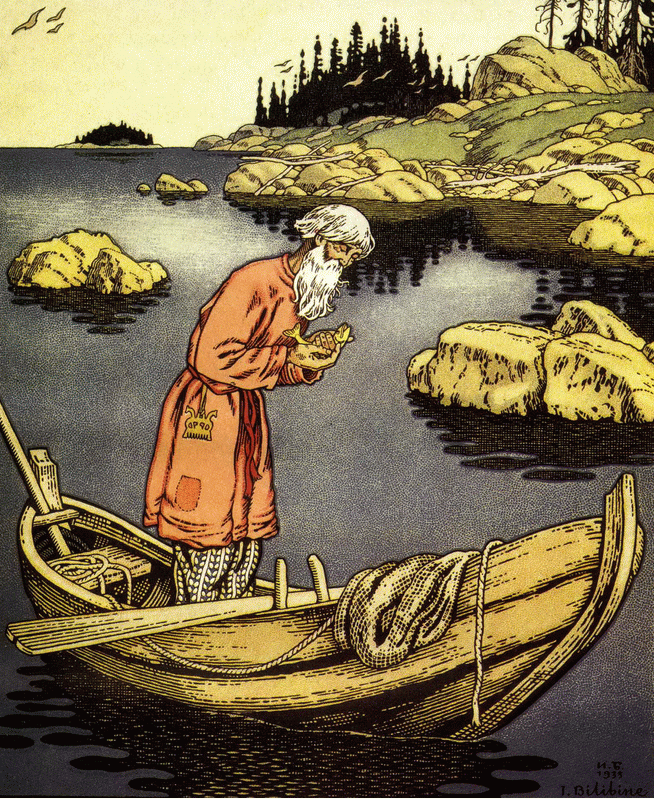
A fairy tale in verse by Alexander Pushkin about an old fisherman, a magic golden fish, and his wife's growing greed.
Pushkin composed this fairy tale in verse, reworking Grimm and Russian folk material into a moral fable.
About this source
What it is
Written by Alexander Pushkin in 1833 and first published in 1835, this verse tale follows a poor fisherman who catches a talking golden fish that grants wishes, and his wife whose demands grow ever more extravagant.
Why it matters
Scholars have traced the tale's roots to the Brothers Grimm's "The Fisherman and His Wife" as well as Russian folk collections such as Alexander Afanasyev's. It shows Pushkin absorbing both foreign and native folklore and reshaping it into distinctly Russian verse, a process that in turn influenced later folktale collectors. The story has echoed through later literature, including a reference in Dostoevsky's The Brothers Karamazov.
Look closer
- Why does the story end with everything returned to how it began, rather than a clear "happy ending"?
- What might the old man's fear, when the fish first speaks, tell us about how the tale treats the supernatural?
- How does the illustrator's choice of color and setting shape how we imagine the fisherman and the sea?
This book is part of the curated material that grounds the AI version of Alexander Pushkin on Humy.ai — when students ask about related events, the AI can quote it and cite it.
More Alexander Pushkin sources
Meet the AI Alexander Pushkin →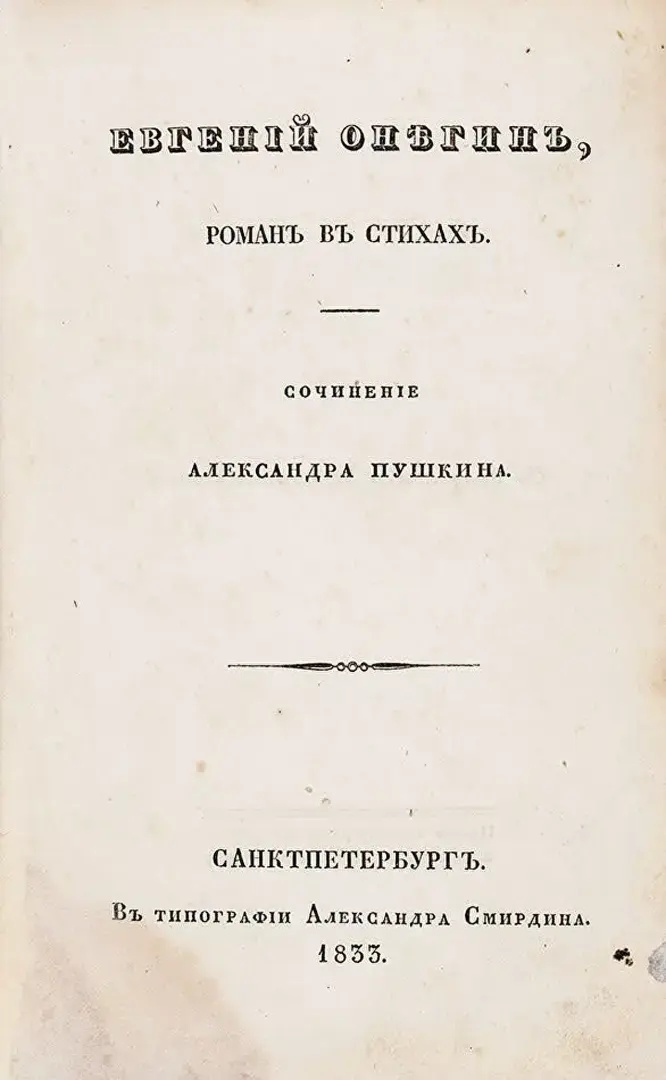 Book
Primary source
Eugene Onegin
Alexander Pushkin · 1823-1831
Primary source
Boris Godunov
Alexander Pushkin · 1825
 Book
Primary source
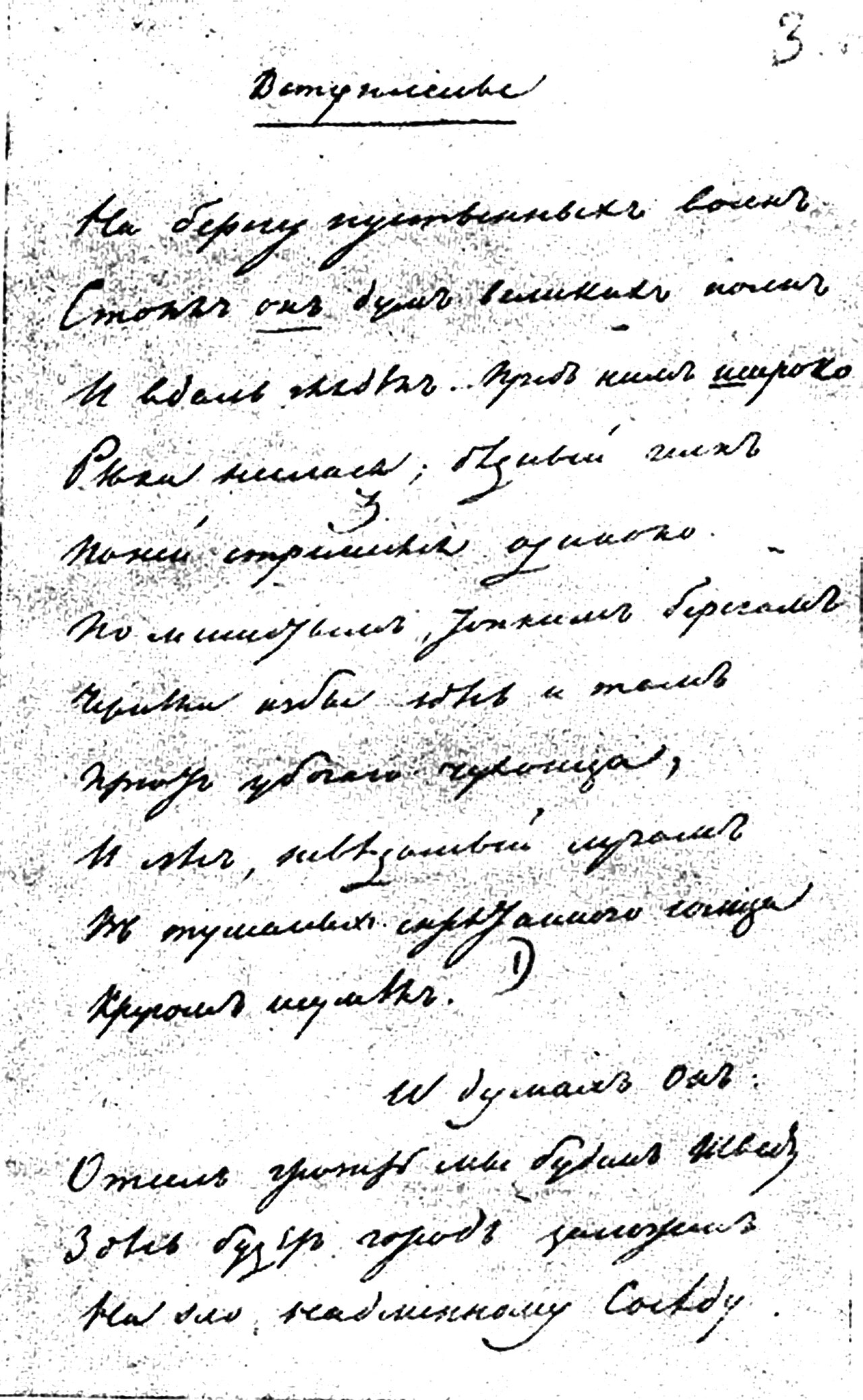
The Bronze Horseman
Alexander Pushkin · 1833
 Book
Primary source
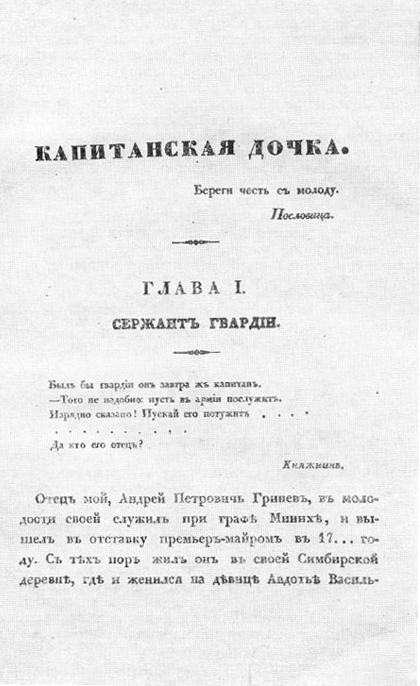
The Captain's Daughter
Alexander Pushkin · 1836
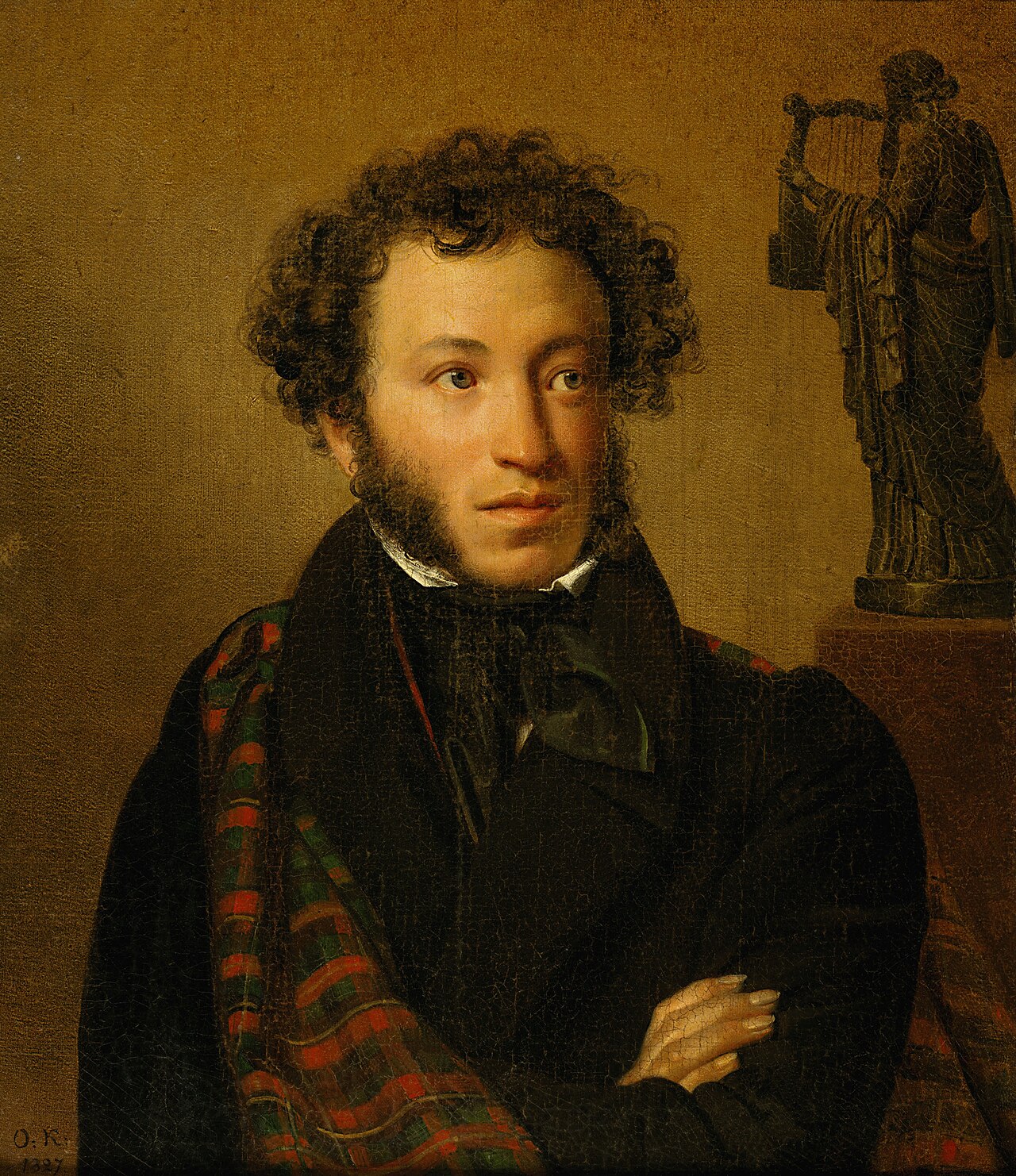 Painting
Primary source
Alexander Pushkin
Orest Kiprensky · 1827
Ready when you are
Start chatting with Alexander Pushkin now.
20 messages free · No credit card · Available in 50+ languages.