


Primary sourceBook1834
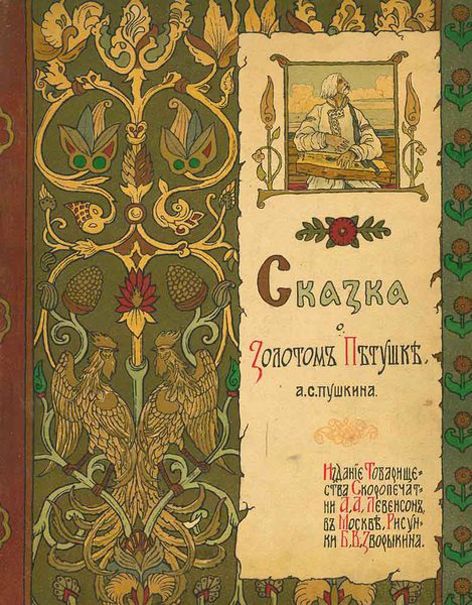
The Tale of the Golden Cockerel
Alexander Pushkin · 1834
Alexander Pushkin's last fairy tale in verse, written in 1834, about a king, a magic cockerel and a cautionary warning against greed and arrogance.
Pushkin wrote this final fairy tale, using folklore to veil satire of autocratic rule.
About this source
What it is
Written by Alexander Pushkin in 1834 and first published in 1835, this is his final fairy tale in verse. It tells of Tsar Dadon, who is given a golden cockerel to warn him of danger, with disastrous consequences tied to his own arrogance and broken promises.
Why it matters
Scholars have traced the story's roots to tales by Washington Irving and others, who in turn drew on an ancient Coptic legend. Pushkin's version is often read as a veiled satire of autocratic rulers, making it more than a simple children's story. As his last fairy tale, it shows him still experimenting with folk forms shortly before his death.
Look closer
- What might the golden cockerel symbolize about truth and warning in a kingdom ruled by one powerful man?
- Why might a poet use a fairy tale, rather than direct criticism, to comment on rulers and power?
- How does the 1903 book cover shown here present the story to its readers, and what does that tell you about its audience?
This book is part of the curated material that grounds the AI version of Alexander Pushkin on Humy.ai — when students ask about related events, the AI can quote it and cite it.
More Alexander Pushkin sources
Meet the AI Alexander Pushkin →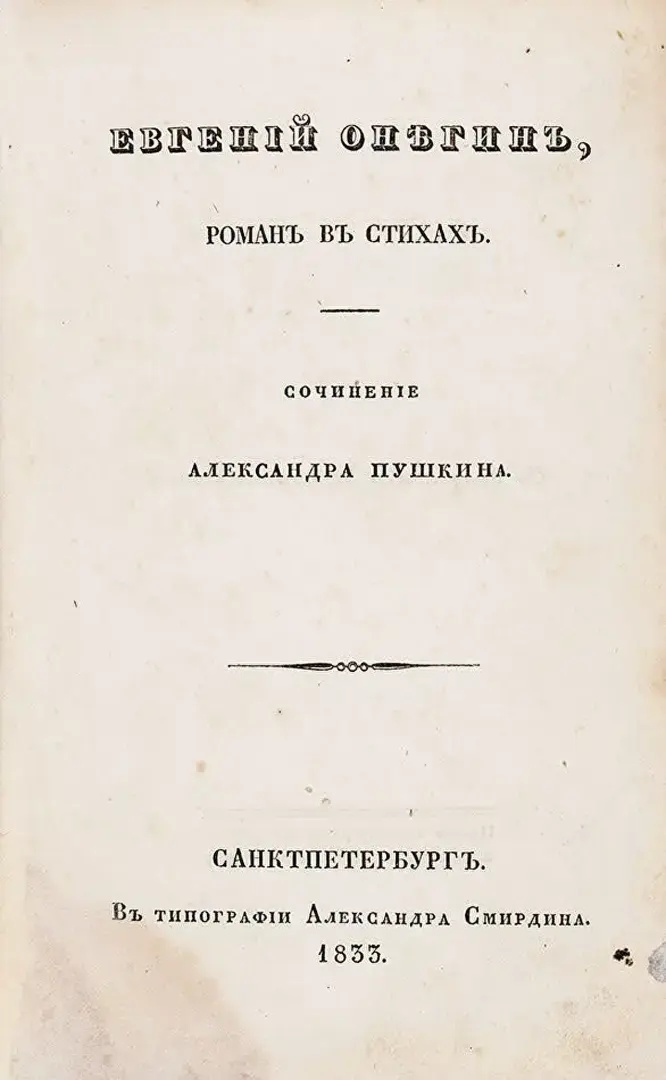 Book
Primary source
Eugene Onegin
Alexander Pushkin · 1823-1831
Primary source
Boris Godunov
Alexander Pushkin · 1825
 Book
Primary source
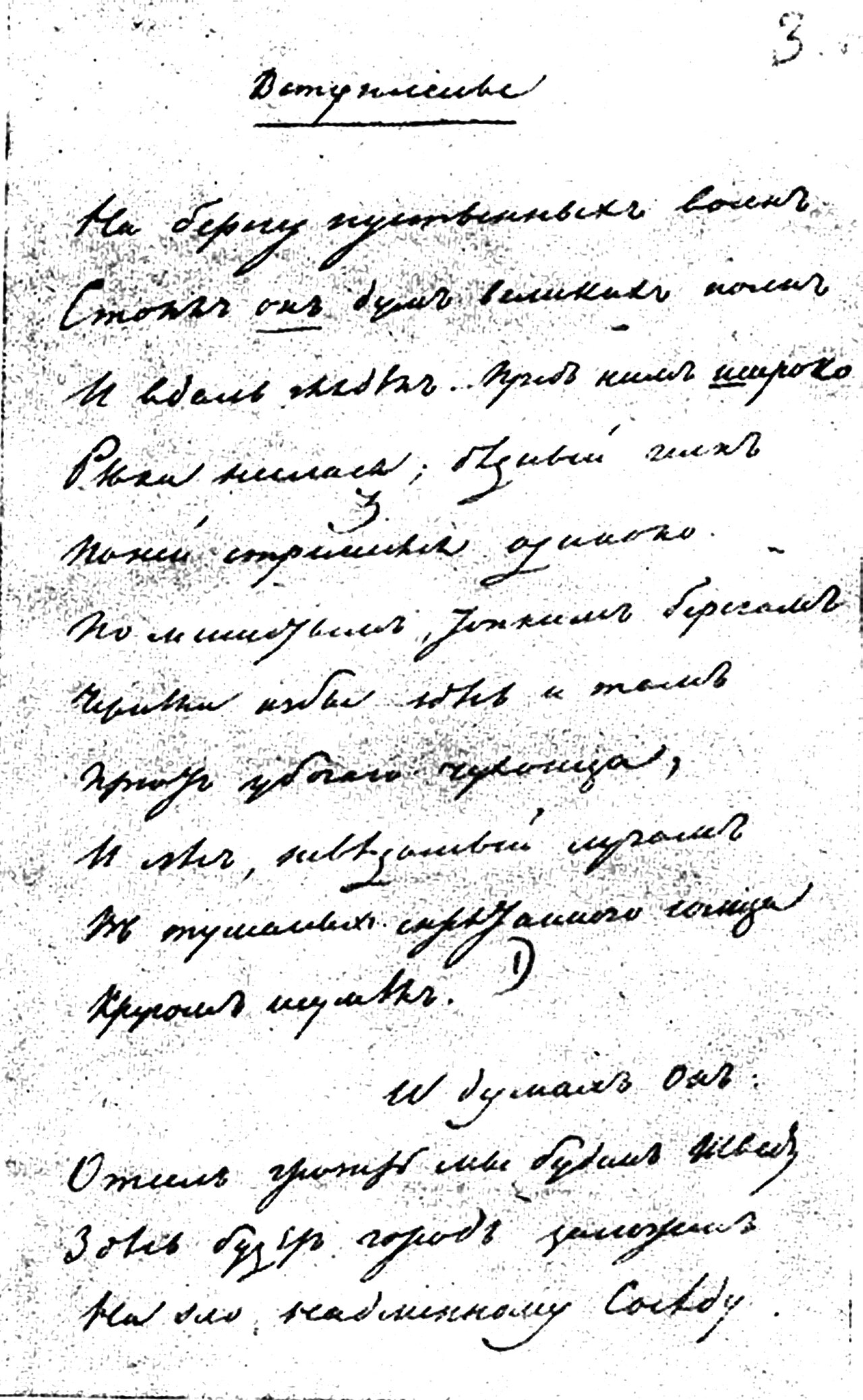
The Bronze Horseman
Alexander Pushkin · 1833
 Book
Primary source
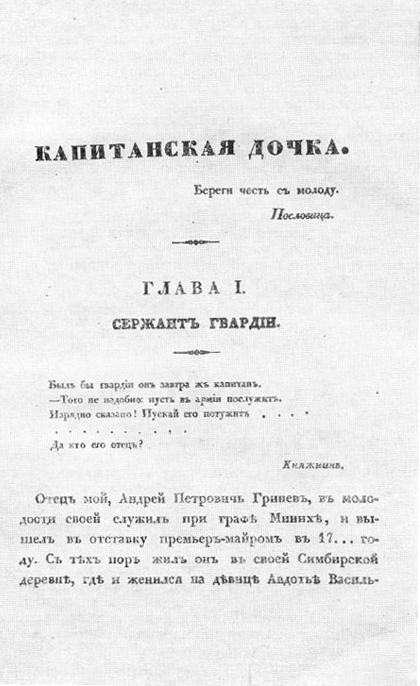
The Captain's Daughter
Alexander Pushkin · 1836
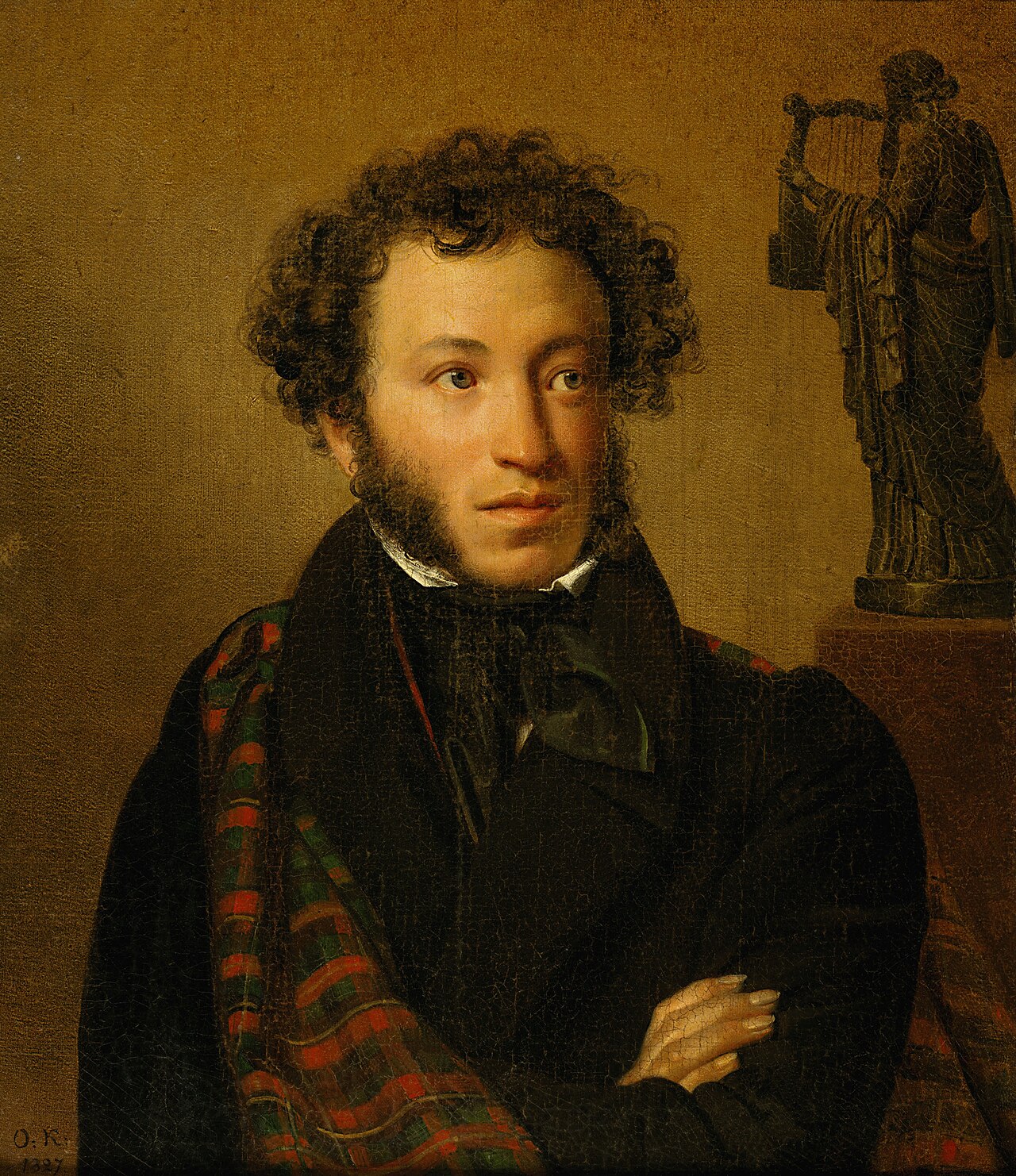 Painting
Primary source
Alexander Pushkin
Orest Kiprensky · 1827
Ready when you are
Start chatting with Alexander Pushkin now.
20 messages free · No credit card · Available in 50+ languages.