


Secondary sourcePainting16th century
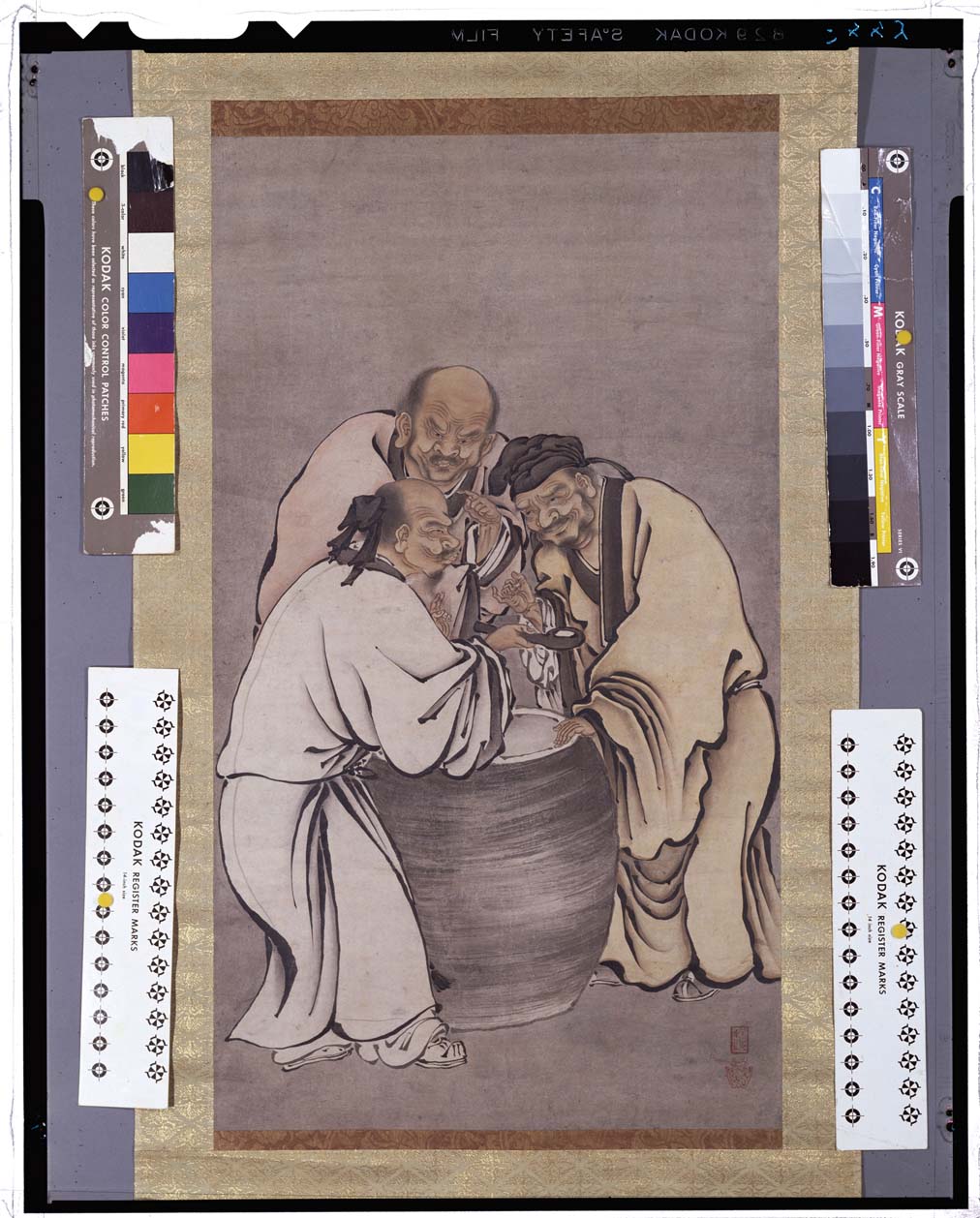
The Three Vinegar Tasters
Kanō school artist · 16th century
A 16th-century Japanese painting showing Confucius alongside Buddha and Laozi, symbolizing the unity of the three major Asian philosophical traditions.
This allegorical painting places Confucius alongside Buddha and Laozi to represent the unity of the three teachings.
About this source
What it is
This hanging-scroll painting was made in the 16th century by an artist of the Kanō school during the Muromachi period in Japan. It shows three robed figures leaning over a large vat, each tasting its contents, representing Confucius, Gautama Buddha, and Laozi.
Why it matters
The painting is an allegory meant to show that Confucianism, Buddhism, and Taoism, though different paths, taste the same underlying truth. It was made centuries after Confucius's death and shows how later Asian artists used his image to discuss the relationship between competing belief systems.
Look closer
- Why might an artist choose tasting vinegar as a metaphor for comparing philosophies?
- What does it mean that this image groups Confucius with Buddha and Laozi rather than showing him alone?
- How does this painting, made long after Confucius lived, differ from a direct historical record of him?
This painting is part of the curated material that grounds the AI version of Confucius and Laozi on Humy.ai — when students ask about related events, the AI can quote it and cite it.
More Confucius sources
Meet the AI Confucius →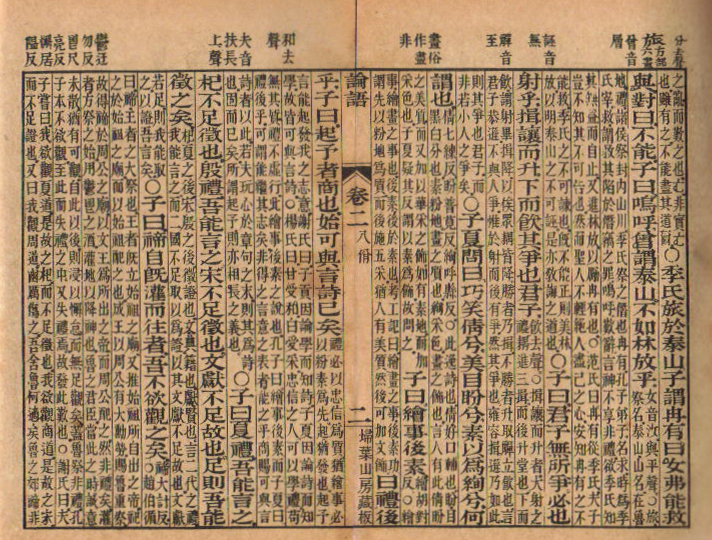 Book
Secondary source
Analects
c. 480 BCE – 2nd century BCE
 Book
Secondary source
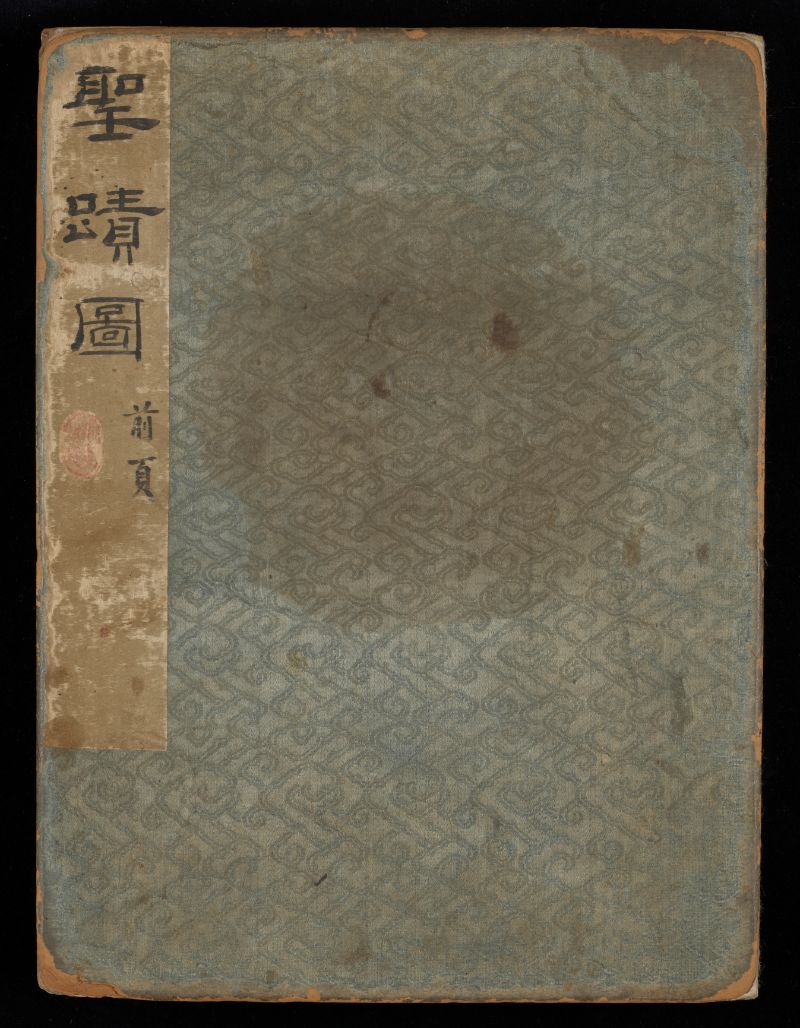
Pictures of the Sage's Traces
Unknown · 1758
Secondary source
Records of the Grand Historian, Vol. 47: Hereditary House of Confucius
Sima Qian · c. 94 BCE
 Photograph
Primary source
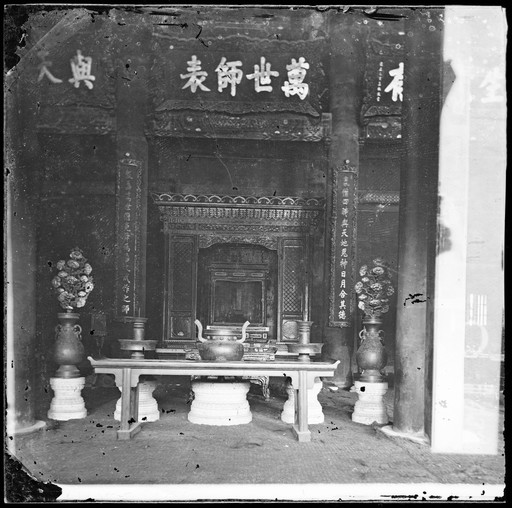
Temple of Confucius, Peking (Interior)
John Thomson · 1871
 Document
Secondary source
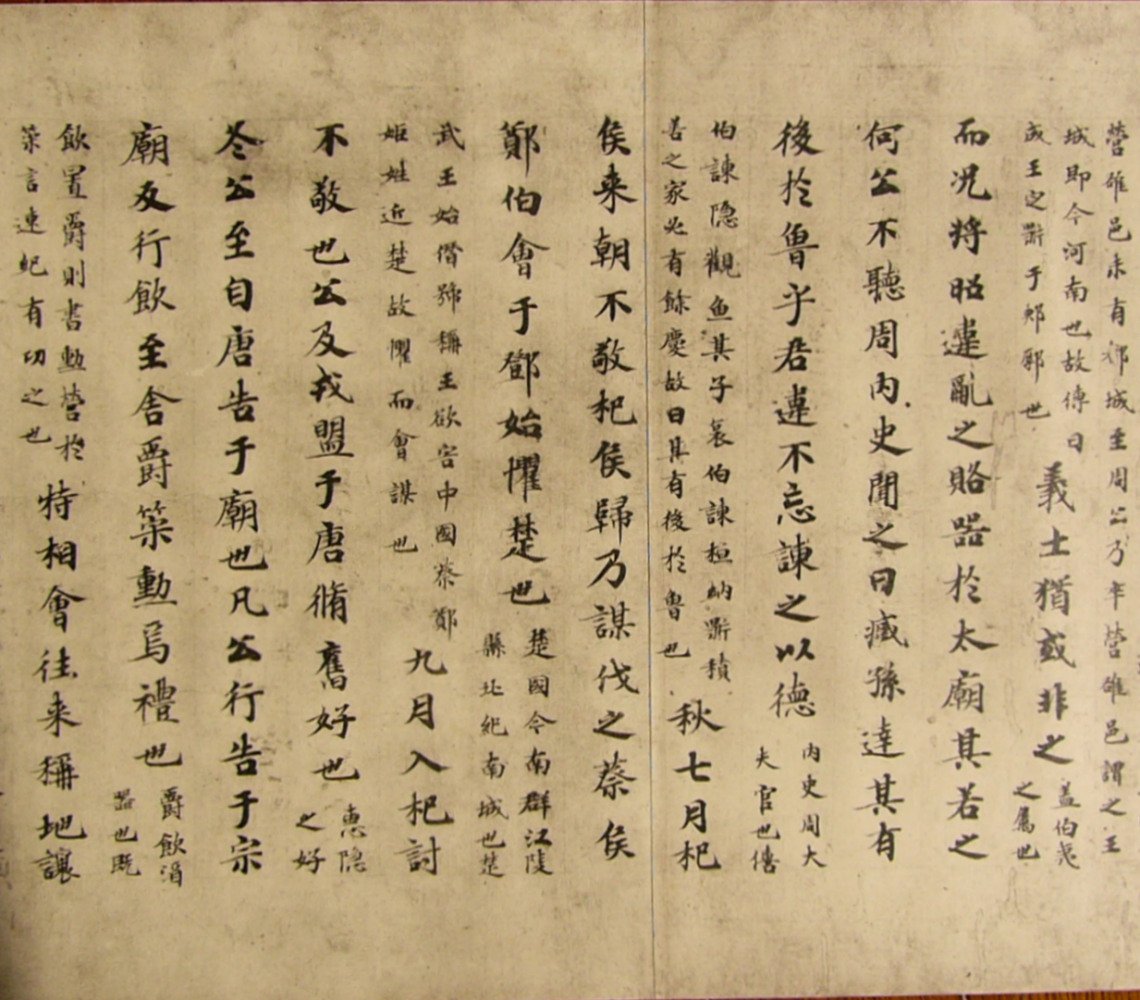
Spring and Autumn Annals
Confucius · 5th century BCE
Ready when you are
Start chatting with Confucius now.
20 messages free · No credit card · Available in 50+ languages.