


Primary sourceBook1810
Theory of Colours
Johann Wolfgang von Goethe · 1810
Goethe's 1810 book on how humans perceive colour, written as a challenge to Newton's optics and later admired by painters and philosophers.
Goethe wrote this treatise, which he considered his most important work, challenging Newton's theory of colour.
About this source
What it is
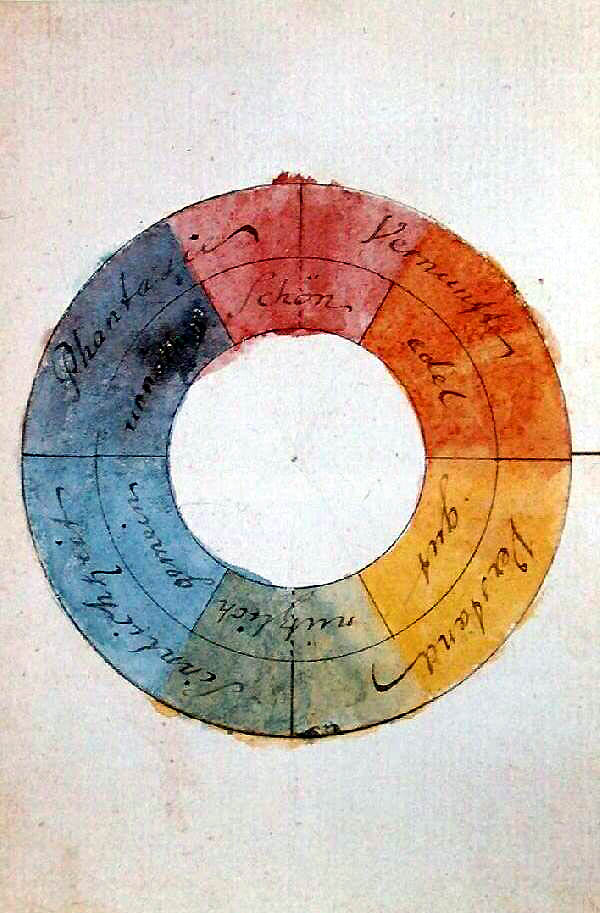
Zur Farbenlehre (Theory of Colours) is a book by Johann Wolfgang von Goethe, published in German in 1810 and in English in 1840. It describes phenomena such as coloured shadows and chromatic aberration, building on his earlier essays on optics.
Why it matters
Goethe considered this his most important work. Rather than analysing light the way Isaac Newton had, Goethe focused on how colour is actually experienced by the eye and mind. Though many physicists rejected his ideas, painters such as J. M. W. Turner and philosophers including Arthur Schopenhauer and Ludwig Wittgenstein took his work seriously. It reveals Goethe's belief that human perception, not just mathematics, mattered in understanding nature.
Look closer
- Why might an artist-poet disagree with a mathematician-scientist about how colour works?
- What does the hand-painted colour wheel, with words like
This book is part of the curated material that grounds the AI version of Johann Wolfgang von Goethe on Humy.ai — when students ask about related events, the AI can quote it and cite it.
More Johann Wolfgang von Goethe sources
Meet the AI Johann Wolfgang von Goethe →Primary source
Faust
Johann Wolfgang von Goethe · drafted 1770s-1831
 Painting
Primary source
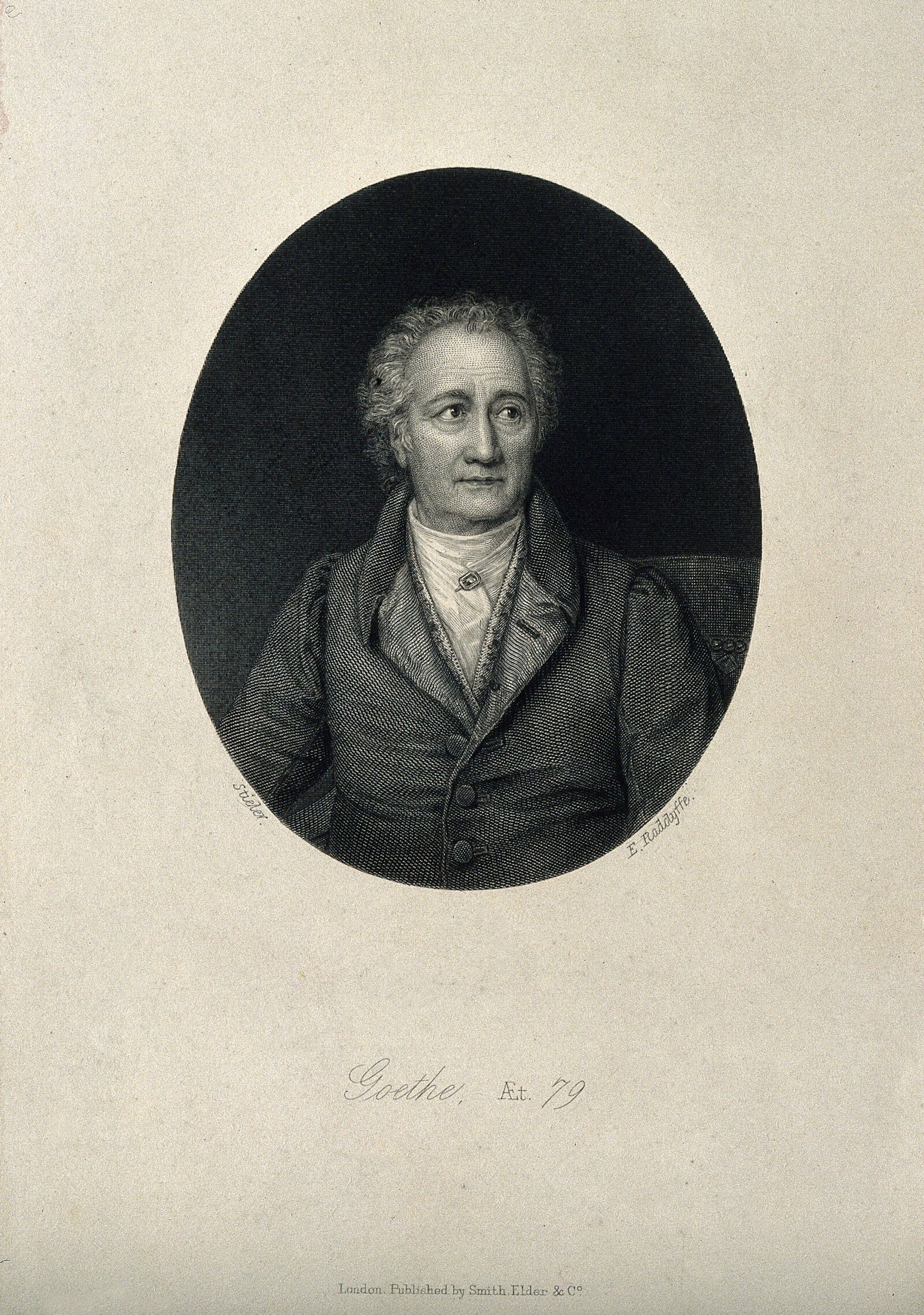
Goethe Line Engraving by Radclyffe after Stieler
E. Radclyffe after J. K. Stieler · 1828
 Book
Primary source
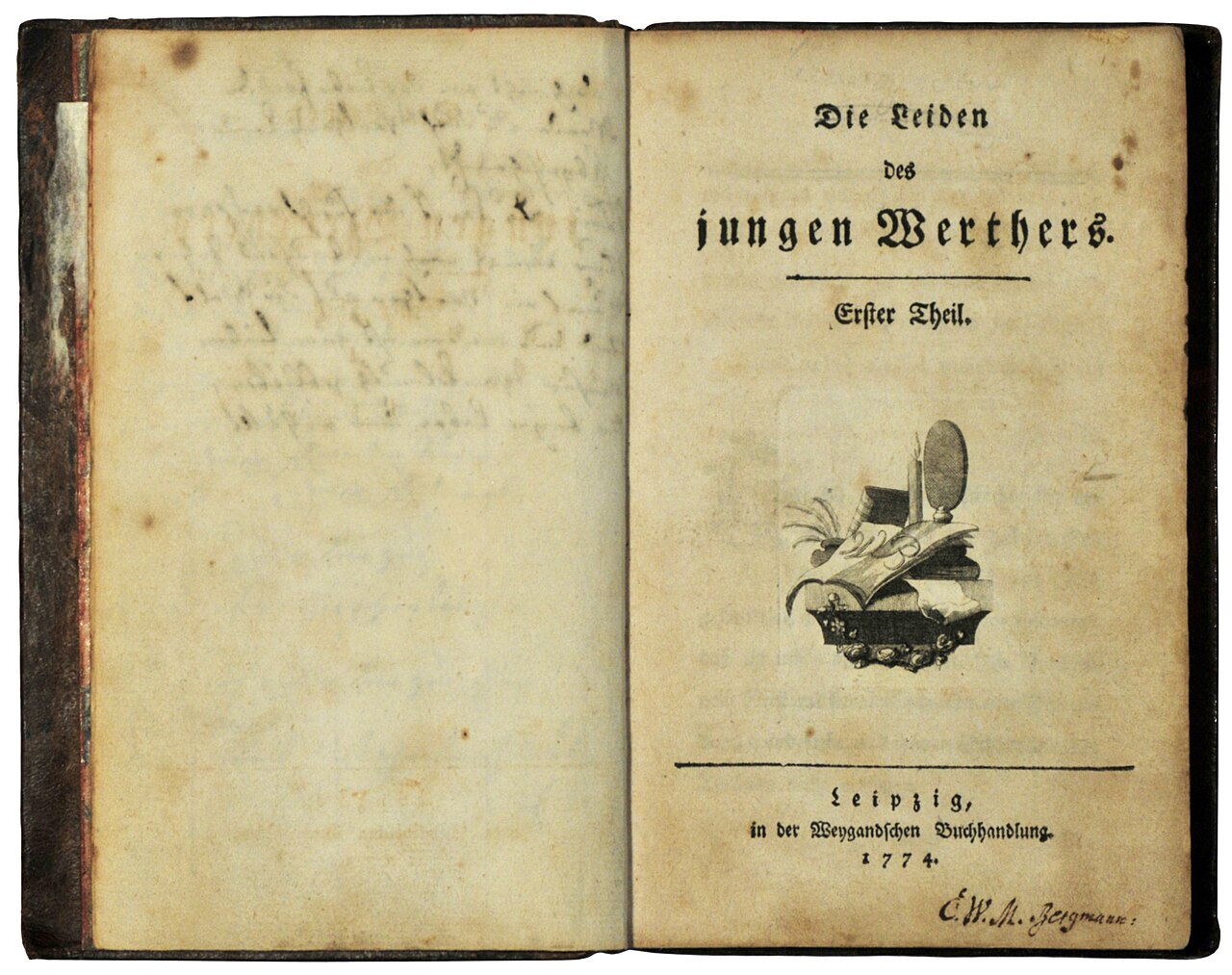
The Sorrows of Young Werther
Johann Wolfgang von Goethe · 1774
 Painting
Primary source
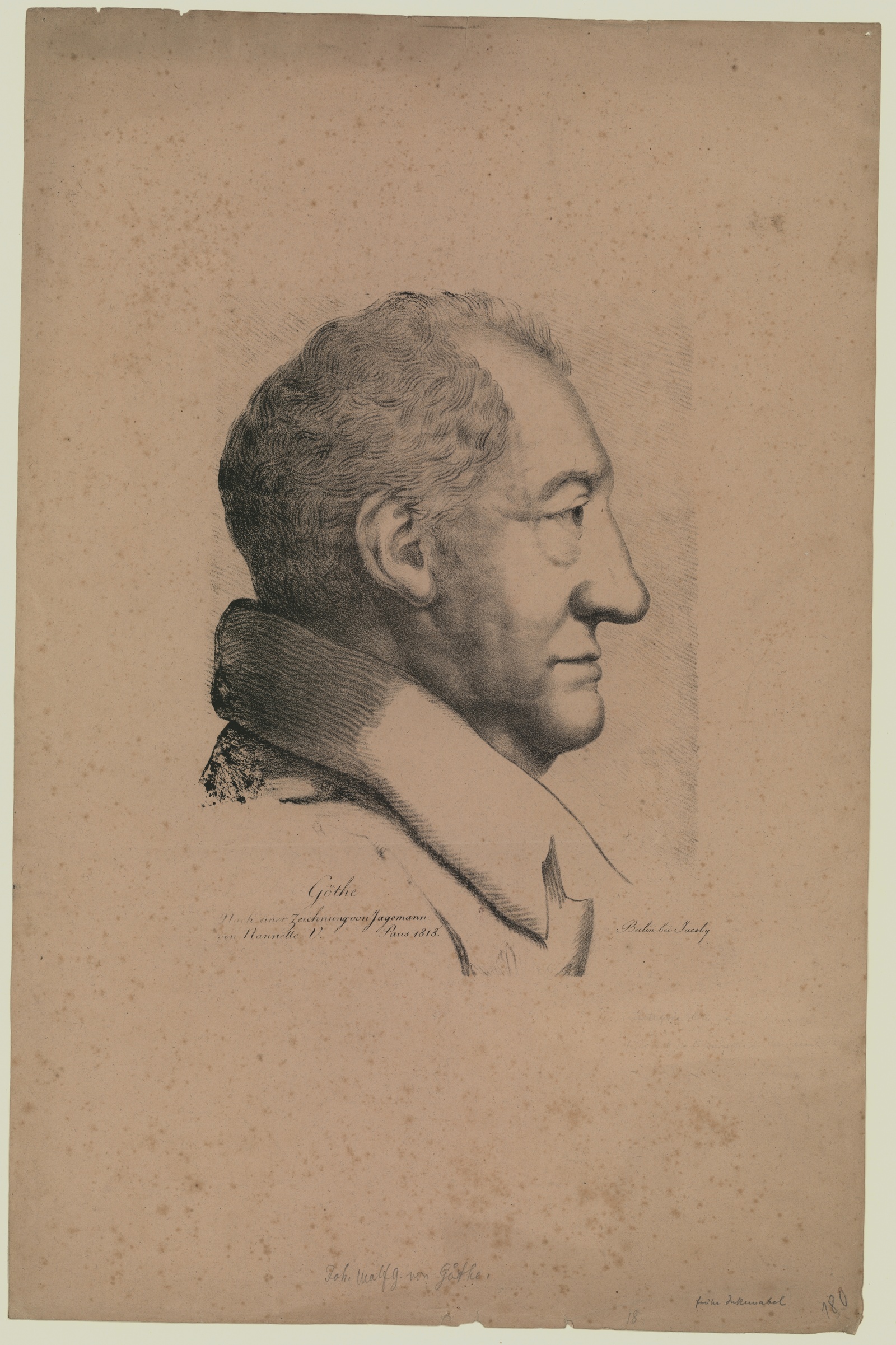
Lithograph Portrait of Goethe by Jagemann and Nanette
F. Jagemann and Nanette · c. 1818
Primary source
Der Erlkönig
Johann Wolfgang von Goethe · 1782
Ready when you are
Start chatting with Johann Wolfgang von Goethe now.
20 messages free · No credit card · Available in 50+ languages.