


Primary sourceBook1827
Three Springs
Alexander Pushkin · 1827
An 1827 Pushkin poem, in a translation by Avrahm Yarmolinsky, comparing life to a desert with three springs: youth, inspiration and oblivion.
An 1827 Pushkin poem reflecting on youth, inspiration and oblivion, showing his mature lyric thought.
About this source
What it is
This is a short poem by Pushkin from 1827, in English, translated by Avrahm Yarmolinsky as the source notes. The poem describes three springs that rise in life's joyless desert. The spring of youth runs swiftly through sunny lands, the spring of inspiration serves life's exiles, and the deep, cold wellspring of oblivion brings the sweetest relief from thirst and ecstasy.
Why it matters
The poem is a late reflection in Pushkin's verse on youth, creativity and forgetting. It shows a poet thinking about the stages of life and the meaning of inspiration, and it lets students compare his images with other poems of the time.
Look closer
- The poem uses the image of springs in a desert. What does each spring stand for in the speaker's view of life?
- The poem treats oblivion as a relief. Why might a poet describe forgetting in such a positive way?
- The translator has rendered the poem into English. Which images or sounds might change in translation?
This book is part of the curated material that grounds the AI version of Alexander Pushkin on Humy.ai — when students ask about related events, the AI can quote it and cite it.
More Alexander Pushkin sources
Meet the AI Alexander Pushkin →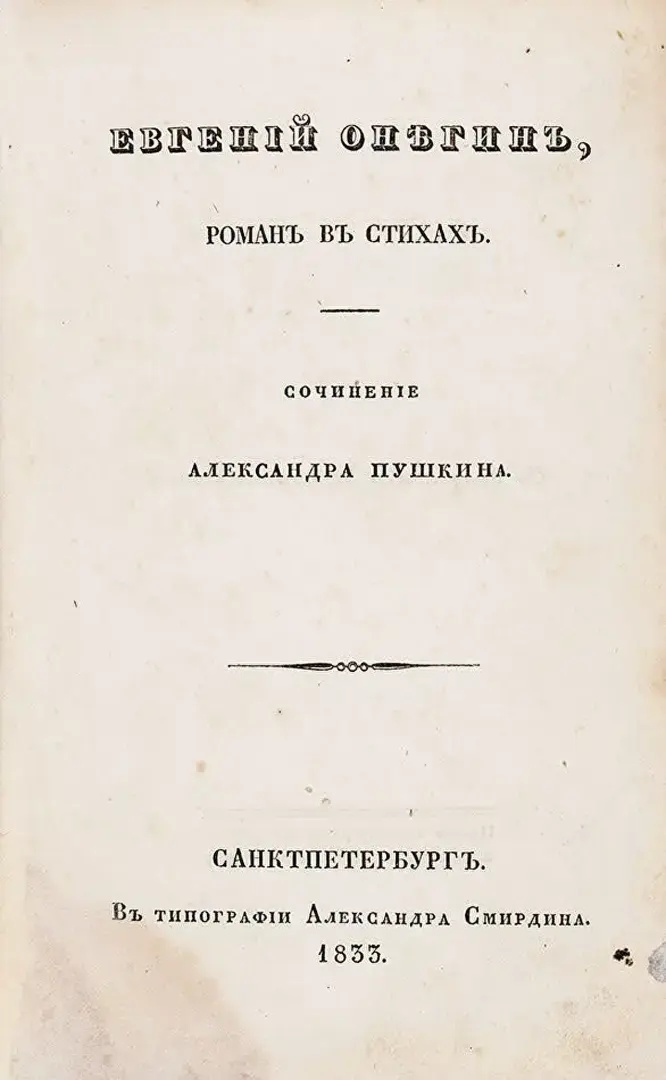 Book
Primary source
Eugene Onegin
Alexander Pushkin · 1823-1831
Primary source
Boris Godunov
Alexander Pushkin · 1825
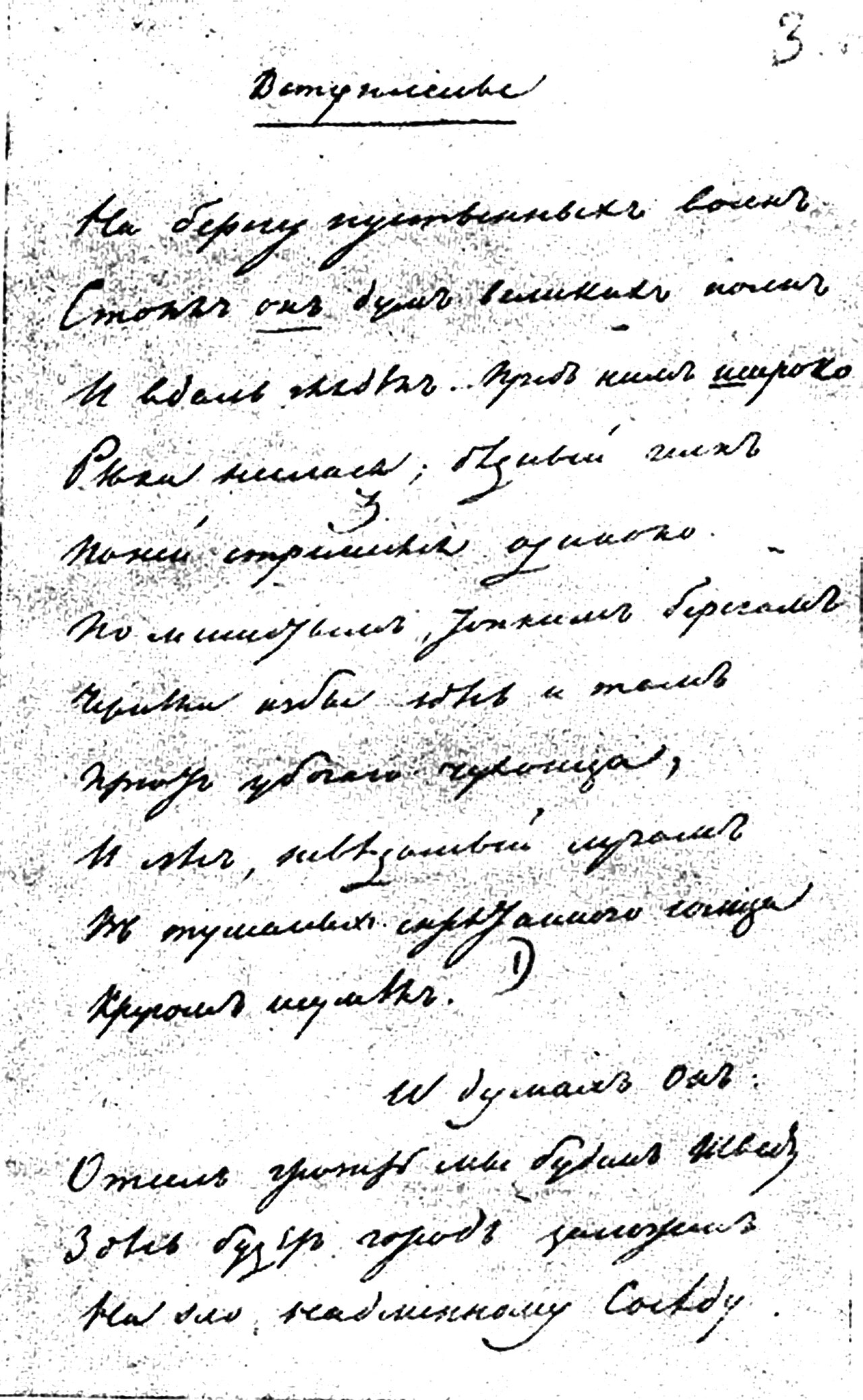 Book
Primary source
The Bronze Horseman
Alexander Pushkin · 1833
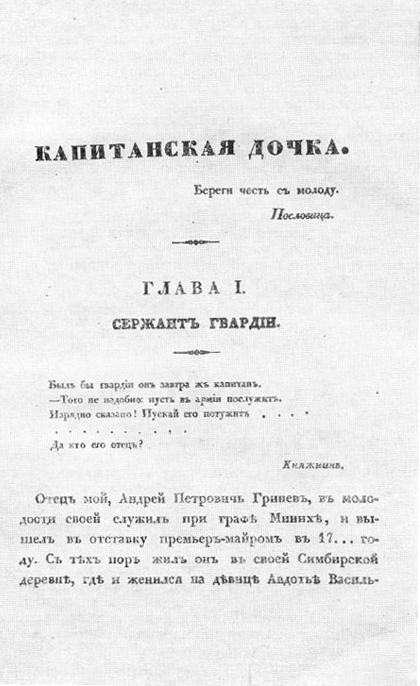 Book
Primary source
The Captain's Daughter
Alexander Pushkin · 1836
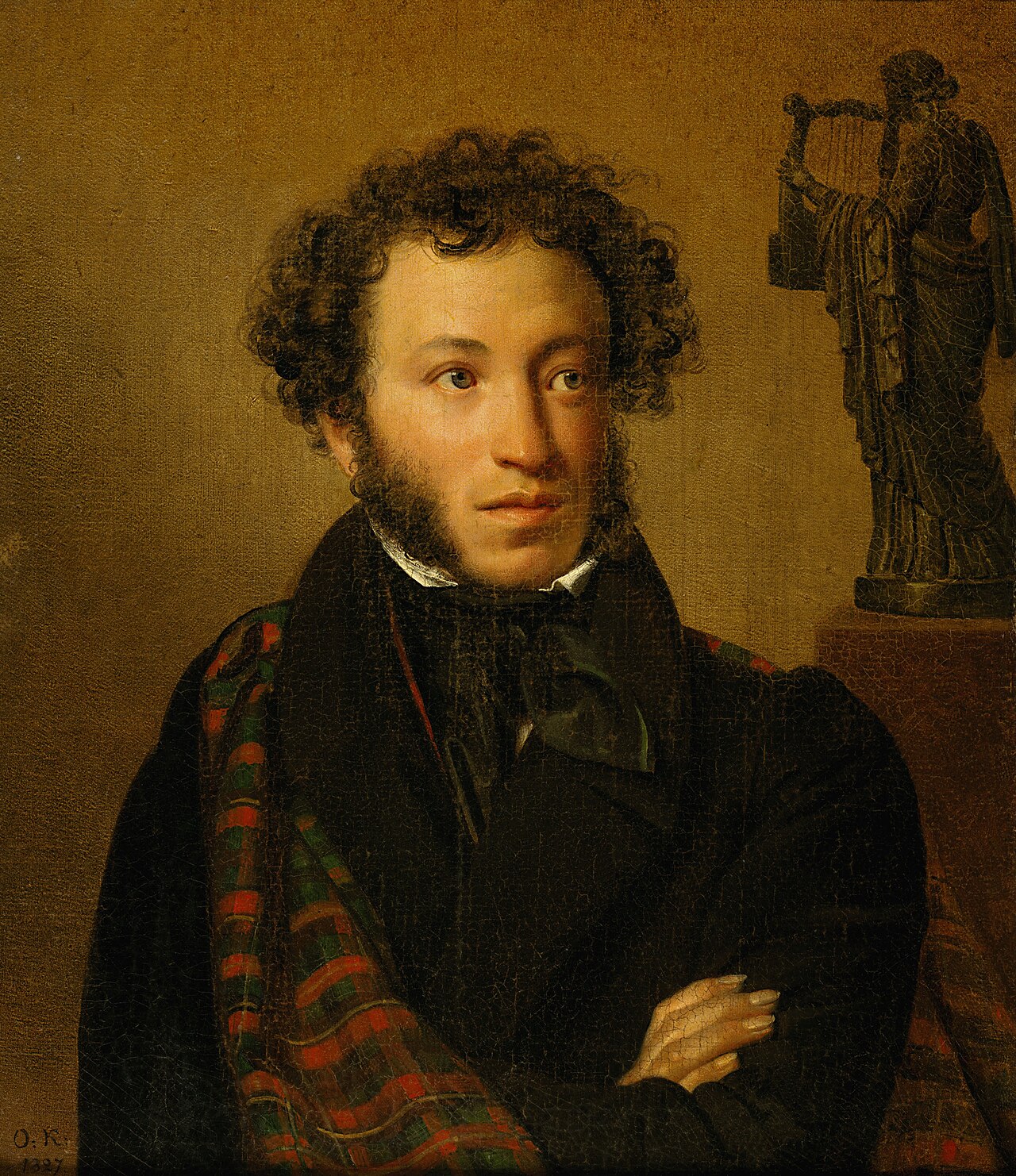 Painting
Primary source
Alexander Pushkin
Orest Kiprensky · 1827
Ready when you are
Start chatting with Alexander Pushkin now.
20 messages free · No credit card · Available in 50+ languages.